Closed-Cell Insulation Maintenance: Keeping It Efficient Over Time
Closed-cell insulation maintains its efficiency over time through regular visual inspections, promptly addressing minor damage, ensuring proper ventilation, and preventing…


Your home’s insulation works quietly behind the scenes, but when it fails, the consequences become impossible to ignore. Skyrocketing energy bills, uncomfortable temperature swings, and mysterious drafts all point to one culprit: compromised insulation. Most homeowners don’t think about their insulation until there’s a problem, yet understanding when and how to remove and replace it can save you thousands in energy costs while protecting your property’s structural integrity.
Before diving into removal and replacement, you need to grasp what insulation actually does in your home. Insulation resists heat flow, slowing down the movement of warm air from where you want it to where you don’t. In winter, it keeps heated air inside your living spaces. In summer, it blocks outdoor heat from penetrating your home. Insulation effectiveness is measured by its R-value. Higher R-values provide better thermal resistance.
Most homes have insulation in three critical areas: attics, walls, and crawl spaces. Each location presents unique challenges for removal and replacement. Attics are the most accessible and commonly upgraded areas, while wall insulation often requires more invasive techniques to access and replace.
The type of insulation in your home largely determines its lifespan and performance characteristics. Traditional materials like fiberglass batts and loose-fill cellulose can last 15-20 years when properly installed and protected from moisture. Modern insulation options offer longer lifespans but come with their own set of considerations for removal and replacement.
Not every aging insulation system requires complete removal. Sometimes adding material to boost R-values solves the problem. However, certain warning signs indicate more serious issues requiring removal:
Visible Damage: Water stains, compression, matting, or visible gaps compromise performance. Water-damaged insulation loses R-value quickly and can become a breeding ground for mold and bacteria.
Temperature Inconsistencies: Cold spots in winter or hot rooms in summer signal insulation breakdown. Pay special attention to rooms above garages or on upper floors where temperature differences are most noticeable.
Pest Activity: Rodents and insects love making homes in insulation. If you notice droppings, nesting materials, or chew marks, removal is necessary for health reasons.
Energy Bill Increases: If your heating and cooling costs have risen steadily without changes in usage rates or utility pricing, failing insulation might be the culprit. According to the U.S. Department of Energy, proper insulation can reduce heating and cooling costs by 15% on average.
Age: Most insulation materials have a 15-25 year lifespan. If your insulation is older than this and shows any performance issues, replacement might be more cost-effective than continued energy waste.
Key Takeaways:
Removing insulation isn’t just about pulling material out of your walls and attic. It requires planning, safety precautions, and proper disposal methods. The process varies significantly depending on the insulation type and its condition.
Before beginning any removal project, safety must be your top priority. Different insulation materials present different hazards:
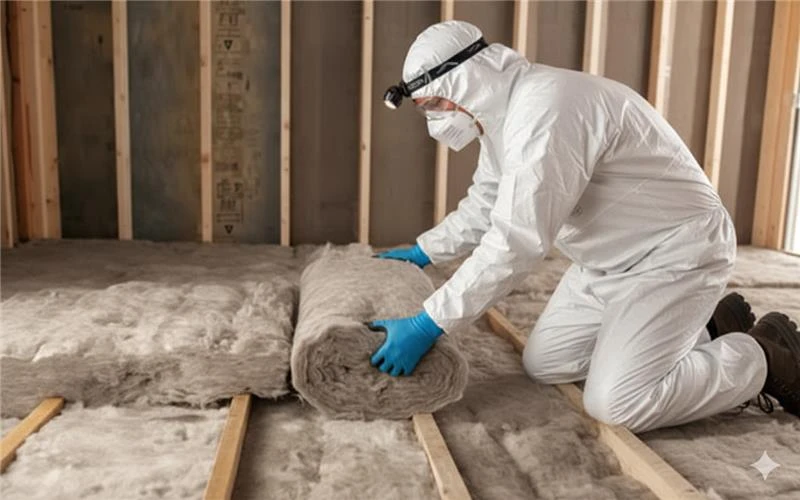
Fiberglass: Can cause skin irritation and respiratory issues. Wear protective clothing, gloves, goggles, and a NIOSH-approved respirator with P100 filters.
Cellulose: Often contains paper dust and sometimes chemical fire retardants. Similar protective equipment to fiberglass is recommended, plus additional protection against potential dust inhalation.
Spray Foam: Removal creates significant dust and potential chemical exposure. Full protective suits with respirators are essential, especially for aged foam that may break down unpredictably.
Asbestos-containing Vermiculite: If your home was insulated before 1990 and has vermiculite insulation, it might contain asbestos. This requires professional testing before any disturbance. Do not attempt removal yourself if asbestos is present.
Not every insulation problem requires complete removal. Here’s how to decide:
Remove When:
Retrofit When:
The removal process varies by insulation type:
For Loose-fill Insulation (Cellulose/Fiberglass):
For Batts and Rolls:
For Spray Foam:
Expert Tip: Before beginning any removal project, check local regulations for disposal requirements. Some areas classify certain insulation materials as hazardous waste requiring special handling. This affects both cost and removal procedures.
Once you’ve removed old insulation, choosing the right replacement material determines your home’s future energy efficiency. Modern insulation options offer significant advantages over older materials, but the best choice depends on your climate, budget, and specific application needs.
Today’s insulation market offers several effective options, each with distinct advantages:
Spray Foam Insulation: Creates an air-tight seal while providing high R-values per inch. Closed-cell foam offers moisture resistance and structural support, while open-cell foam provides better sound dampening at a lower cost. Spray Foam Tech frequently recommends this for its superior air-sealing performance.
Cellulose Insulation: Made from recycled paper products treated with fire retardants. Offers excellent environmental credentials and good thermal performance. Requires professional installation for optimal results, but remains cost-effective for attics and wall cavities.
Fiberglass: Still widely used due to its affordability and ease of installation. Modern fiberglass products include formaldehyde-free options and improved manufacturing processes that reduce skin irritation.
Mineral Wool: Naturally fire-resistant and excellent for sound dampening. Made from rock or slag fibers, it offers higher moisture resistance than fiberglass but comes at a premium price point.
Rigid Foam Boards: Ideal for exterior applications, basement walls, and under-slab insulation. Provide continuous insulation without thermal bridging issues common with cavity insulation.
Here is the updated Material Comparison Table with pricing replaced by Cost Comparison and ROI Analysis.
| Material | R-Value per Inch | Cost Comparison | ROI Analysis | Lifespan | Best Applications |
|---|---|---|---|---|---|
| Closed-cell Spray Foam | 6.5-7.0 | Premium | High/Long-term: Highest efficiency and structural reinforcement provide the greatest energy savings over time. | 80+ years | Walls, roofs, and moisture-prone areas |
| Open-cell Spray Foam | 3.5-4.0 | Moderate to High | High: Excellent air-sealing and sound-dampening capabilities offer a balance of comfort and efficiency. | 50+ years | Attics, sound-dampening needs |
| Cellulose | 3.2-3.8 | Low to Moderate | Rapid: Very fast payback period due to low material costs and high density for draft reduction. | 20-30 years | Attics, wall cavities |
| Fiberglass Batts | 2.9-3.8 | Economy/Lowest | Immediate: Lowest barrier to entry; provides immediate standard efficiency gains for budget-conscious projects. | 15-25 years | Standard wall cavities, attics |
| Mineral Wool | 3.0-3.7 | Moderate | Specialized: Value is gained through superior fire resistance and acoustic performance alongside thermal benefits. | 30+ years | Fire-rated applications, soundproofing |
| Rigid Foam | 4.0-6.5 | Moderate to High | Steady: High ROI when used to stop thermal bridging; maintains performance in damp environments. | 50+ years | Exterior walls, foundations |
Expert Tip: Don’t just focus on R-value when selecting insulation. Consider air sealing properties, moisture resistance, and installation quality. A lower R-value material properly installed often outperforms a higher R-value material with gaps and compression.
Your location should heavily influence material selection:
Cold Climates: Prioritize high R-values and air sealing. Closed-cell spray foam performs exceptionally well in these environments, though properly installed cellulose with air sealing can also work effectively.
Hot/Humid Climates: Moisture resistance becomes critical. Closed-cell spray foam again excels, but mineral wool offers good performance at lower cost points. Avoid materials that retain moisture when wet.
Mixed Climates: Flexibility is key. Many properties benefit from using different materials in various applications spray foam for air sealing in walls, cellulose for attics, and rigid foam for foundation areas.
The decision between handling insulation removal and replacement yourself or hiring professionals impacts cost, quality, and safety. Understanding the trade-offs helps you make the right choice for your specific situation.
DIY insulation projects work best under specific conditions:
Simpler Installations: Attic projects with accessible spaces and straightforward layouts often work well for DIY. Blanket insulation rolls or loose-fill blown-in cellulose systems can be manageable for homeowners with moderate skills.
Budget Constraints: Labor typically accounts for 40-60% of total insulation project costs. If your budget is tight but you have time and physical capability, DIY might be necessary.
Small Projects: Limited areas like single rooms, small attics, or accessible wall sections don’t always justify professional overhead.
Controlled Environments: Clean, dry spaces without complications like pest damage or moisture issues are more DIY-friendly.
However, DIY comes with significant limitations. Without specialized equipment like insulation vacuums and blowers, removal and installation become challenging. Professional-grade tools often cost more to rent than hiring professionals for small projects.
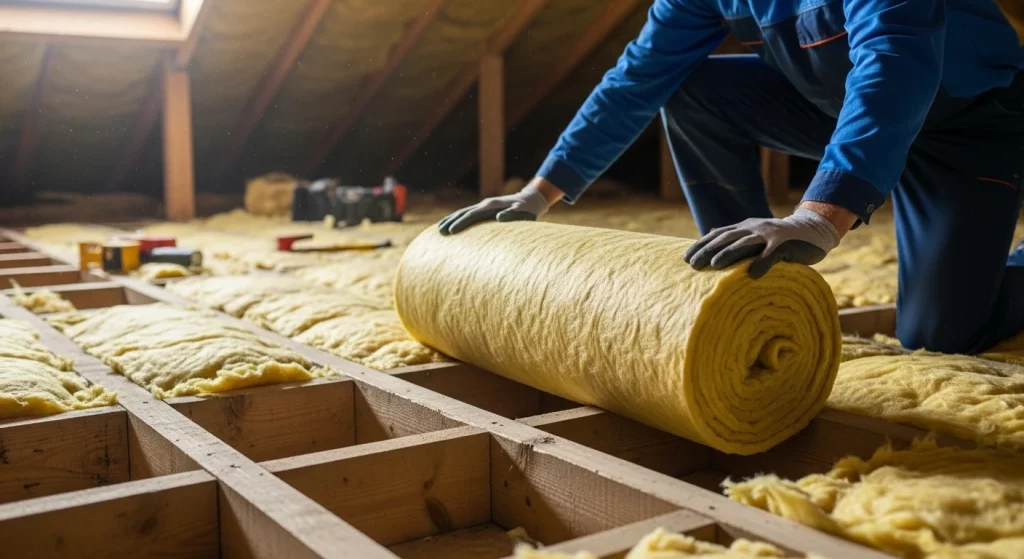
Certain situations absolutely require professional expertise:
Spray Foam Installation: This requires specialized equipment, training, and safety protocols. DIY attempts often result in uneven application, poor coverage, and health risks from chemical exposure.
Health Hazard Materials: Any insulation containing asbestos, mold, or significant pest contamination requires professional remediation. The health risks far outweigh any potential cost savings.
Complex Cavity Access: Walls with limited access, historical construction methods, or challenging architectural features demand professional expertise and equipment.
Code Compliance: Many jurisdictions require professional installation for insulation projects to meet building codes, especially for new construction or major renovations.
Moisture Problems: If your insulation failed due to water intrusion, professionals can identify and address the underlying moisture source before replacing materials.
The financial considerations extend beyond initial installation costs:
Here is the updated table with the pricing removed and replaced by Cost Comparison and ROI Analysis.
| Project Type | Cost Comparison | ROI Analysis | Time Investment |
|---|---|---|---|
| Attic Removal & Replacement | Low (DIY) to Moderate (Professional) | Very High: One of the fastest paybacks through significantly reduced heating/cooling bills. | 20-40 hours |
| Wall Insulation (accessible) | Moderate for both DIY and Professional | High: Eliminates drafts and stabilizes whole-home temperatures; consistent long-term savings. | 30-50 hours |
| Spray Foam Installation | Premium/High (Professional only) | High/Long-term: Superior air-sealing properties and structural benefits offer maximum efficiency over time. | N/A |
| Partial Removal (health hazards) | Significant/Specialized Professional | Safety-Focused: Critical for home health and preventing property devaluation; protects future renovation ROI. | N/A |
The return on investment for professional installation often exceeds the higher upfront costs. According to the North American Insulation Manufacturers Association, properly installed insulation can reduce energy bills by up to 20%, paying for itself in 3-5 years in many cases.
Key Takeaways:
Even well-planned insulation projects encounter unexpected challenges. Understanding these common issues and their solutions prepares you to handle problems without derailing your project timeline or budget.
Water and insulation rarely mix well, yet moisture problems represent one of the most frequent challenges in removal and replacement projects.
Detection Challenges: Hidden moisture often lurks behind apparently dry insulation surfaces. Before installing new materials, moisture meters help identify problematic areas. Infrared cameras can also reveal temperature differences, indicating moisture presence.
Solution Strategies: Address moisture sources before installing new insulation. Common culprits include roof leaks, plumbing failures, foundation water intrusion, and condensation from inadequate ventilation. Installing proper vapor barriers alongside insulation creates a more moisture-resistant system.
[Image: Moisture meter being used to check insulation for water damage]
Prevention Techniques: Proper ventilation systems prevent moisture accumulation. Ridge vents, soffit vents, and exhaust fans work together to maintain airflow while preventing moisture buildup. In crawl spaces, encapsulation systems combined with dehumidification create controlled environments.
Animals love making homes in insulation, but their presence creates health hazards and performance issues.
Health Risks: Rodent droppings can carry hantavirus, while insects like carpenter ants indicate structural damage. Nesting materials reduce insulation effectiveness and create fire hazards. Professional cleaning often becomes necessary rather than optional.
Removal Process: Heavily contaminated insulation requires specialized removal procedures. Commercial vacuums with HEPA filtration prevent airborne contamination. After removal, surface sanitization and sealing potential entry points prevent re-infestation.
Prevention Strategies: Metal flashing, wire mesh, and sealants block common pest entry points. Regular inspections catch early signs of pest activity before major damage occurs. Some homeowners choose pest-resistant insulation materials like spray foam, which doesn’t provide nesting material for rodents.
Older homes and unique architectural features often present installation challenges.
Limited Access: Historic plaster walls, finished interiors without access points, and tight attic spaces complicate installation. Professionals use specialized equipment like insulation blowers with flexible hoses and remote cameras to navigate difficult spaces.
Structural Integrity: Years of moisture exposure or pest damage can compromise structural elements hidden behind insulation. During removal projects, carefully inspect exposed framing, sheathing, and connections for damage that needs repair before new insulation installation.
Code Compliance: Building codes change over time, and older homes often don’t meet current insulation requirements. Local building departments can provide specific requirements for your area. Professional installers stay current with code changes and appropriate installation techniques.
Expert Tip: During insulation removal projects, photograph exposed wall cavities and structural elements. These documentation images become valuable references for future renovations or when selling your property, showing what’s hidden behind finished surfaces.
Installing new insulation represents a significant investment in your property. Maximizing its performance and longevity ensures you receive the full benefits for decades to come.
Insulation works best when combined with proper air sealing. The two strategies complement each other – insulation resists conductive heat flow, while air sealing prevents convective heat loss through gaps and cracks.
Critical Air Sealing Points: Focus on common leakage areas, including electrical boxes, plumbing penetrations, window and door framing, and top plates in wall cavities. According to research from Lawrence Berkeley National Laboratory, air sealing alone can reduce heating and cooling costs by 15%.
Best Practices: Use caulk for gaps less than 1/4 inch, expanding foam for larger gaps, and weatherstripping for movable components like windows and doors. Fire-rated materials must be used around flues and chimneys to maintain safety while sealing gaps.
Testing and Verification: Blower door tests measure your home’s air tightness before and after insulation projects, providing concrete evidence of improvement. Many professional insulation contractors offer this testing service to verify installation quality.
While preventing air leaks improves efficiency, your home still needs controlled ventilation for indoor air quality.
Moisture Control: Proper ventilation prevents moisture accumulation that can damage insulation and structural components. Bath fans, kitchen range hoods, and whole-house ventilation systems work together to manage indoor humidity levels.
Heat Recovery Systems: In extremely well-sealed homes, heat recovery ventilators (HRVs) or energy recovery ventilators (ERVs) exchange stale indoor air with fresh outdoor air while preserving up to 80% of the heating or cooling energy.
Insulation maintenance is minimal but important for long-term performance.
Regular Inspections: Annual visual checks of accessible insulation areas identify problems early. Look for compression from storage items, water stains, pest activity, or settling that creates gaps near edges.
Preventive Measures: Avoid storing items directly on top of attic insulation, which compresses material and reduces R-value. Ensure roof systems remain in good condition to prevent water intrusion that could damage insulation.
Performance Monitoring: Track energy bills year over year to detect gradual efficiency declines that may indicate insulation issues. Smart thermostats and energy monitoring systems provide detailed data that helps identify developing problems.
The insulation industry continues to evolve with new materials and technologies that promise better performance, sustainability, and easier installation. Understanding emerging trends helps you make future-proof decisions for your property.
Environmental considerations increasingly drive insulation innovation:
Recycled Content: Modern insulation increasingly incorporates post-consumer and post-industrial recycled materials. Cellulose insulation typically contains 80-85% recycled paper content, while some fiberglass products use up to 70% recycled glass.
Biobased Materials: New insulation options include materials made from agricultural waste, denim scraps, sheep wool, and mushroom-based foams. These renewable resources offer comparable performance to traditional materials with significantly lower embodied energy.
Carbon-Negative Insulation: Some emerging products actually sequester more carbon during production than they emit, making them carbon-negative building materials. While currently premium-priced options, they represent the future direction of sustainable construction.
Technology integration brings new capabilities to traditional insulation:
Phase Change Materials: These advanced materials absorb and release thermal energy at specific temperatures, helping maintain comfortable indoor conditions with less energy. They’re increasingly being integrated into conventional insulation products.
Integrated Sensors: Some insulation products now include embedded sensors that monitor moisture levels, temperature differentials, and settling over time. This real-time data helps homeowners optimize performance and detect problems early.
Responsive Insulation: Research continues on materials that can change their insulating properties based on temperature conditions, providing higher R-values when needed and lower values when heat gain is desirable.
How insulation gets installed continues evolving to improve quality and reduce costs:
Robotic Installation: Automated systems for applying spray foam and blowing insulation are becoming more common, improving consistency and reducing worker exposure to insulation materials.
Prefabricated Panels: Factory-built wall and roof panels with integrated insulation improve quality control while reducing on-site installation time and waste. These systems are increasingly common in new construction but have retrofit applications as well.
Virtual Reality Training: Professional insulation installers increasingly use VR systems to practice installation techniques and safety procedures, leading to better field performance and fewer errors.
Expert Tip: When choosing insulation for replacement projects, consider total lifecycle costs rather than just initial installation price. Premium materials with better durability and performance often provide better value over the insulation’s expected lifespan.
Understanding insulation removal and replacement transforms your property’s comfort and efficiency. You now have the knowledge to assess your current insulation, recognize warning signs, choose appropriate replacement materials, and decide between DIY and professional installation. This information empowers you to make decisions that protect your investment while creating a more comfortable living environment.
Remember that insulation works as part of an integrated system with air sealing, ventilation, and moisture control. The most successful projects address all these elements rather than focusing solely on R-values. Whether you’re tackling a small attic project or whole-house insulation replacement, planning and proper execution ensure lasting results.
Use this guide as a reference throughout your project journey. Each section contains specific details you might need at different stages, from initial assessment through material selection and final verification. Revisit relevant sections as questions arise during your project.
The investment in proper insulation pays dividends through energy savings, improved comfort, and increased property value. With the knowledge you’ve gained, you’re ready to move forward confidently with insulation improvements that will serve your home for decades to come.
For homeowners seeking professional assessment or installation services, Spray Foam Tech offers comprehensive insulation solutions backed by years of field experience. Their team handles everything from initial evaluation and material selection through professional installation and post-project verification. Contact them at (737) 777-9590 or email oldworldtx@hotmail.com to schedule a consultation and explore options for your specific property needs.
If your home was built before 1990 and has vermiculite insulation (looks like small gravel or pebbles), it might contain asbestos. The only way to know for sure is professional testing. Never disturb potentially contaminated materials yourself; asbestos fibers become dangerous when airborne. Professional asbestos abatement companies can safely take samples for laboratory analysis and handle removal if needed.
Sometimes, but it depends on the condition of existing insulation. If your current insulation is dry, uncompressed, free of mold or pests, and in decent condition, you can often add new material on top. However, if there are any moisture issues, pest contamination, or significant compression, complete removal is necessary before installation. Never install new insulation over wet or damaged materials.
Project duration varies based on scope, but most residential projects are completed in 1-3 days. Simple attic replacements might finish in a single day, while whole-house projects, including wall insulation, take 2-3 days. Complex projects with extensive remediation for water damage or pests can extend to a week or more. Professional contractors provide specific timelines during the bidding process.
Professional removal creates minimal disruption when done properly. Reputable contractors use containment systems with plastic sheeting, specialized vacuums with HEPA filtration, and careful cleanup procedures. While some dust and debris are inevitable, proper preparation prevents contamination of living areas. DIY projects often create more mess due to a lack of professional equipment and containment strategies.
The investment level depends on home size and material choice, with comprehensive replacements offering the most substantial long-term ROI. While premium options like spray foam require a higher initial cost than fiberglass, they provide superior efficiency and air sealing.
Permit requirements vary by jurisdiction and project scope. Generally, adding insulation to existing unconditioned spaces doesn’t require permits. However, projects involving structural modifications, electrical work, or changes to mechanical systems often require permits. Historic districts may have additional requirements. Always check with your local building department before starting major insulation projects.