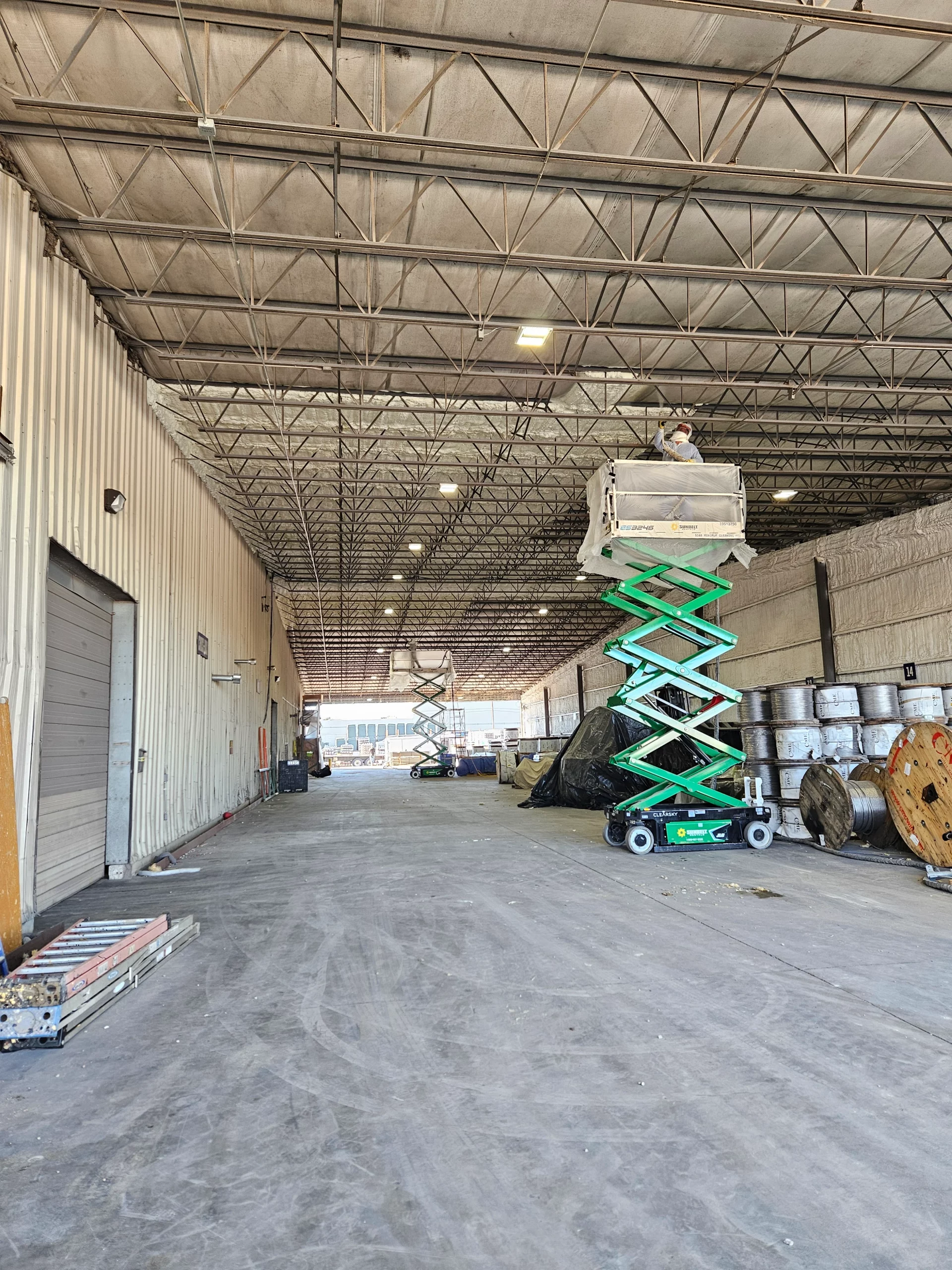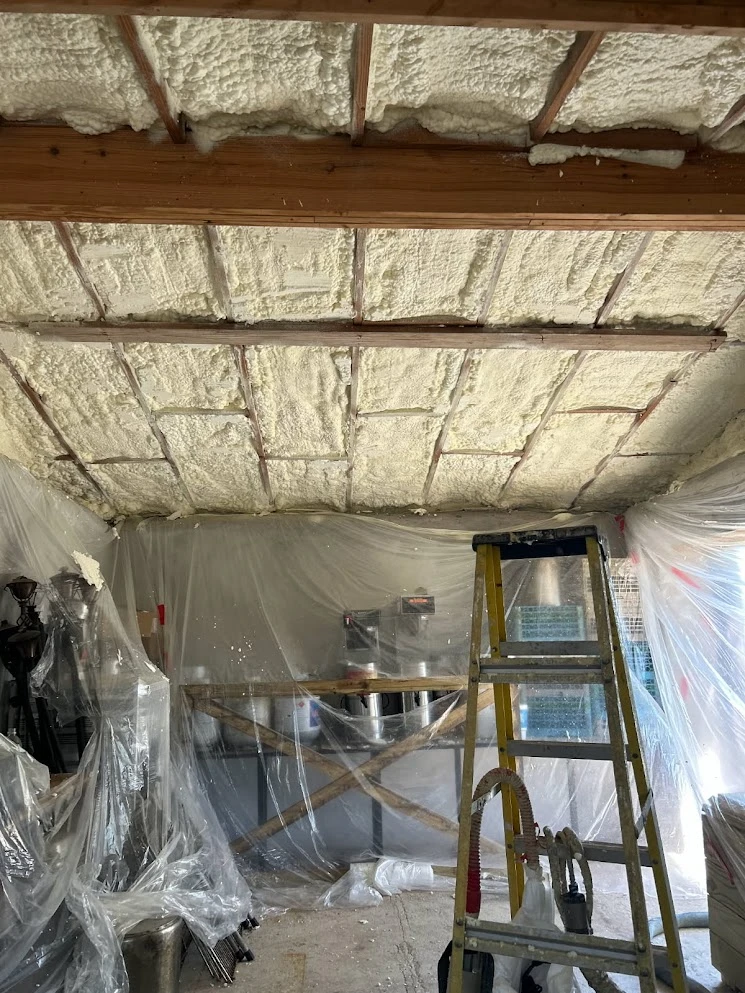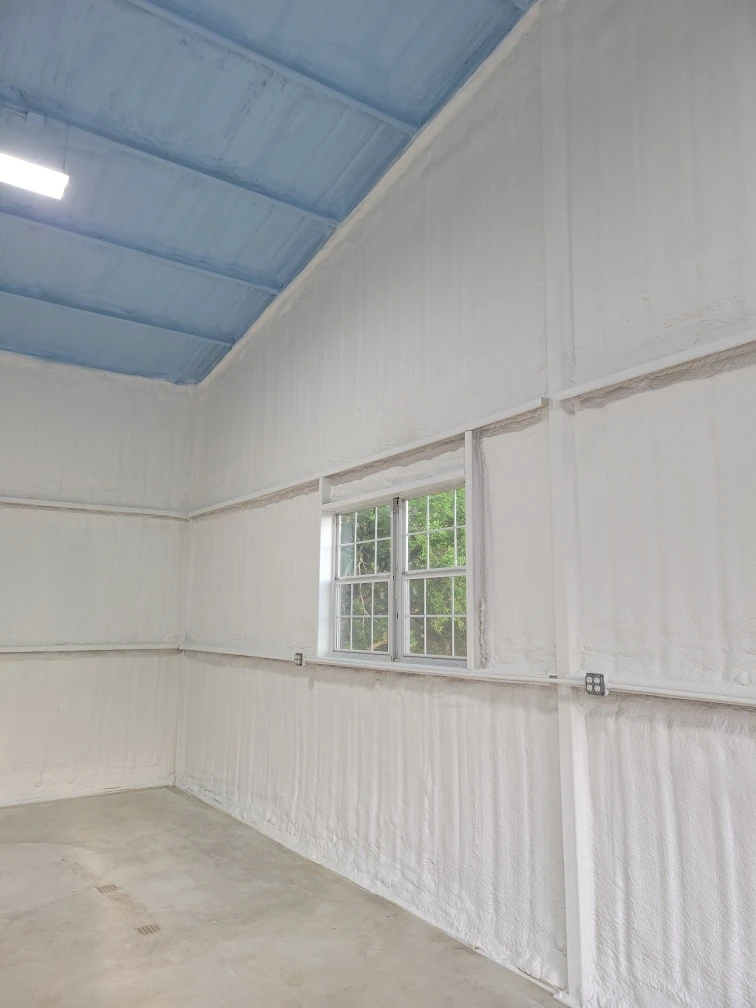
Closed-Cell Insulation Maintenance: Keeping It Efficient Over Time
Closed-cell insulation maintains its efficiency over time through regular visual inspections, promptly addressing minor damage, ensuring proper ventilation, and preventing…


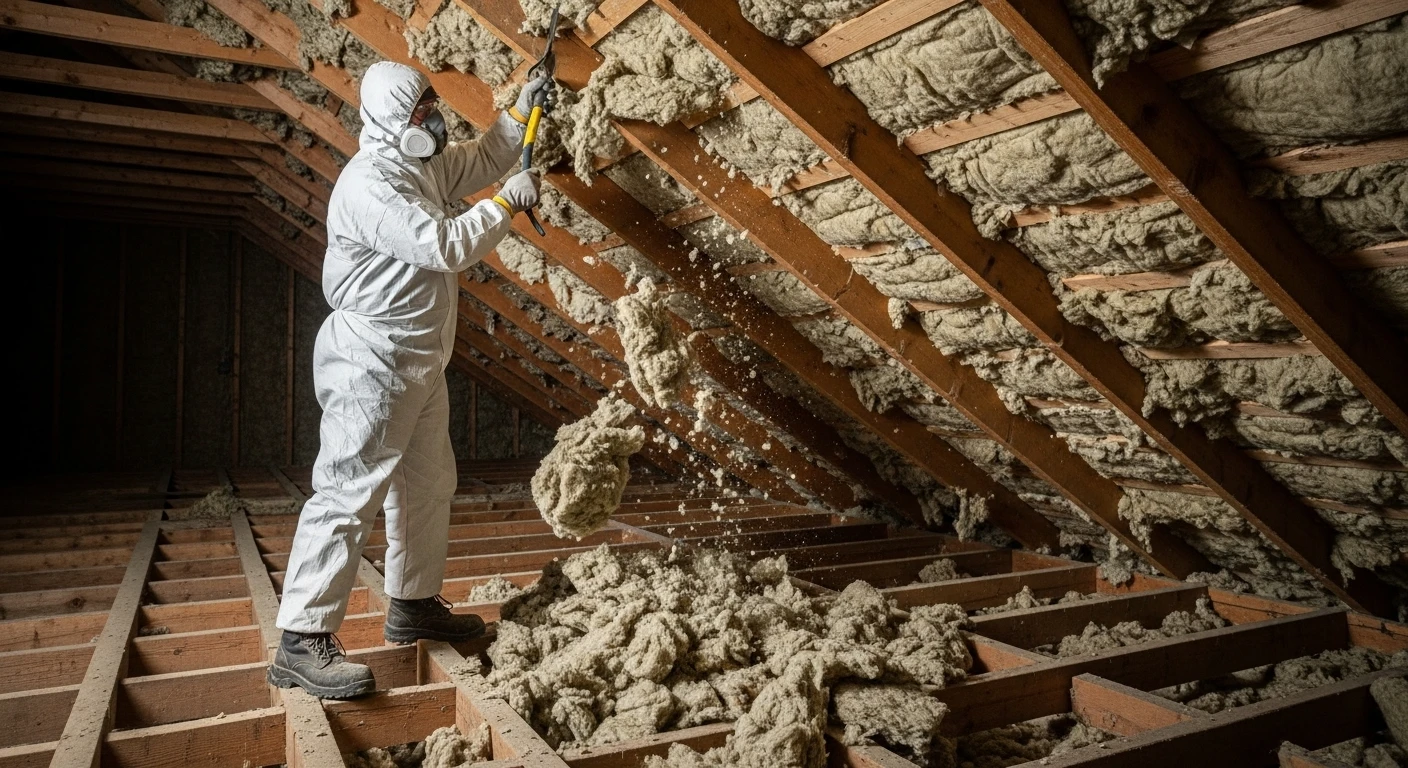
Removing damaged insulation creates a critical opportunity for a high-ROI energy upgrade. By replacing outdated materials with insulation that meets current standards, homeowners can achieve efficiency improvements of 15–35%, leading to a substantial and permanent reduction in monthly utility expenditures. The long-term financial benefits vary by climate and construction, but the transition to modern materials consistently delivers a strong return on investment by reducing HVAC demand.
Furthermore, this strategic upgrade enhances overall property value while extending the lifespan of your heating and cooling systems by reducing their daily workload. This ensures your investment pays for itself through sustained performance and improved structural durability. Spray Foam Tech provides the specialized expertise needed to maximize these efficiency gains, ensuring your home meets the 2026 peak performance standards.
Old insulation often fails to perform as originally intended due to moisture damage, pest activity, compression, or simply aging beyond its useful life. Fiberglass insulation can lose up to 50% of its R-value when it gets wet or compacted over time. Additionally, many homes built before the 1990s have insulation levels far below current building code requirements.
Health concerns also drive removal decisions. Mold growth in damp insulation can affect indoor air quality, and some older insulation materials contain substances now recognized as potentially harmful. Removing compromised insulation addresses both efficiency and health concerns simultaneously.
The type of replacement insulation significantly impacts potential energy savings. Modern materials offer superior performance compared to older options, and the choice depends on climate, budget, and home structure.
| Insulation Type | Typical R-value per inch | Expected Energy Savings | Lifespan (years) | Installation Cost |
|---|---|---|---|---|
| Closed-cell Spray Foam | 6.5-7.0 | 25-35% | 80+ | High |
| Open-cell Spray Foam | 3.5-4.0 | 20-30% | 50+ | Medium-High |
| Modern Fiberglass | 3.0-3.5 | 15-25% | 20-30 | Low-Medium |
| Cellulose | 3.2-3.8 | 18-28% | 20-30 | Low-Medium |
| Mineral Wool | 3.0-3.5 | 15-25% | 30+ | Medium |
Note: Energy savings percentages are based on replacing R-19 fiberglass insulation from the 1980s with modern equivalents in a typical 2,000-square-foot home in mixed climate zones.
Market data from the North American Insulation Manufacturers Association shows that proper insulation can reduce heating and cooling costs by up to 40% in some cases, making it one of the most cost-effective home improvements available.
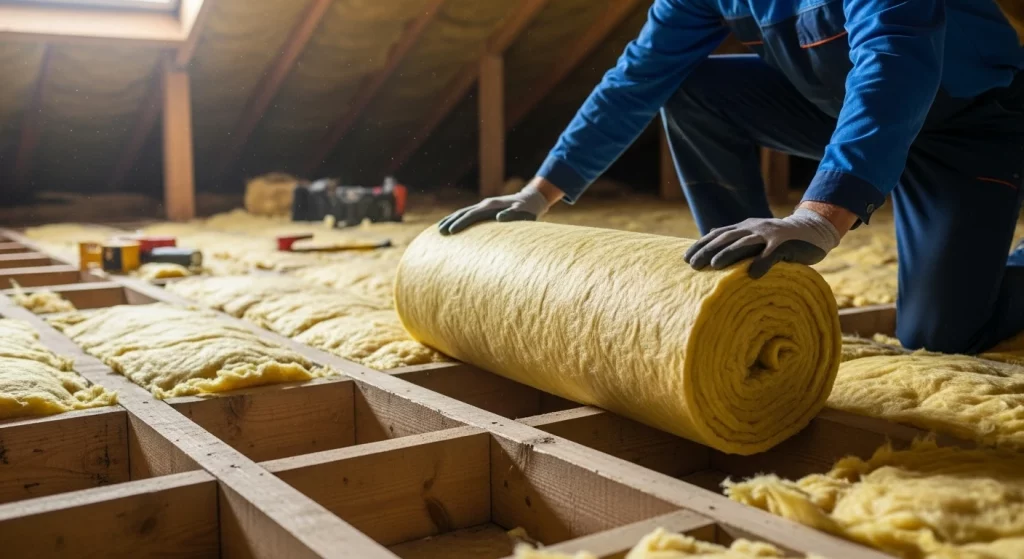
Several variables influence your actual energy savings after insulation replacement. Understanding these helps set realistic expectations for your specific situation.
Climate Zone plays a major role in determining insulation needs. Homes in extreme cold climates benefit most from high R-values, while moderate climates see diminishing returns beyond certain levels. The International Energy Conservation Code provides specific R-value recommendations for each climate zone.
Home Age and Construction affect what’s possible. Older homes with balloon framing or no vapor barriers present different challenges than modern construction. The condition of existing structures determines preparation needs and influences final performance.
Installation Quality often determines the difference between achieving expected savings or falling short. Poor installation can reduce effectiveness by up to 30%, according to research from the Lawrence Berkeley National Laboratory. Gaps, compression, and moisture issues significantly impact performance.
Before committing to insulation removal and replacement, evaluate these key factors:
Current Insulation Condition – Not all insulation needs to be removed. If existing materials are dry, undamaged, and meet minimum R-values, adding insulation rather than replacing might be more cost-effective.
Moisture Issues – Address any water infiltration problems before installing new insulation. Wet materials will compromise any new installation and lead to reduced performance and potential mold growth.
Air Sealing Needs – Insulation works best when combined with proper air sealing. Plan to address air leaks during the removal process for maximum efficiency gains.
Ventilation Requirements – Some insulation types, particularly spray foam, change attic ventilation needs. Ensure your replacement system maintains proper airflow in accordance with building codes.
Bonus Tip: Schedule energy audits before and after insulation projects to document actual efficiency improvements. This data is valuable for verifying ROI and can help qualify for rebates in some areas.
The insulation needs for homes vary significantly by region. What works in Florida differs substantially from requirements in Minnesota.
Hot-Humid Climates focus more on moisture control than thermal resistance. Open-cell spray foam often performs well here due to its moisture-permeable nature while still providing air sealing benefits. Proper ventilation remains critical to prevent moisture accumulation.
Cold Climates benefit from higher R-values and moisture-impermeable insulation. Closed-cell spray foam creates an effective vapor barrier in addition to thermal protection, making it ideal for northern regions. Cathedral ceilings and rim joists are particularly important areas to address.
Mixed Climates require balancing heating and cooling needs. Proper air sealing becomes especially important here, as eliminating drafts can improve both winter heating efficiency and summer cooling performance.
Bonus Tip: Check local utility rebates and tax credits before starting insulation projects. Many regions offer incentives for energy efficiency upgrades that can offset 10-30% of project costs.
Insulation removal represents a significant home improvement decision with tangible benefits when done correctly. The energy savings potential ranges from 15-35% depending on your specific situation, with payback periods typically under eight years. Success depends on addressing underlying issues like moisture and air leaks during the replacement process.
Before proceeding, assess your current insulation condition, climate needs, and budget constraints. Consider professional energy audits to establish baseline measurements and identify the most cost-effective improvements. The best results come from addressing insulation as part of a comprehensive building envelope strategy rather than as a standalone project.
For detailed evaluation of your insulation needs and expected efficiency gains, contact Spray Foam Tech at oldworldtx@hotmail.com or call (737) 777-9590. Professional assessment helps identify specific problem areas and calculates projected savings based on your home’s characteristics and local climate conditions. A thorough inspection determines whether removal and replacement will provide the best return on investment compared to other energy efficiency options.
Most homeowners recover their investment within 5-8 years through energy savings, assuming average utility rates and normal weather patterns. Higher energy costs or extreme climates can shorten payback periods to 3-5 years.
According to remodeling impact studies, attic insulation replacement typically returns 70-90% of the investment in increased home value, plus the ongoing energy savings. Proper documentation of R-value improvements provides tangible evidence for appraisers.
DIY removal is possible with fiberglass and cellulose using proper protective equipment, but spray foam requires specialized tools and expertise. Professional removal ensures complete material extraction and proper disposal, especially for older materials that may contain hazardous substances.
No, insulation replacement typically doesn’t trigger a property tax reassessment because it’s considered maintenance rather than new construction. However, some jurisdictions treat extensive energy efficiency upgrades differently, so local regulations should be checked.
Spring and fall offer ideal conditions – moderate temperatures minimize discomfort during installation and allow proper curing time for spray foam products. Winter projects can work with proper temperature controls, but may cost more.