Energy-Efficient Homes: Best Spray Foam Insulation in Pflugerville, TX
Direct Answer Choosing the right insulation services in Pflugerville depend on your specific energy goals, budget, and the areas you…


When it comes to addressing insulation issues, removal generally comes first when the existing insulation is damaged, contaminated, or significantly compromised. However, replacement can sometimes proceed without complete removal if the current insulation is still in decent condition and compatible with new materials. The decision depends on several factors, including the insulation’s age, condition, type, and any underlying issues that need to be addressed. This article breaks down the key considerations to help determine the right approach for your specific situation.
Based on years of hands-on experience with insulation projects, the choice between removal and replacement isn’t always straightforward. The wrong decision can lead to wasted money, continued energy inefficiency, or even health hazards. Understanding the specific conditions that require each approach will help ensure you make the most cost-effective and beneficial choice for your property.
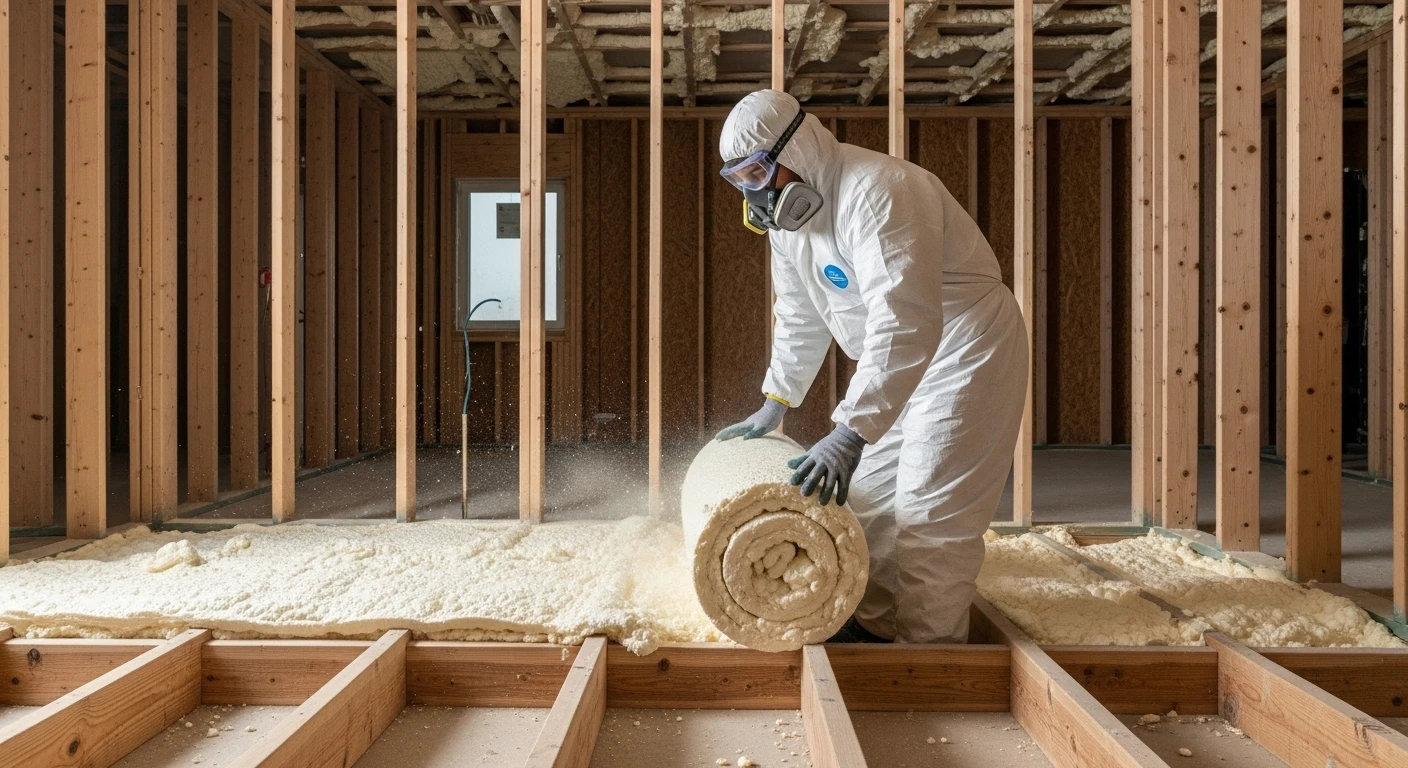
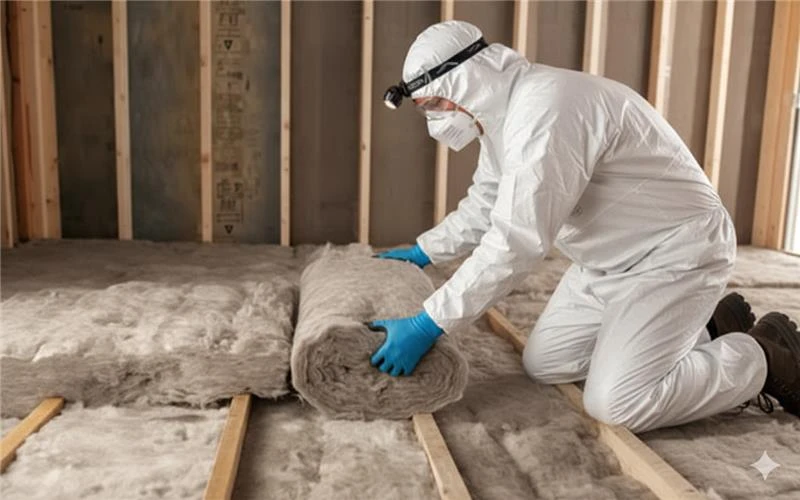
Insulation removal involves completely extracting existing insulation material from your attic, walls, or crawl spaces. This process is necessary when the insulation is beyond repair or poses health risks. Removal requires specialized equipment like high-powered vacuums and protective gear to safely handle contaminated materials.
Insulation replacement, on the other hand, refers to installing new insulation material. This can happen either after complete removal or, in some cases, by layering new insulation over existing material if it’s still functional. The replacement phase focuses on restoring or improving your home’s thermal performance and energy efficiency.
The cost difference between these processes is substantial. Complete removal can add 30-50% to your project costs compared to simply adding new insulation. According to industry data, the average cost for insulation removal ranges from $1 to $2 per square foot, while new insulation installation typically costs between $1.50 and $4 per square foot, depending on the material type.
Complete insulation removal is essential in several critical situations. Water damage tops the list – any insulation that has been exposed to moisture from roof leaks, plumbing issues, or flooding must be removed. Wet insulation loses its effectiveness and becomes a breeding ground for mold and mildew, which can spread throughout your home’s structure.
Pest infestations also warrant complete removal. Rodents, insects, and other pests can nest in insulation, leaving behind droppings, urine, and carcasses that create serious health hazards. According to the Centers for Disease Control and Prevention, rodent-contaminated insulation can spread hantavirus and other dangerous diseases.
Fire damage requires immediate removal regardless of how minor the fire might seem. Smoke particles and chemicals penetrate deep into insulation fibers, creating persistent odors and potential health risks. Even after small electrical fires, insulation materials may have melted or chemically changed, compromising their effectiveness.
Bonus Tip: Before committing to complete removal, check local regulations. Some areas classify certain types of insulation materials (especially older varieties) as hazardous waste, requiring special disposal methods that can increase project costs significantly.
In some cases, you can skip removal and proceed directly with adding new insulation. If your existing insulation is dry, clean, and still retains some of its insulating properties, layering new material on top can be a cost-effective solution. This approach works particularly well with loose-fill fiberglass or cellulose insulation that has settled over time but remains uncontaminated.
The key is ensuring the existing insulation doesn’t create gaps or compression issues. For example, adding dense-packed cellulose over existing batt insulation can fill gaps and improve overall R-value. However, compression problems can occur if you add heavy materials over lightweight ones, reducing rather than improving insulation performance.
A study by the Lawrence Berkeley National Laboratory found that simply adding insulation over existing materials in attics can reduce heating and cooling costs by an average of 15%, assuming the underlying insulation is in decent condition.
Climate plays a significant role in determining whether removal or replacement is appropriate. In humid regions like the Southeast, moisture problems are more prevalent, making removal more often necessary. The combination of high humidity and warm temperatures creates ideal conditions for mold growth in compromised insulation.
In cold climate zones, the priority shifts to preventing heat loss. Here, adding insulation layers without removal might make more sense if existing materials are dry but insufficient for local energy codes. Northern regions typically require higher R-values, often necessitating additional insulation regardless of the existing material’s condition.
Spray Foam Tech has found that properties in mixed climates face unique challenges, where both heating and cooling efficiency matter equally. In these areas, the decision often comes down to the specific condition of existing insulation rather than climate-driven priorities.
| Factor | Removal Needed | Replacement Only | Impact on Decision |
|---|---|---|---|
| Insulation Age | Over 15-20 years | Under 15 years | Age affects R-value and material integrity |
| Moisture Damage | Present | Absent | Water damage requires removal for health reasons |
| Pest Activity | Evidence present | Clean | Pests create contamination requiring removal |
| R-Value Deficiency | – | Major factor | Low R-value might only need additional material |
| Budget Constraints | Higher cost | Lower cost | Cost often determines the approach |
| Local Building Codes | May require | May allow | Codes might dictate minimum standards |
Energy efficiency goals should guide your decision. If you’re planning a major energy upgrade and want maximum performance, complete removal followed by modern insulation installation typically delivers the best results. Modern materials like spray foam insulation provide superior air sealing alongside insulation value, something retrofitted solutions can’t always match.
Health considerations are non-negotiable. Any signs of mold, pest droppings, or unusual odors should trigger immediate removal rather than attempting to work around compromised materials. The Environmental Protection Agency provides guidelines for safe insulation removal when contamination is present.
Bonus Tip: Consider your long-term plans for the property. If you’re planning to sell soon, a complete insulation overhaul with documentation of removal and replacement can add significant market value and serve as a selling point for energy-conscious buyers.
Bonus Tip: Always get multiple inspections before deciding on removal. One professional might recommend complete removal, while another might suggest a less expensive alternative. Different companies sometimes have varying approaches to the same situation.
The choice between insulation removal and replacement hinges on your specific situation. Start with a thorough inspection to assess the current insulation’s condition, checking for moisture, pest activity, and overall integrity. Consider your climate zone, energy goals, and budget constraints. If the existing material is clean, dry, and functional, adding new insulation might suffice. When contamination, damage, or age-related deterioration is present, complete removal before replacement ensures the best long-term performance and indoor air quality. Always prioritize health and safety over short-term cost savings – compromised insulation can create problems far more expensive than the initial removal investment.
Determining whether your insulation needs complete removal or simply additional layers requires expert assessment. Spray Foam Tech offers comprehensive insulation evaluations to help you make informed decisions based on your property’s specific needs. For personalized guidance about insulation removal versus replacement options, contact the team at oldworldtx@hotmail.com or call (737) 777-9590 to schedule a thorough inspection and detailed recommendation tailored to your situation.
Visible water stains, pest droppings, unusual odors, or visible mold growth indicate removal is necessary. Also, if your insulation is very old (pre-1980s), it might contain materials that should be professionally removed due to potential health concerns.
Yes, you can install loose-fill insulation over existing fiberglass batts if they’re dry and in good condition. However, avoid placing batt insulation over loose-fill as this can create compression gaps that reduce overall effectiveness.
Most residential attic insulation removal projects take 4-8 hours for an average-sized home. The process moves quickly with professional equipment, though additional time may be needed for cleanup or if complications arise.
Spray foam provides superior air sealing and insulation, reducing energy costs by 30-50% compared to traditional materials. The higher initial cost often pays for itself within 5-7 years through energy savings.
Yes, it’s typically best to remove insulation before roof replacement, especially if the roof has had leaks. This prevents moisture from trapping between layers and allows inspection of the roof deck for any damage that needs repair.