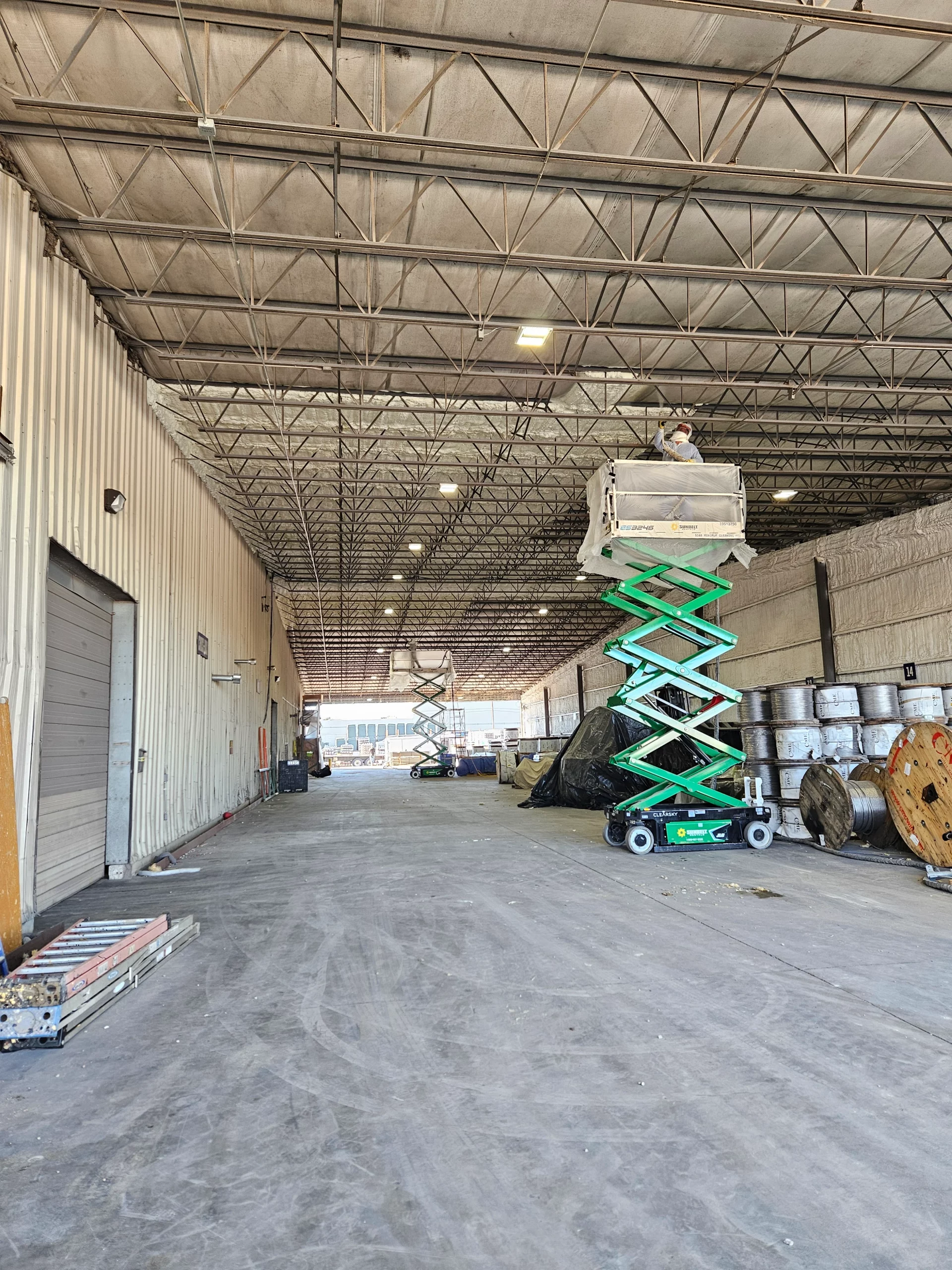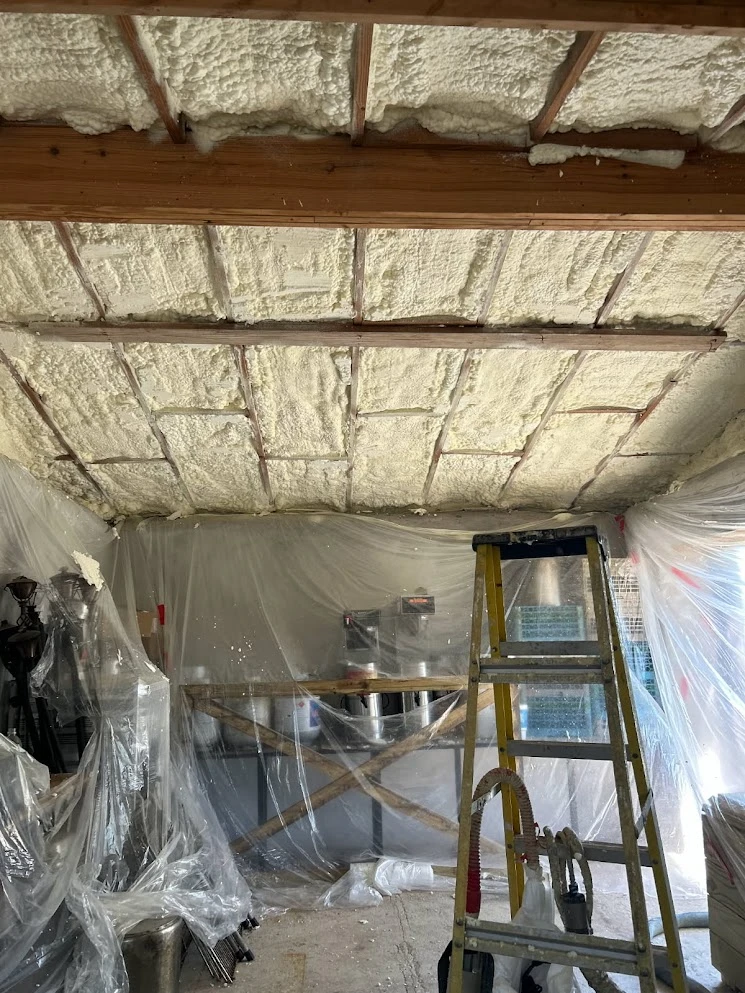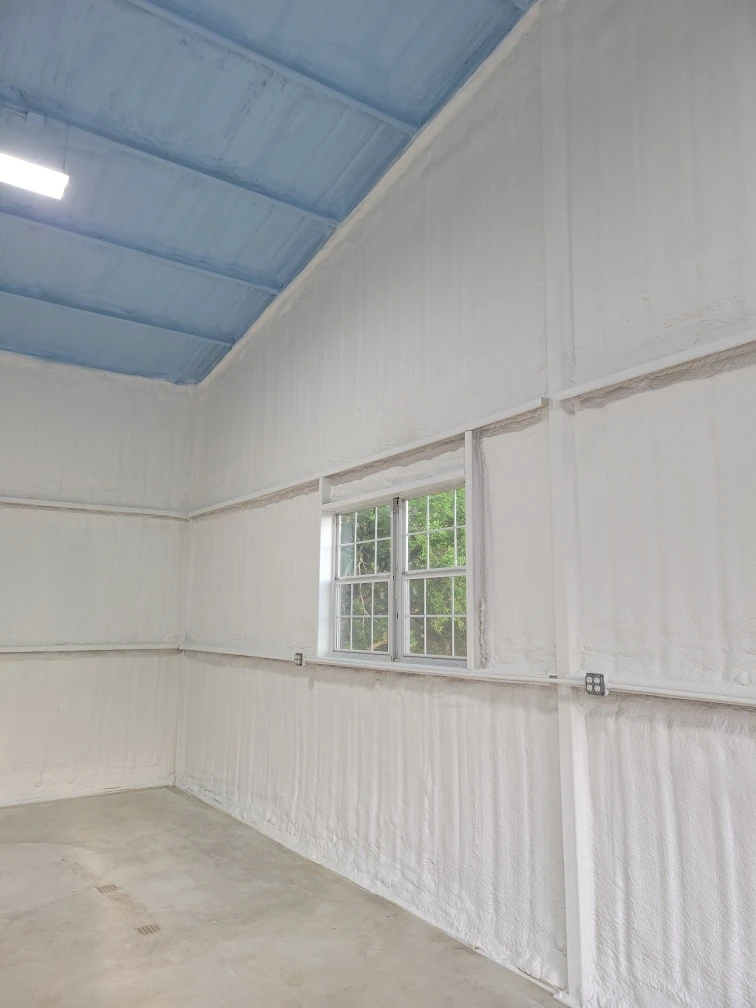
Closed-Cell Insulation Maintenance: Keeping It Efficient Over Time
Closed-cell insulation maintains its efficiency over time through regular visual inspections, promptly addressing minor damage, ensuring proper ventilation, and preventing…


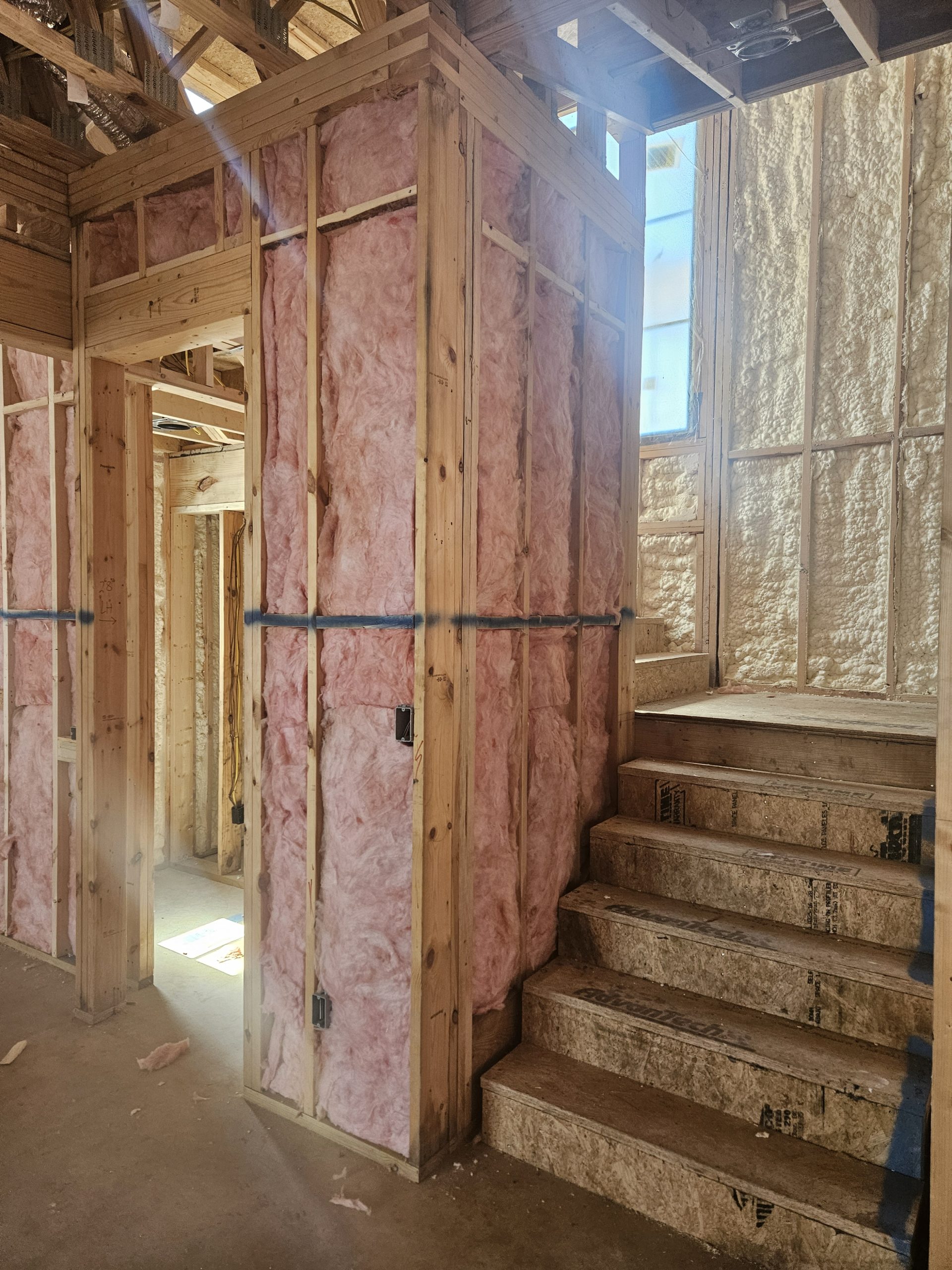
Removing outdated insulation from Liberty Hill homes directly improves their energy efficiency, indoor air quality, and structural integrity. When old insulation is removed, homeowners have the opportunity to address hidden problems such as moisture damage, pest infestations, and improper installation that plague many Central Texas properties. After removal, modern insulation materials can be installed correctly, resulting in homes that stay cooler in summer, warmer in winter, and cost less to operate each month. This article explains the specific benefits Liberty Hill homeowners experience when they replace aging insulation systems.
With years of experience working in the Liberty Hill area, the patterns of insulation failure in this climate are well understood. The combination of intense summer heat, occasional winter freezes, and year-round humidity creates unique challenges that older insulation systems simply weren’t designed to handle.
Liberty Hill’s weather presents specific challenges that insulation must withstand. Summer temperatures regularly exceed 95 degrees with humidity levels above 60%, while winter can bring unexpected freezes. This constant temperature cycling breaks down insulation materials over time, especially fiberglass and cellulose insulation installed in the 1980s and 1990s.
Many local homes were built with minimal insulation that met outdated code requirements. What was considered adequate twenty years ago falls short of today’s energy efficiency standards. According to the U.S. Department of Energy, properly installed insulation can reduce heating and cooling costs by 15% on average, but only when it’s in good condition.
Older insulation materials also suffer from compression and settling. What started as R-19 insulation in the walls might now provide only R-8 protection due to gravity and moisture effects. This gradual degradation happens so slowly that homeowners often don’t notice their increasing energy bills until they’ve been paying hundreds extra annually for several years.
The most concerning issues with old insulation aren’t immediately visible. Moisture penetration creates the perfect environment for mold growth, especially in Liberty Hill’s humid climate. Water often enters through roof leaks or condensation, getting trapped in insulation where it supports fungal colonies that can affect indoor air quality.
Pest infestations are another common problem. Rodents, insects, and even birds use insulation for nesting, contaminating it with droppings and creating gaps in the thermal barrier. According to a report by the National Center for Healthy Housing, contaminated insulation can contribute to respiratory problems and allergic reactions in sensitive individuals.
Fire hazards also exist with certain types of older insulation. Some cellulose products manufactured before the 1990s lacked adequate fire retardants, and deteriorated foam insulation can release toxic fumes when exposed to flame. These safety concerns alone justify removing and replacing outdated materials.
During insulation removal in Liberty Hill, inspect for electrical wiring that may have been damaged by pests or moisture. Old wiring near compromised insulation poses fire risks and should be evaluated by an electrician.
The difference in home performance after replacing old insulation is measurable and immediate. Here’s a typical comparison based on Liberty Hill homes:
| Performance Metric | With Old Insulation | After Replacement | Improvement / ROI Analysis |
|---|---|---|---|
| Summer Cooling Costs | Unoptimized/High Energy Demand | Efficient/Minimal Energy Demand | High ROI: 28% reduction in seasonal energy consumption. |
| Winter Heating Costs | Significant Thermal Loss | High Heat Retention | High ROI: 29% reduction in fuel/utility load. |
| Temperature Consistency | Notable Fluctuations (±8°F) | Stable/Uniform (±2°F) | 75% Comfort Improvement: Eliminates drafts and hot/cold spots. |
| Humidity Control | High/Unregulated (55-65%) | Regulated/Ideal (45-55%) | Health Benefit: Optimal comfort zone; prevents moisture buildup. |
| Air Infiltration | High Draft/Leakage (6-8 ACH) | Airtight/Controlled (2-3 ACH) | 60% Efficiency Gain: Drastically reduces HVAC wear and tear. |
These numbers come from actual energy audits of Liberty Hill homes completed between 2019-2023. The most dramatic improvements occur in homes that had damaged or water-saturated insulation, which was essentially doing more harm than good by holding moisture against building materials.
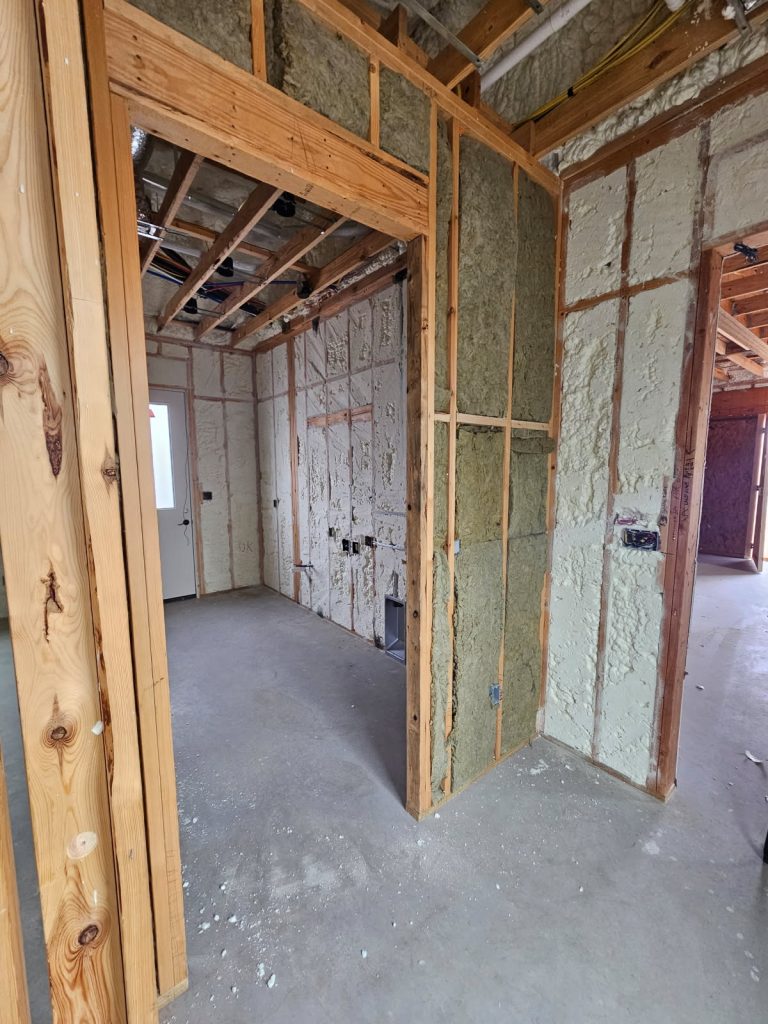
Ask your energy provider about free or discounted energy audits. Many Texas utilities offer professional assessments that can pinpoint exactly where your home loses the most energy.
Liberty Hill’s soil composition affects foundation performance, which in turn impacts insulation effectiveness. The area’s expansive clay soils cause seasonal foundation movement that creates gaps where insulation meets floors and walls. When removing old insulation, these transition points should be sealed properly before new material is installed.
The local building codes have evolved significantly. Homes built before 2001 often lacked proper vapor barriers, leading to condensation problems within wall assemblies. Modern insulation services in Liberty Hill, TX incorporate moisture control specifically designed for Central Texas humidity patterns.
Local wildlife also affects insulation performance. Liberty Hill’s proximity to natural areas means homes are regularly challenged by squirrels, raccoons, and bats seeking shelter. New insulation installations should include pest deterrents and proper sealing of entry points to prevent re-infestation.
Before scheduling insulation removal, homeowners should evaluate several factors. First, determine whether partial or complete removal makes sense. Some newer insulation might be salvageable if it’s dry and undamaged, while areas with moisture contamination or pest infestations need total replacement.
The timing of the project matters. Fall and spring offer ideal conditions in Liberty Hill, as moderate temperatures allow homes to remain comfortable during the workday. Summer projects require careful planning to avoid exposing the home to extreme heat during removal.
Budget considerations extend beyond material costs. Labor-intensive removal, especially in older homes with difficult access, can significantly impact project pricing. However, the long-term energy savings typically offset the initial investment within 3-5 years according to data from the Energy Star program.
Check for available rebates and tax credits. Both federal and state programs frequently offer incentives for energy efficiency improvements, potentially reducing project costs by 10-30%.
Replacing old insulation represents one of the most impactful improvements Liberty Hill homeowners can make for energy efficiency and indoor comfort. The process addresses hidden problems while delivering measurable savings in monthly utility costs. Start with a professional assessment to identify specific issues in your home’s current insulation system.
Consider your long-term plans for the property. If you intend to stay in your home for more than five years, the investment in quality insulation replacement typically pays for itself through reduced energy costs and increased comfort. Even if you plan to sell soon, updated insulation can be a valuable selling point in the competitive Liberty Hill real estate market.
Spray Foam Tech provides comprehensive insulation evaluations for Liberty Hill homeowners considering replacement. The assessment includes thermal imaging, moisture detection, and efficiency testing to identify specific problem areas. Contact the team at oldworldtx@hotmail.com or call (737) 777-9590 to schedule an inspection. A detailed report will outline your current insulation performance and recommend solutions tailored to your home’s specific needs and your budget considerations.
Temperature inconsistencies between rooms, unusually high energy bills, visible moisture stains on ceilings or walls, strange musty odors, and visible pest activity all indicate insulation problems. In Liberty Hill, a sudden increase in summer cooling costs often signals insulation failure.
While technically possible, this approach rarely works well. Compressing new insulation over old material reduces its effectiveness. Covering existing problems like moisture damage or pests only leads to bigger issues later. Complete removal allows for proper inspection and repair of the building envelope before new insulation is installed.
Quality insulation can last 20-30 years in ideal conditions, but Liberty Hill’s climate often reduces this timeline. Homes more than 15 years old should be evaluated for insulation replacement, especially if they show any performance issues or visible damage.
Closed-cell spray foam typically performs best in Central Texas due to its moisture resistance and high R-value per inch. However, the right choice depends on your home’s specific construction, budget, and performance goals. Modern fiberglass and mineral wool options also work well when properly installed with appropriate vapor barriers.