Spray Foam Roofing vs Silicone Roof Coatings: What’s the Real Difference?
Direct Answer The fundamental difference between spray foam roofing and silicone roof coatings lies in how they address roof problems…

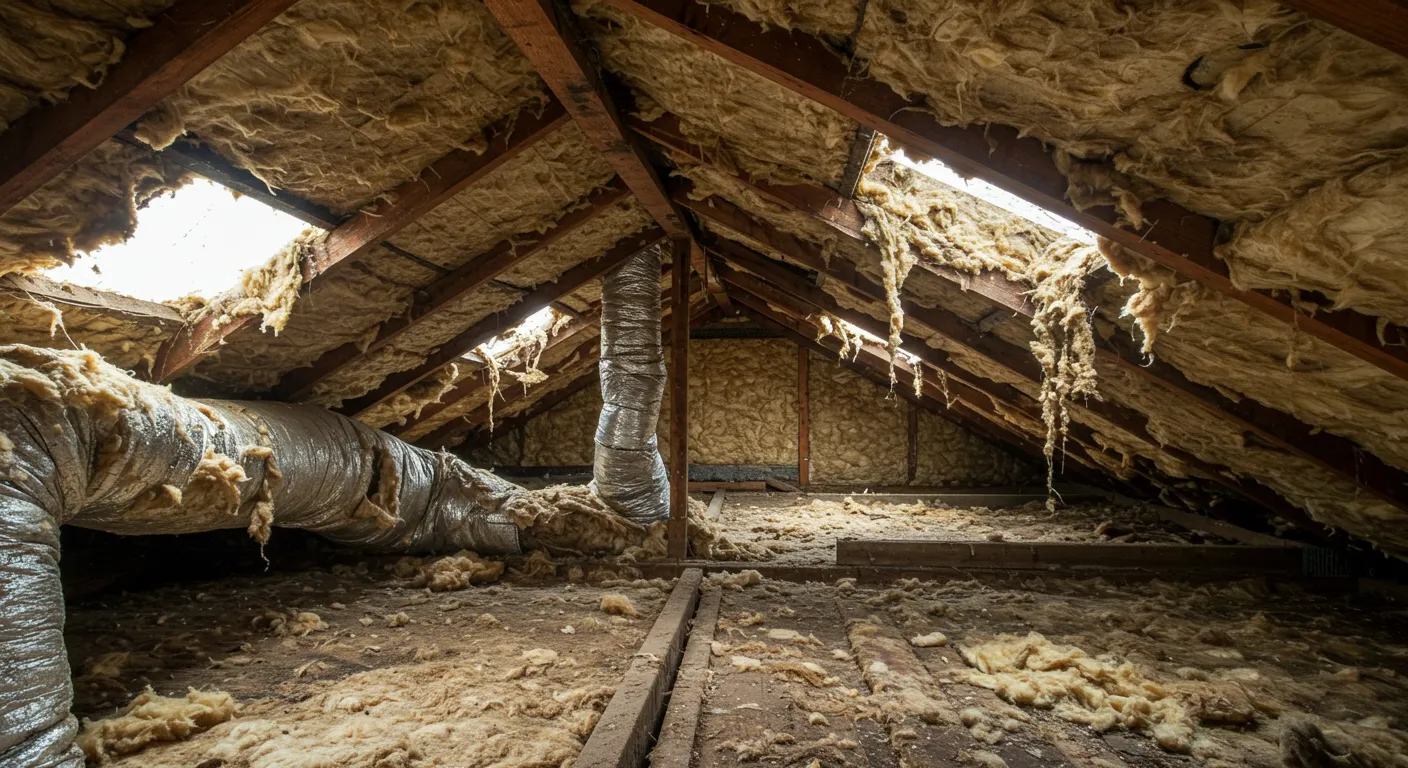
Removing old insulation is safer than keeping it in Lakeway, TX, because degraded insulation harbors mold, pests, allergens, and reduced fire resistance that compromise both health and home structural integrity. In Texas’s humid climate, old insulation absorbs moisture, creates breeding grounds for harmful microorganisms, and can become a fire hazard as it settles and degrades. Professional removal eliminates these risks while allowing installation of modern, high-performance insulation that improves energy efficiency and indoor air quality for years to come.
Lakeway homeowners often overlook the condition of their insulation, assuming that once installed, it continues performing effectively indefinitely. This assumption can prove costly in multiple ways, from escalating energy bills to serious health concerns that develop gradually over time.
The average home insulation lasts 20-30 years, but its performance degrades significantly earlier due to factors specific to Central Texas weather patterns. The U.S. Department of Energy notes that insulation settles, absorbs moisture, and loses effectiveness much faster in humid climates than in dry regions. This degradation happens invisibly, often hidden behind walls and in attic spaces where problems go unnoticed until they become serious.
Our team at Spray Foam Tech has encountered numerous homes with spray foam insulation in Lakeway that appeared adequate during visual inspection but proved to be compromised when properly assessed. These experiences confirm what building science research consistently demonstrates: old insulation poses genuine risks that justify professional removal and replacement.
The health implications of aging insulation extend far beyond reduced thermal performance. As insulation materials break down, they create environments conducive to mold growth, pest infestations, and particle release that affect indoor air quality throughout the home.
When old insulation absorbs moisture from humidity, leaks, or condensation, it creates ideal conditions for mold and mildew proliferation. The Centers for Disease Control and Prevention warns that mold exposure can trigger allergic reactions, asthma attacks, and respiratory infections, particularly in children, elderly residents, and those with compromised immune systems. In Lakeway’s humid climate, this risk increases significantly during summer months when outdoor humidity regularly exceeds 80%.
Mold growth in insulation often goes undetected until visible signs appear on walls or ceilings, by which point the problem has likely spread extensively throughout the insulation material. Simply cleaning surface mold without removing the contaminated insulation provides only temporary relief, as mold roots penetrate deep into the material and recur repeatedly.
Old insulation frequently becomes a habitat for pests, including rodents, insects, and birds that nest in the warm, protected environment of attic and wall spaces. The National Pest Management Association reports that pest infestations in homes often concentrate in insulation areas, where droppings, nesting materials, and dead pests create serious health hazards.
Rodent droppings in insulation can transmit hantavirus and other serious diseases, while insect infestations may include destructive species like termites that cause structural damage extending far beyond the insulation itself. Removing old insulation eliminates these pest habitats and allows professional treatment of affected areas before new insulation installation.
As insulation ages and degrades, it releases particles and fibers into the home’s air supply. Fiberglass insulation breaks down into microscopic fibers that become airborne when disturbed, and these particles can lodge in the lungs and cause respiratory irritation. The American Lung Association notes that indoor air quality significantly impacts long-term respiratory health, making insulation condition an important consideration for health-conscious homeowners.
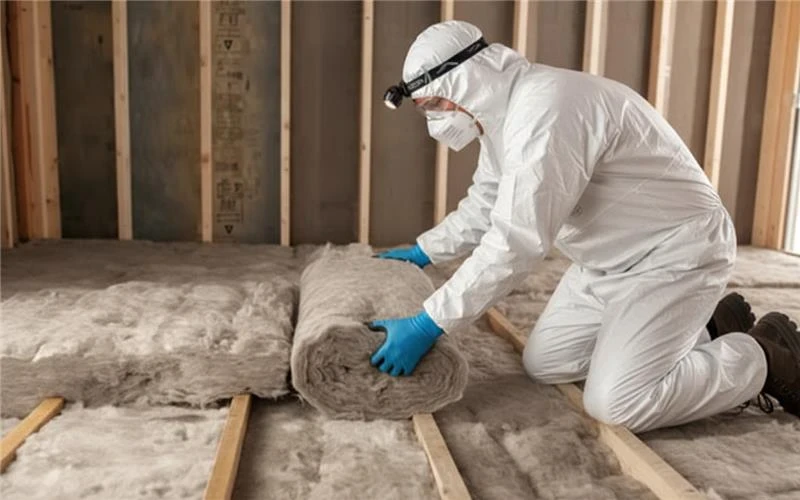
Different insulation materials in Lakeway, TX present distinct challenges when they age and degrade. Understanding these differences helps homeowners recognize why professional removal matters.
Fiberglass insulation remains one of the most common materials in homes built before 2000. While effective when properly installed, fiberglass settles over time, compressing and reducing its R-value significantly. Settled insulation leaves gaps and cold spots that compromise energy efficiency and allow moisture accumulation.
Additionally, older fiberglass products sometimes contained asbestos in their binding materials, particularly those manufactured before 1990. Disturbing this insulation without proper safety protocols can release harmful asbestos fibers. Professional removal teams know how to identify and safely handle potentially hazardous materials.
Cellulose insulation, made from recycled paper products, offers good thermal performance but degrades faster than modern alternatives when exposed to moisture. Once cellulose becomes wet, it compresses, loses R-value, and becomes susceptible to mold growth that can spread throughout the material.
Cellulose also attracts pests more readily than other insulation types, as the paper-based material provides a food source and nesting material for rodents and insects. Once pest infestations establish in cellulose, complete removal and replacement become necessary to eliminate the problem.
While spray foam generally performs well over long periods, older formulations or improperly installed applications can fail. Spray foam that was mixed incorrectly or applied in inadequate conditions may not cure properly, leading to crumbling, particle release, and reduced performance. Removing failed spray foam requires specialized equipment and expertise that general contractors typically lack.
| Factor | Removing Old Insulation | Keeping Old Insulation |
|---|---|---|
| Initial Cost | $1,500-$4,500 | $0 upfront |
| Energy Savings | 20-40% reduction in bills | Minimal or none |
| Health Risks | Eliminated | Ongoing exposure |
| Indoor Air Quality | Improved significantly | Remains compromised |
| Long-Term Investment | Pays back in 5-8 years | Costs more in utilities |
| Pest Prevention | Complete solution | Ongoing problems |
| Home Value | Increased | May decrease |
| Warranty Coverage | Full new warranty | None on the old insulation |
Safe and effective old insulation removal requires more than simply tearing out materials. Our professional process ensures thorough remediation while protecting your home and family.
Before any removal begins, our team conducts a comprehensive assessment of the existing insulation, identifying material types, condition, and any hazardous materials requiring special handling. This evaluation also reveals underlying issues like moisture damage, pest activity, or ventilation problems that must be addressed during the replacement process.
Professional removal involves establishing containment barriers that prevent dust, particles, and contaminants from spreading to living areas during the process. Our technicians wear appropriate protective equipment and follow Occupational Safety and Health Administration guidelines for safe handling of potentially hazardous materials. This level of caution protects both our workers and your household throughout the removal process.
Once old insulation is removed, we clean the affected areas thoroughly, removing all debris, droppings, and contaminated materials. This cleaning extends to ductwork, ventilation systems, and structural elements that may have been affected. We then treat areas with mold prevention solutions and pest deterrents as needed before installing new insulation.
Certain signs indicate that insulation removal and replacement provide better value than attempting to work with existing materials.
Our experienced team can assess your specific situation and recommend whether removal and replacement make sense for your home.
Modern insulation materials and installation techniques deliver performance that old materials simply cannot match. Spray foam insulation, for example, provides both thermal resistance and air sealing in a single application, eliminating the gaps and settling issues that plague traditional materials.
The U.S. Department of Energy notes that air leakage accounts for 25-40% of energy loss in typical homes, making air sealing as important as thermal resistance. Spray foam addresses both issues simultaneously, providing superior performance that homeowners experience immediately through improved comfort and reduced utility bills.
The Harvard School of Public Health has conducted research demonstrating that improved indoor air quality through proper insulation and ventilation significantly reduces respiratory issues and improves overall health outcomes for household members.
Investing in proper removal and replacement of old insulation protects your family’s health, improves your home’s energy efficiency, and adds value to your property. While the upfront cost requires commitment, the long-term benefits far outweigh the initial investment for most Lakeway homeowners.
Old insulation poses hidden dangers that compromise your family’s health, comfort, and wallet. Rather than continuing to live with degraded materials that reduce your home’s performance, consider the significant benefits of professional removal and modern replacement insulation.
Our team at Spray Foam Tech specializes in safe, efficient insulation removal and replacement throughout the Lakeway area. We bring years of experience, proper equipment, and commitment to quality that ensures your project is completed successfully with lasting results. Our technicians understand Central Texas climate challenges and recommend solutions tailored to local conditions.
Don’t let old insulation continue affecting your home’s comfort and your family’s health. Contact us today to schedule a professional assessment and learn about your insulation upgrade options.
Let our experts evaluate your situation and recommend the safest, most effective solution. We provide detailed estimates with transparent pricing and explain all options in terms you can understand.
Contact us today at (737) 777-9590 or email oldworldtx@hotmail.com
A: Signs you need removal include visible mold, pest activity, musty odors, increased energy bills, and insulation that appears compressed or damaged. A professional assessment provides definitive guidance.
A: For most projects, you can remain in your home during removal. We establish proper containment to minimize dust and particles, though some homeowners prefer to be away during the most intensive removal phases.
A: Most residential projects are completed within 1-3 days, depending on the size of the area and the complexity of the removal. We provide specific timelines during your assessment.
A: Removal costs $1,500-$4,500, depending on scope, while adding over old material may seem cheaper initially, but it provides inferior results and voided warranties. Professional removal proves more cost-effective long-term.
A: DIY removal is possible but risky. Improper handling can release hazardous particles, disturb pest infestations, and damage structural elements. Professional removal ensures safe, thorough remediation that protects your investment.