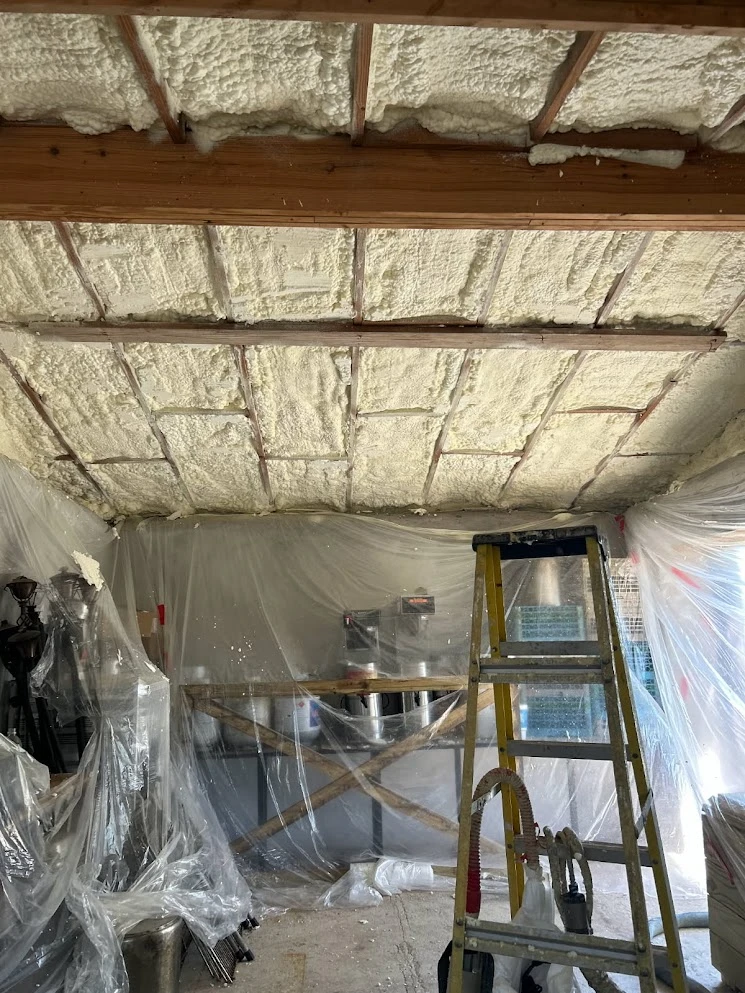
Open-Cell vs. Closed-Cell Foam: Which Is Best for Your Attic?
The choice between open-cell and closed-cell foam for attic insulation depends on your climate, budget, and specific performance needs. Closed-cell…

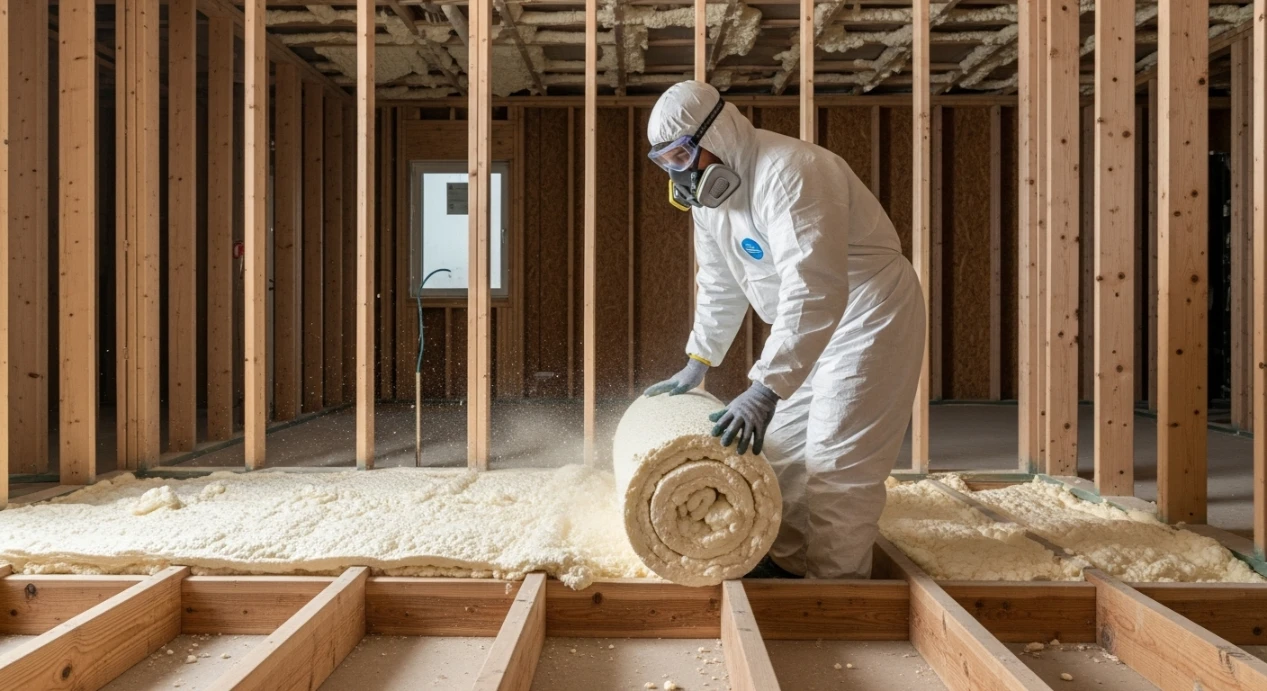
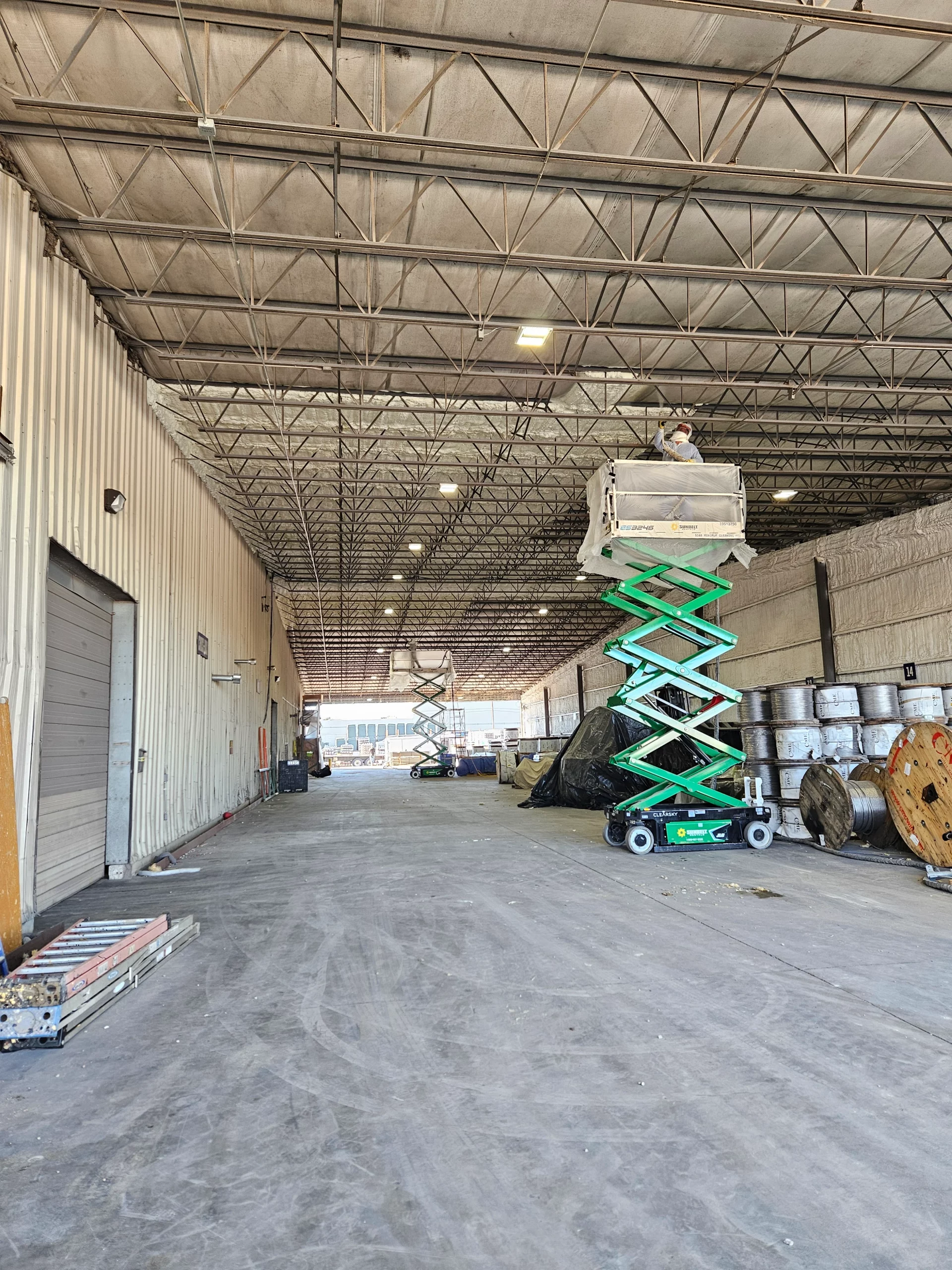
Professional insulation removal is fundamentally safer than DIY methods because it involves specialized equipment, proper training, and knowledge of hazardous materials that most homeowners lack. The risks range from exposure to dangerous fibers like asbestos and mold to structural damage and improper disposal that can lead to health problems and legal issues. Professionals bring industrial-grade vacuums, protective gear, and waste handling protocols that eliminate these dangers while ensuring complete removal according to building codes and environmental regulations.
This article will break down the specific hazards of DIY insulation removal, compare the professional approach, and help you understand when to call experts rather than attempting this potentially dangerous project yourself. The information comes from years of field experience handling various insulation types and removal scenarios across different climate zones.
Many homeowners underestimate what’s lurking in their insulation materials. Older homes often contain asbestos insulation, which becomes airborne when disturbed and can cause lung cancer decades later. According to the Environmental Protection Agency, asbestos exposure remains a serious concern in homes built before 1980. Even fiberglass insulation poses risks when improperly handled – the tiny glass fibers can cause severe respiratory irritation, skin rashes, and eye damage that may persist for weeks.
Mold growth represents another hidden danger. Insulation that’s been exposed to moisture can harbor toxic black mold and other fungi. When you disturb these materials without proper containment, spores spread throughout your home’s ventilation system, potentially causing allergic reactions, asthma attacks, and other respiratory problems. The Environmental Protection Agency reports that damp buildings are linked to upper respiratory symptoms in otherwise healthy adults.
Animal infestations add another layer of hazard. Rodents, bats, and birds that nest in insulation leave behind droppings that can carry hantavirus, histoplasmosis, and other serious diseases. These contaminants become airborne when insulation is removed without proper protective equipment. Spray Foam Tech technicians regularly encounter these biohazards and follow strict protocols to prevent cross-contamination Centers for Disease Control and Prevention.
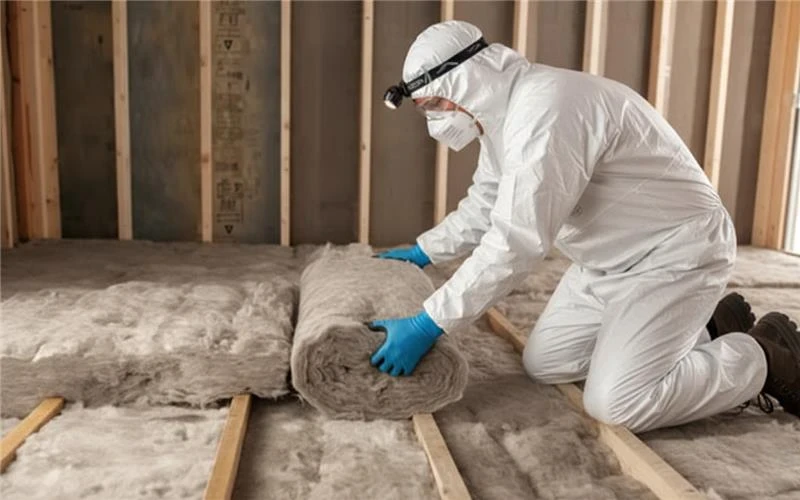
The difference between professional and DIY insulation removal comes down to having the right tools and knowing how to use them. Homeowners typically attempt removal with basic shop vacuums, rakes, and garbage bags – equipment that’s inadequate for the job and often makes problems worse. Professional teams use industrial-grade insulation vacuums with HEPA filtration systems, capable of removing thousands of square feet of material without releasing particles into your home.
The expertise gap extends beyond equipment operation. Professionals understand how different insulation materials behave when removed – cellulose compacts differently than fiberglass, and spray foam requires completely different techniques. They know how to identify asbestos-containing materials by sight, when to stop work for testing, and how to properly seal containment areas. This knowledge prevents accidental contamination of living spaces.
Regional climate considerations add another layer of complexity. In humid southern states, moisture issues require additional containment strategies. In cold northern regions, ice dams and winter moisture create different removal challenges. Professionals adapt their methods based on local building practices and climate-specific problems that DIY approaches rarely consider.
| Factor | Professional Removal | Hidden Costs of DIY |
|---|---|---|
| Equipment Rental | Included in service | Multiple days are often needed |
| Protective Gear | Provided by the contractor | Inadequate protection common |
| Waste Disposal | Licensed disposal included | Illegal dumping fines possible |
| Time Required | 1-2 days | Lost wages, extended exposure |
| Health Risk | Minimal | Medical bills potential |
| Property Damage | Insured | Repairs often costly |
The apparent savings of DIY disappear quickly when you factor in equipment rentals, multiple days of work, disposal fees, and potential health costs. A study from the National Association of Home Builders found that professional insulation projects have 40% fewer long-term issues than DIY attempts. Many homeowners spend more on fixing DIY mistakes than the original professional service would have cost.
Before deciding between professional service and DIY, evaluate your insulation type carefully. Cellulose and loose-fill fiberglass require industrial vacuums that are cost-prohibitive to rent for most homeowners. Batt insulation removal seems simple, but it often involves stapling, wiring, and obstacles that complicate the process. Spray foam removal requires specialized cutting tools and protective measures due to off-gassing chemicals.
Your home’s condition matters too. Properties with known moisture problems, pest infestations, or renovations in the last 20 years likely contain hazardous materials requiring professional handling. The age of your insulation provides clues: homes built before 1990 may contain asbestos- or vermiculite-containing insulation.
Consider your timeline and disruption tolerance. Professional teams complete most jobs in 1-2 days with minimal household disruption. DIY projects typically stretch over weekends, leaving your home exposed to outdoor temperatures and potentially contaminating living spaces for extended periods.
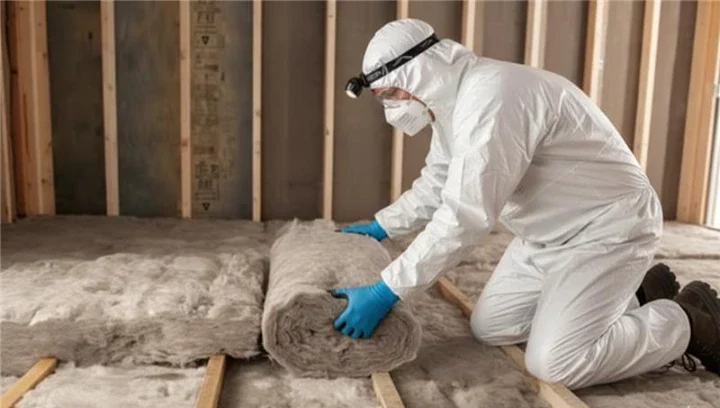
If you’re determined to inspect your insulation before calling professionals, wear a proper N95 respirator mask at minimum – better yet, use a half-face respirator with P100 cartridges. Cover all skin surfaces and wear eye protection. Seal off the work area with plastic sheeting and turn off your HVAC system to prevent particle circulation. Never attempt insulation removal if you have respiratory conditions, compromised immunity, or are pregnant.
For homeowners considering partial removal to address localized problems, understand that insulation systems work as complete units. Removing sections creates thermal bridges and reduces overall effectiveness. Professionals often recommend full removal and replacement when addressing moisture damage or contamination issues.
When evaluating potential contractors, ask specifically about their containment procedures, waste disposal methods, and insurance coverage. Request proof of workers’ compensation and liability insurance – inadequate coverage could leave you responsible for accidents or property damage. Legitimate professionals will provide detailed work plans and disposal documentation.
Professional insulation removal protects your health through proper hazardous material handling and prevents structural damage with specialized equipment and techniques. The apparent savings of DIY attempts typically disappear when accounting for equipment rentals, disposal fees, potential property damage, and health risks. Your specific situation depends on insulation type, home age, and any existing contamination issues.
Evaluate your home’s insulation needs by considering material age, any moisture problems, and whether you’ve experienced unusual health symptoms or high energy bills. The investment in professional service pays dividends through improved air quality, energy efficiency, and peace of mind knowing the job meets safety standards and building codes.
For homeowners concerned about insulation safety, Spray Foam Tech offers comprehensive inspection services to identify potential hazards and determine appropriate removal methods. Our team provides detailed assessments of insulation condition, contamination issues, and replacement options tailored to your home’s specific needs and local climate requirements.
Contact our experts directly at oldworldtx@hotmail.com or call (737) 777-9590 to schedule an inspection or discuss your insulation concerns. Professional evaluation helps you make informed decisions about whether immediate removal is necessary or if monitoring might suffice, potentially saving you from unnecessary expenses while ensuring your family’s safety.
Most standard residential projects are completed in 1-2 days. Larger homes, complex layouts, or contaminated materials may require additional time. Professionals work efficiently to minimize household disruption while ensuring thorough removal.
Proper disposal depends on the material type. Clean fiberglass and cellulose go to construction waste facilities. Asbestos-containing materials require special hazardous waste handling and documentation. Contaminated insulation often needs treatment as biohazard waste.
Coverage varies by policy and reason for removal. Damage from covered events like fires, storms, or burst pipes often includes insulation removal. Preventive upgrades typically aren’t covered, but mold remediation sometimes is when resulting from covered water damage.
For small, contained areas, you might remain in parts of the house. However, most professionals recommend vacating the premises during removal and for several hours afterward to allow any airborne particles to settle and ventilation systems to clear the air.
Quality insulation lasts 20-30 years when properly installed and maintained. However, damage from moisture, pests, or physical disturbance may require earlier replacement. Regular inspections help identify problems before they require full removal.