Spray Foam Roofing vs Silicone Roof Coatings: What’s the Real Difference?
Direct Answer The fundamental difference between spray foam roofing and silicone roof coatings lies in how they address roof problems…


The fundamental difference between spray foam roofing and silicone roof coatings lies in how they address roof problems and their application approach. Spray foam roofing installs a thick, continuous insulation layer that both insulates and seals the roof structure, while silicone roof coatings are reflective membranes applied over existing roofs to prevent UV damage and leaks without adding significant insulation. Spray foam costs between $4 and $8 per square foot, while silicone coatings range from $2 to $5 per square foot. Spray foam provides superior insulation (R-6 to R-7 per inch) and is ideal for flat or low-slope roofs with insulation needs, whereas silicone excels as a maintenance solution for roofs that need UV protection and leak prevention. Your choice depends on whether you need insulation, have an existing roof problem, or want to extend your current roof’s lifespan.
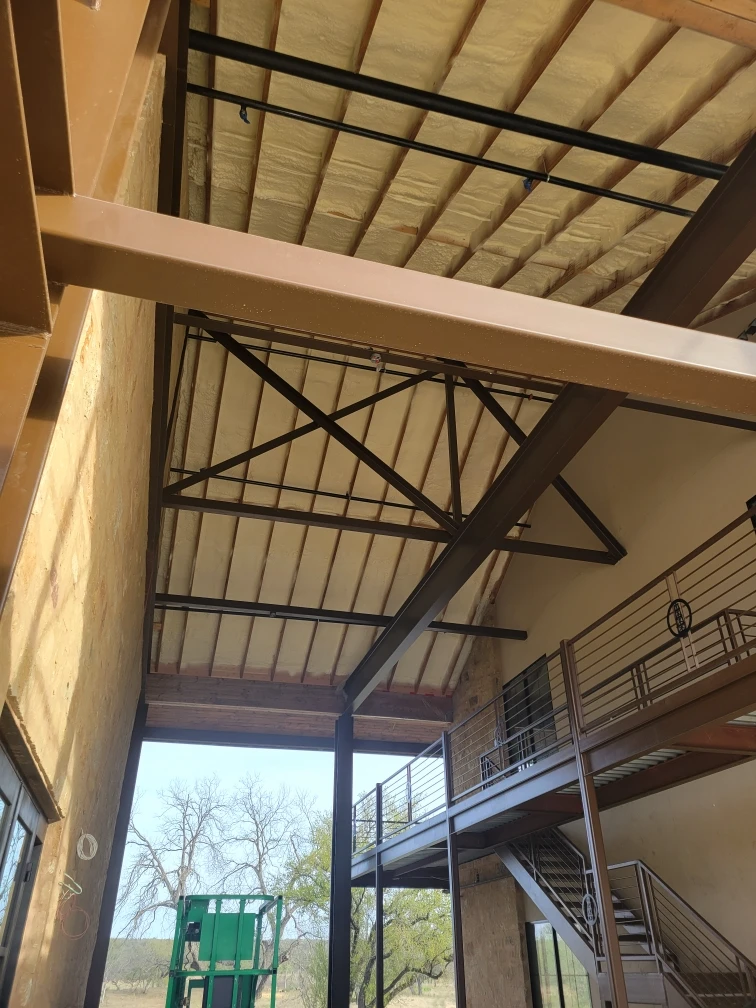
Spray foam roofing, also known as spray polyurethane foam (SPF), is a roofing system that spray-applies a liquid foam mixture that expands into a solid, seamless insulation layer. This material adheres directly to the roof deck, creating a monolithic barrier that eliminates seams, gaps, and potential leak points.
According to the U.S. Department of Energy, spray foam roofing offers one of the highest insulating values per inch of any roofing material, making it exceptionally efficient for buildings where temperature control is a priority. The foam can be applied to flat, sloped, or curved roof surfaces, and it conforms to any roof shape, including around penetrations, HVAC units, and other rooftop equipment.
The application process involves cleaning the existing roof surface, applying a primer if needed, spraying the foam in multiple passes to achieve the desired thickness, and then applying a protective coating. Our team at Spray Foam Tech commonly installs spray foam roofing on commercial buildings, warehouses, and residential homes with flat or low-slope roofs.
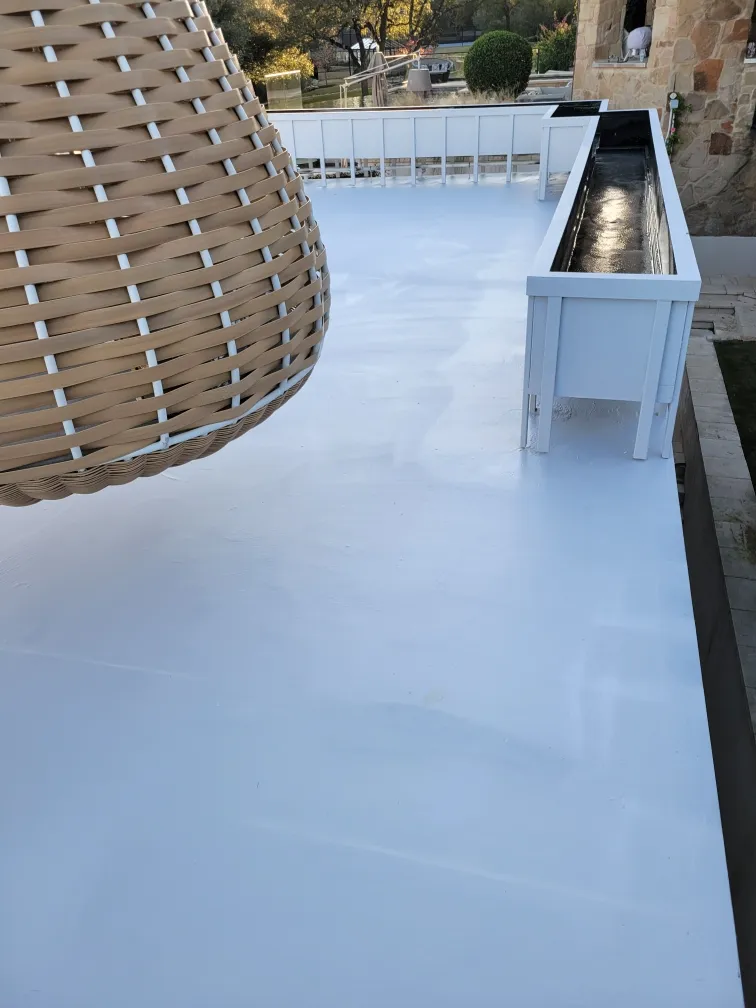
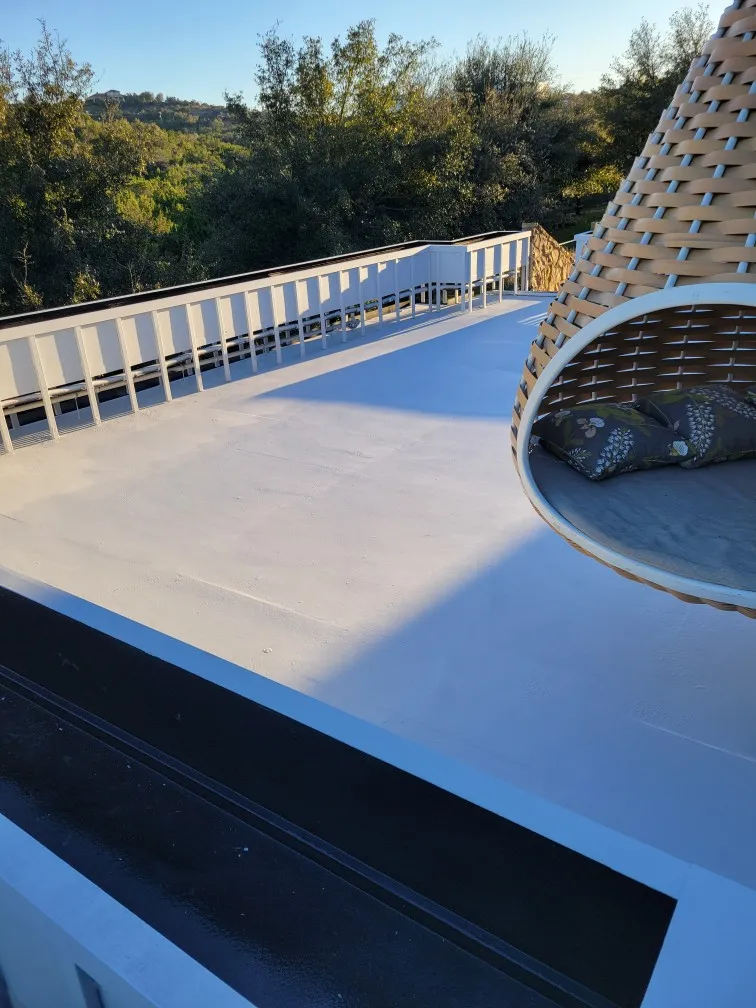
Silicone roof coatings are liquid-applied membranes that cure to form a seamless, waterproof layer over existing roofing systems. Unlike spray foam, silicone provides minimal thermal insulation but excels at reflecting UV radiation and preventing water infiltration.
The Environmental Protection Agency notes that cool roof technologies like silicone coatings significantly reduce rooftop temperatures and building cooling loads. Silicone coatings are particularly effective in hot climates where UV resistance is more valuable than insulation solution. They maintain their reflectivity over time better than acrylic coatings and resist ponding water, making them suitable for flat roofs with drainage issues.
Silicone is typically applied in thick layers using spray equipment or rollers. The coating bonds to most existing roofing materials, including modified bitumen, EPDM, metal, and built-up roofs. This versatility makes silicone an excellent choice for roof restoration projects where tear-off is impractical or expensive.
| Factor | Spray Foam Roofing | Silicone Roof Coating |
|---|---|---|
| Insulation Value | R-6 to R-7 per inch | R-1 to R-2 per inch |
| Waterproofing | Excellent (seamless) | Excellent (when properly applied) |
| UV Resistance | Good (with protective coating) | Excellent |
| Lifespan | 20-30 years | 10-15 years |
| Application Temperature | 50°F and rising | 50°F and rising |
| Ponding Water Resistance | Good | Excellent |
| Maintenance Required | Periodic recoating | Periodic inspection and cleaning |
| Energy Savings | High (insulation + reflectivity) | Moderate (reflectivity only) |
Understanding the cost differences helps property owners make informed investment decisions. Both options have different cost structures that affect long-term value.
| Cost Factor | Spray Foam Roofing | Silicone Roof Coating |
|---|---|---|
| Material Cost | $3-$5 per sq ft | $1.50-$3 per sq ft |
| Labor Cost | $1-$3 per sq ft | $1-$2 per sq ft |
| Total Installed Cost | $4-$8 per sq ft | $2-$5 per sq ft |
| Removal of Old Roof | Often required | Usually not required |
| 10-Year Maintenance Cost | $0.50-$1 per sq ft | $1-$2 per sq ft |
According to the National Roofing Contractors Association, both systems offer a strong return on investment when properly selected for the right application. Spray foam provides better insulation value, which can reduce heating and cooling costs significantly in buildings with high energy demands.
Spray foam roofing is the better choice in these situations:
New construction or complete roof replacement – When you’re building new or replacing an entire roof, spray foam provides both insulation and roofing in one system.
Buildings with high heating or cooling costs – The superior R-value of spray foam significantly reduces energy transfer, lowering utility bills in facilities with demanding climate control needs.
Unusual roof configurations – Spray foam conforms to any shape, making it ideal for roofs with multiple penetrations, curves, or complex geometry.
Priority on insulation – If your building needs better thermal performance, spray foam delivers significantly higher R-values than any coating option.
Long-term solution – When you want a roof system that will last 20-30 years with minimal maintenance, spray foam provides excellent longevity.
Silicone roof coatings excel in these scenarios:
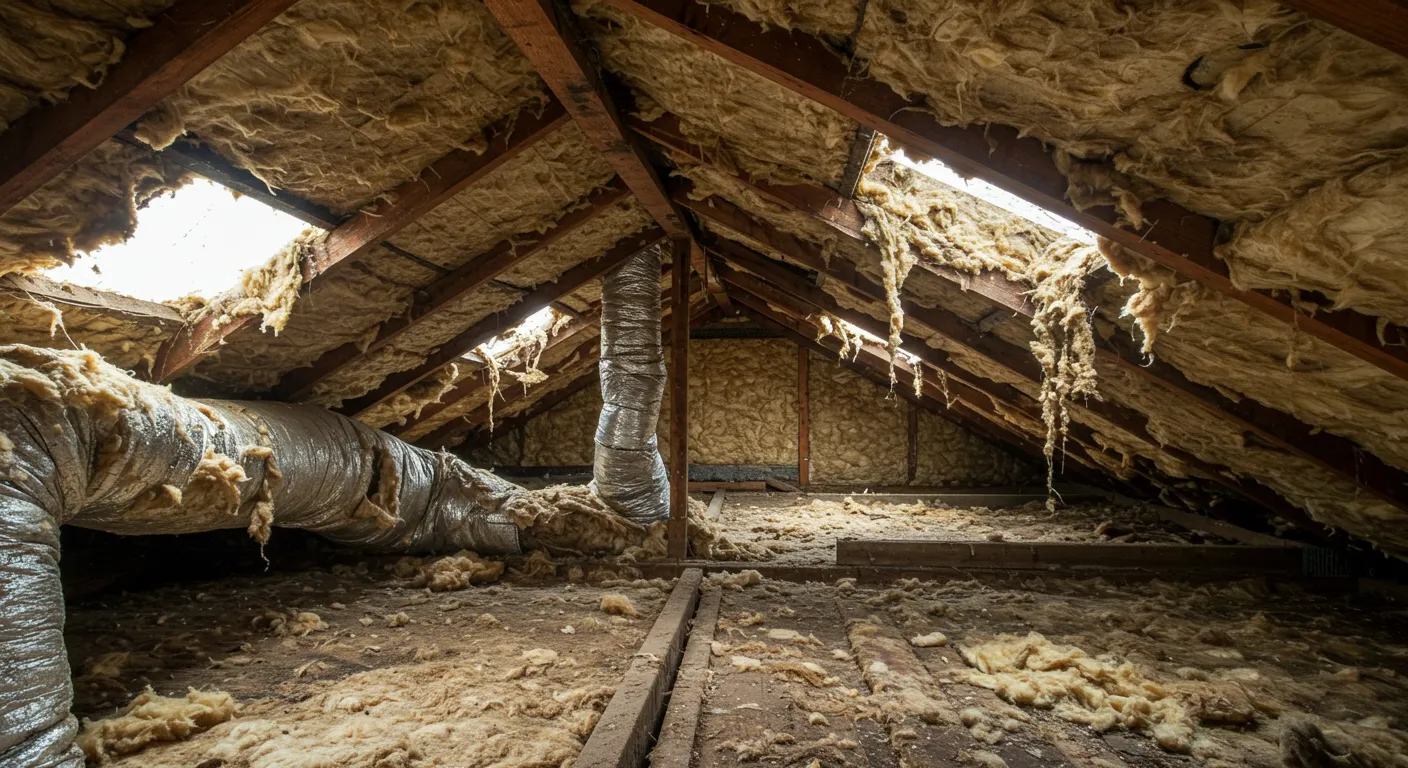
Roof restoration – When the existing roof is structurally sound but showing age, silicone can extend its life without a tear-off.
Budget-conscious projects – Lower upfront costs make silicone attractive for properties with limited capital for roof replacement.
UV-dominant climates – Buildings in hot, sunny environments benefit most from silicone’s superior UV resistance and reflectivity.
Ponding water issues – Silicone resists standing water better than most coatings, making it ideal for flat roofs with drainage problems.
Quick application needed – Silicone coats faster than spray foam, reducing labor time on time-sensitive projects.
The Building Science Corporation notes that roof coatings can be an effective strategy for extending roof service life when the underlying structure remains sound.
A 50,000 square foot commercial warehouse in central Texas had an aging modified bitumen roof with multiple leaks and rising energy costs. Our assessment showed the roof structure was sound, but the surface was deteriorating. We recommended silicone roof coating over complete replacement. The coating was applied in two passes, creating a 20-mil seamless membrane with excellent UV resistance. The total project cost was $175,000 compared to an estimated $350,000 for full spray foam replacement. The building owner reported a 15% reduction in cooling costs in the first summer and that leak complaints were completely eliminated. The coating is expected to last 12-15 years with minimal maintenance.
Our team at Spray Foam Tech specializes in both spray foam roofing and silicone roof coatings, helping property owners select the best solution based on their specific needs, budget, and building characteristics. We provide honest assessments and professional installation that delivers lasting performance.
Contact us today for a roof evaluation:
A: Yes, silicone can be applied over spray foam to provide additional UV protection and extend the roof’s life. However, proper surface preparation is essential for good adhesion.
A: Properly installed spray foam roofing with protective coating typically lasts 20-30 years, Energy Star. Regular inspections and timely repairs extend the lifespan significantly.
A: It depends on the existing roof material. Some substrates require a primer for proper adhesion, while others can be coated directly. A professional assessment determines the right approach.
A: Spray foam can be applied over shingles if the surface is clean, dry, and in good condition. However, building codes vary by location, so check local requirements first.
A: Silicone roof coating is generally better for roofs with ponding water issues because it resists water penetration and maintains flexibility when saturated. Spray foam can also work, but requires careful installation and quality coating.
Environmental Protection Agency – Cool Roofs