Energy-Efficient Homes: Best Spray Foam Insulation in Pflugerville, TX
Direct Answer Choosing the right insulation services in Pflugerville depend on your specific energy goals, budget, and the areas you…


Choosing the right insulation services in Pflugerville depend on your specific energy goals, budget, and the areas you need to insulate. Open-cell spray foam works well for interior applications and sound dampening, while closed-cell foam provides superior moisture resistance and structural support for exterior walls and attics. The average homeowner in Pflugerville invests between $1,500 and $4,500 for professional spray foam installation, with most seeing 30-50% reductions in their annual energy costs within the first two years. Our team at Spray Foam Tech recommends evaluating your home’s current insulation performance, identifying air leak hotspots, and selecting a contractor who uses premium materials and provides detailed energy modeling before starting your project.
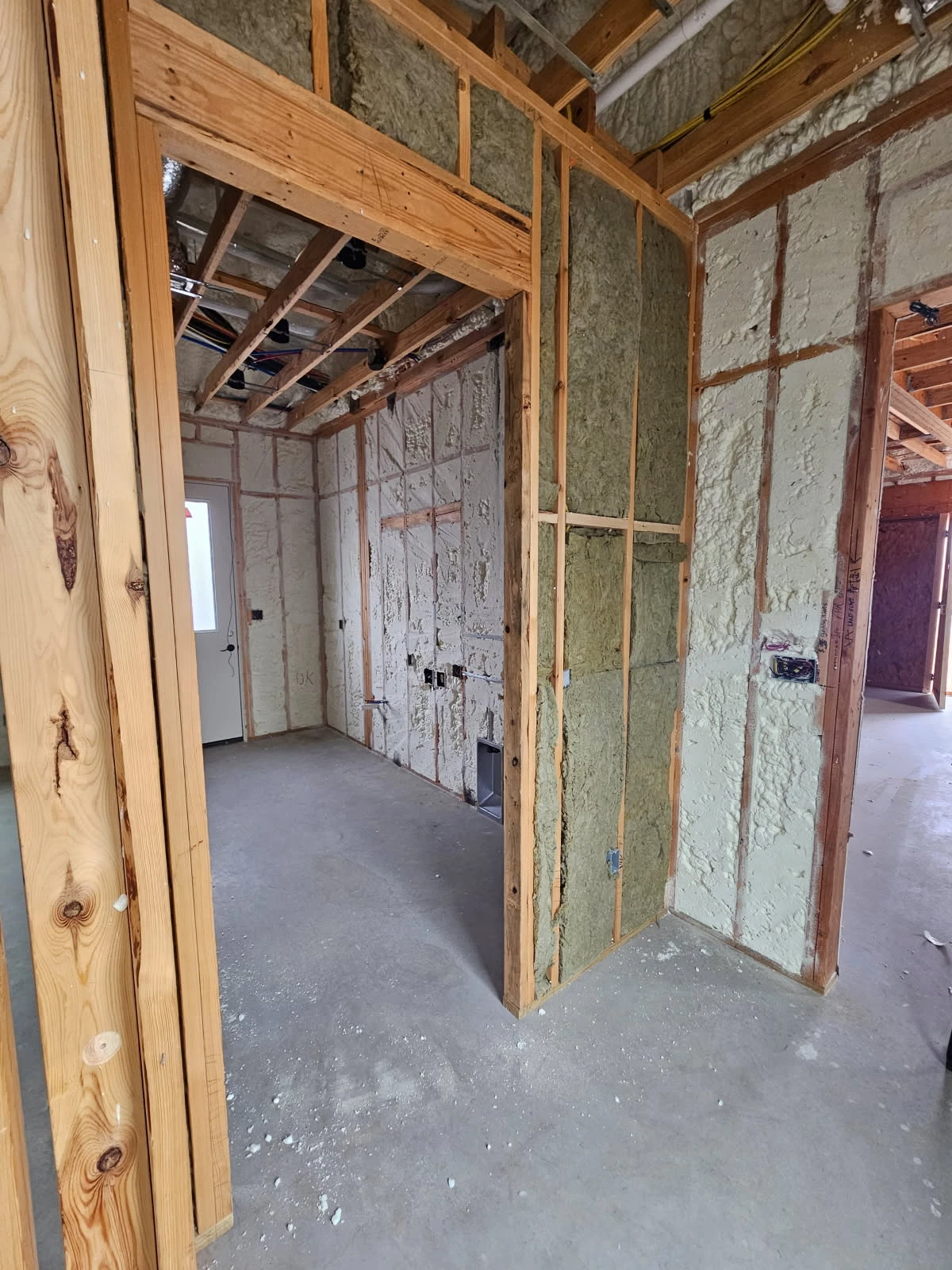
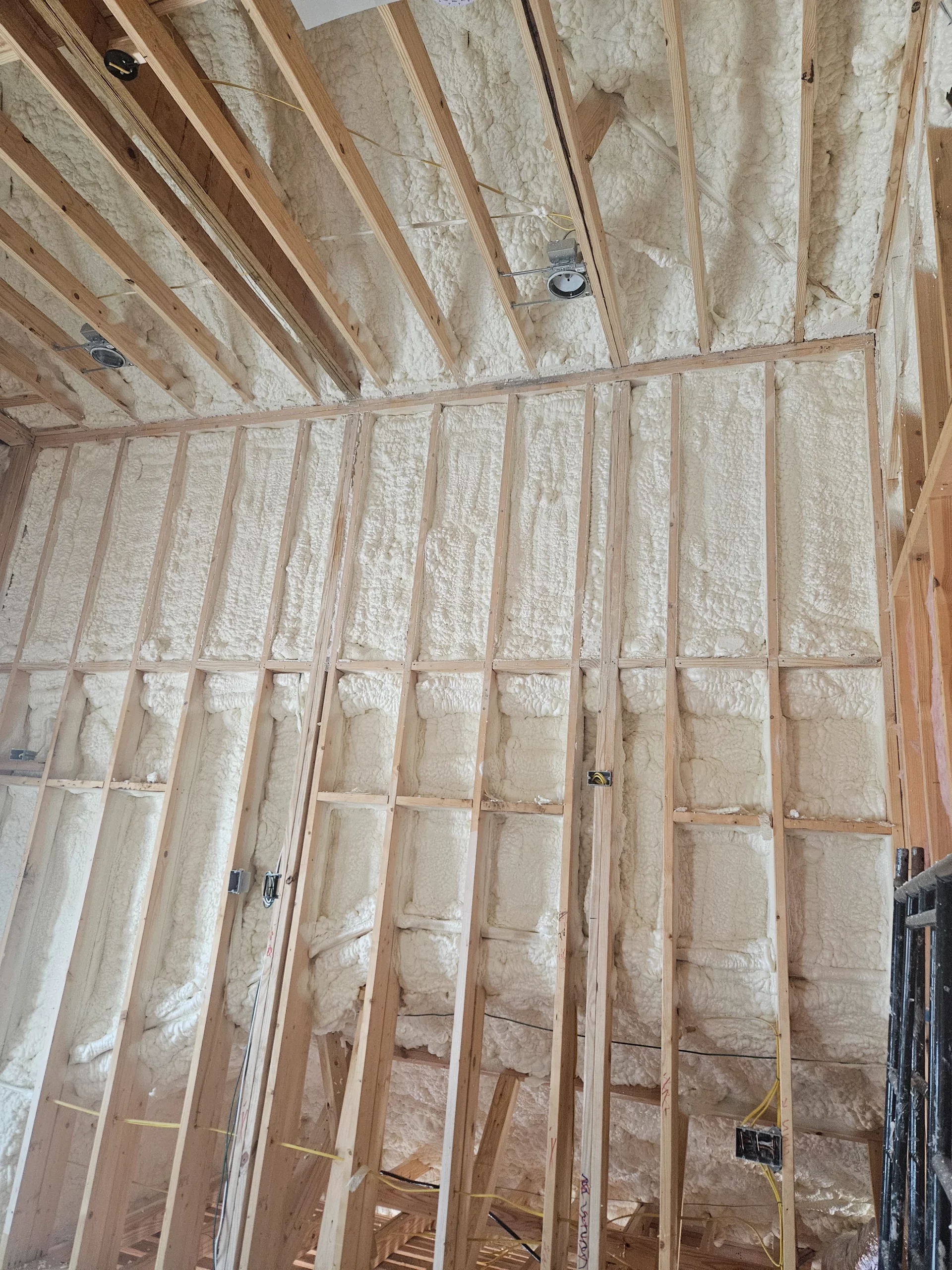
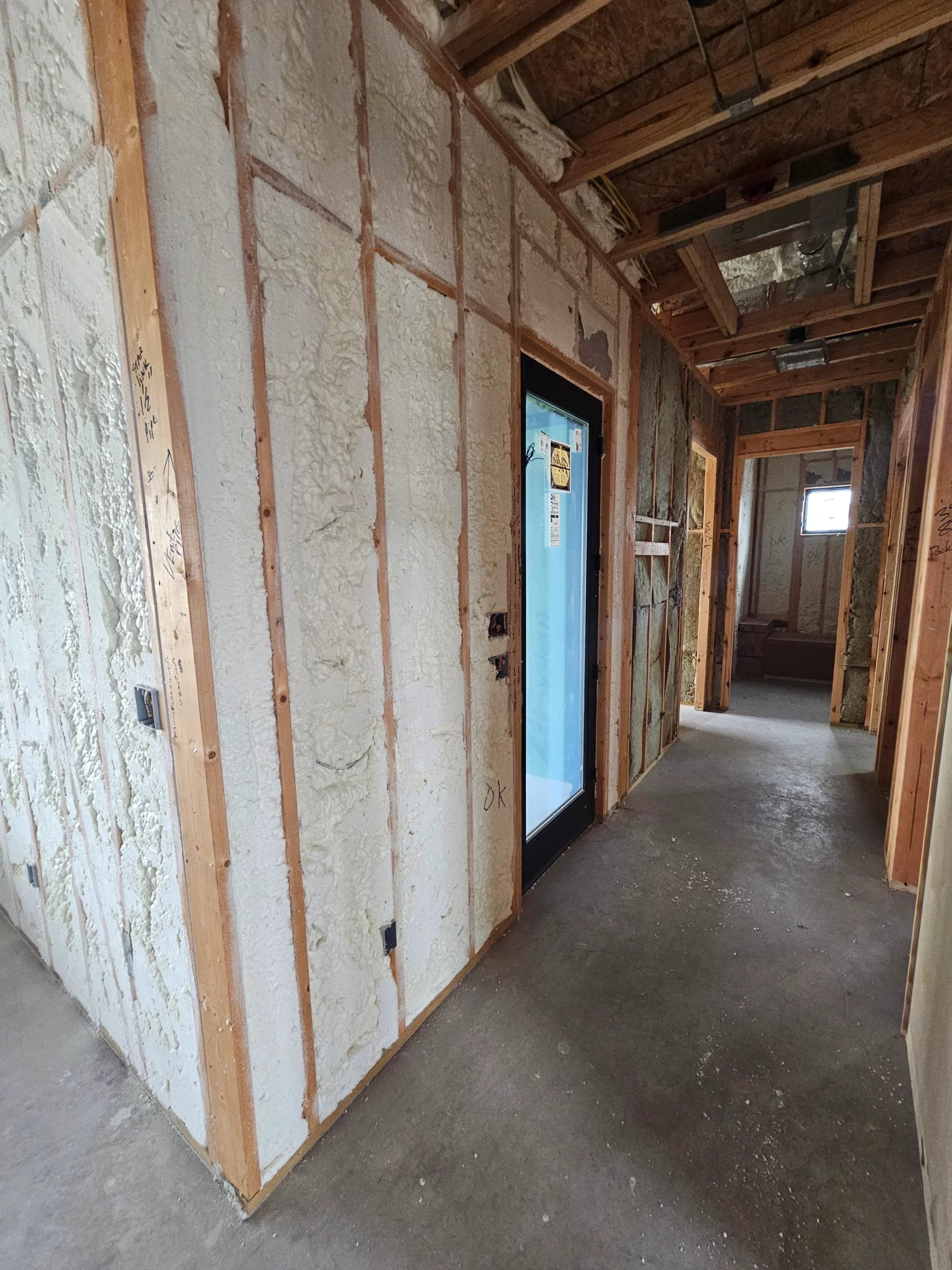
Spray foam insulation has become the gold standard for Texas homeowners seeking maximum energy efficiency and comfort. Unlike traditional fiberglass batts that leave gaps and compress over time, spray foam expands on application to fill every crack, crevice, and irregular surface in your wall cavities, attic, and crawl spaces. According to the U.S. Department of Energy, proper insulation installation can reduce heating and cooling costs by up to 50% in existing homes.
The science behind spray foam is straightforward. Our professionals apply a two-component mixture that chemically reacts and expands approximately 30-60 times its liquid volume within seconds of application. This expansion creates an airtight seal that traditional insulation methods simply cannot match.
In Pflugerville’s hot summers and occasional cold winter nights, this airtight seal translates directly to lower utility bills and more consistent indoor temperatures throughout your home.
Choosing between open-cell and closed-cell spray foam is the most important decision you’ll make for your insulation project. Each type serves different purposes and performs differently in Texas’s climate conditions. Research from Building Science Corporation indicates that selecting the appropriate foam type based on climate zone and application area significantly impacts long-term thermal performance.
Open-cell foam has a softer, spongy texture with cells that remain open after the chemical reaction completes. This creates a lighter insulation material, typically weighing 0.4-0.5 pounds per cubic foot, with an R-value of approximately R-3.5 to R-4 per inch.
Open-cell foam excels at sound dampening, making it an excellent choice for interior walls where reducing noise transfer between rooms matters. It also allows moisture vapor to pass through, which can be beneficial in certain applications but requires careful consideration in humid climates.
The cost advantage is notable. Our customers typically find open-cell foam costs 30-40% less than closed-cell alternatives, making it attractive for budget-conscious homeowners focused primarily on interior comfort.
Closed-cell foam contains densely packed cells that are fully closed, creating a rigid, dense material with R-values reaching R-6 to R-7 per inch. This higher density also provides structural strength, adding measurable rigidity to walls and roof assemblies.
For Pflugerville homeowners, closed-cell foam offers critical advantages. The dense cell structure resists moisture penetration, preventing the mold growth and wood rot that plague homes with inadequate moisture barriers in our humid climate. Our team frequently recommends closed-cell foam for attic installations, exterior walls, and crawl spaces where moisture exposure is a concern.
The trade-off is cost. Closed-cell foam requires more material and specialized installation techniques, resulting in higher project costs. However, the superior R-value means you achieve better thermal performance with less thickness, which matters in areas where wall cavity depth is limited.
| Property | Open-Cell Spray Foam | Closed-Cell Spray Foam |
|---|---|---|
| R-Value per Inch | R-3.5 to R-4 | R-6 to R-7 |
| Cost per Board Foot | $0.50-$1.00 | $1.00-$2.50 |
| Moisture Resistance | Low (vapor permeable) | High (vapor retarder) |
| Structural Support | None | Adds rigidity |
| Best Applications | Interior walls, soundproofing | Attics, exterior walls, crawl spaces |
| Typical Payback | 4-7 years | 3-5 years |
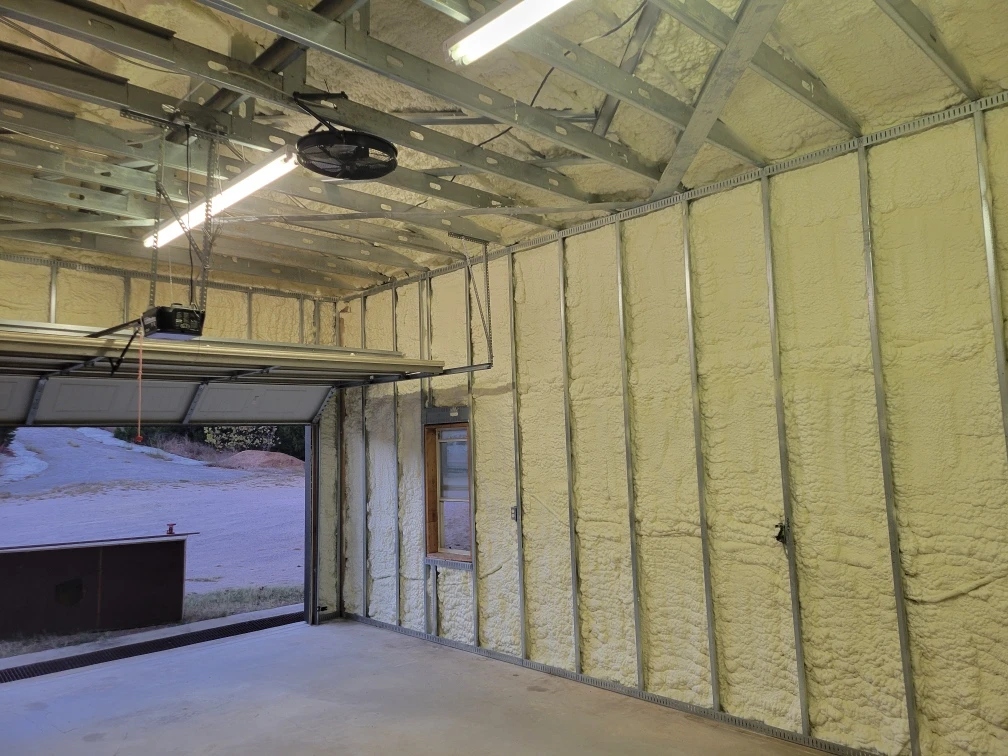
Several variables influence the total cost of spray foam insulation installation in Pflugerville home. Understanding these factors helps you budget appropriately and avoid surprises during your project. Energy Star recommends that homeowners obtain multiple detailed assessments from certified contractors before making insulation decisions.
Home size and layout directly impact material requirements. A 1,500 square foot single-story home will cost significantly less than a 3,000 square foot two-story home with complex rooflines and multiple attic zones.
Accessibility matters. Attics with limited access points, tight crawl spaces, or homes with cathedral ceilings require more labor time and specialized equipment, increasing overall project costs.
Existing insulation condition affects preparation work. If old fiberglass insulation must be removed before spray foam application, this adds labor and disposal costs to your project.
Type and brand of foam influence both performance and price. Our team uses premium closed-cell and open-cell products from manufacturers who provide comprehensive warranties. While cheaper materials exist, the long-term performance difference justifies the investment.
Finding a trustworthy insulation contractor requires attention to several key indicators. Our team has compiled these qualities to help you evaluate potential providers for your Pflugerville project.
Detailed energy assessment: Reputable contractors perform comprehensive evaluations of your home before providing quotes. This includes thermal imaging scans, blower door tests to measure air leakage, and calculations of your current energy loss. Beware of contractors who provide estimates without thoroughly examining your property.
Transparent pricing: Quality contractors provide itemized quotes that break down material costs, labor, and any preparation work needed. The quote should clearly explain which areas will receive insulation and what R-values will be achieved in each zone.
Warranty coverage: Professional installation comes with material warranties from foam manufacturers and workmanship warranties from the contractor. Our team provides written warranties that specify exactly what is covered and for how long.
Proper licensing and insurance: Verify that your contractor carries general liability insurance and workers’ compensation coverage. Request proof of both before work begins.
Communication quality: From your first contact, notice how thoroughly questions are answered. Our professionals explain the process, discuss options, and provide recommendations based on your specific situation rather than pushing the most expensive option.
Ready to transform your Pflugerville home into an energy-efficient comfort zone? Spray Foam Tech brings years of experience and premium materials to every project we undertake. Contact us today for a comprehensive energy assessment and personalized insulation recommendation tailored to your home’s unique needs.
Phone: (737) 777-9590
Email: oldworldtx@hotmail.com
A: Properly installed spray foam insulation lasts 20-30 years or more without degradation. The material doesn’t settle, compress, or lose R-value over time like fiberglass, making it a long-term solution for Texas homeowners.
A: Once cured (typically 24-48 hours after installation), spray foam is inert and safe for residential occupants. Our team follows all safety protocols during application and provides clear guidance on re-occupancy timelines.
A: DIY spray foam kits are available but carry significant risks. Improper application leads to inadequate coverage, chemical exposure hazards, and potential fire risks. Professional installation ensures proper thickness, complete coverage, and manufacturer warranty validity.
A: Spray foam creates an airtight barrier that makes it difficult for insects and rodents to enter through wall cavities and attic spaces. However, it should be combined with other exclusion methods for complete pest management.
A: Most homeowners notice immediate improvements in comfort and reduced utility bills within the first billing cycle. Maximum savings typically occur within 12-24 months as your HVAC system operates more efficiently with improved insulation.