Spray Foam Roofing vs. Acrylic Roof Coating in Georgetown, TX: Key Differences Explained
Spray foam roofing and acrylic roof coating both protect flat and low-slope roofs in Georgetown, TX, but they solve different…

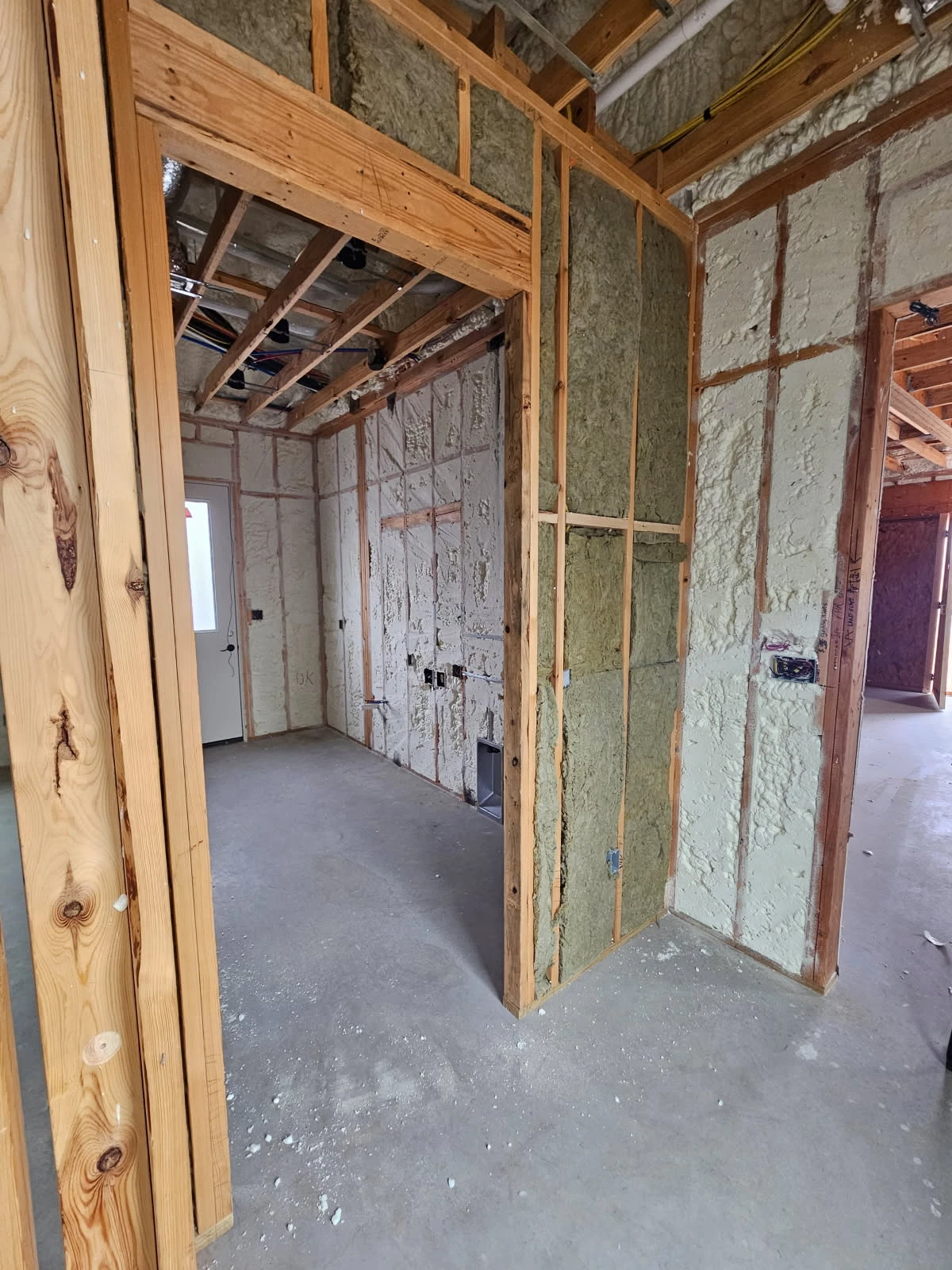
Smart insulation tips for homeowners 2026 focus on creating an airtight building envelope and using materials with high thermal resistance to reduce energy waste. Spray Foam Tech recommends prioritizing residential spray foam and wall upgrades to maintain consistent indoor temperatures while lowering utility costs throughout the year.
Modern home efficiency requires a proactive approach to heat management. These strategies help property owners prepare for changing climate patterns and rising energy prices. This guide provides technical details and practical steps to secure your home against thermal loss. We use our field experience to help you understand the most effective ways to upgrade your property.
The standards for home efficiency are becoming more strict as energy costs rise. New codes suggest that traditional insulation levels may no longer be enough to keep a home comfortable. Homeowners should look for materials that offer higher performance in smaller spaces.
Updating your insulation helps reduce the load on your cooling and heating systems. According to the U.S. Department of Energy, heating and cooling account for about 48% of the energy use in a typical U.S. home. This makes thermal protection the most important factor in managing monthly expenses.
A key strategy is focusing on areas where heat moves most easily. Conduction through walls and convection through air leaks are the primary ways homes lose energy. You can stop this by adding materials that have high thermal resistance ratings.
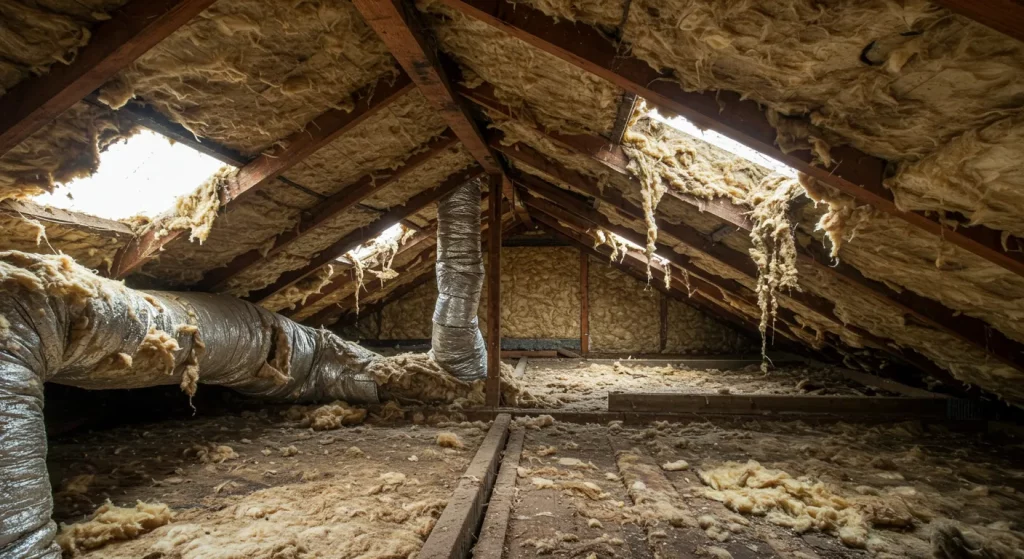
Adding insulation to unfinished attic spaces is often the most cost effective way to improve comfort. We suggest checking the depth of your current materials. If you can see the floor joists, you likely need an upgrade to meet modern standards.
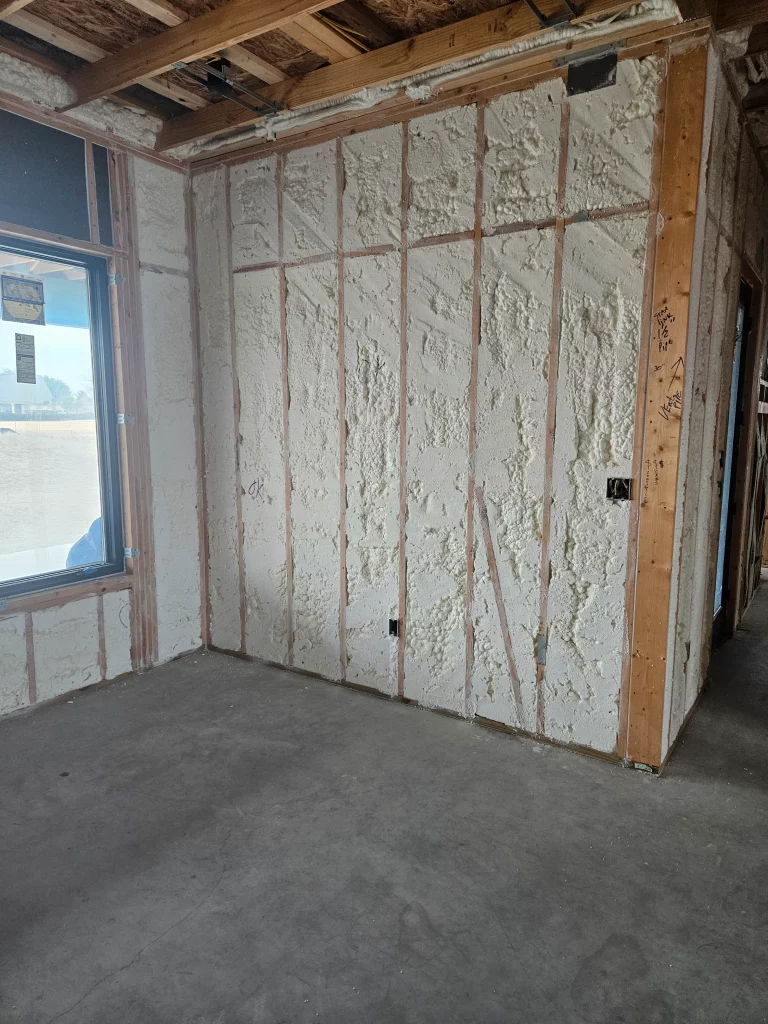
Insulation works best when air cannot move through it. Many people forget that small cracks and gaps allow conditioned air to escape into the attic. This forces your air conditioner to work harder to replace that lost air.
Sealing gaps around plumbing stacks, electrical wires, and recessed lights is a necessary step. This process stops the “chimney effect” where warm air rises and pulls cold air in through the lower levels of your house. Using a combination of foam and caulk creates a permanent seal.
Choosing the right material depends on your budget and the specific needs of your home. Different materials offer various levels of protection against heat and moisture.
| Insulation Type | R-Value per Inch | Air Sealing Ability | Lifespan |
|---|---|---|---|
| Fiberglass Batts | 2.2 to 2.9 | Low | 15 to 25 years |
| Cellulose | 3.2 to 3.8 | Moderate | 20 to 30 years |
| Spray Foam | 3.5 to 7.0 | High | 80+ years |
Data shows that while some materials are cheaper to install, they often require more maintenance over time. A report from the U.S. Environmental Protection Agency indicates that sealing air leaks and adding insulation can save homeowners up to 15% on heating and cooling costs.
Weatherization involves more than just adding padding to your walls. It includes checking your windows, doors, and crawl spaces for any signs of energy loss. You should start with a professional energy audit to find the hidden areas where your home fails to hold temperature.
Installing weatherstripping around doors is a simple way to stop drafts. For larger areas like rim joists or basements, more durable solutions are needed. These techniques work together to ensure your HVAC system does not run constantly during the summer months.
Bonus Tip Use a thermal camera during a hot day to see exactly where heat enters your home. These visual tools show “hot spots” that are often invisible to the naked eye but cause your bills to spike.
Before you spend money on new materials, you must consider the condition of your existing structure. Moisture is the biggest enemy of energy efficiency. If your roof has leaks or your attic has poor ventilation, new insulation might trap water and lead to wood rot.
You also need to think about the age of your home. Older houses often have electrical wiring that cannot be covered by certain types of insulation. Always have a technician check for knob and tube wiring before starting an attic project.
Bonus Tip Check your local utility provider for rebates. Many Texas energy companies offer financial incentives for homeowners who improve their attic insulation or air sealing.
Selecting a qualified team is the best way to ensure your home meets the smart insulation tips for homeowners 2026 criteria. Proper installation is just as important as the material itself. Gaps as small as one percent can reduce the effectiveness of your insulation by a significant margin.
Spray Foam Tech uses specialized equipment to apply materials with precision. We understand the specific challenges of the Texas climate and how it affects different building styles. Working with experts prevents common mistakes like over-packing materials or blocking necessary soffit vents.
Improving your home is a long term investment in comfort and value. You should look at your energy bills from the last two years to see where the biggest spikes occur. This data helps you decide which parts of your home need the most attention.
We suggest prioritizing the attic and the floors above unheated garages first. These areas usually provide the fastest return on your investment. Take the time to research materials and talk to professionals about the specific needs of your property.
We are ready to help you improve your home energy efficiency with professional services. You can reach out to Spray Foam Tech to discuss your project and receive a free quote for your needs. Please call us at (737) 777-9590 or send an email to oldworldtx@hotmail.com to schedule your consultation. Our office is located in Belton, Texas, and we serve the surrounding areas with pride.
Properly installed insulation paired with air sealing reduces the amount of dust, pollen, and outdoor pollutants that enter your living space. This creates a cleaner environment for people with allergies.
Yes, many modern materials provide excellent sound dampening properties. Dense insulation absorbs sound waves, making your home much quieter by blocking noise from cars, sirens, and loud neighbors.
You can often add new material over old insulation if the original is dry and free of mold. However, removing old, dusty material is usually better for achieving a perfect seal.
Spring and fall are ideal times because temperatures are mild. This allows technicians to work in attics safely and helps you prepare for the upcoming extreme summer or winter weather.
Most homeowners see enough energy savings to cover the cost of the project within five to seven years. This depends on your local energy rates and how much insulation you add.