How Does Closed-Cell Spray Foam Protect Insulation From Water Intrusion in Leander, TX?
Cody Carrow
November 4th, 2026
Closed-cell spray foam insulation protects building assemblies from water intrusion by curing into a dense, rigid barrier that rejects bulk liquid absorption and establishes an in-place Class II vapor retarder. Unlike open-cell foam or fiberglass batts, it does not act like a sponge, does not degrade when exposed to moisture, and stands as the only cavity insulation designated by FEMA as a Class 5 flood-damage-resistant material.
TL;DR:
Stops Liquid Water: Non-interconnecting cells prevent water from wicking into the material.
Controls Water Vapor: Applied at 1.5 to 2 inches, it blocks indoor condensation driven by Texas heat.
Survives Flood Events: FEMA classifies it as an acceptable material capable of withstanding prolonged submersion.
Requires Professional Installation: Wood framing must dry below 18% moisture content before spraying to avoid sealing in structural rot.
How Closed-Cell Foam Repels Bulk Water and Vapor
Dense Microscopic Cell Structure vs. Bulk Water Absorption
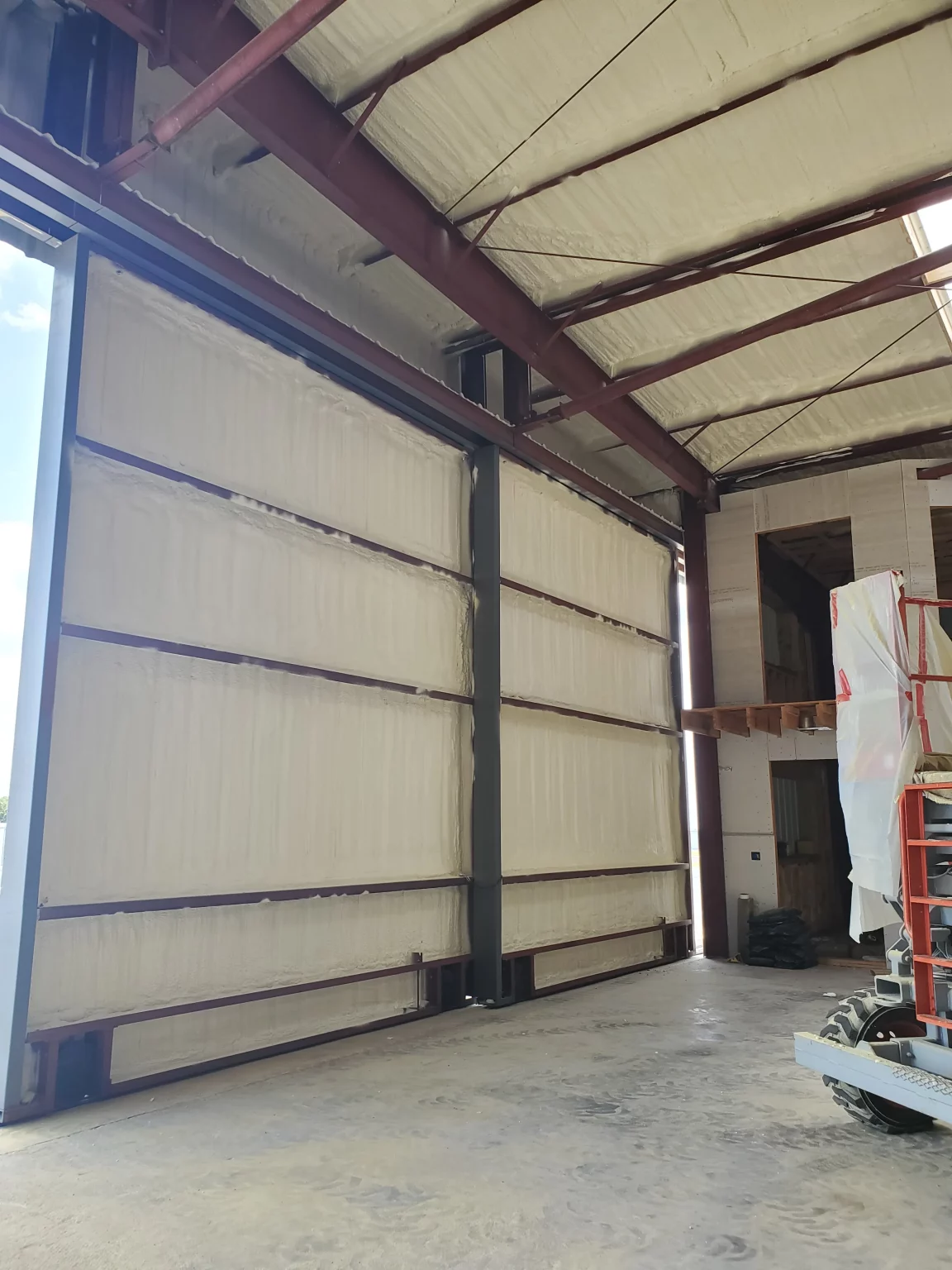
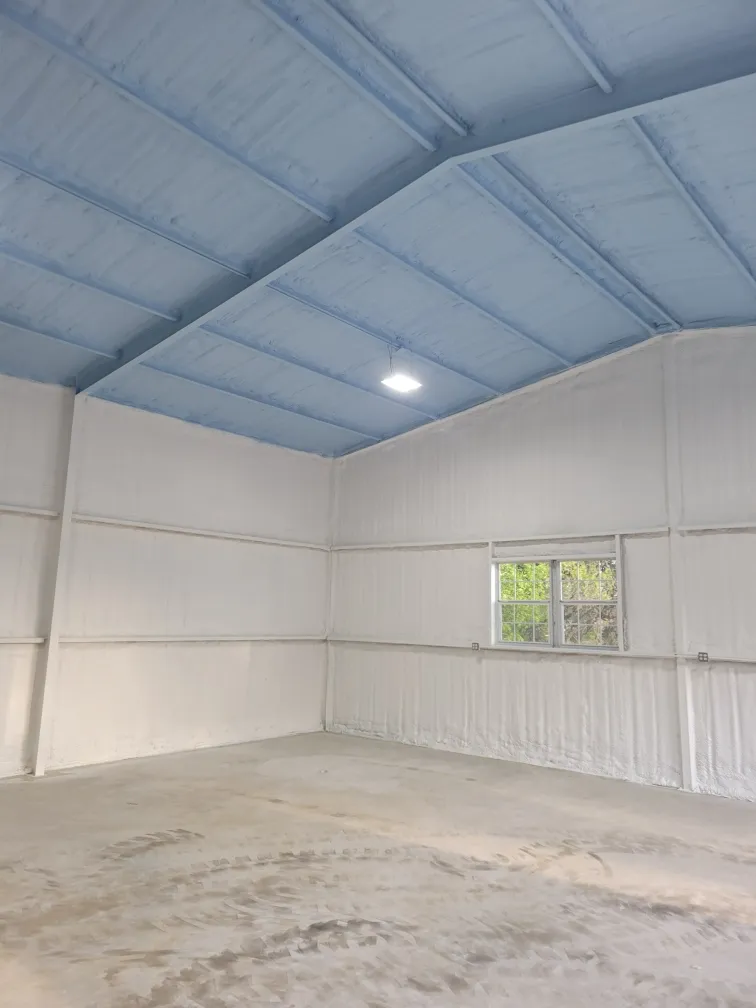
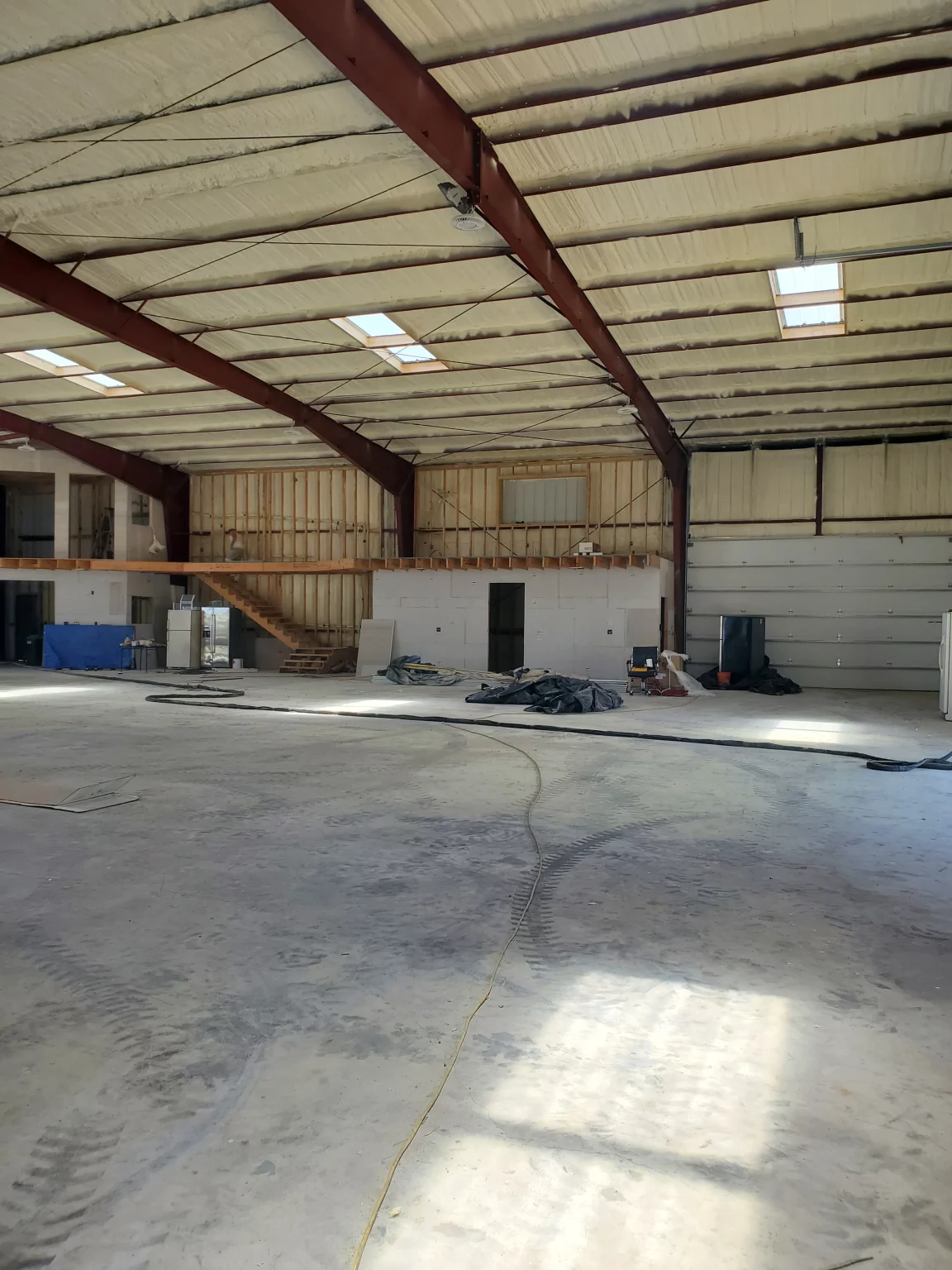
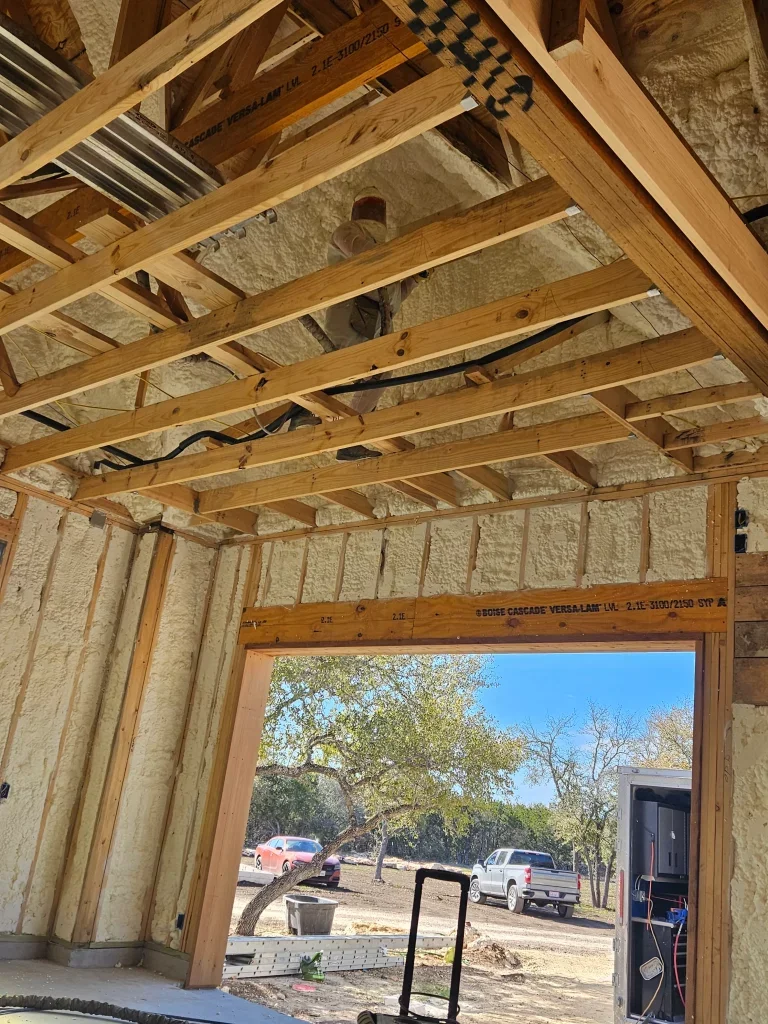
The raw composition of closed-cell foam determines its water resistance. During application, the liquid chemicals react and expand into millions of microscopic, non-interconnecting spheres containing captive blowing agents. With a nominal density of approximately 2.0 pounds per cubic foot, over 90 percent of these microscopic cells remain completely sealed.
Open-cell foam operates differently. At 0.5 pounds per cubic foot, its cells rupture during expansion, creating an interconnected, sponge-like matrix. If a pipe breaks or wind pushes rainwater behind siding, open-cell foam pulls water inward through capillary action. Closed-cell foam halts capillary draw entirely. According to immersion standards outlined by the Department of Energy, closed-cell polyurethane maintains high resistance to water absorption, absorbing less than 2 percent of its volume even under direct water contact.
Class II Vapor Retarder Performance (ASTM E96)
Water vapor moves through drywall, masonry, and wood under vapor pressure differentials. Permeance measures how easily that moisture passes through a material, with lower numbers signaling greater resistance.
At an installed thickness of 1.5 to 2 inches, closed-cell foam achieves a water vapor permeance rating below 1.0 perm under ASTM E96 test conditions. The International Code Council classifies materials below 1.0 perm as Class II vapor retarders under International Residential Code (IRC) Section R702.7. Applying closed-cell foam at this depth keeps ambient humidity from migrating into the wall cavity, where it would otherwise hit chilled structural members and condense into hidden pools of water.
FEMA Flood-Resistance Standards: Why Closed-Cell Foam Outperforms Traditional Insulation
When major storms breach building envelopes, insulation materials face direct submersion. Most standard cavity insulations lose their structural integrity and thermal performance the moment they get wet.
According to technical specifications published by FEMA, closed-cell spray polyurethane foam is the only cavity-applied insulation recognized as a Class 5 flood-damage-resistant material in Technical Bulletin 2. FEMA defines Class 5 materials as highly resistant to floodwater damage and acceptable for installations below the base flood elevation.
Insulation Material
FEMA Flood Resistance Class
Water Vapor Permeance (ASTM E96)
Bulk Water Reaction
Post-Water Mitigation
Closed-Cell Spray Foam
Class 5 (Acceptable)
< 1.0 Perm (at 1.5–2 inches)
Repels liquid; non-wicking
Clean and sanitize in place
Open-Cell Spray Foam
Class 2 to 3 (Unacceptable)
> 10.0 Perms (Permeable)
Absorbs water via capillaries
Complete removal required
Fiberglass Batts
Class 1 (Unacceptable)
High / Completely Porous
Mats down; retains water
Complete removal required
How Does the Leander, TX Climate Amplify Water and Moisture Hazards?
Central Texas features a volatile weather pattern: long stretches of intense summer heat punctuated by violent convective storms. Leander sits along the Balcones Fault zone, an area known for rapid stormwater runoff and intense cloudbursts. Building envelopes here face continuous environmental stress that easily compromises subpar insulation assemblies.
Hot-Humid Inward Vapor Drive (IECC Climate Zone 2A)
When homeowners cool their indoor living spaces to 72°F, they create a steep temperature and vapor-pressure divide. The hot, moisture-laden outdoor air is pushed inward through porous materials like brick veneer, stone, and wood siding. If a wall cavity uses permeable insulation, this incoming vapor travels inward until it contacts the backside of cold, air-conditioned drywall. Condensation forms behind the paint, leading to rot and mold growth. Installing closed-cell spray foam services sets up a durable moisture barrier that stops inward vapor drive at the exterior framing plane.
Severe Hill Country Thunderstorms and Wind-Driven Rain
Leander averages roughly 34 inches of rain annually, but much of that rainfall arrives in violent, short-duration storm cells that drop two to four inches of rain within a few hours. High-speed wind gusts push bulk water sideways, forcing droplets past siding laps, window transitions, and roof flashing seams.
Strategic Property Application Zones for Water Defense
Certain areas of a home face far higher water exposure than standard interior walls. Using closed-cell insulation in these critical envelope junctions provides targeted protection against chronic moisture damage.
Unvented Roof Decks (Sealed Attics): Spraying closed-cell foam directly to the underside of the roof sheathing eliminates traditional roof vents. This prevents wind-driven rain from blowing into the attic during intense storms while stopping ambient summer humidity from condensing on ductwork.
Pier-and-Beam Crawl Spaces: Common in older Hill Country properties and acreage sites around Leander, elevated subfloors sit directly over damp limestone soils. Ground moisture evaporates and rises into subfloor framing, rotting floor joists and buckling finished hardwoods. Spraying closed-cell foam directly to the subfloor underbelly creates an impermeable barrier against rising dampness.
Rim Joists and Band Joists: The connection point between concrete foundations and wood framing accounts for significant air and moisture leakage. Applying closed-cell foam at the rim joist seals perimeter gaps, preventing moisture and insects from entering the floor system.
Moisture Boundaries and Quality Standards
Closed-cell foam offers durable water resistance, but it is not a cure for structural neglect. It repels bulk water and retards vapor diffusion, but it does not replace kickout flashings, roof step flashings, functioning gutters, or proper foundation slope. Water allowed to pour continuously behind siding will eventually damage adjacent framing members regardless of the insulation used.
Experienced contractors avoid this failure by following strict quality protocols:
Verifying framing moisture levels with a pin-type moisture meter, ensuring wood reads below 18 percent moisture content before spraying.
Applying the material in measured lift passes of 1.5 to 2 inches to manage the heat generated during the chemical reaction.
Checking chemical proportioner temperatures and pressure balances to prevent unreacted components or off-ratio foam.
Protect Your Leander Property with Spray Foam Tech
Properly executed closed-cell spray foam work requires specialized equipment calibration, strict safety gear, and an understanding of regional building science. Choosing the right closed-cell foam contractor ensures your home receives a dependable thermal and moisture seal without the risk of trapped structural moisture.
We have served homeowners and builders across Leander and Central Texas since 2007. We focus on transparent evaluations and reliable field practices, matching the right insulation materials to your property’s specific demands. If your home struggles with high indoor humidity, crawl space dampness, or storm-driven moisture, contact Spray Foam Tech at (737) 777-9590 or by email at oldworldtx@hotmail.com to schedule a direct on-site property evaluation.
Frequently Asked Questions About Spray Foam and Water Protection
Can mold grow on closed-cell spray foam in Leander, TX?
Polyurethane foam is an inert plastic that provides no organic food source for fungal spores, preventing mold colonization on the insulation material itself.
How do I detect a roof leak if closed-cell foam is on the deck?
Water cannot pass through closed cells, so roof leaks travel along the sheathing to penetrations or seams, where thermal imaging or pin meters quickly spot them.
Why shouldn’t open-cell foam be used in Leander crawl spaces?
Open-cell foam has a permeable structure that absorbs ground moisture and ambient humidity, trapping liquid water against wood subflooring and promoting joist rot.
At what thickness does closed-cell foam act as a vapor barrier?
Applying closed-cell foam at a thickness of 1.5 to 2.0 inches lowers permeance below 1.0 perm, satisfying building code requirements for a Class II vapor retarder.
Does closed-cell foam lose its insulation value after getting wet?
Because the closed cells reject liquid water, closed-cell foam retains its structural integrity, cell shape, and thermal performance after drying out from a storm.
Sources
Department of Energy – Technical guidelines on insulation types, cell densities, and water absorption characteristics.
International Code Council – 2021 International Residential Code Section R702.7 defining vapor retarder classes and moisture permeability requirements.
FEMA – National Flood Insurance Program Technical Bulletin 2 classifying flood-damage-resistant materials and SPUF standards.
I’m Cody Carrow, owner of Spray Foam Tech, with insulation industry experience dating back to 2007. I specialize in selecting suitable spray foam materials and delivering consistent, high-quality results.
Closed-cell spray polyurethane foam is the highest-performing commercial warehouse insulation for facilities in Leander, TX, followed closely by continuous polyisocyanurate…