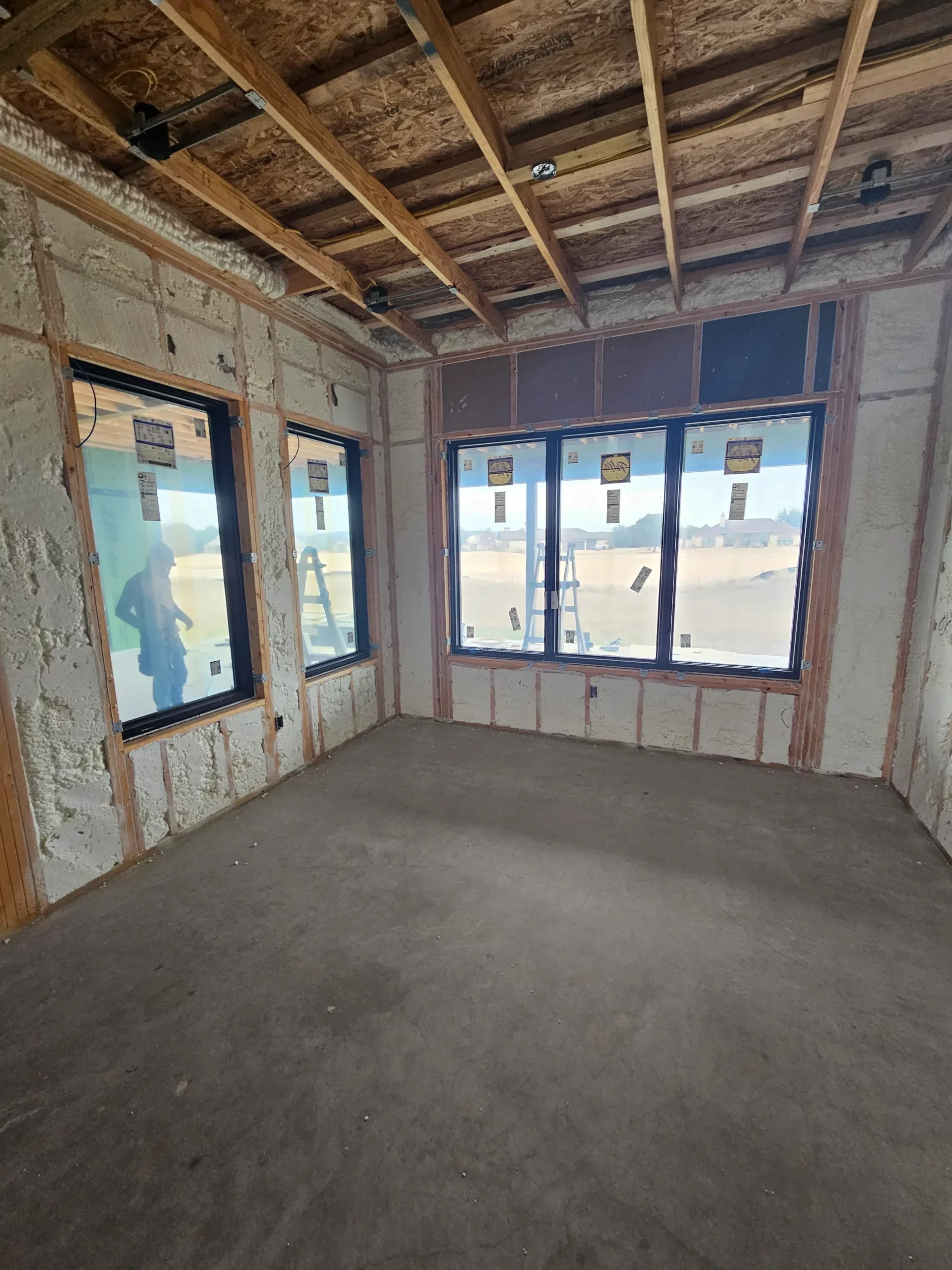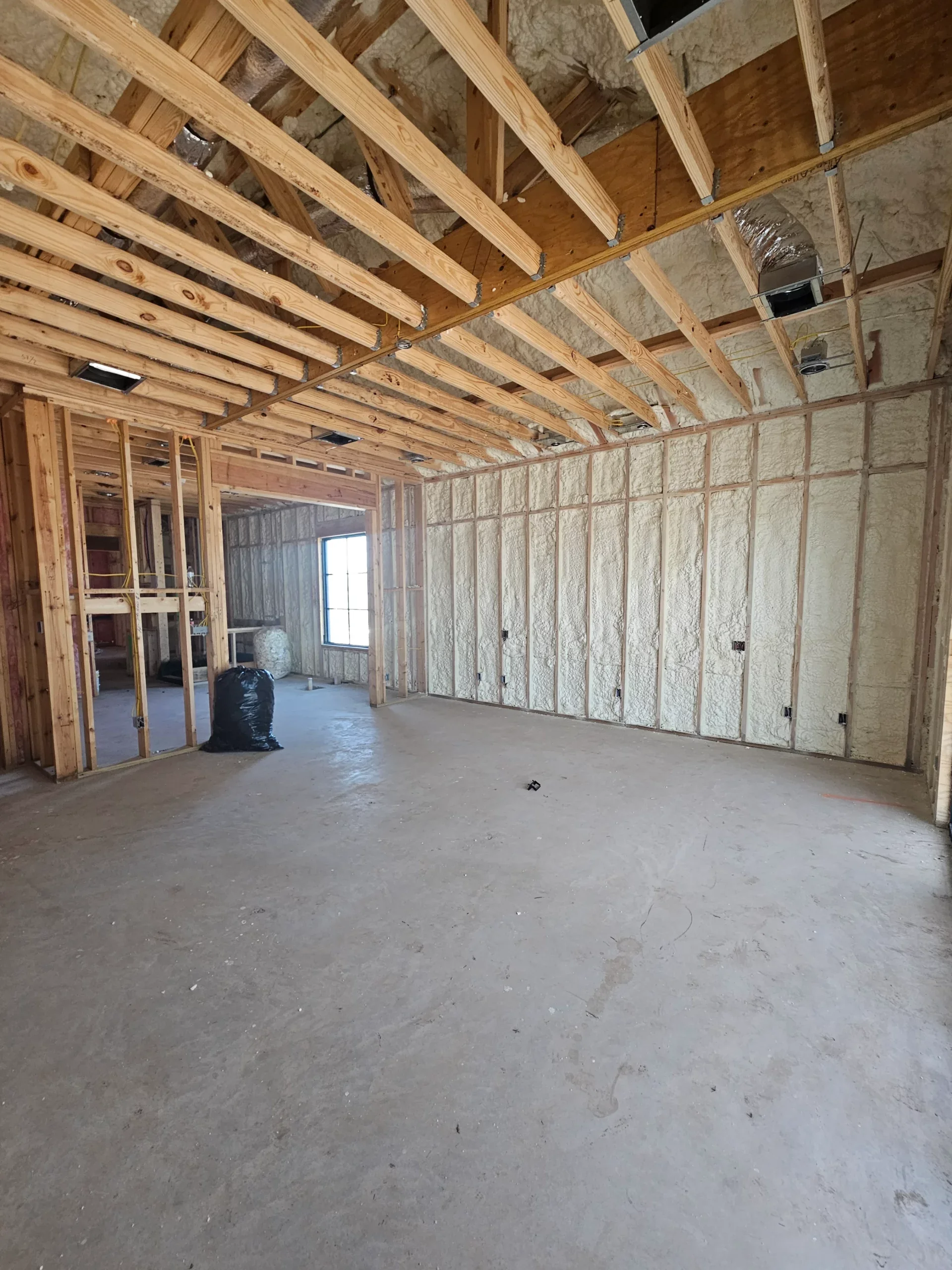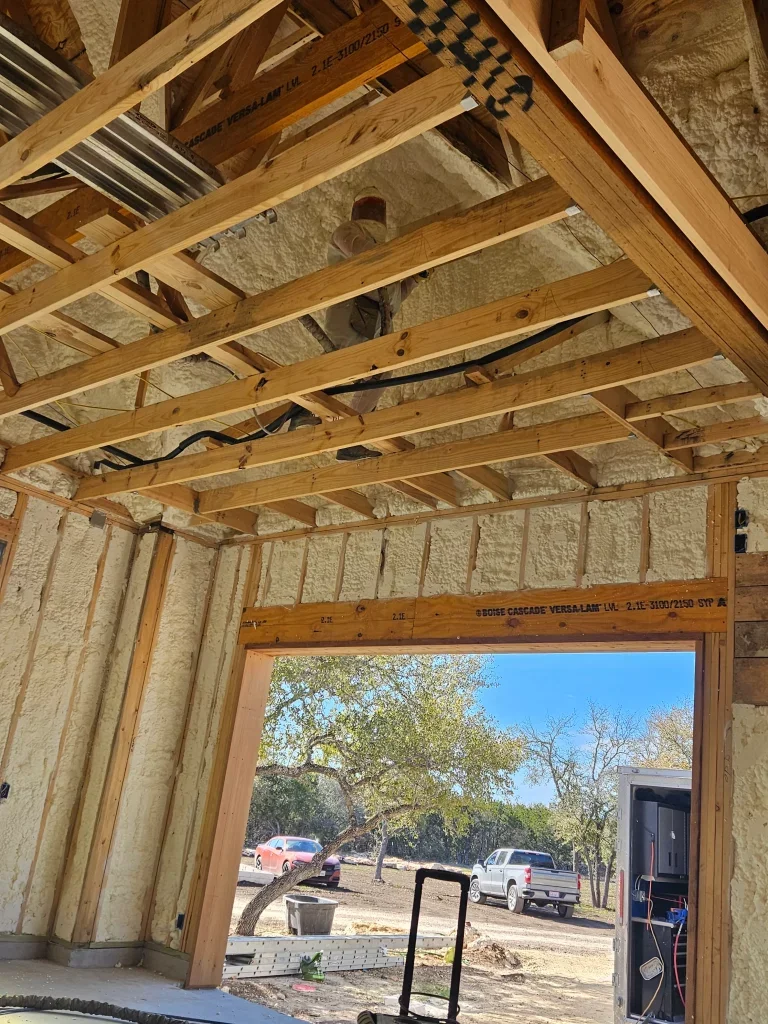
When Should Drafts Lead You to Inspect Your Manor Home’s Insulation?
If you feel a draft, you have an air leakage problem. While many homeowners assume that cold air in the…


If you feel a draft, you have an air leakage problem. While many homeowners assume that cold air in the winter or hot air in the summer is simply a result of “old windows,” the reality is that air moves through the easiest path available. In a manor-style home, those paths often include attic bypasses, recessed light fixtures, electrical outlets, and floor-to-wall junctions. If you feel a consistent breeze in specific areas, your home’s insulation is likely not the only issue; it is a signal that your building envelope has been compromised.
Drafts occur because of a basic principle of building science: air moves from high-pressure areas to low-pressure areas. When your HVAC system runs, or when the wind blows outside, it creates pressure differences that pull air through gaps in your home’s outer shell.
In larger or older manor homes, these gaps are often hidden. You might replace every window and door, yet the draft remains. This happens because the air isn’t coming through the glass; it is traveling through the framing, wiring penetrations, and structural joints in your attic or walls. When insulation is installed without first sealing these air pathways, the insulation acts like a filter rather than a barrier. The air flows right through the material, carrying heat away in the winter and bringing in humidity and heat during the summer.
If you suspect your insulation is no longer doing its job, you should look for physical indicators beyond just the feeling of a draft. These signs often point to a breakdown in the home’s thermal performance.
| Symptom | Potential Cause |
|---|---|
| Cold floors near walls | Rim joist air leakage |
| Drafts around outlets | Lack of air sealing in wall cavities |
| Uneven room temperatures | Attic bypasses or insufficient insulation depth |
| High humidity/musty smell | Air leakage allowing moisture entry |
The most common mistake homeowners make is assuming that adding more insulation will stop a draft. Insulation is designed to slow heat transfer, which is its thermal resistance, or R-value. It is not designed to stop airflow.
To stop a draft, you must have an air barrier. Air sealing is the process of using materials like spray foam or caulk to close the gaps where air enters the home. When you combine high-quality air sealing with proper insulation, you create a system that keeps your conditioned air inside. Without the air sealing component, even the thickest insulation will eventually lose its effectiveness because it becomes a highway for air movement rather than a shield against it.
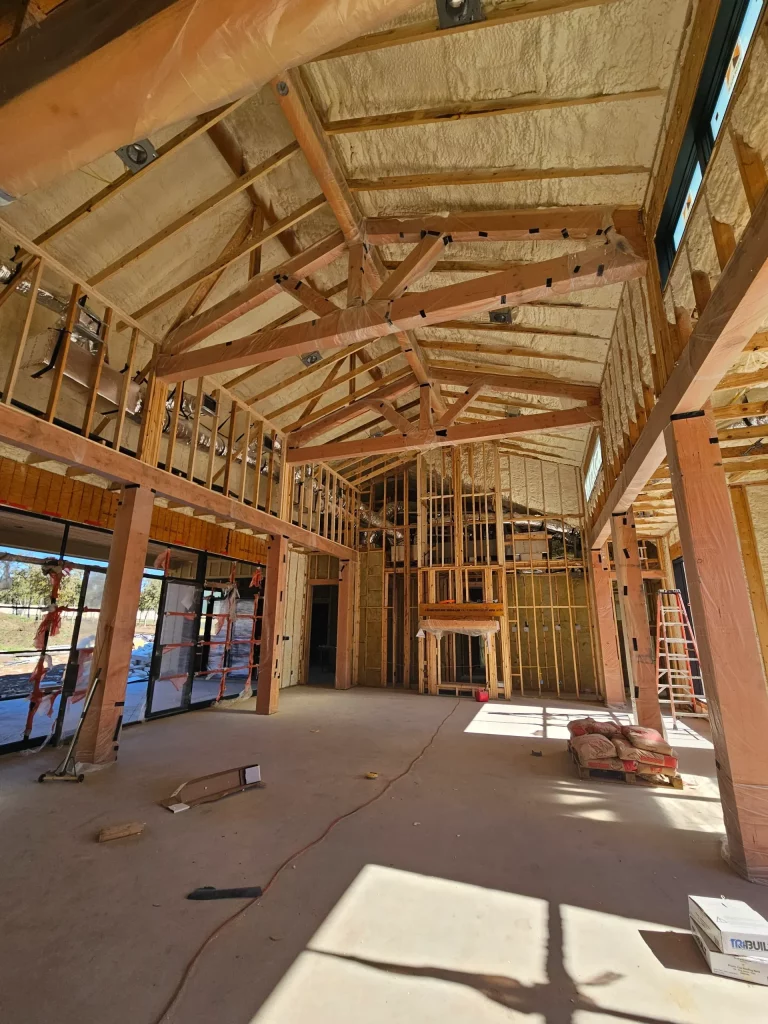
Once you identify that your home needs an upgrade, the material you choose matters. Traditional batt insulation, the fluffy rolls often found in older attics, is prone to sagging, shifting, and leaving gaps over time.
Spray foam is often the preferred choice for manor homes because it serves a dual purpose. It expands to fill every crack, crevice, and odd-shaped cavity, effectively acting as both an insulator and a permanent air seal. According to the U.S. Department of Energy, spray foam can be highly effective in reducing air leakage while providing high thermal resistance per inch. This makes it particularly valuable in our Texas climate, where managing heat gain is just as critical as managing heat loss.
While some maintenance tasks are suitable for DIY, insulation and air sealing require a deep understanding of building science. If you seal a home too tightly without considering proper ventilation, you can inadvertently cause moisture buildup, indoor air quality issues, or even cause your HVAC system to struggle.
A professional inspection involves more than a quick look in the attic. We use specialized tools like thermal imaging cameras to identify exactly where your home is losing energy. This removes the guesswork, ensuring that your investment goes toward the areas that actually need repair. If you are tired of dealing with drafts and rising energy costs, it is time to have your building envelope evaluated by someone who understands how your home’s systems work together.
Schedule Your Professional Evaluation
Do not ignore the warning signs your home is giving you. If you are experiencing persistent drafts, contact Spray Foam Tech at (737) 777-9590 or email us at oldworldtx@hotmail.com to discuss your home’s insulation needs. We can help you identify the root cause of your comfort issues and provide a lasting, efficient solution.
It is often the primary culprit. Heat rises, and if your attic bypasses aren’t sealed, your home acts like a chimney, pulling air in from below.
Savings vary based on your home’s size and current condition, but the Environmental Protection Agency notes that homeowners can save an average of 15% on heating and cooling costs by sealing air leaks and adding insulation.
Yes, when installed correctly by professionals. It can provide structural reinforcement and an airtight seal, though ventilation needs must be assessed during the inspection.
Adding more material without air sealing usually won’t stop drafts. It may even trap moisture, so air sealing should always be the priority.
It is a diagnostic tool used by professionals to measure the airtightness of a home, helping pinpoint exactly where air leakage is occurring.