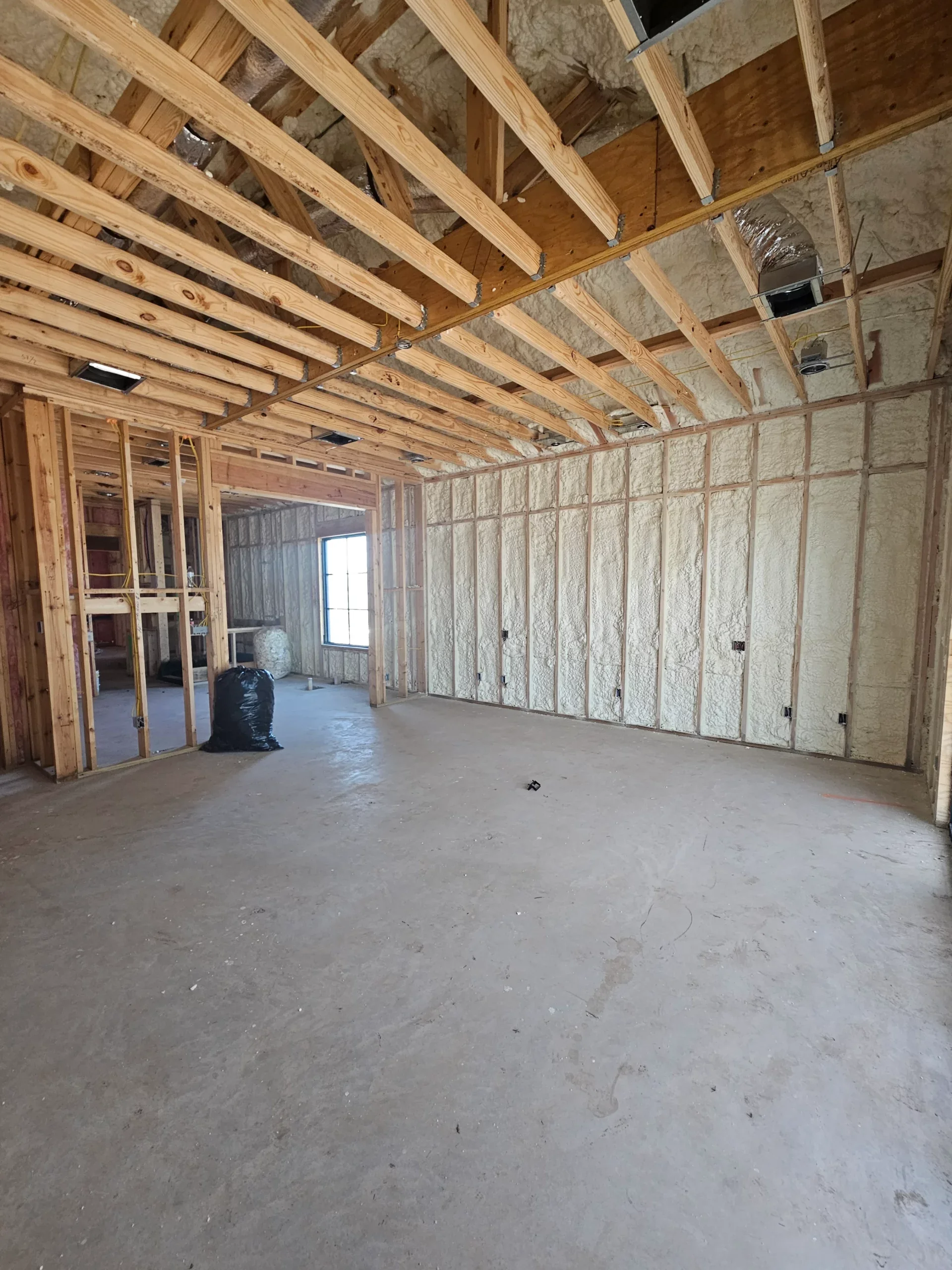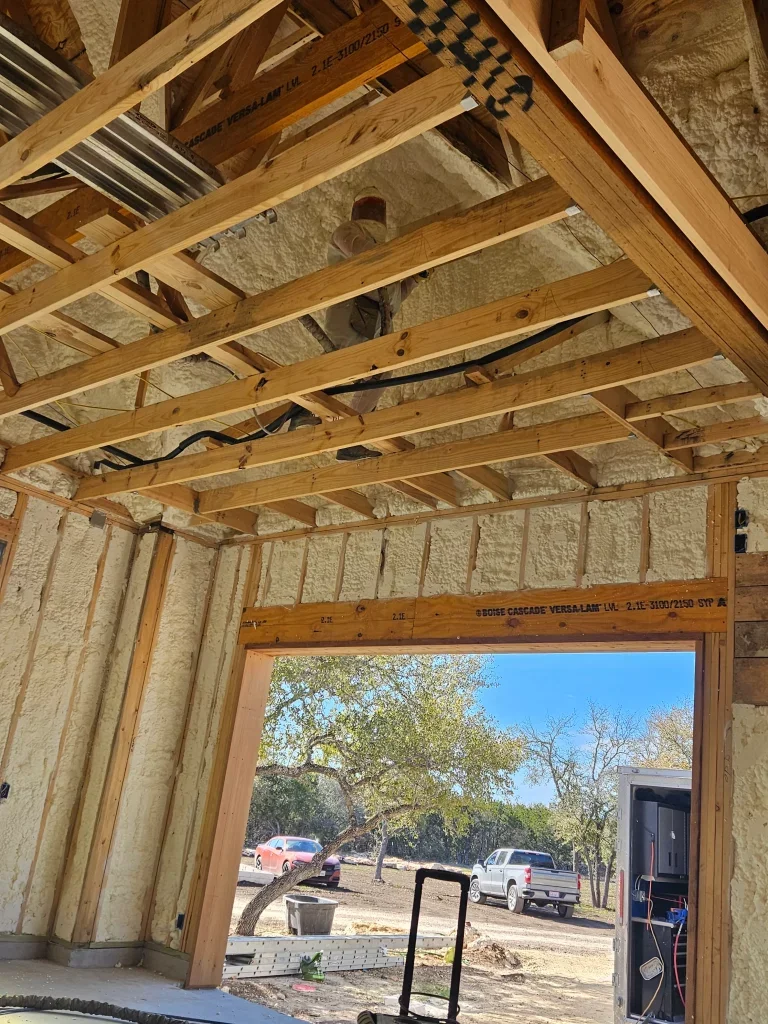
When Should Drafts Lead You to Inspect Your Manor Home’s Insulation?
If you feel a draft, you have an air leakage problem. While many homeowners assume that cold air in the…


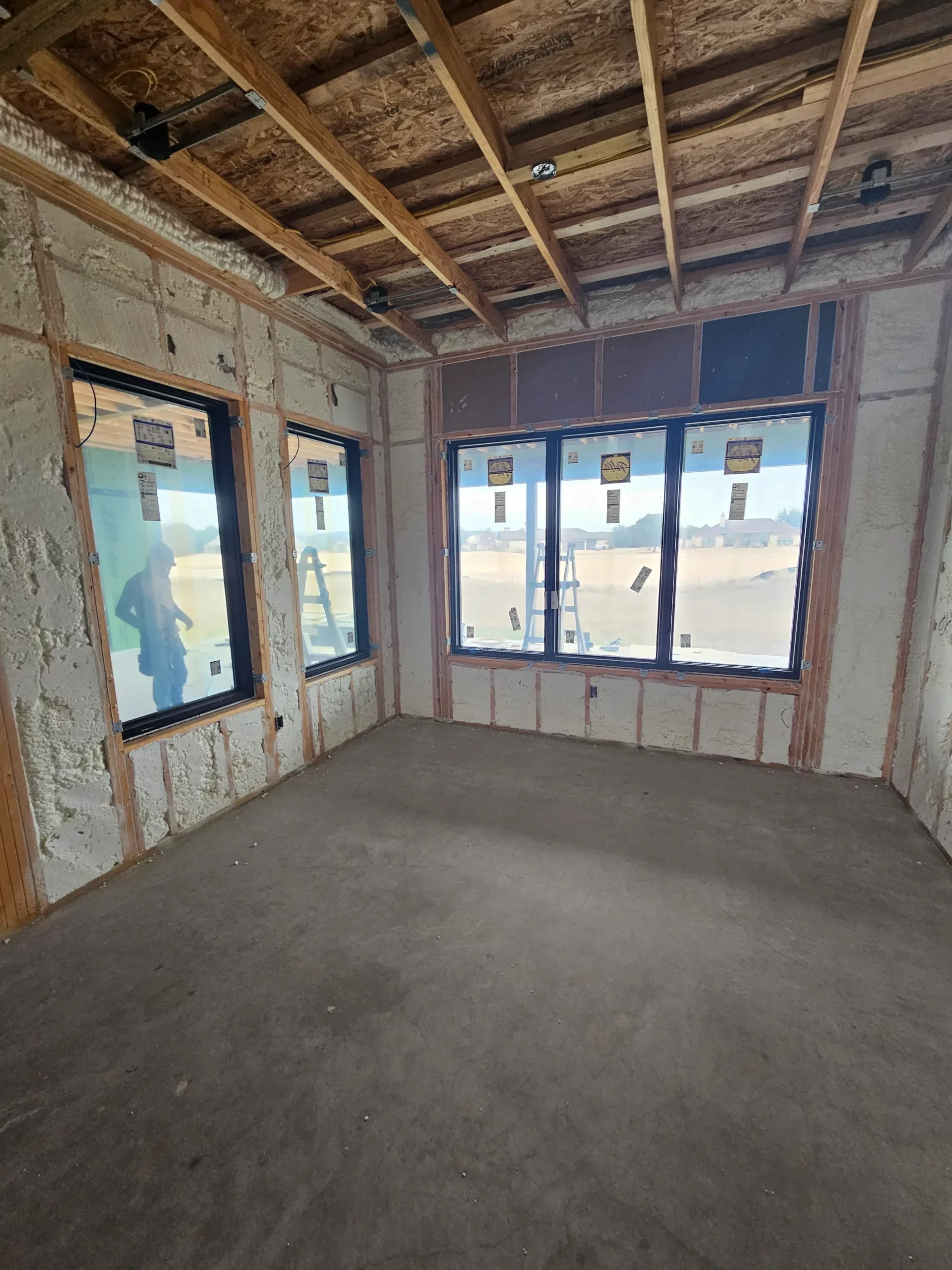
Before hiring a residential insulation contractor in Georgetown, TX, ask about their experience, insurance, home assessment process, recommended insulation materials, R-value, installation methods, written estimates, and warranties. You should also know who will perform the work and how they’ll check the finished installation.
A good contractor should explain what your home needs, why they’re recommending a particular solution, and exactly what you’re paying for.
A contractor’s answers should give you confidence that they understand residential insulation work and can explain how they’ll handle your particular home. Start with qualifications before discussing products or prices.
Ask these questions:
Don’t assume a contractor’s general construction experience means they can install every type of insulation.
A useful insulation recommendation starts with an inspection, not just a price per square foot.
Ask the contractor which areas need attention and what evidence supports that recommendation. Depending on the project, this might involve the attic, exterior walls, crawl space, or other accessible areas.
Ask whether the assessment includes visible air leaks, moisture problems, ventilation concerns, and the condition of existing insulation.
Insulation slows heat transfer, while air sealing addresses unwanted airflow. The two jobs are related, but they aren’t interchangeable.
If the contractor finds damp insulation or signs of a leak, ask how they plan to address the underlying problem before installing new material.
Request a clear explanation of the proposed work.
For example, if a contractor recommends insulating the roofline instead of the attic floor, ask how that choice affects the attic’s thermal boundary, ventilation strategy, and any equipment located there.
The recommendation should fit your home’s construction and intended use, not treat every house as identical.
The material matters, but so do the installation location, coverage, thickness, and surrounding building conditions.
Ask which insulation type the contractor recommends and why. Common residential options include fiberglass, cellulose, and spray polyurethane foam.
| Insulation Type | What to Ask |
|---|---|
| Fiberglass | Will it be installed without gaps, compression, or missing areas? |
| Cellulose | What installed depth and coverage will achieve the proposed performance? |
| Spray foam | Is it open-cell or closed-cell, and what thickness and safety procedures are planned? |
No single material is automatically the right choice for every Georgetown home.
R-value measures resistance to heat flow. Ask for the proposed R-value, installation location, and the material depth or thickness needed to achieve it.
The U.S. Department of Energy explains that insulation recommendations depend on factors such as climate, location within the home, and existing insulation.
A quote that simply says “insulate attic” leaves out information you need to compare proposals.
A written estimate lets you compare the actual work instead of guessing why one contractor charges more than another.
Ask for an itemized proposal that identifies:
Also ask what could cause the final price to change.
Two estimates may look similar until you discover that one includes preparation and cleanup while the other doesn’t. A lower quote isn’t necessarily a better value if it leaves important work unfinished.
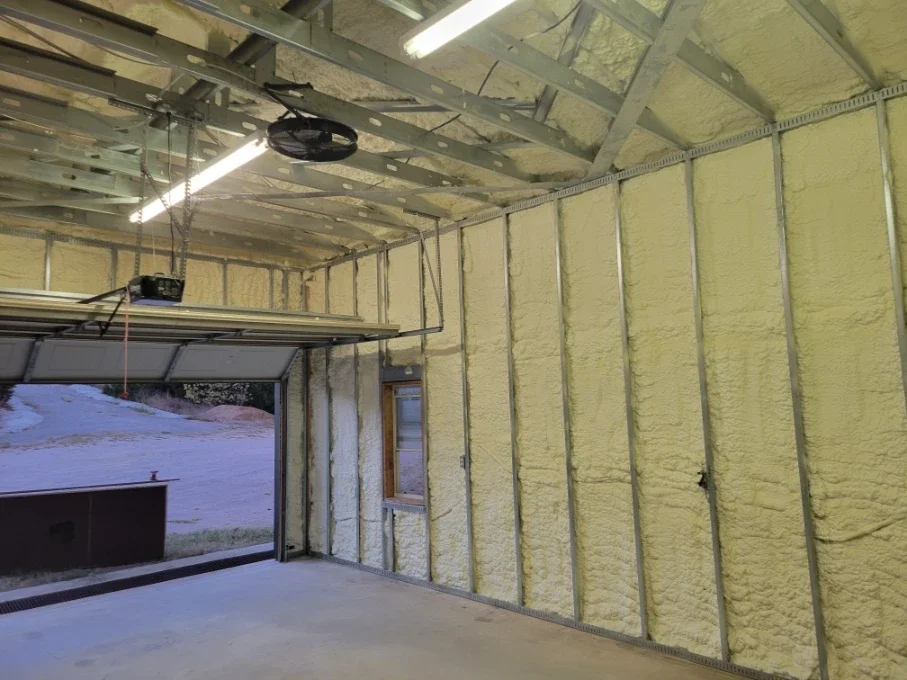
The installation process affects both the finished result and what happens inside your home while work is underway.
Ask how the crew will protect occupied spaces, handle ventilation requirements, and inspect its work.
If you’re considering spray foam insulation, ask about the product being used, protective equipment, ventilation, restricted access during application, and when occupants can safely return.
The U.S. Environmental Protection Agency provides guidance on spray polyurethane foam exposure risks and precautions.
Don’t accept a universal reentry time without knowing the product and installation conditions. Ask the contractor to explain the manufacturer’s instructions for the specific material.
Ask how the crew will confirm coverage, installed depth or thickness, and areas that may have been missed.
For spray foam, discuss how thickness will be checked. For other insulation types, ask how the installer will confirm the required coverage and avoid gaps.
The ENERGY STAR guidance on sealing and insulating homes also reinforces the value of addressing air leakage alongside insulation.
Ask whether the contractor offers a workmanship warranty and whether the insulation product has a separate manufacturer warranty.
Get the terms in writing, including exclusions, claim procedures, and who handles corrections if a problem appears.
Once you’ve received proposals, compare them using the same criteria.
| Compare | What to Look For |
|---|---|
| Qualifications | Relevant experience, insurance, references |
| Assessment | Clear explanation of existing conditions |
| Specifications | Material, location, R-value, thickness |
| Scope | Preparation, installation, cleanup, exclusions |
| Accountability | Quality checks, written warranty, contact person |
Before signing, ask the contractor to clarify anything missing from the proposal.
For Georgetown properties, also ask whether the planned work requires permits or inspections under the rules applicable to your specific address. Requirements can depend on the project and jurisdiction, so don’t assume every home follows the same process.
The strongest proposal is the one you can understand, verify, and compare, not simply the one with the lowest number.
If you’re reviewing insulation options for a home in Georgetown, TX, Spray Foam Tech can be one of the contractors you contact to discuss your project.
Ask us about the proposed installation area, insulation options, written scope, and project requirements so you can evaluate the recommendation before making a decision.
Phone: (737) 777-9590 Email: oldworldtx@hotmail.com
Yes. Multiple written estimates help you compare materials, R-values, preparation, warranties, and exclusions instead of choosing a contractor based on price alone.
Not always. Each material has different properties, installation requirements, and costs. The better choice depends on your home’s construction, location, and project goals.
Often, yes. Ask the contractor to identify air leaks and explain which areas need sealing before insulation covers them.
Requirements depend on the work and the property’s jurisdiction. Ask the contractor and confirm applicable permit or inspection requirements with local officials.
Ask for documented coverage, installed thickness or depth, applicable quality checks, and confirmation that the finished work matches the written proposal.