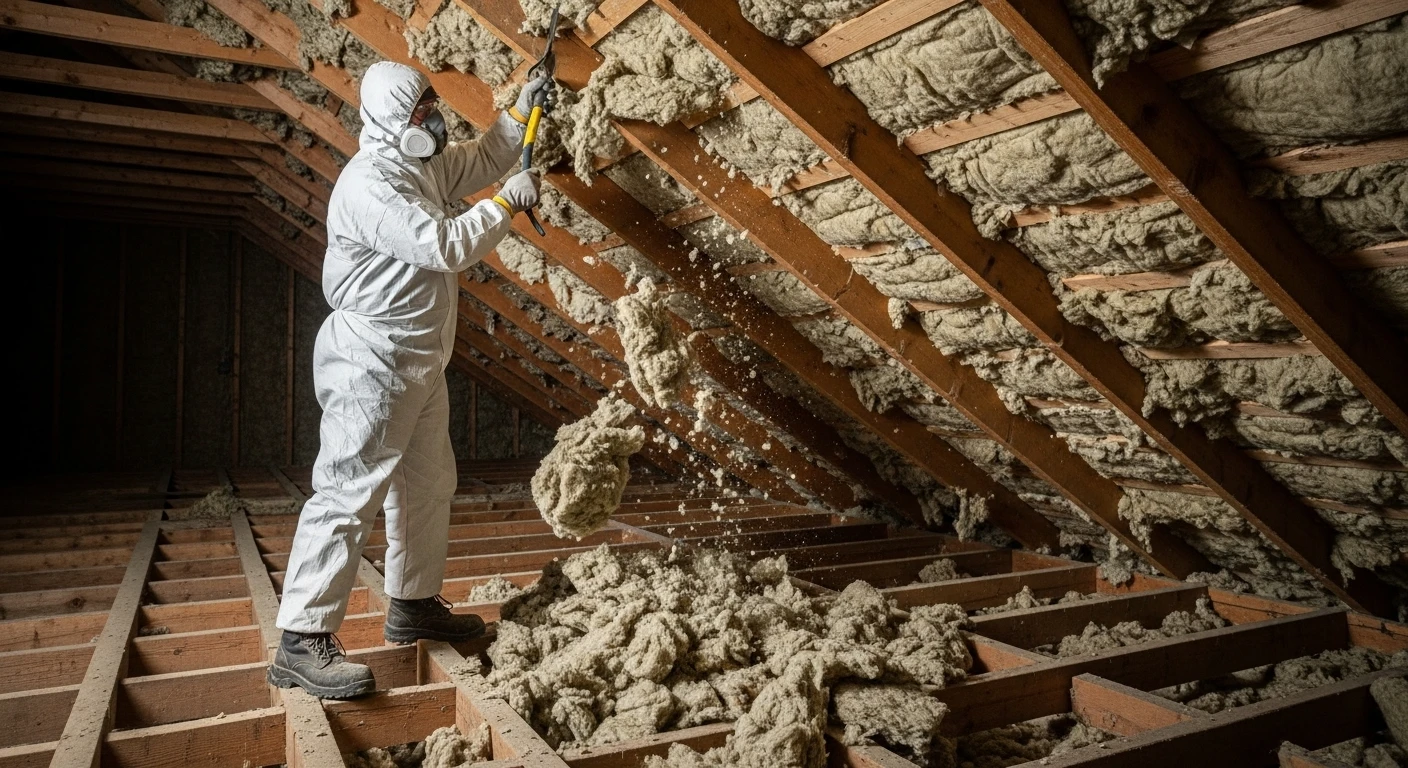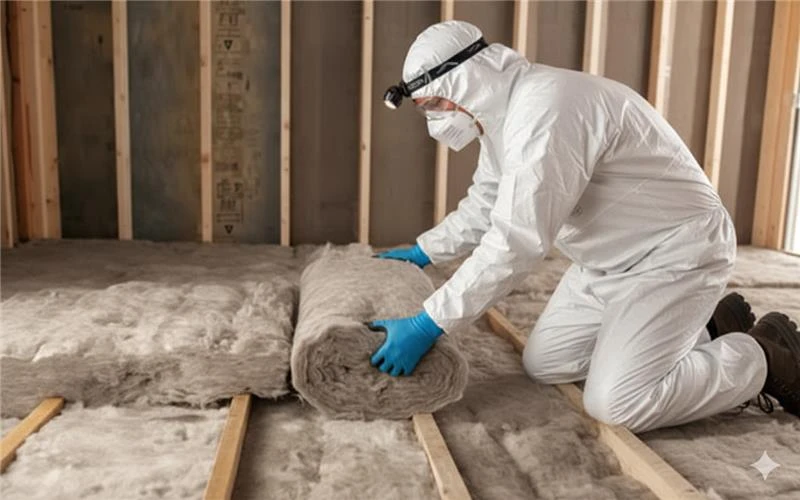
The Complete Property Owner’s Guide to Insulation Removal and Replacement
Your home’s insulation works quietly behind the scenes, but when it fails, the consequences become impossible to ignore. Skyrocketing energy…


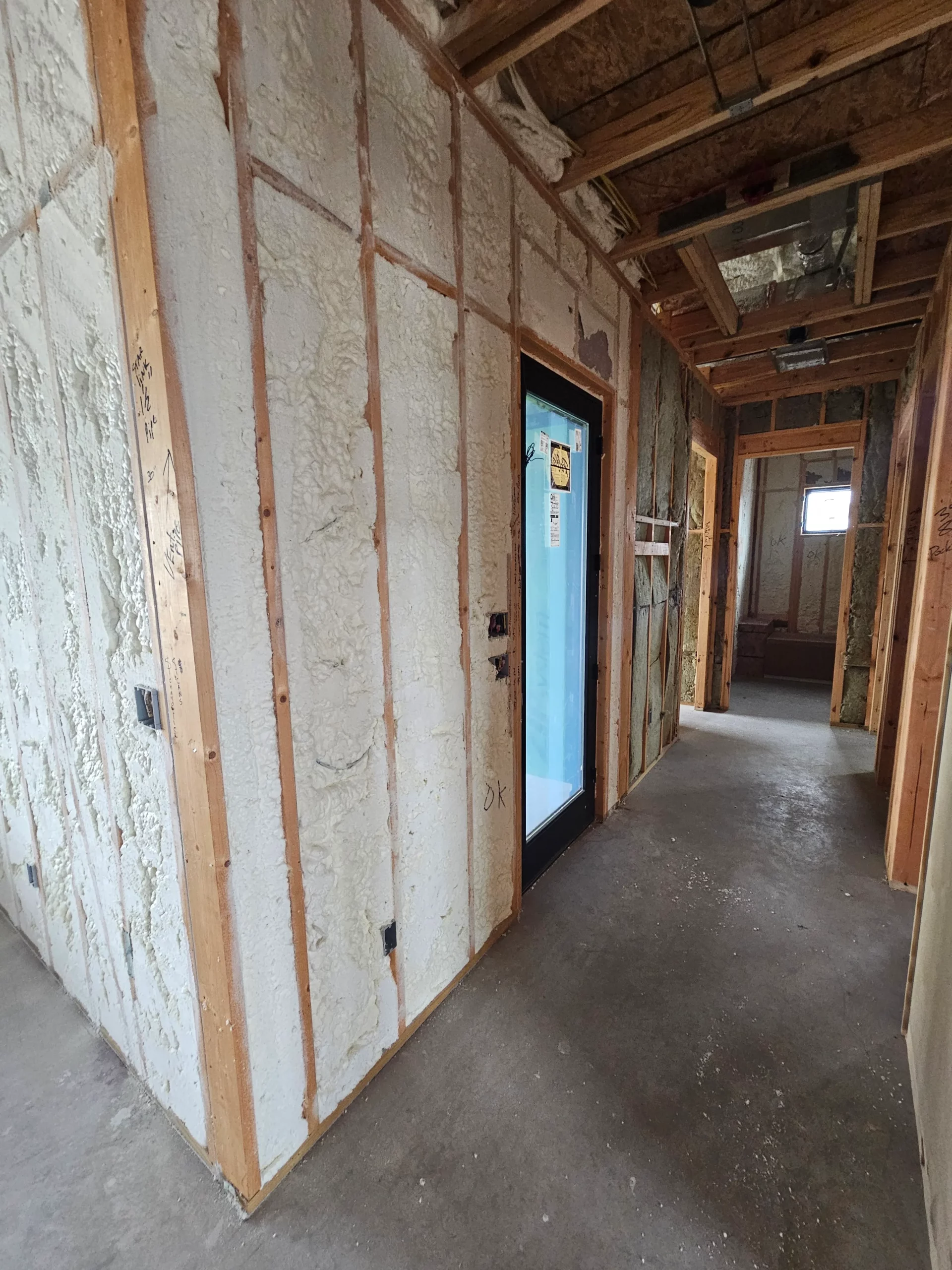
Ice dams form when heat escapes from the conditioned space, warms the attic, and melts snow on the roof. This water runs to the cold eaves where it refreezes, creating damaging ice ridges. Closed-cell spray foam insulation solution prevents ice dams by addressing the root cause: heat loss. Applied directly to the underside of the roof deck, closed-cell foam creates an airtight thermal barrier that stops warm air from reaching the sheathing, which keeps the roof surface uniformly cold and prevents the melt-freeze cycle necessary for dam formation.
Even in Manor, TX, where heavy snowfall is rare, intermittent freezing rain and cold snaps followed by sun exposure can cause significant ice buildup, especially on poorly insulated roofs. Protecting the structure and prolonging roof life requires understanding the science of thermal bridging and air sealing. The detailed process below outlines exactly how this method works in the Central Texas climate.
An ice dam is fundamentally an insulation and ventilation failure, not primarily a roofing issue. When the temperature outside drops below freezing, a home’s heating system warms the indoor air. If the attic or roof assembly is insufficiently insulated, heat radiates upward and escapes into the attic.
This escaping heat warms the roof deck, causing snow or frost above that specific area to melt. As that melted water runs down the roof toward the eaves—the overhang that is typically much colder because it extends past the insulated house walls—it hits freezing temperatures again. The water refreezes, forming a barrier. Subsequent meltwater pools behind this barrier, often backing up under shingles and causing severe leaks and structural damage.
This cycle is particularly risky in climates like Manor, TX, which experience wide temperature swings. A warm, sunny day following a hard freeze can generate substantial meltwater, even with minimal snow cover. The problem is compounded if the home relies on traditional insulation placed on the attic floor, as this method allows warm air to flow freely into the attic space through gaps around ceiling fixtures and utility penetrations.
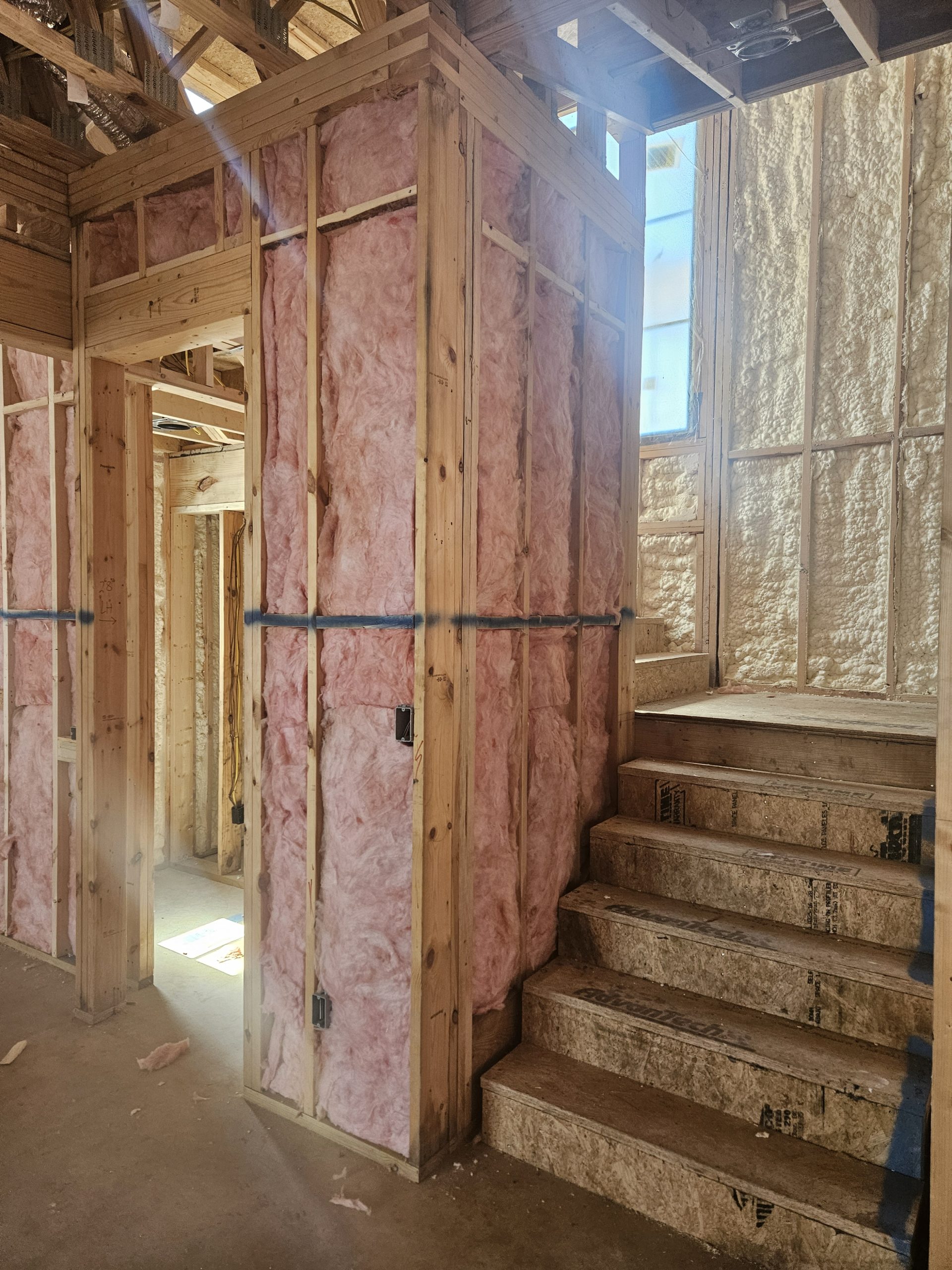
Closed-cell spray foam insulation in Manor, TX functions differently than traditional materials like fiberglass or cellulose because it tackles the two primary causes of heat loss: conduction (R-value) and convection (air movement). This dual-action approach is why it is highly effective against ice dam formation.
Closed-cell foam is distinguished by its high density and rigid structure. This density provides an impressive R-value per inch, often double that of standard materials. The Department of Energy confirmed that properly installed spray foam systems achieve a higher effective R-value than batt insulation because they stop air movement completely.
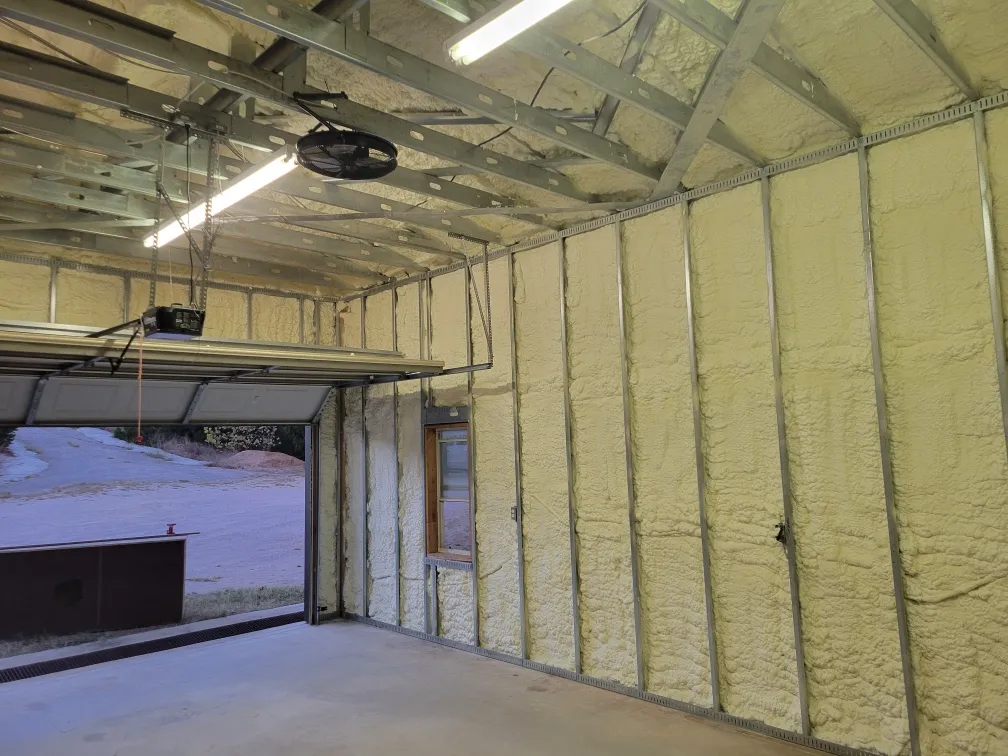
Crucially, as a two-part liquid applied directly to the roof deck, the foam expands and hardens, creating a continuous, monolithic layer. This layer fills every gap, crack, and void, effectively sealing the attic from the living space below and blocking uncontrolled air leakage. This air sealing is the most important factor in preventing ice dams because it stops warm, moist indoor air from migrating into the attic and pressurizing the space.
Bonus Tip 1: When installing closed-cell foam in a Central Texas attic space, it is necessary to apply at least two inches to ensure a proper vapor barrier. This requirement holds true even when local code only mandates a specific R-value. This thicker application minimizes condensation risk during high-humidity periods, adding extra durability to the roof assembly.
Understanding why closed-cell foam is the superior choice for thermal control requires comparing its performance characteristics against common alternatives, especially concerning air movement and moisture resistance, which are critical in preventing ice dams.
| Insulation Type | Typical R-Value (per inch) | Air Barrier Capability | Water/Moisture Permeance | Primary Ice Dam Prevention Method |
|---|---|---|---|---|
| Closed-Cell Spray Foam | R-6.0 to R-7.0 | Excellent (High-Density Seal) | Low (Vapor Retarder) | Stops heat conduction and convection |
| Open-Cell Spray Foam | R-3.5 to R-4.0 | Good (Air Sealing) | High (Water Permeable) | Stops convection; requires a separate vapor barrier |
| Fiberglass Batts | R-2.9 to R-3.8 | Poor (Requires separate barrier) | Low | Relies solely on R-value; fails due to air bypass |
| Loose-Fill Cellulose | R-3.7 to R-3.8 | Moderate (Denser Pack) | Low | Relies on thickness and density; settles over time |
The application of closed-cell spray foam directly to the underside of the roof deck moves the thermal boundary from the attic floor to the roof line, which effectively creates a semi-conditioned attic space. Equipment located within this new envelope, such as HVAC ducts, is protected from the extreme heat of Texas summers and the intermittent cold of winter. Crucially, this system ensures the roof sheathing stays uniformly warm, eliminating the cold eave/warm roof deck contrast that causes ice dams.
In Manor and the surrounding areas, this means HVAC systems run much more efficiently. Experts from ASHRAE recognize that sealing and insulating ducts that run through unconditioned attics can reduce system cooling losses by 20% or more, resulting in significant energy savings. When the attic temperature matches the interior temperature closely, there is no significant temperature difference to drive the melt-freeze cycle that creates ice dams.
Bonus Tip 2: For Central Texas homes that frequently experience high attic temperatures in the summer, shifting to a sealed, conditioned attic space eliminates the extreme heat load that accelerates shingle deterioration and drastically improves the lifespan of roofing materials.
Choosing the right approach to ice dam prevention requires careful assessment of the existing structure and long-term goals. Considering these factors is necessary before proceeding with closed-cell spray foam application.
If the goal is to prevent ice dams using foam applied to the roof deck, traditional attic ventilation (e.g., ridge vents, soffit vents) must be eliminated or covered. The attic space transforms into a part of the building envelope, making ventilation redundant and counterproductive for moisture control. Before application, the roof deck must be structurally sound and free of existing leaks. Repairing existing flashing or structural damage is mandatory before the foam is applied.
Closed-cell foam is a complex chemical product requiring specialized equipment and training. The quality of installation directly determines its effectiveness as a thermal barrier and vapor retarder. In Travis and Williamson counties, local building codes dictate minimum required R-values and fire codes regarding insulation application. Selecting an applicator familiar with these specific requirements prevents future inspection issues. A reputable installer prioritizes adherence to these standards.
Bonus Tip 3: Always verify the warranty terms provided by the installer, which should cover material defects and application quality. A long-term warranty reflects confidence in the foam’s ability to maintain its thermal properties over decades.
Most roofing manufacturers’ warranties cover defects in the exterior material and installation. Sealing the attic from the inside with spray foam insulation in Manor, TX typically does not void the shingle warranty, but it is always necessary to review the specific shingle manufacturer’s guidelines. In many cases, creating a cooler attic environment, especially during hot Texas summers, helps shingles last longer.
All spray foam products must meet stringent fire safety standards. After application, a thermal barrier (like intumescent paint or drywall) is typically required by code, especially in living spaces or accessible attics, to protect the foam from ignition. Installers must adhere to these requirements strictly.
Heat cables address the symptom (the ice formation) by actively melting the ice after it forms. They are expensive to run and require electricity. Closed-cell spray foam addresses the root cause (heat loss and air leakage) passively, saving energy year-round and eliminating the condition that creates the dam in the first place.
Yes. Closed-cell foam application is complex, requiring specific temperatures, mixing ratios, and protective gear. Improper mixing leads to poor curing, low R-value, and potential long-term off-gassing issues. Professional applicators ensure the foam is installed to manufacturer specifications and achieves the intended density and R-value.
Once cured, closed-cell spray foam is a permanent material that maintains its R-value and structural integrity indefinitely. Unlike batts, it does not settle, compress, or degrade over time, meaning its ice dam prevention capabilities remain consistent throughout the life of the structure. The Texas A&M Energy Systems Laboratory supports the long-term effectiveness of sealed foam attic systems.
Preventing ice dams in Manor, TX, ultimately comes down to creating a superior thermal envelope that eliminates uncontrolled heat transfer. Closed-cell spray foam achieves this by delivering exceptional R-value while simultaneously providing a continuous air and moisture barrier directly at the roof line. Property owners must evaluate their specific structure’s vulnerabilities, focusing on existing air leakage and inadequate insulation depth. Investing in the right insulation system today prevents costly, weather-related repairs tomorrow.
For those seeking expert assessment and technical specifications for managing temperature and moisture within the attic space, consider contacting the experts at Spray Foam Tech. The team’s experience and knowledge of local building science ensure a high-quality application tailored to the Central Texas environment. Reach the team directly by email at oldworldtx@hotmail.com or call (737) 777-9590 to discuss how closed-cell spray foam can protect your property from thermal issues and potential ice damage.