The Complete Property Owner’s Guide to Insulation Removal and Replacement
Your home’s insulation works quietly behind the scenes, but when it fails, the consequences become impossible to ignore. Skyrocketing energy…


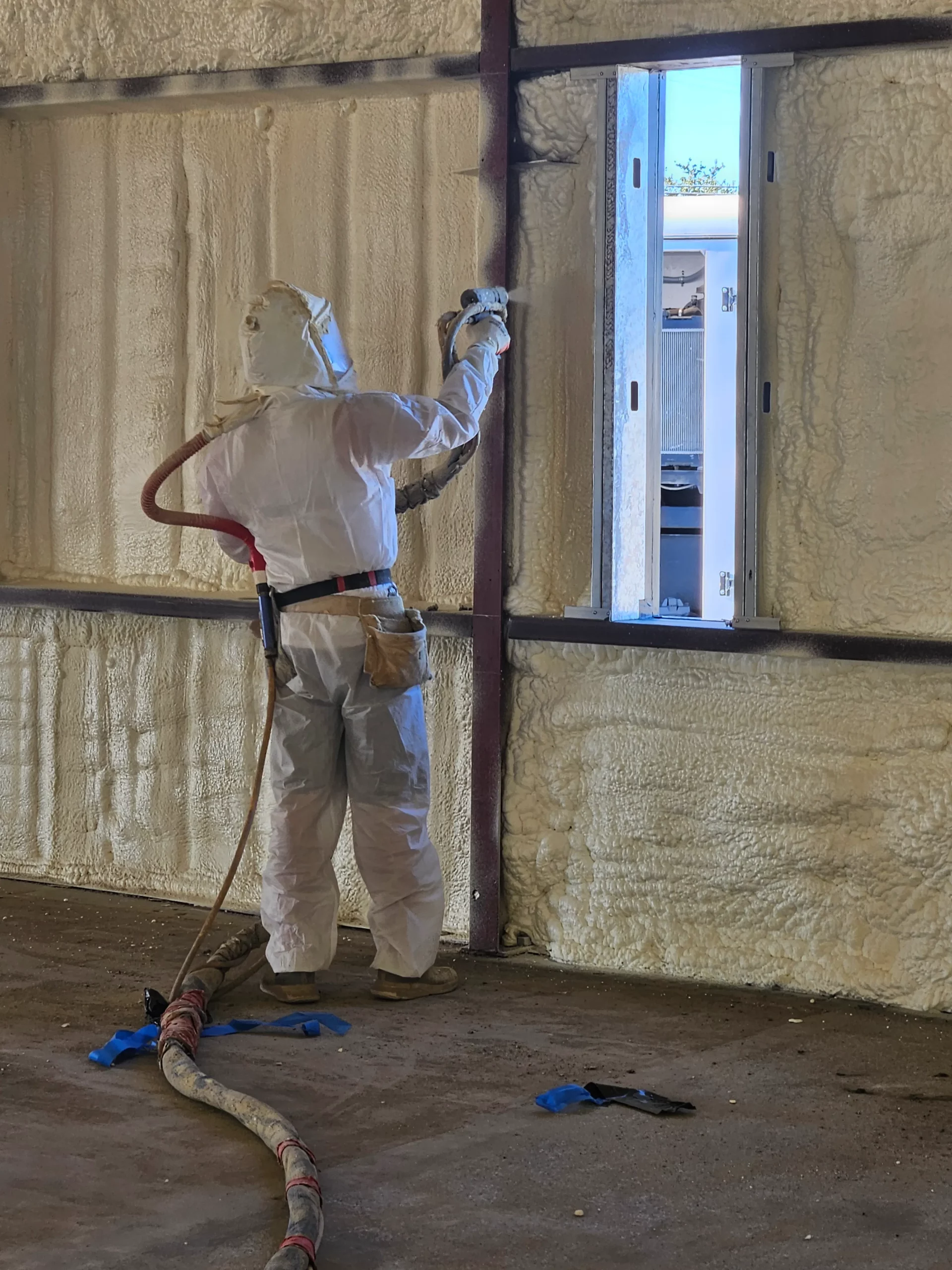
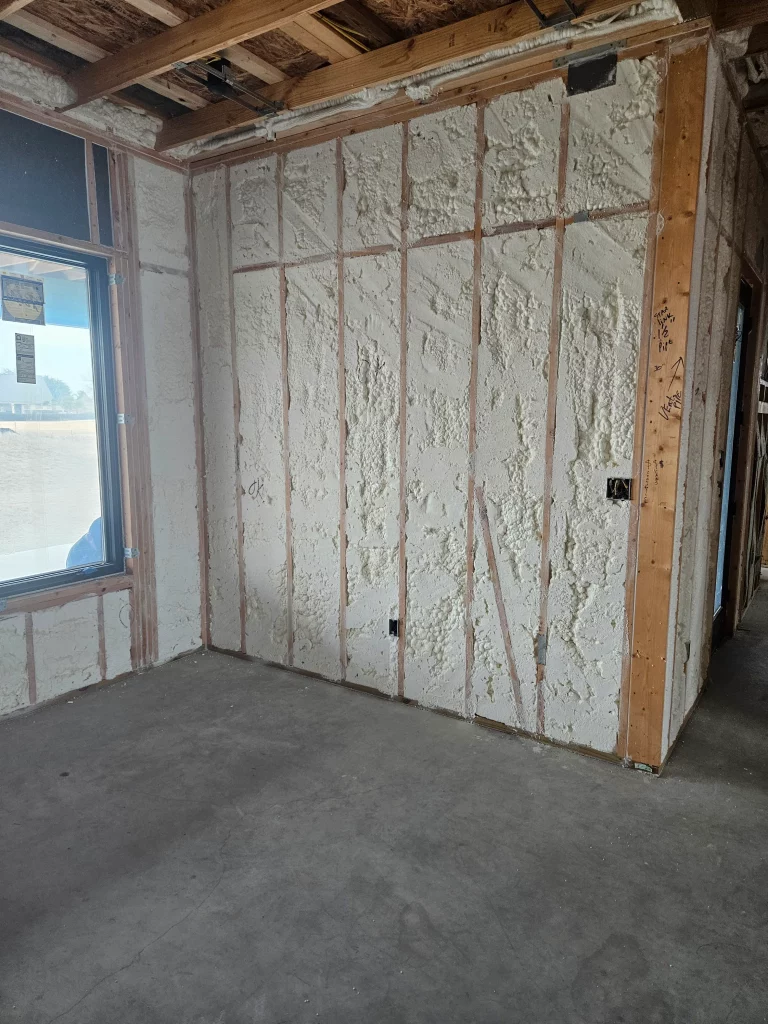
The pinnacle of thermal performance in insulation is achieved when a material provides both maximum thermal resistance and an effective air seal. Closed-cell spray foam excels in this regard due to its high density and unique structure: a matrix of sealed pockets containing an insulating gas. This gas has exceptionally low thermal conductivity, allowing closed-cell foam to achieve a high R-value, typically between R-6.5 and R-7.0 per inch. Its dense structure also creates a complete barrier against air movement and moisture, leading to superior energy savings compared to materials that only rely on thickness.
To understand why closed-cell foam is a benchmark for thermal efficiency, it is essential to examine the principles of heat transfer and the role of the R-value measurement. This exploration provides clear, practical insights into insulation performance and how different materials compare.
The R-value is the industry-standard measurement for an insulation material’s ability to resist the flow of heat through conduction. A higher R-value indicates greater insulating power. It is the inverse of thermal conductivity and is measured over a specific thickness.
The overall thermal performance of a building’s envelope depends on both the R-value of the insulation and its capacity to prevent air infiltration. Air leaks can significantly reduce the effectiveness of even highly-rated insulation. The U.S. Department of Energy (DOE) emphasizes that air sealing is a critical step in reducing energy bills, underscoring the importance of insulation products that serve both functions effectively.
Closed-cell foam is created by mixing two liquid components that react to form a rigid, high-density foam. Unlike open-cell foam or traditional insulation batts, its cell structure is completely sealed, trapping the blowing agent gas inside. This trapped gas is denser and less conductive than air, which is why the foam achieves nearly double the R-value per inch of most conventional insulation types. Furthermore, its rigid structure prevents it from settling or degrading over time, ensuring it maintains its rated R-value for the life of the building.
Closed-cell foam typically has a density of 1.75 to 2.0 pounds per cubic foot. This density offers two key advantages:
The small, dense bubbles also prevent water vapor from passing through, making it an excellent vapor retarder, which is particularly important in below-grade applications or high-humidity environments.
Bonus Tip: When hiring a contractor, always verify the quality of the foam’s adhesion. Improper surface preparation or incorrect mixing ratios can compromise the sealed cell structure, reducing its effectiveness as both a thermal and moisture barrier.
The following comparison illustrates why closed-cell foam is often the preferred choice when space is limited but maximum thermal performance is required. It is important to remember that R-value alone does not provide a complete picture; the ability to air seal the structure is also a critical factor.
This table highlights the differences in density and thermal resistance among common insulation types:
| Insulation Type | Typical R-Value (per inch) | Density (lbs/sq ft) | Primary Advantage |
|---|---|---|---|
| Closed-Cell Spray Foam | R-6.5 to R-7.0 | 1.75 – 2.0 | Maximum thermal and air barrier |
| Open-Cell Spray Foam | R-3.5 to R-3.7 | 0.4 – 0.6 | Excellent air barrier, affordability |
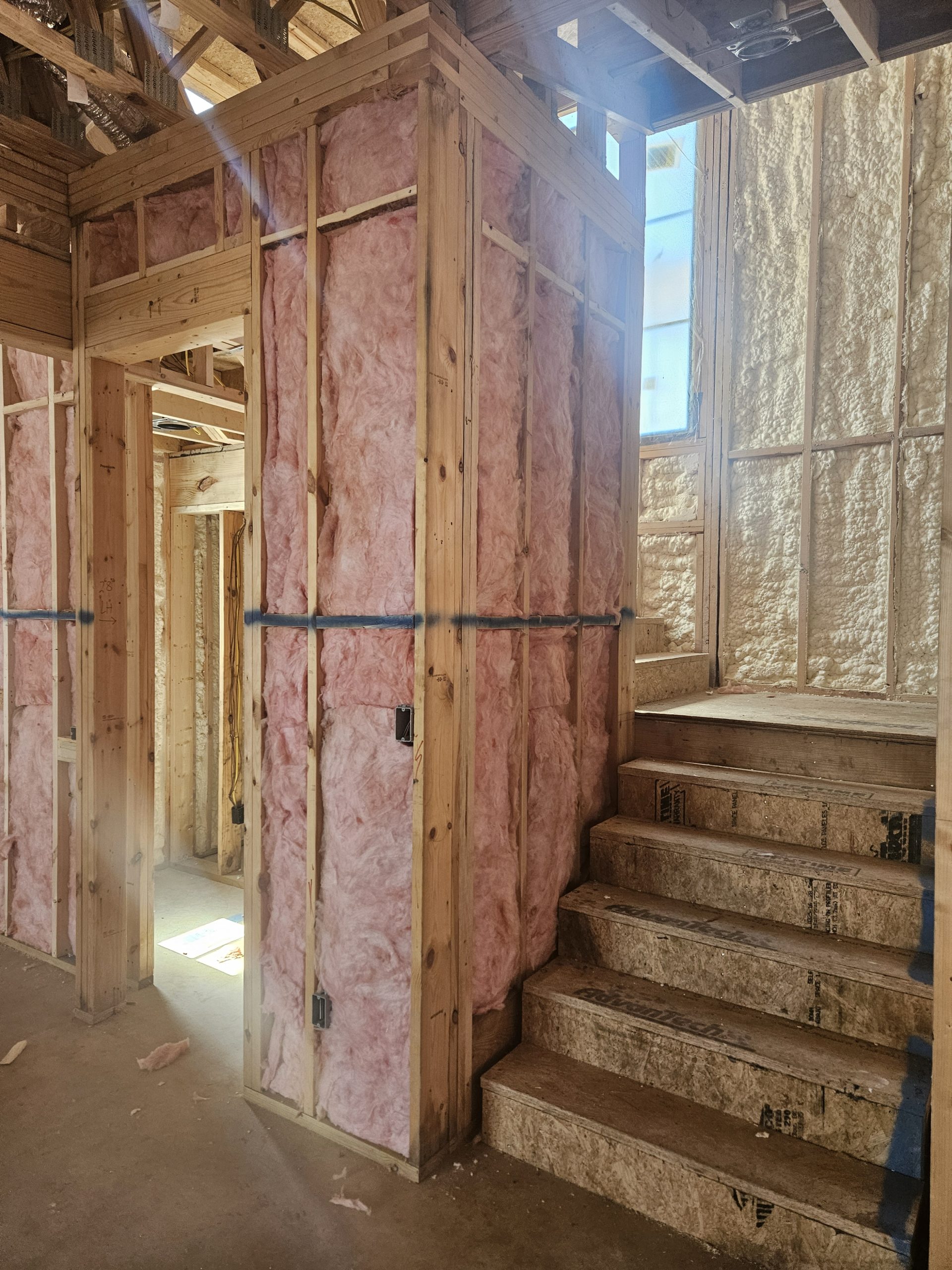
| Fiberglass Batts | R-3.0 to R-4.0 | Low | Low cost, easy installation in standard framing |
| Extruded Polystyrene (XPS) | R-5.0 | 1.8 – 2.2 | Water resistance, structural rigidity |
The thermal efficiency of closed-cell foam is documented by bodies like the Environmental Protection Agency (EPA), which noted its superior performance in preventing air leakage, a major contributor to energy waste. This efficiency leads to smaller heating and cooling loads and allows for reduced equipment sizes.
Insulation requirements vary based on geographic location. For instance, the DOE sets specific R-value recommendations for eight defined Climate Zones across the United States. In colder regions, such as Zone 5, an attic may require an R-value between R-49 and R-60. Achieving this with lower R-value materials in shallow framing can be challenging and may encroach on usable space.
Closed-cell foam resolves this issue. A three-inch layer can provide an R-value of R-18 to R-21, fitting easily into standard 2×4 or 2×6 wall cavities while outperforming thicker batt insulation. In humid regions like the Gulf Coast, its built-in vapor-retarding properties are highly beneficial, preventing moisture-laden air from causing condensation and mold growth within wall cavities.
Bonus Tip: Always confirm the material’s perm rating for the installed thickness. In some high-humidity climates, two inches of closed-cell foam may be needed to qualify as a Class II vapor retarder and protect the structure.
Choosing high R-value spray foam insulation is a significant decision that requires careful planning.
Bonus Tip: When insulating an existing structure, assess the compatibility of the foam with existing materials. Some older buildings may require ventilation modifications before being sealed with dense foam.
The R-value of closed-cell foam is generally stable. An initial slight reduction, known as thermal drift, occurs as some of the blowing agent gas is replaced by air, but this stabilizes quickly, and the R-value remains constant for decades.
Yes, closed-cell foam adheres well to metal, making it an ideal solution for insulating metal buildings. It prevents thermal bridging and condensation, which are common issues in such structures.
The solid, dense nature of closed-cell foam creates an inhospitable environment for rodents and insects. It provides no food source and is difficult to nest in, contributing to a tighter and healthier building.
Closed-cell foam is highly resistant to water absorption and has a low perm rating, meaning it resists the passage of water vapor. This is a key advantage over open-cell foam or fiberglass, which can lose insulating capacity when wet.
Understanding R-value is just the first step toward effective thermal performance. True energy efficiency comes from addressing all three types of heat transfer: conduction (resisted by R-value), convection (stopped by air sealing), and radiation. Closed-cell foam offers the highest R-value per inch, combined with a powerful air and vapor barrier, tackling conduction and convection simultaneously. When evaluating insulation, consider long-term performance, durability, and the material’s ability to provide continuous thermal protection, not just the initial cost.
To maximize the thermal performance of your next project, expert guidance is crucial. Proper installation is as important as the product itself. For a detailed consultation on closed-cell foam applications, thermal standards, and site-specific climate requirements, Contact Spray Foam Tech. The team can provide technical data and project assessments to guide your decision-making. Reach out at oldworldtx@hotmail.com or call (737) 777-9590.