Energy-Efficient Homes: Best Spray Foam Insulation in Pflugerville, TX
Direct Answer Choosing the right insulation services in Pflugerville depend on your specific energy goals, budget, and the areas you…


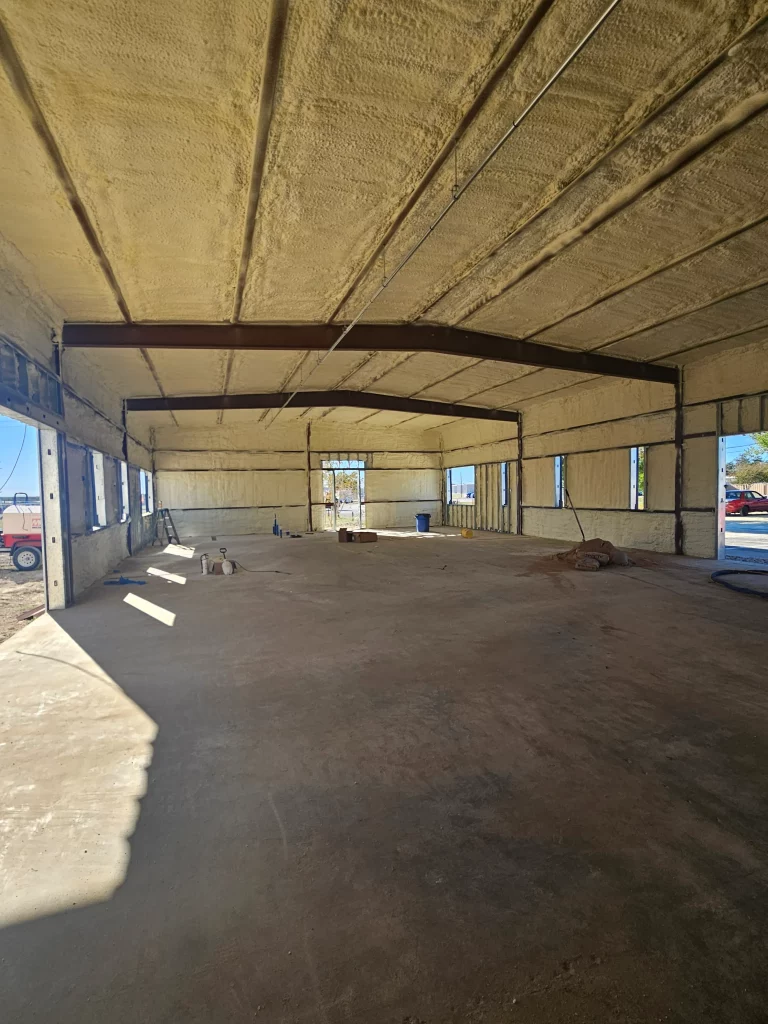
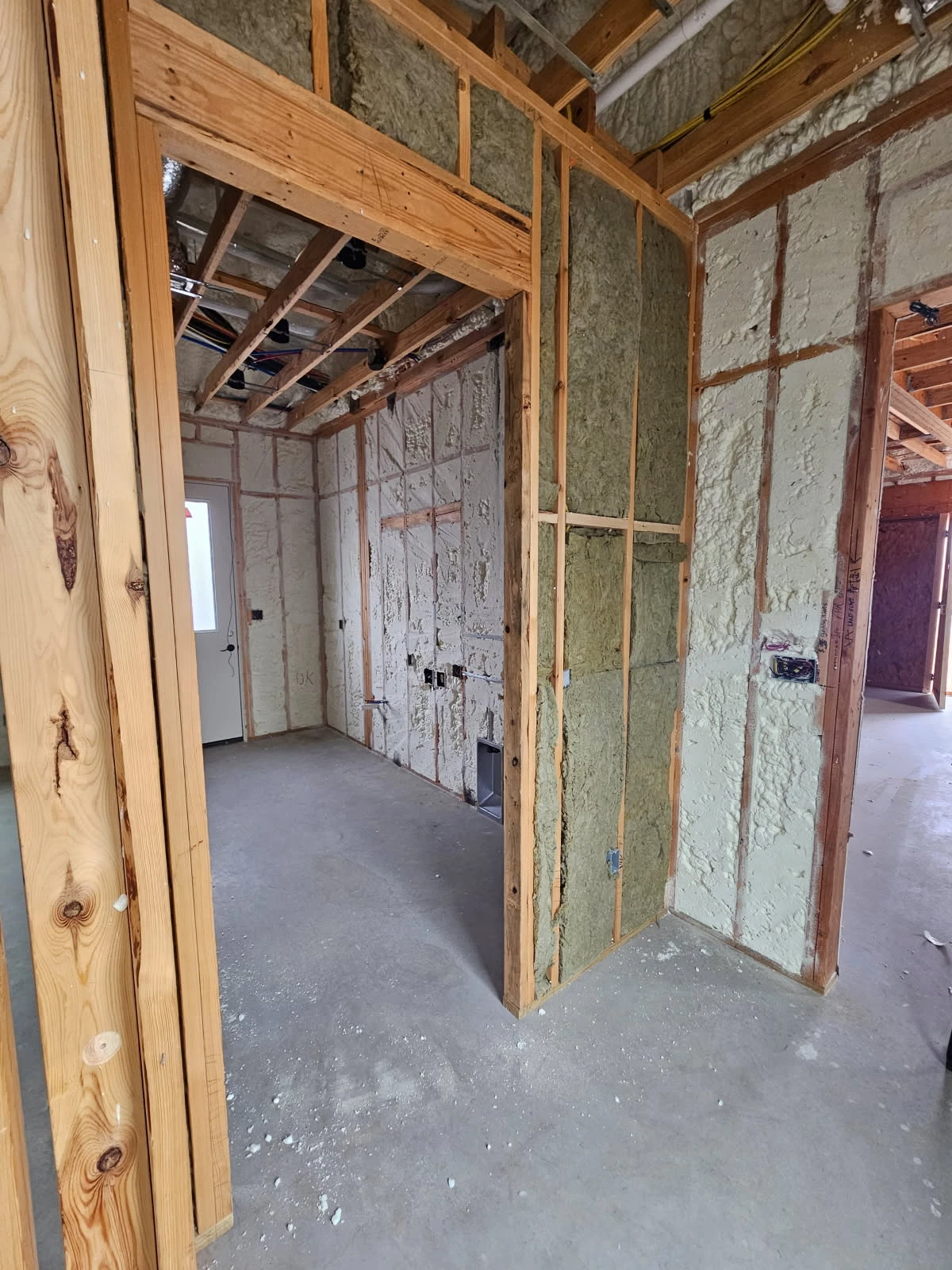
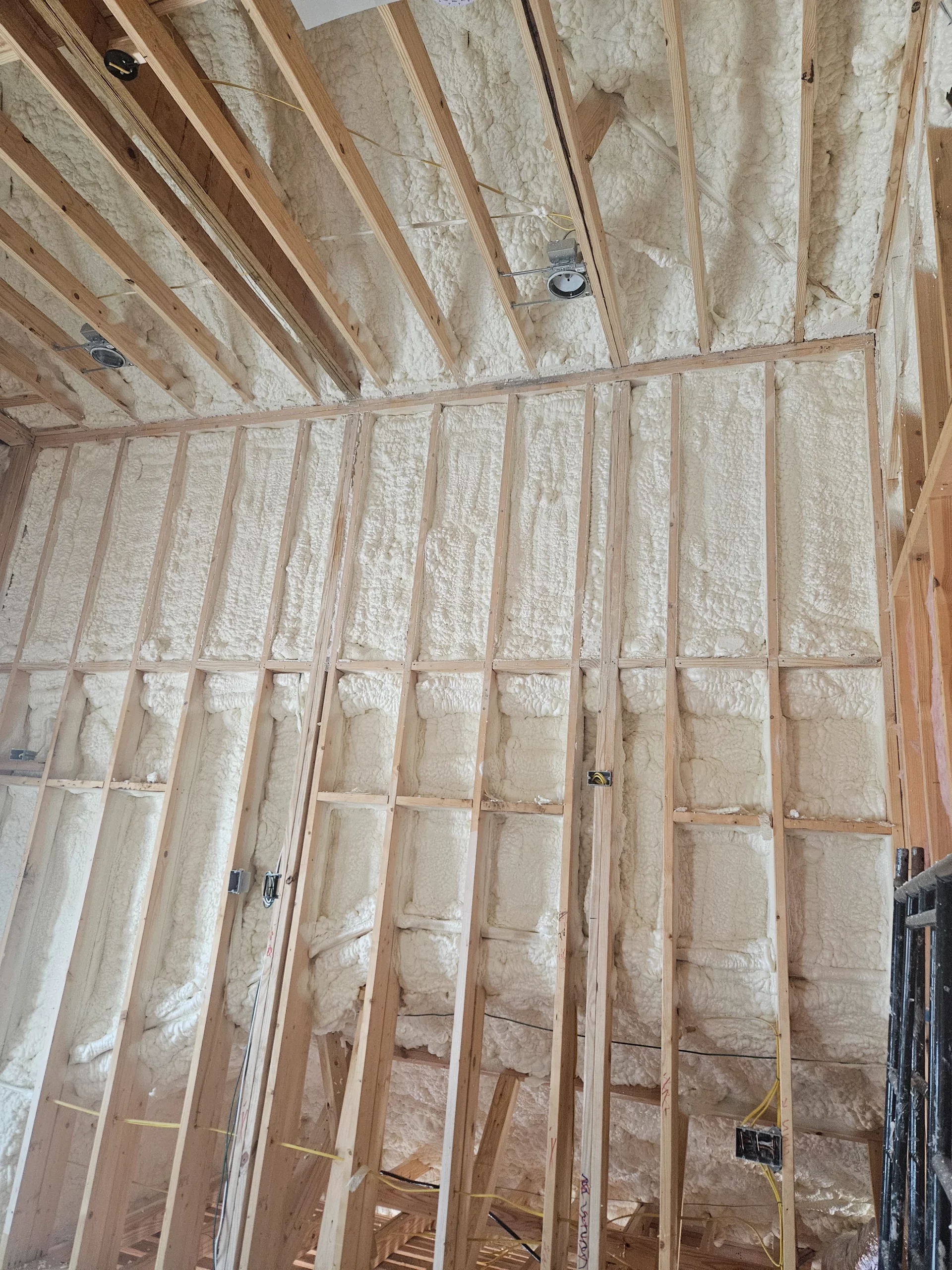
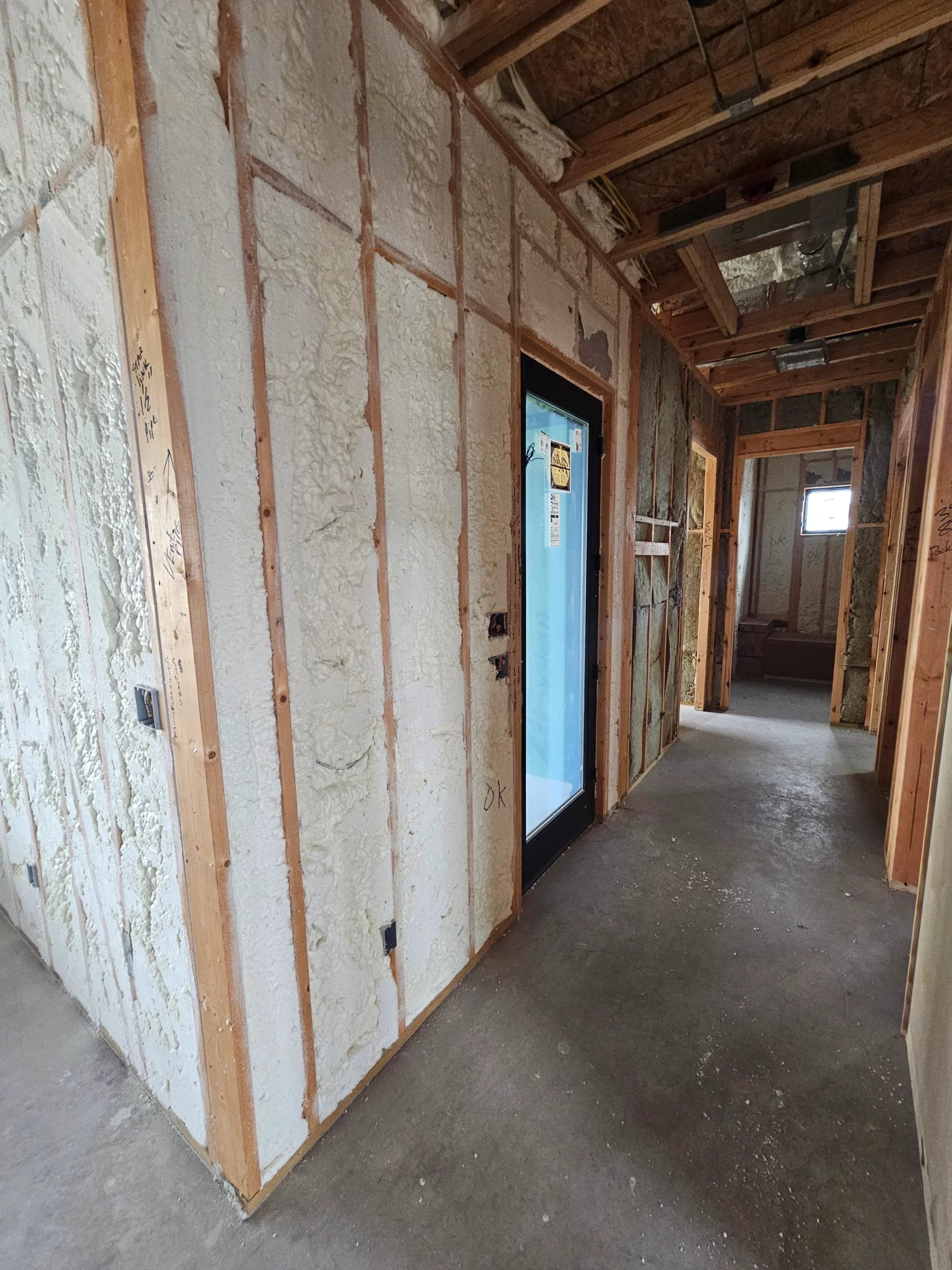
Closed-cell foam insulation acts as a vapor barrier because its cellular structure consists of completely sealed, individual cells that trap gas within them. This closed-cell construction creates an impermeable barrier that prevents moisture from passing through while simultaneously providing high R-value insulation. For Hutto, TX properties dealing with high humidity and temperature fluctuations, this dual functionality makes closed-cell foam particularly effective at managing both thermal transfer and moisture control in one application.
This guide explains the science behind closed-cell foam’s vapor barrier properties, why it matters specifically for Central Texas buildings, and what property owners should consider before installation. The information comes from years of hands-on experience with building science applications in the Texas climate.
The vapor barrier capability of closed-cell foam comes from its manufacturing process. During application, the foam expands approximately 30-40 times its original volume, creating billions of tiny, closed cells that remain separate from each other. Each cell contains trapped gas (typically blowing agents with low thermal conductivity) that cannot escape or allow moisture to penetrate.
This cellular structure gives closed-cell foam a perm rating of less than 1.0 when properly applied at typical thicknesses of 2 inches or more. For comparison, materials with a perm rating below 1.0 are considered vapor barriers according to building codes. The foam’s density, typically around 2 pounds per cubic foot, also contributes to its moisture resistance by leaving virtually no pathways for water vapor to travel through.
Unlike traditional insulation materials that absorb moisture, closed-cell foam repels water and maintains its insulating properties even in high-humidity conditions. This characteristic makes it particularly valuable in Central Texas, where humidity levels frequently exceed 70% duringthe summer months.
Hutto’s climate presents specific challenges for building envelopes. Located in Williamson County, Hutto experiences hot, humid summers with average daily temperatures reaching the mid-90s and relative humidity often climbing above 75%. During these conditions, moisture drives from the warm, humid exterior toward cooler, air-conditioned interior spaces.
According to climate data from the National Oceanic and Atmospheric Administration, Central Texas receives an average of 35 inches of rainfall annually, with significant precipitation events occurring throughout spring and fall. This combination of high humidity and rainfall creates a persistent risk of moisture infiltration through building assemblies.
Without proper vapor barriers, Hutto properties can experience numerous moisture-related problems:
When evaluating insulation options for Hutto properties, understanding how different materials handle moisture is essential. The table below compares common insulation approaches based on their vapor barrier properties and suitability for Central Texas climate conditions.
| Insulation Type | R-Value per Inch | Vapor Permeability | Typical Application | Moisture Management |
|---|---|---|---|---|
| Closed-Cell Foam | 6.5-7.0 | < 1.0 perm (Class II vapor barrier) | 2+ inches for an effective vapor barrier | Excellent – repels moisture and blocks vapor transmission |
| Open-Cell Foam | 3.5-4.0 | 5-10 perms (semi-permeable) | 3+ inches for moisture resistance | Good – absorbs some moisture but allows drying |
| Fiberglass Batts | 3.0-3.5 | Highly permeable (> 20 perms) | Requires a separate vapor barrier | Poor – absorbs moisture, loses R-value when wet |
| Cellulose | 3.2-3.8 | Moderately permeable (10-20 perms) | Requires a separate vapor barrier | Fair – absorbs moisture, may settle when damp |
| Rigid Foam Board | 4.0-6.5 | 1-5 perms (varies by type) | Often used as continuous insulation | Good to excellent, depending on type and thickness |
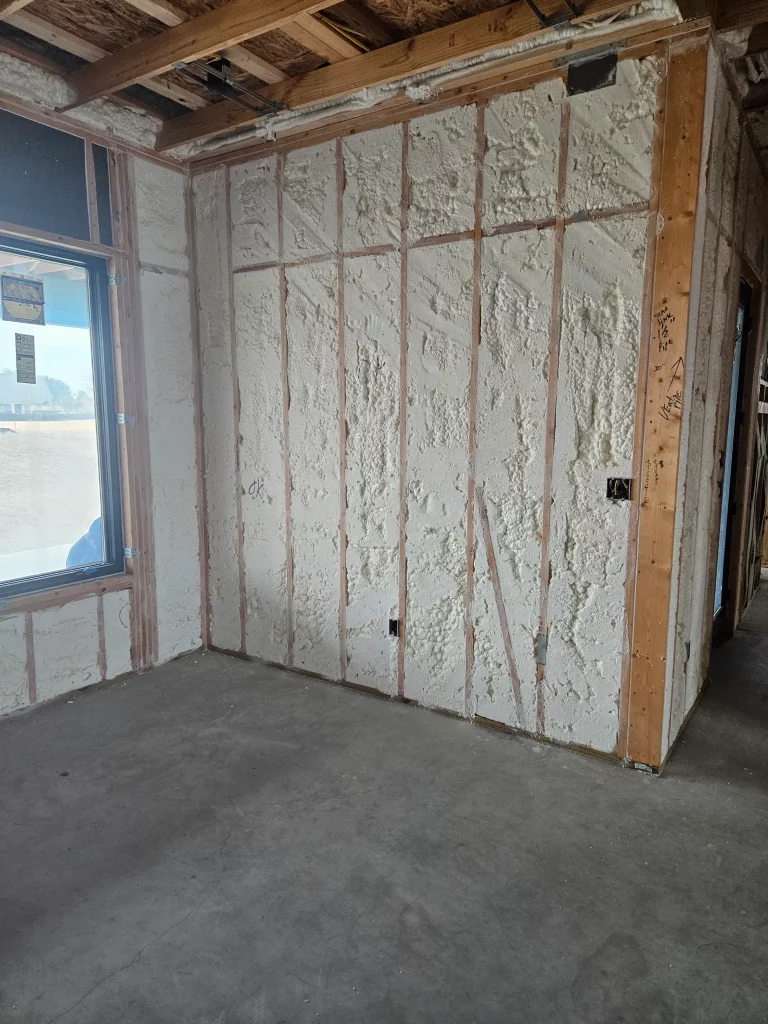
Closed-cell foam performs exceptionally well in Hutto’s variable climate conditions. Its high R-value per inch means less thickness is required to achieve target insulation levels compared to other materials. This is particularly valuable in retrofit applications where cavity space may be limited.
The material’s resistance to moisture absorption makes it ideal for Hutto’s humid summers. While traditional insulation materials can lose up to 40% of their R-value when exposed to moisture, closed-cell foam maintains its thermal performance virtually unchanged in damp conditions. This consistency helps stabilize energy costs throughout the year.
During Hutto’s occasional extreme weather events, including heavy thunderstorms and potential flooding, closed-cell foam provides an additional layer of protection. Its water-resistant properties can help limit water intrusion through wall assemblies, buying time for proper drying and remediation if flooding occurs.
According to building research from Building Science Corporation, closed-cell foam applied at 2 2-inch thickness creates a Class II vapor barrier that meets International Building Code requirements for most climate zones, including Central Texas. This thickness also provides approximately R-13 insulation value, satisfying prescriptive code requirements for wall assemblies in Texas.
The specific application significantly influences whether closed-cell foam represents the best choice. Commercial buildings with high interior moisture loads (like restaurants or fitness centers) may benefit more from their vapor barrier properties than residential properties with lower humidity generation. Similarly, properties with known moisture issues or foundation concerns might prioritize the benefits of moisture control.
Proper application is critical for achieving the promised vapor barrier performance. The foam must be applied at a uniform thickness without gaps, voids, or areas of insufficient coverage. Professional installers should follow manufacturer specifications for ambient temperature, humidity conditions, and application techniques to ensure optimal performance.
Closed-cell foam typically costs 2-3 times more than traditional insulation materials. However, when evaluating the total cost of ownership, factor in potential savings from:
Some construction materials require careful consideration when paired with closed-cell foam. Certain exterior claddings, like stucco or brick veneer, may need special detailing to ensure proper drying potential. The foam’s low permeability can trap moisture if not properly integrated with the wall assembly’s drainage plane.
For crawl spaces in Hutto properties, applying closed-cell foam to the foundation walls rather than the floor joists often provides better moisture control and easier access for future inspections. This approach transforms the crawl space into a semi-conditioned area rather than attempting to seal it completely.
When retrofitting existing walls, consider the drying direction of the assembly. In Hutto’s climate, walls typically dry primarily to the exterior. If installing closed-cell foam on the interior side of exterior walls, ensure the exterior cladding assembly provides adequate drying potential.
Pay special attention to rim joists and band joists in frame construction. These areas frequently experience air leakage and moisture problems in Texas buildings. Applying closed-cell foam to these transition zones can significantly improve overall building envelope performance.
Closed-cell foam in Hutto offers property owners a dual-function solution that provides both insulation and vapor barrier protection in one material. Its closed cellular structure effectively blocks moisture transmission while delivering high R-value thermal performance. When properly installed at 2 2-inch thickness, it meets building code requirements for vapor barriers in Central Texas climate conditions.
The decision to use closed-cell foam should balance installation costs against long-term benefits, including energy savings, moisture protection, and potential reduction in HVAC equipment sizing. Consider specific building characteristics, usage patterns, and existing moisture conditions before making the final selection.
For property owners in Hutto, TX, considering closed-cell foam insulation, professional installation ensures optimal performance and long-term reliability. Spray Foam Tech provides expert insulation services in Hutto, TX, helping property owners achieve their energy-efficiency and moisture-control goals. Contact the team at oldworldtx@hotmail.com or call (737) 777-9590 to schedule a consultation and receive detailed recommendations for your specific property needs.
For Hutto’s humid climate, closed-cell foam generally provides superior moisture control due to its lower vapor permeability. However, open-cell foam may be preferable in applications where some drying potential is desired or where budget considerations are primary.
Properly installed closed-cell foam can maintain its vapor barrier properties for the life of the building. The material does not degrade, settle, or lose its cellular structure over time when protected from UV exposure.
Yes, but it’s generally not recommended unless the existing insulation is in good condition and completely dry. Closed-cell foam applied over damp insulation can trap moisture against the building structure, potentially causing damage.
No, when applied at a thickness of 2 inches or greater, closed-cell foam serves as both insulation and a vapor barrier in one material. This eliminates the need for additional polyethylene or foil vapor barriers in wall assemblies.
Closed-cell foam maintains its properties across a wide temperature range, typically from -40°F to 200°F. This makes it suitable for Hutto’s climate, where summer temperatures frequently exceed 100°F and winter temperatures occasionally drop below freezing.
The International Code Council provides guidance on vapor barrier requirements based on climate zones. Hutto falls in a mixed-humid climate zone where Class II vapor barriers are generally recommended in wall assemblies, particularly for air-conditioned buildings.