

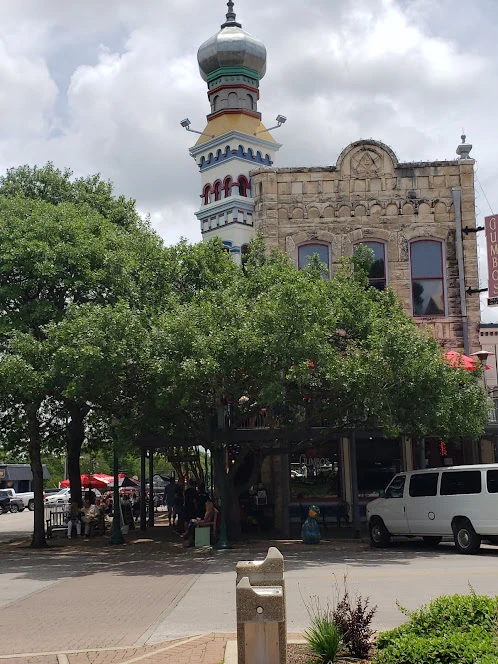
Georgetown sits in the heart of Williamson County, about 25 miles north of Austin. Founded in 1841, it holds the distinction of being the oldest city in the county. The historic downtown square, anchored by the iconic Williamson County Courthouse, draws visitors who appreciate the blend of small-town charm and modern convenience. The San Gabriel River flows through town, providing natural beauty and recreational opportunities. Recent growth has transformed Georgetown into one of Texas's fastest-growing communities, with new neighborhoods and developments popping up alongside century-old architecture.
The climate here presents unique challenges for homeowners. Hot, humid summers push air conditioning systems to their limits, while occasional cold snaps in winter create real demands on heating equipment. These temperature swings mean Georgetown homeowners need robust insulation solutions that perform year-round. The area's rapid expansion has also brought diverse housing styles, from historic bungalows to modern builds, each requiring tailored insulation approaches.
When the Texas heat climbs toward triple digits, and your air conditioning runs nonstop, the difference between a comfortable home and an unbearable one often comes down to what lies behind your walls. Closed-cell spray foam insulation delivers exceptional thermal resistance that keeps your home cooler in summer and warmer in winter, slashing energy bills while creating a healthier indoor environment. Spray Foam Tech brings decades of hands-on experience to every project in Georgetown and surrounding areas, transforming homes into energy-efficient sanctuaries that stand up to Central Texas weather extremes.
Traditional insulation materials settle, sag, and lose effectiveness over time. Closed-cell foam insulation in Georgetown, TX bonds directly to your wall cavities, creating an airtight seal that never compresses or shifts. This material achieves an impressive closed cell insulation R value of approximately 7 per inch, significantly outperforming fiberglass batts or cellulose alternatives. The rigid structure also adds structural strength to your walls, making it particularly valuable in areas prone to high winds.
The dense cell structure prevents moisture migration entirely. Unlike open-cell foams that can absorb water, closed-cell formulations repel moisture, eliminating the risk of mold growth and wood rot inside your walls. This moisture resistance proves especially valuable in Georgetown's humid climate, where condensation issues plague many homes during the summer months.
The R-value of closed-cell spray foam insulation represents its thermal resistance, and higher numbers mean better performance. At around 7 per inch, closed-cell foam provides roughly twice the resistance of standard fiberglass insulation. A typical 2x4 wall cavity filled with closed-cell foam achieves an R-19 rating, while the same cavity with fiberglass might only reach R-11 or R-13.
This superior performance translates directly to savings. Industry data suggests homeowners can reduce energy consumption by 30-50% after upgrading to spray foam insulation. With Georgetown's average electricity costs climbing, that percentage translates to hundreds of dollars annually. The investment pays for itself within a few years while increasing your property value.
Applications suited for different polyurethane foam types:
Application Area | Recommended Foam Type | Typical R-Value |
Exterior walls (2x4) | Closed-cell | R-19 to R-21 |
Exterior walls (2x6) | Closed-cell | R-26 to R-32 |
Attic deck | Closed-cell | R-30 to R-49 |
Crawl space | Closed-cell | R-13 to R-19 |
Rim joist | Closed-cell | R-12 to R-19 |
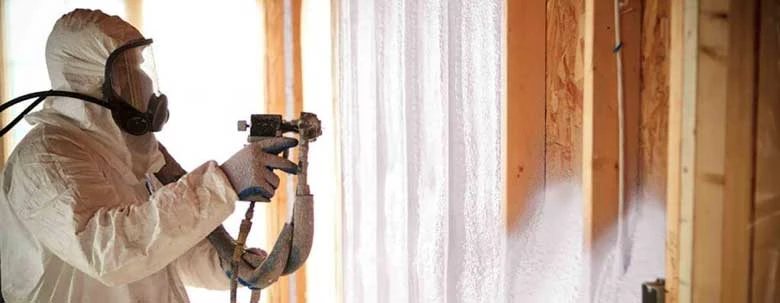
Proper closed-cell foam insulation installation requires trained technicians and specialized equipment. The process begins with thorough preparation, including protecting HVAC vents and sealing electrical boxes. Our technicians wear positive-pressure respirators and full protective gear during application, ensuring both safety and precision.
The foam gets applied using high-pressure proportioning equipment that heats and mixes components at the jobsite. As it exits the nozzle, the chemical reaction causes rapid expansion, filling every gap and void in your wall cavities. The foam cures within seconds, creating a seamless thermal envelope that no other insulation material can match.
Tools and equipment used in professional spray foam installation:
After application, we trim any excess foam that expands beyond the stud plane and install drywall or other finishes as needed. The entire process typically completes within one to three days, depending on your home's size and the scope of work.
Before committing to closed-cell spray foam, understand that this represents a permanent modification to your home. Once installed, you cannot easily access wiring or plumbing within the walls without cutting through the foam. Consider having any necessary repairs completed beforehand.
The cost of closed-cell spray foam insulation runs higher than traditional alternatives. While prices vary based on project size and accessibility, expect to pay more upfront than you would for fiberglass or cellulose. This investment returns through energy savings and improved comfort, but the payback period depends on your energy usage patterns and local utility rates.
Proper ventilation becomes even more critical after sealing your home so thoroughly. Your HVAC system must have adequate fresh air intake, and some older homes may require ventilation upgrades. We assess these requirements during every consultation to ensure your home breathes properly after insulation.
Not all spray foam products perform identically. Look for products certified by recognized testing agencies, and verify that installers carry appropriate certifications from manufacturers. Quality closed-cell foam should carry a minimum R-6 rating per inch, with documented performance across various temperature ranges.
The blowing agent used in production affects both environmental impact and insulating performance. Newer formulations using hydrofluoroolefins (HFOs) carry lower global warming potential than older HCFC-based products. Ask about the specific products being used in your home and their environmental credentials.
Fire safety ratings matter for interior applications. Most closed-cell foams require a thermal barrier coating (typically drywall) to meet building codes. Spray-applied coatings offer faster installation than traditional drywall in some scenarios, though costs differ significantly. We walk through all fire protection options during your project planning.
A Georgetown homeowner on Mockingbird Lane struggled with sky-high summer cooling bills despite running their AC constantly. After upgrading 2,400 square feet of attic insulation with closed-cell spray foam, their energy consumption dropped by 42% within the first year. The installation eliminated air leakage through the attic floor and created a consistent temperature throughout the home. Total project cost reached $8,200, but annual energy savings of $900 meant the investment recovered in under a decade.
The best closed-cell foam insulation delivers lasting comfort, reduced energy bills, and improved indoor air quality for Georgetown homeowners. Our team handles every project personally, from initial assessment through final inspection, ensuring your investment performs flawlessly for decades. Call Spray Foam Tech today at (737) 777-9590 or email oldworldtx@hotmail.com to schedule your free home evaluation.
Closed-cell spray foam achieves approximately R-7 per inch, making it one of the highest-performing insulation materials available for residential applications.
Most residential projects are completed within one to three days, depending on home size and the areas being insulated.
For many homeowners, yes. The superior R-value, air sealing ability, and moisture resistance often justify the upfront investment through long-term energy savings and improved comfort.
Properly installed spray foam poses no health risks and actually improves indoor air quality by reducing air leakage that brings in dust, pollen, and humidity from outside.
Yes. We can apply closed-cell foam to attics, crawl spaces, rim joists, and exterior walls without removing existing drywall in most cases.