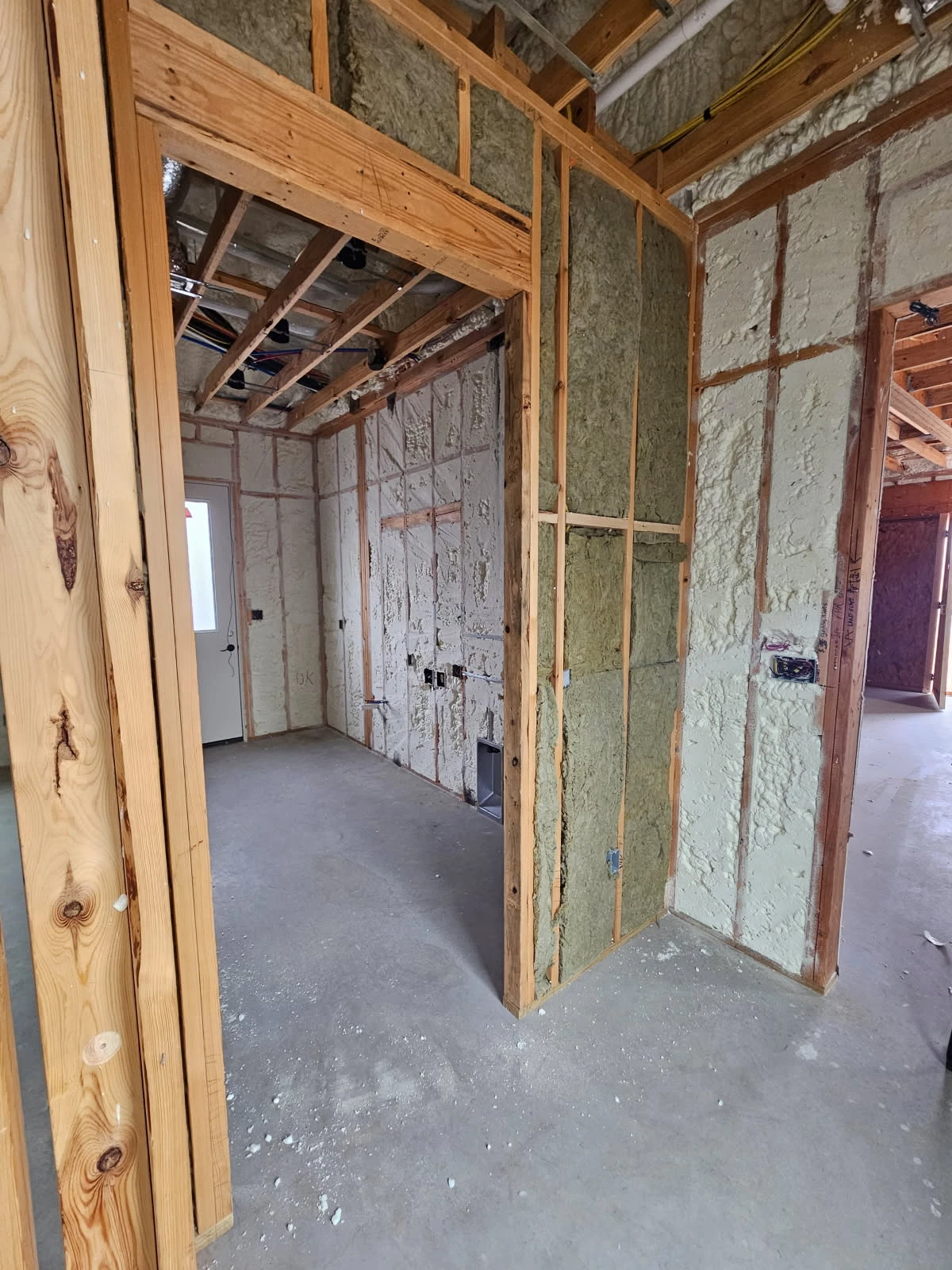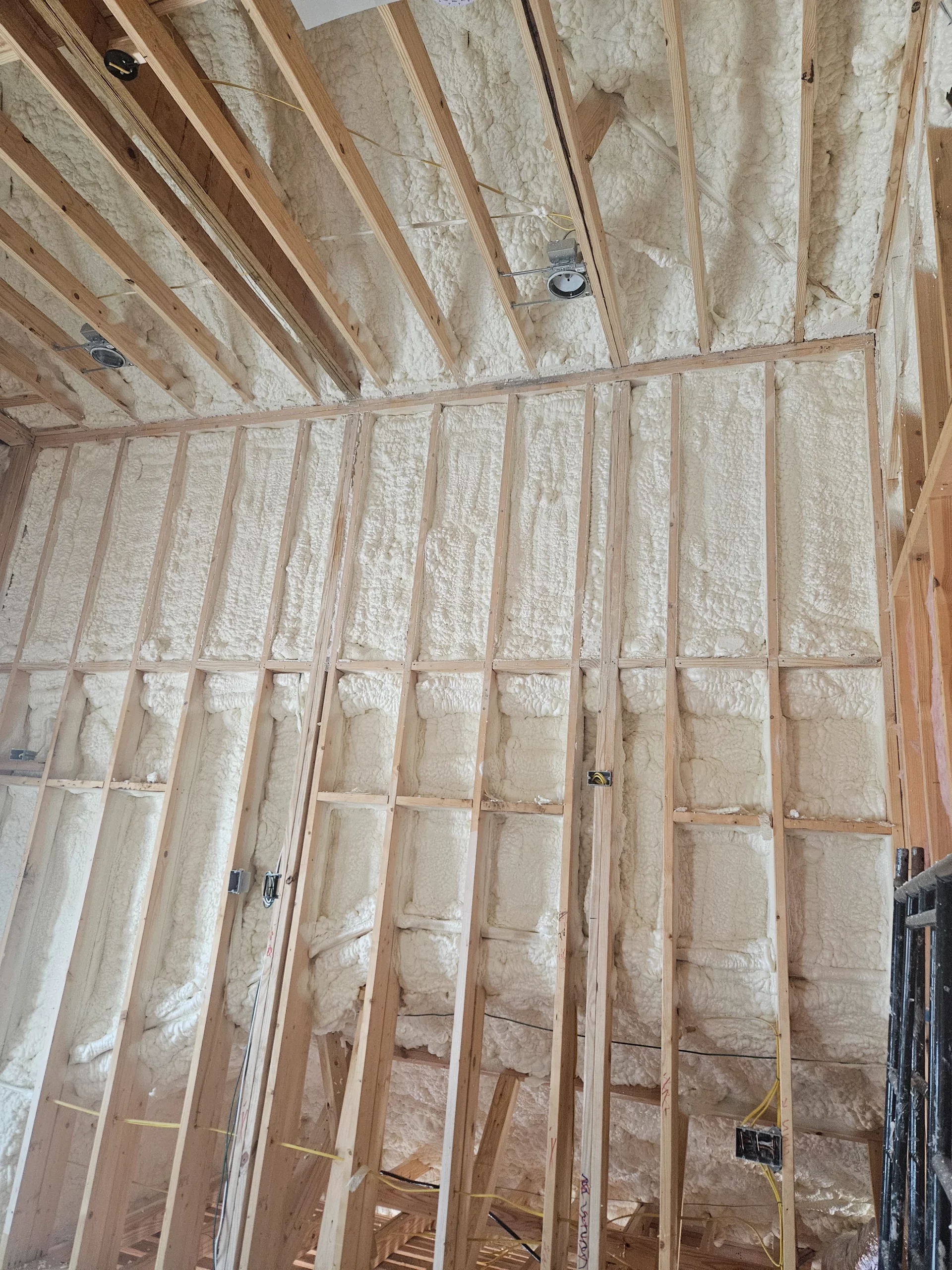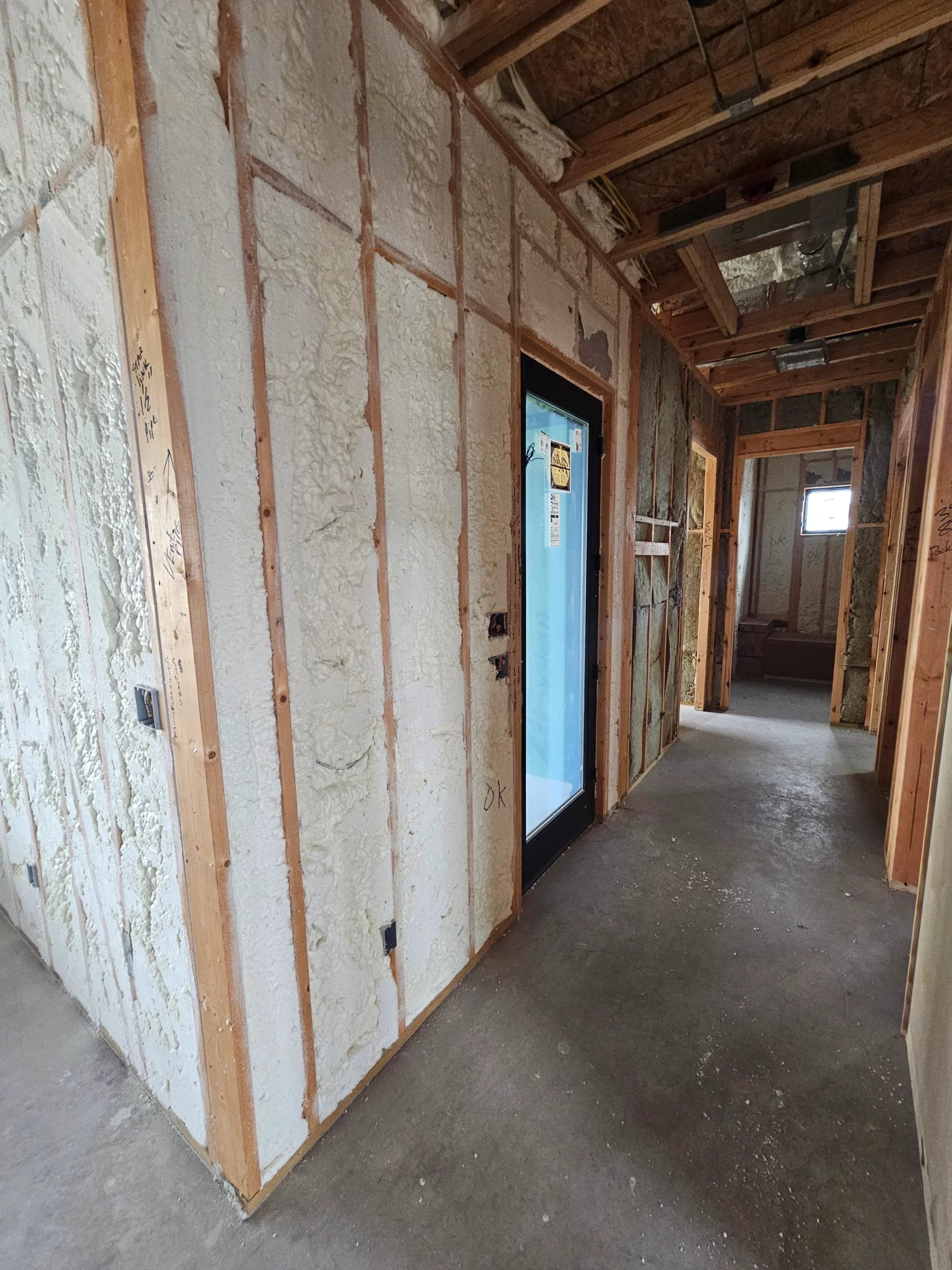
Energy-Efficient Homes: Best Spray Foam Insulation in Pflugerville, TX
Direct Answer Choosing the right insulation services in Pflugerville depend on your specific energy goals, budget, and the areas you…


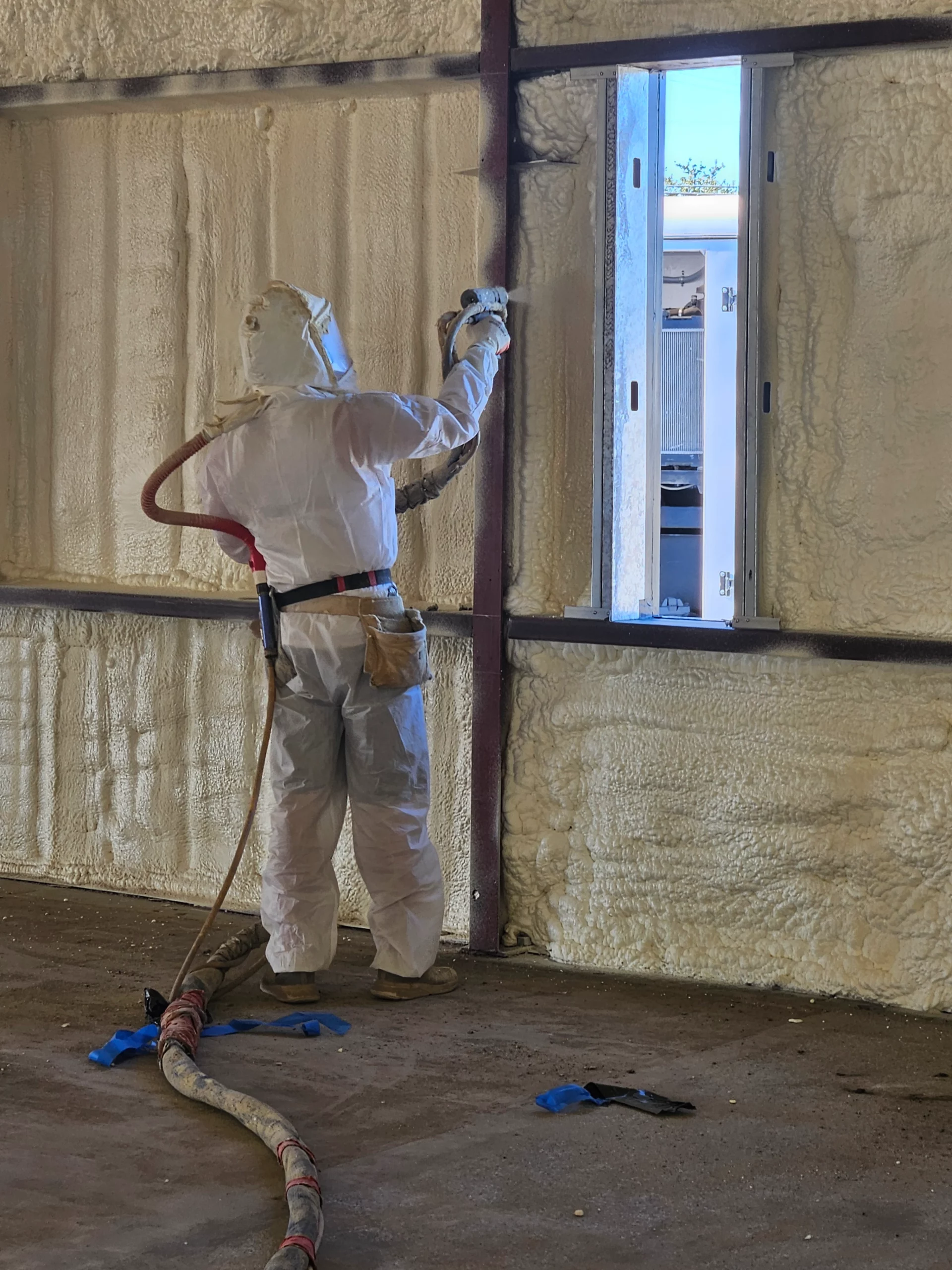
If you are battling high utility bills, noticeable drafts, or persistent humidity issues in your Temple property, your current insulation is likely failing. The most effective solution for Central Texas homes facing these specific challenges is often closed-cell spray foam. This material does more than just insulate; it acts as a powerful air barrier and moisture vapor retarder that can lower heating and cooling costs by up to 50%, according to data derived from Department of Energy reports.
Many property owners in Bell County stick with traditional fiberglass or cellulose insulation because of the lower upfront cost, but they often end up paying more over time due to energy inefficiency. This guide breaks down the clear indicators that your building requires the advanced protection of closed-cell foam, specifically tailored to our local hot, humid climate.
The first sign of insulation failure is often physical discomfort. If you walk from one room to another and feel a temperature drop, or if your second floor stays significantly hotter than the ground floor, your building envelope has holes in Temple, where summer highs average 96°F. Keeping hot air out is a constant battle.
Fiberglass batts act like a wool sweater; they hold heat but let air pass right through. Closed-cell spray foam in Temple, TX works differently. It expands to fill every crack and crevice, sealing the “envelope” of your home. This eliminates air leakage, which Department of Energy research indicates accounts for 25% to 40% of the energy used for heating and cooling. If your AC unit runs constantly but never quite reaches the set temperature, air leakage is the probable culprit.
Have your electricity bills climbed steadily even though your usage habits haven’t changed? This often points to insulation that has settled, shifted, or degraded over time. In the intense Texas heat, your HVAC system has to work overtime to compensate for cool air escaping and hot air entering.
Market data support the financial case for upgrading. Homes with properly installed spray foam insulation in Temple, TX can see heating and cooling energy usage drop by roughly 50% compared to those with traditional insulation. While the initial investment is higher, the monthly return on investment through lower Oncor or local utility bills is immediate.
Central Texas is known for its humidity. The “muggy season” in Temple lasts for nearly six months, from late April to October. If you notice musty smells, peeling paint, or visible mold growth near ceilings and corners, moisture is infiltrating your walls.
Closed-cell foam is unique because it serves as a Class II vapor retarder. Unlike open-cell foam or fiberglass, which can absorb water, closed-cell foam rejects bulk water and stops moisture from passing through your wall assembly. This is vital for protecting your home’s framing from rot.
If you own an older home or a metal building typical in the Temple area, you might notice creaking or shifting during high winds. One of the lesser-known benefits of closed-cell foam is its ability to “glue” a building together.
Because the foam creates a rigid bond between the framing studs and the exterior sheathing, it significantly increases wall strength. Testing by the National Association of Home Builders has demonstrated that closed-cell spray foam can increase wall racking strength by up to 300%. This added rigidity is a significant asset during severe weather events or for reinforcing aging structures.
Choosing the right material is essential. While open-cell foam is cheaper, it lacks the moisture resistance and structural benefits of closed-cell foam.
| Feature | Closed-Cell Spray Foam | Open-Cell Spray Foam |
|---|---|---|
| R-Value per Inch | High (R-6.0 to R-7.1) | Moderate (R-3.5 to R-3.8) |
| Moisture Resistance | Class II Vapor Retarder (Waterproof) | Permeable (Absorbs water) |
| Structural Strength | Increases wall strength significantly | Minimal structural contribution |
| Cost | Higher | Lower |
| Best Application | Metal buildings, humid areas, exterior walls | Interior walls (soundproofing), vented attics |
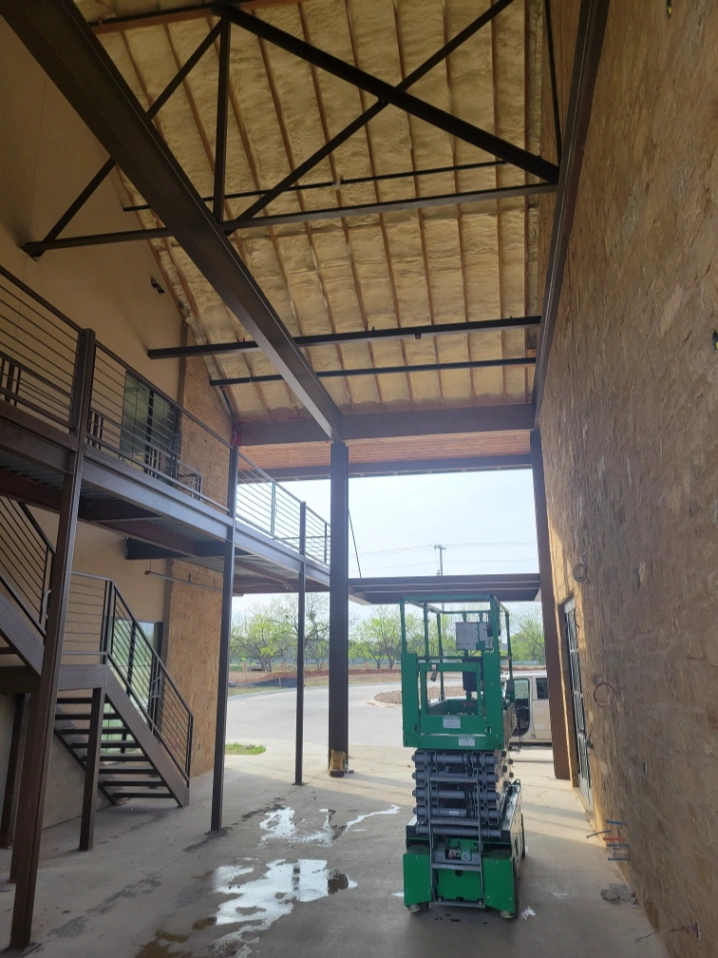
Before you commit to an installation, evaluate your specific goals. If soundproofing between interior rooms is your main priority, closed-cell foam might be overkill; open-cell is often better for noise reduction. However, for the exterior shell of a Temple home, closed-cell offers superior protection against our specific climate risks.
Flood Resistance: If your property is in a flood-prone zone, this factor is non-negotiable. The FEMA flood damage resistance rating lists closed-cell spray foam as a Class 5 material. This means it is the only cavity insulation material approved to withstand direct contact with floodwater for 72 hours without sustaining significant damage.
Bonus Tips for Maximizing Insulation Efficiency:
Upgrading your insulation is one of the few home improvements that pays you back every month. For property owners in Temple, the combination of high heat, humidity, and occasional severe weather makes closed-cell spray foam the clear winner for performance and protection. Evaluate your current energy bills and comfort levels—if both are heading in the wrong direction, it is time to look at your insulation.
Ready to fix your comfort issues for good? Our team specializes in solving Central Texas insulation challenges with precision and care. We treat every property as if it were our own.
Phone: (737) 777-9590 Email: oldworldtx@hotmail.com Company: Spray Foam Tech
No, the foam does not attract pests. Unlike cellulose, it offers no food value to rodents or insects. Its rigid nature also makes it harder for pests to burrow through compared to soft fiberglass batts.
It is a permanent solution. Unless the material is physically damaged or exposed to UV light (which degrades it), it will last for the life of the building without settling or losing R-value.
Absolutely. Metal buildings are notorious for “sweating” due to condensation. Closed-cell foam stops this condensation completely while adding structural strength to the metal panels.
DIY kits exist but are generally not recommended for large projects. The chemicals require precise temperature and pressure control to cure correctly. Poor application can lead to a sticky mess that off-gases permanently and must be scraped out.