Open-Cell vs. Closed-Cell Foam: Which Is Best for Your Attic?
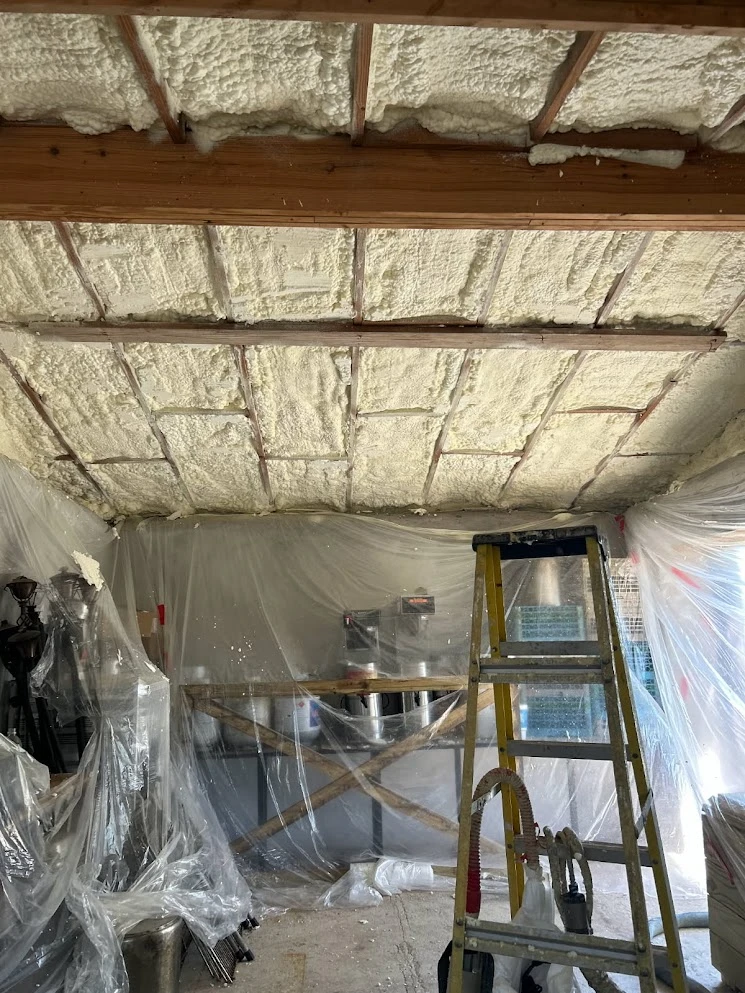
The choice between open-cell and closed-cell foam for attic insulation depends on your climate, budget, and specific performance needs. Closed-cell…


Old insulation directly reduces HVAC efficiency by allowing conditioned air to escape and outdoor air to infiltrate your home. When insulation ages, it loses its R-value (thermal resistance), becomes compacted, and develops gaps that force your heating and cooling systems to work harder. This leads to higher energy bills, inconsistent indoor temperatures, and premature wear on HVAC equipment. In Burnet’s climate, where temperatures can swing dramatically between hot summers and cold winters, compromised insulation becomes a significant drain on both comfort and budget.
This article will break down exactly how aging insulation impacts your HVAC system’s performance, what specific problems you might face in Central Texas homes, and practical steps you can take to address these issues. Drawing from extensive experience with local building conditions and insulation materials, you’ll get actionable information that applies directly to Burnet area homeowners.
Your HVAC system and insulation work together as a team. The HVAC produces conditioned air while insulation keeps it where it belongs. When insulation fails, the HVAC system compensates by running longer and working harder. This relationship is especially important in Burnet, TX, where the climate demands both robust cooling and heating throughout different seasons.
The science is straightforward: insulation slows heat transfer. In summer, it keeps outdoor heat from penetrating your living spaces. In winter, it prevents indoor heat from escaping. When insulation degrades, this barrier weakens, and heat moves freely between inside and outside. Your thermostat then signals the HVAC to kick on more frequently to maintain set temperatures, creating a cycle of energy waste.
According to data from the U.S. Department of Energy, proper insulation can reduce heating and cooling costs by 15-20% in an average home. The reverse is also true – poor insulation can increase those costs by a similar margin. For Burnet homeowners facing electricity rates that average 12.7 cents per kilowatt-hour (higher than the national average), these efficiency losses add up quickly.
Identifying compromised insulation isn’t always obvious, but several telltale signs indicate problems. High energy bills that climb year after year often point to declining insulation performance before anything else. Temperature inconsistencies between rooms, particularly upstairs versus downstairs spaces, frequently indicate uneven insulation coverage.
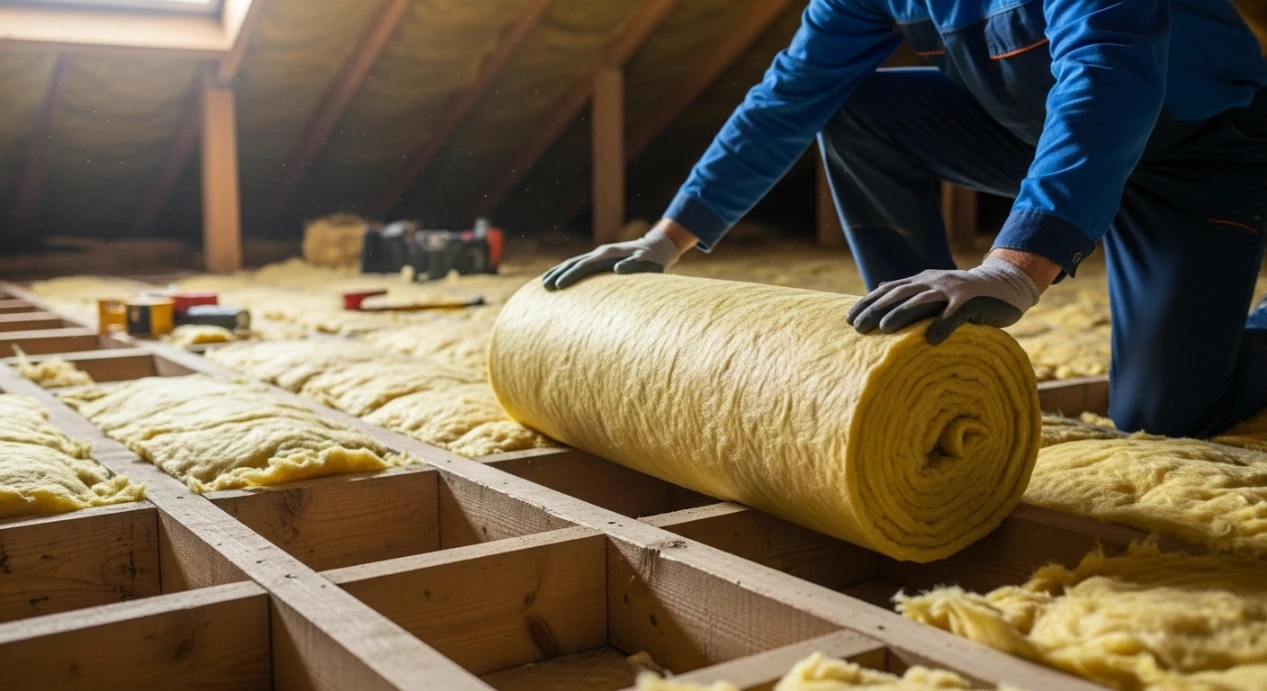
Physical inspection reveals other clues. If you can see your insulation in attics or crawl spaces, look for compression, gaps, settling, or water damage. Fiberglass batts that appear flattened or compressed have lost much of their insulating power. Spray foam that cracks or pulls away from framing creates air pathways that defeat its purpose.
Drafty areas around windows, doors, and electrical outlets suggest air sealing problems that often accompany failing insulation. Ice dams forming on your roof during winter indicate heat escaping through insufficient attic insulation. Dust accumulation in unusual patterns on walls can reveal air movement through hidden gaps in the insulation envelope.
Burnet’s climate creates unique insulation challenges. Summer temperatures regularly exceed 95°F with high humidity, while winter can bring freezing temperatures. These extremes demand insulation that performs consistently across a wide temperature range.
The area’s clay soil and seasonal humidity also affect insulation differently than in drier regions. Moisture absorption dramatically reduces insulation effectiveness, particularly for cellulose and fiberglass materials. Burnet’s occasional severe storms can damage roof integrity, allowing water infiltration that compromises attic insulation.
Local building practices from decades ago often used minimal insulation by today’s standards. Many Burnet homes built before 2000 contain insulation levels that fall far short of current recommendations for Central Texas. This means even “adequate” insulation from that era may need upgrading to meet modern efficiency expectations.
Bonus Tip: Check your home’s energy efficiency by comparing your heating degree days (HDD) and cooling degree days (CDD) against your energy usage. Unexplained spikes often indicate insulation problems before they become obvious physically.
Different insulation materials in Burnet, TX age differently and have varying expected lifespans. Understanding these differences helps assess whether your insulation needs replacement or simple repairs.
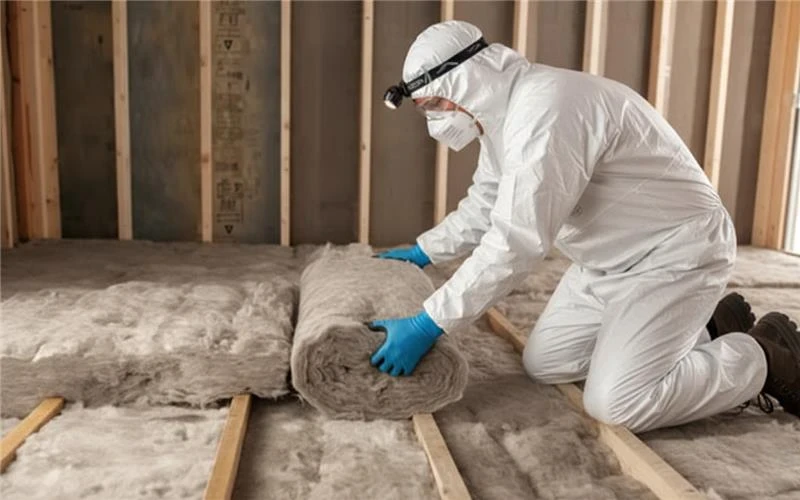
Fiberglass batts and rolls typically last 80-100 years but can settle up to 20% over time, reducing their R-value. They’re also susceptible to moisture damage and pest infestations. Loose-fill fiberglass and cellulose have similar lifespans but can settle more dramatically, sometimes requiring topping off every 10-15 years.
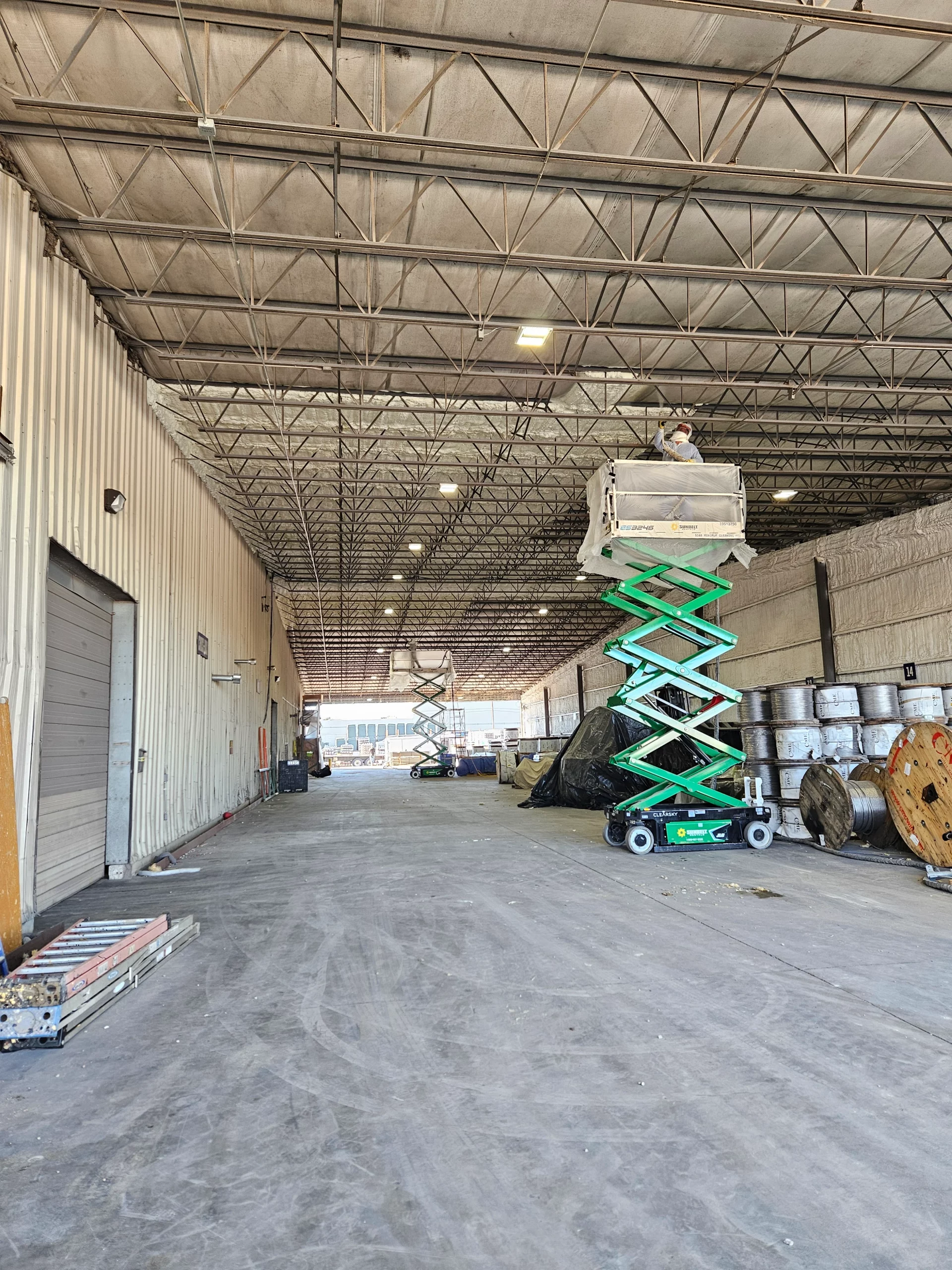
Spray foam insulation, while more expensive upfront, generally lasts 30+ years without significant degradation. Closed-cell foam maintains its R-value better over time and resists moisture intrusion. However, improper installation can create problems regardless of material quality.
Radiant barriers, common in Texas attics, can degrade due to dust accumulation and oxidation, reducing their reflectivity and effectiveness. While not technically insulation, their failure affects overall attic temperature management and HVAC load.
The financial consequences of aging insulation extend beyond monthly energy bills. While utility increases are the most obvious impact, the ripple effects affect multiple aspects of home ownership and maintenance costs.
Financial & Operational Impact
| Impact Area | Financial Effect | Long-term Consequences |
|---|---|---|
| Energy Bills | Consistently higher monthly and annual utility payments | Reduced HVAC lifespan |
| HVAC Repairs | Increased frequency of service calls and repair costs | More frequent system breakdowns |
| Home Comfort | Unpredictable and fluctuating expenses | Negative impact on property value |
| Maintenance | Continuous accumulation of general upkeep spending | Ongoing additional maintenance needs |
Data from the International Energy Agency shows that homes with inadequate insulation can consume up to 30% more energy for heating and cooling than properly insulated homes. For Burnet homeowners, this translates to hundreds of dollars annually in unnecessary expenses.
The hidden costs compound over time. An HVAC system working harder due to poor insulation may fail 5-10 years earlier than expected for replacement. Additionally, homes with documented efficiency problems often appraise for less and sit longer on the market when sold Texas Department of State Health Services .
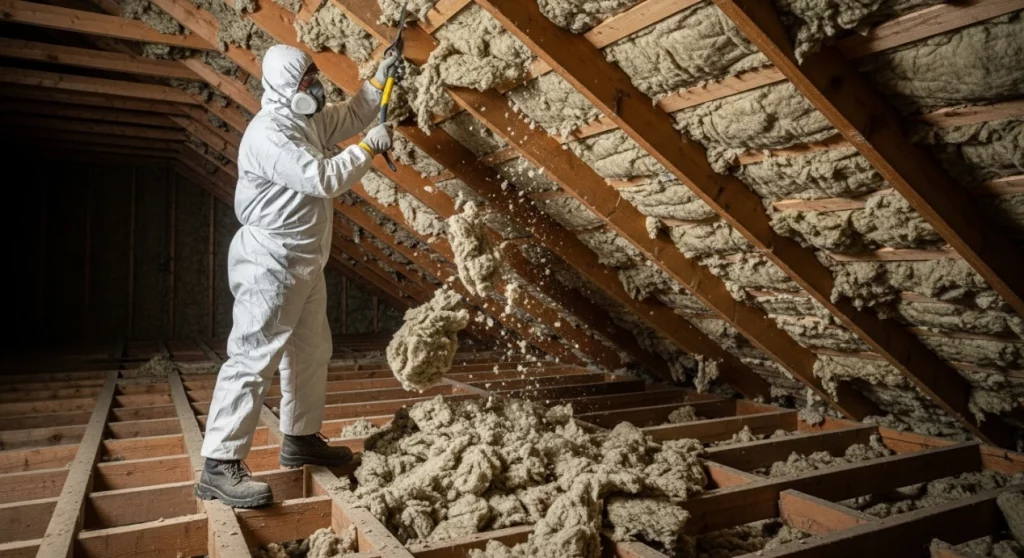
Before investing in insulation upgrades, several factors need evaluation to ensure you’re addressing the right problems with the right solutions.
Start with a professional energy audit rather than guessing where problems exist. Blower door tests, infrared imaging, and duct leakage assessments pinpoint specific issues and their relative importance. This prevents spending money on improvements that won’t deliver proportional benefits.
Consider your home’s age and construction type. Historic homes in Burnet may require different approaches than newer construction. Some older homes have unique architectural features that make standard insulation techniques challenging or inappropriate for preservation reasons.
Evaluate your renovation timeline. If you’re planning other home improvements that will open walls or access attics, coordinating insulation upgrades with those projects can dramatically reduce costs. Tackling insulation as part of a larger renovation often adds minimal expense compared to doing it as a standalone project.
Bonus Tip: Look for local utility rebates and federal tax credits before beginning insulation projects. Austin Energy and other Central Texas utilities frequently offer incentives that can offset 10-30% of improvement costs.
The relationship between insulation and HVAC efficiency directly impacts your home’s comfort, energy costs, and equipment lifespan. In Burnet’s variable climate, maintaining proper insulation isn’t just about comfort; it’s about financial responsibility and home preservation.
Before making any improvements, get a professional assessment to identify specific problem areas rather than assuming a blanket solution will address all issues. Consider your long-term plans for the home, as insulation improvements increase property value and marketability. Most importantly, remember that insulation and HVAC work as a system; addressing one without considering the other provides incomplete solutions.
For professional assistance with insulation assessment and improvement in the Burnet area, contact Spray Foam Tech at oldworldtx@hotmail.com or call (737) 777-9590. Our expertise in local building conditions and insulation solutions can help you make informed decisions about improving your home’s efficiency and comfort.
The lifespan varies by material type. Fiberglass and mineral wool can last 80-100 years but lose effectiveness over time. Cellulose typically lasts 20-30 years before settling significantly. Spray foam insulation generally maintains its performance for 30+ years when properly installed.
Yes, in most cases. You can add new insulation over existing material if the old insulation is dry and in good condition. Never cover knob-and-tube wiring with insulation, and always address any moisture problems before adding new material.
The U.S. Department of Energy recommends R-30 to R-60 for attic insulation in the Burnet area, and R-13 to R-15 for wall cavities. These ranges account for the local climate and heating/cooling needs specific to Central Texas.
Start with the age of both systems. If your HVAC is relatively new (less than 10 years) but energy bills are climbing, insulation issues are more likely. A professional energy audit can definitively separate HVAC performance from building envelope problems.
Yes, better insulation can reduce allergy symptoms. Proper insulation prevents outdoor allergens from entering through air leaks and helps maintain consistent humidity levels that discourage mold and dust mite growth. Combined with proper air sealing, it creates a healthier indoor environment.