Energy-Efficient Homes: Best Spray Foam Insulation in Pflugerville, TX
Direct Answer Choosing the right insulation services in Pflugerville depend on your specific energy goals, budget, and the areas you…


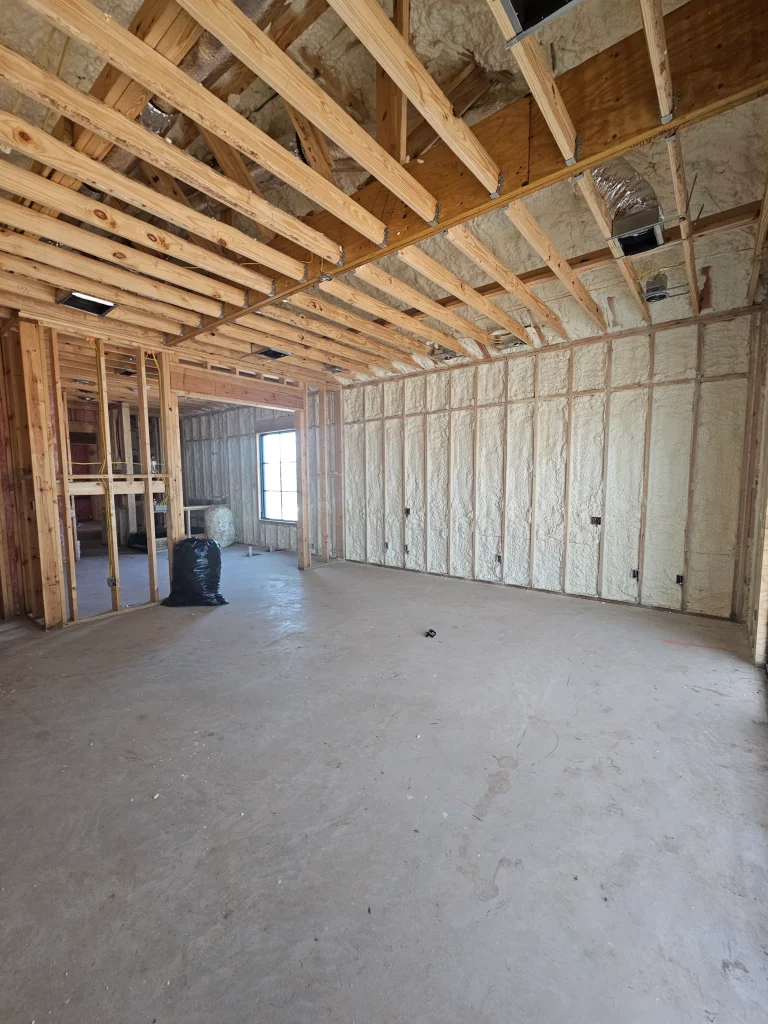
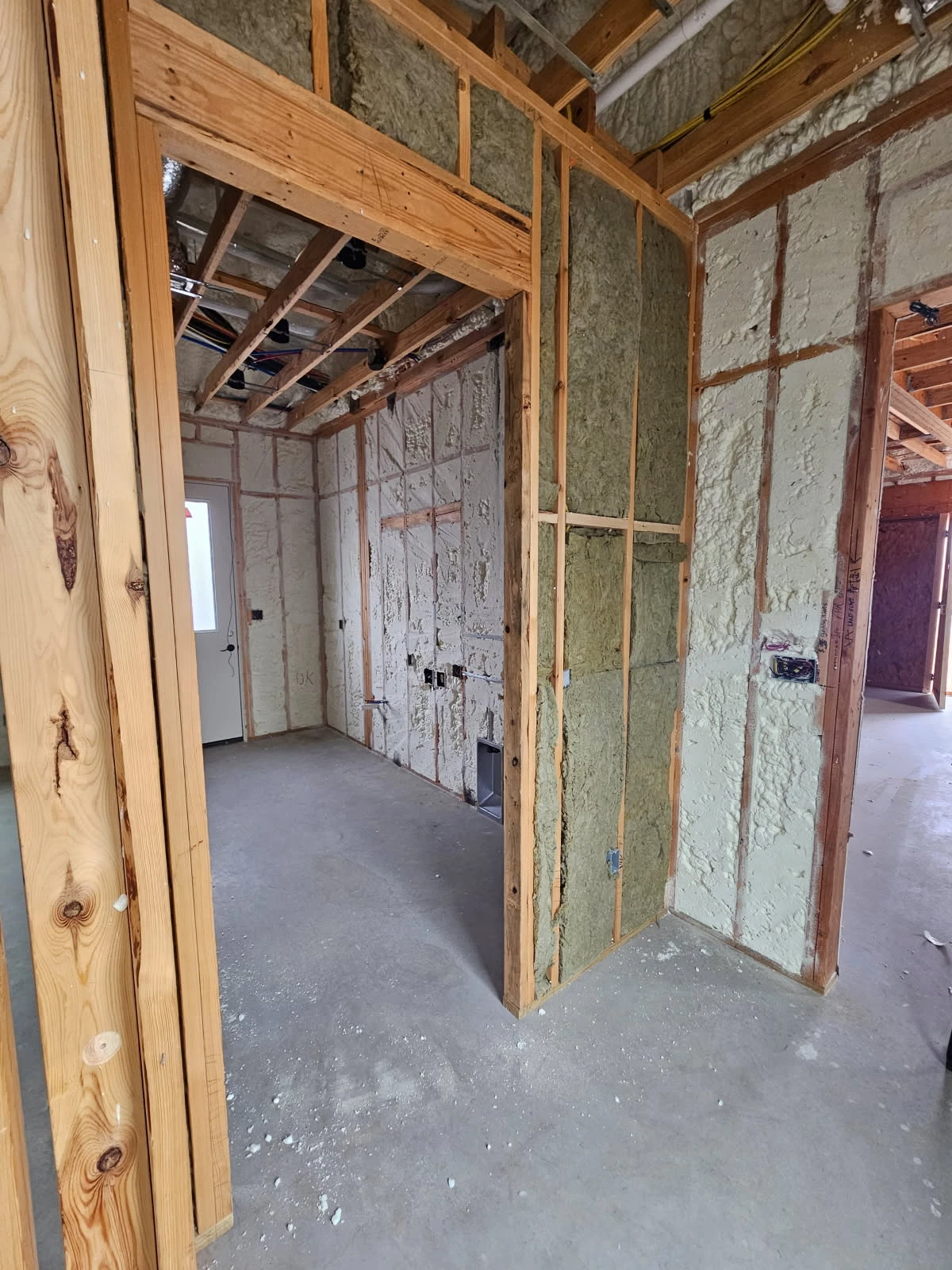
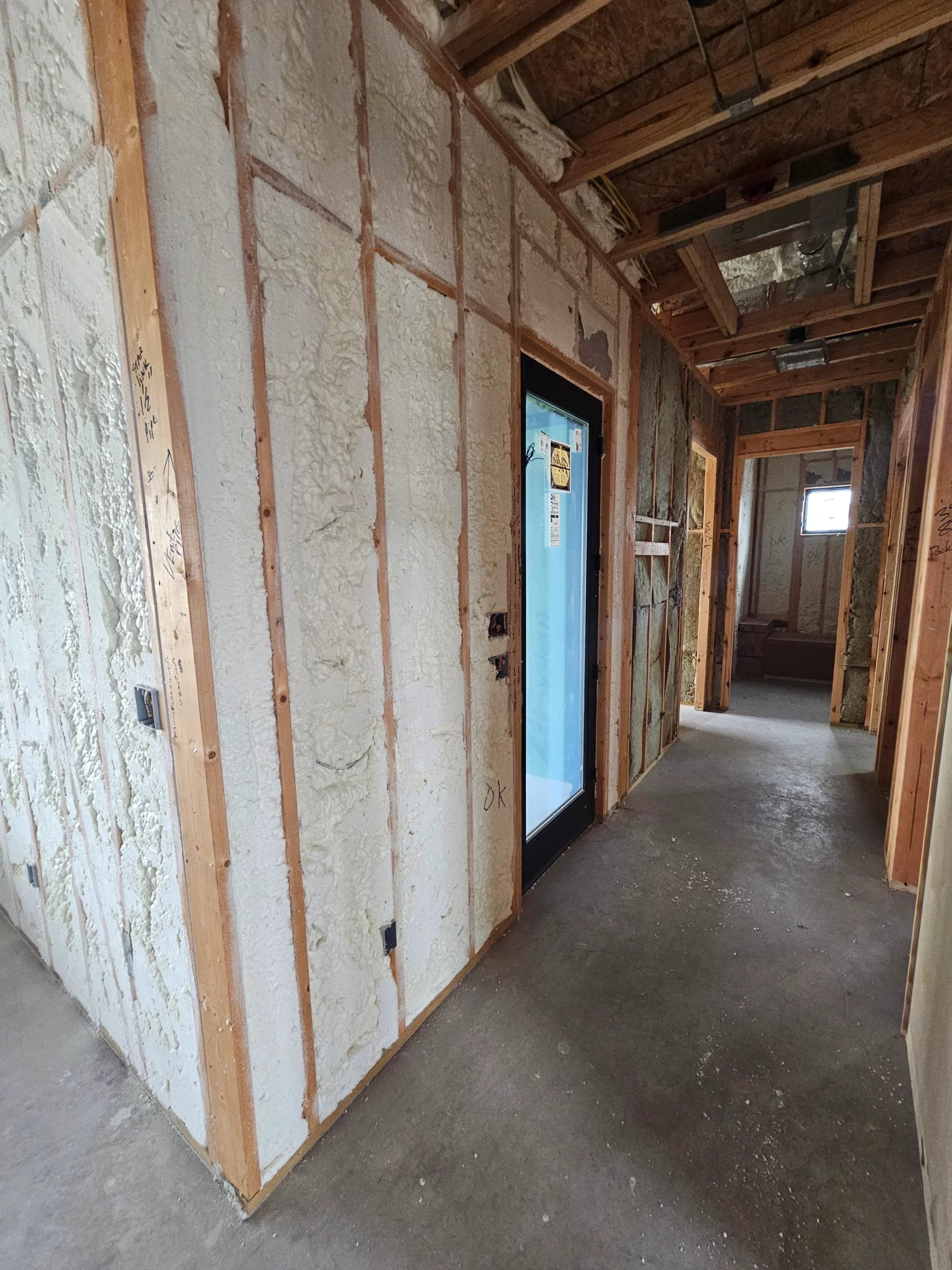
Open-cell spray foam insulation provides moisture control and mold prevention primarily through its vapor-permeable structure, which allows water vapor to pass through while blocking air movement and liquid water. This unique characteristic prevents moisture accumulation within wall assemblies while still delivering effective insulation performance. The material’s semi-rigid structure also helps it maintain contact with building surfaces, reducing air gaps where condensation could form.
This article examines how open-cell foam works as a moisture management system, its effectiveness across different climate conditions, and the factors to consider when deciding whether it’s right for your building project. The information comes from extensive field experience with moisture-related building issues and building science research.
Open-cell foam consists of tiny, interconnected cells that create a breathable insulation material. Unlike closed-cell foam, which traps gas in sealed cells, open-cell foam’s structure allows water vapor to diffuse through the material at a controlled rate. This permeability prevents moisture from becoming trapped within wall cavities, where it could cause problems.
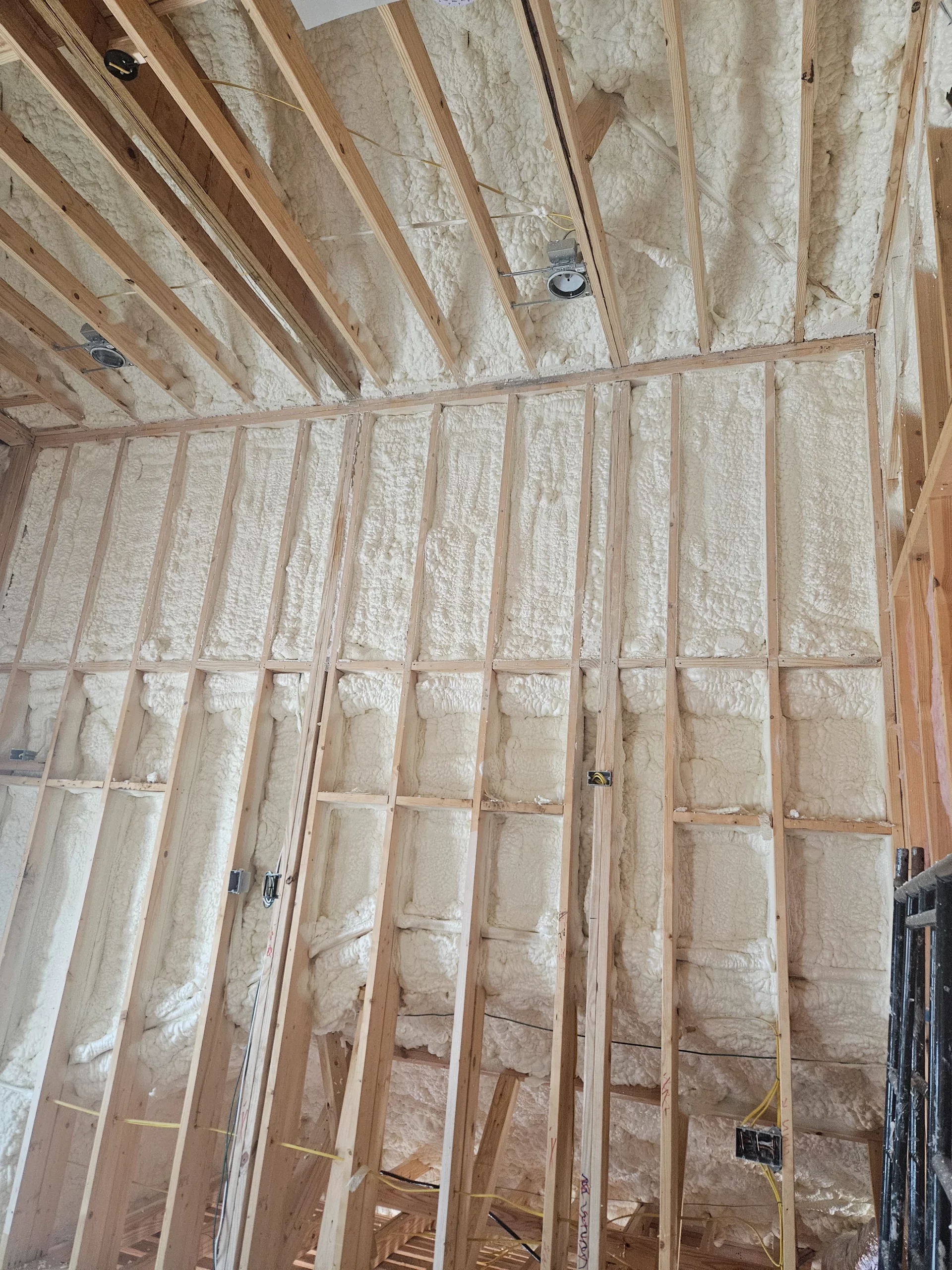
The foam expands to 100-150 times its liquid volume during application, filling gaps and cracks that traditional insulation materials might miss. This complete fill creates an air barrier that reduces convective moisture movement while still allowing vapor diffusion. According to research from the Building Science Corporation, this balanced approach to moisture management is particularly effective in mixed and heating-dominated climates.
The effectiveness of open-cell foam varies by climate zone due to different moisture loading conditions. In heating-dominated climates, the vapor drive typically moves from interior to exterior during winter months. Open-cell foam’s permeability allows moisture generated inside the building to escape to the exterior.
The opposite occurs in cooling-dominated climates where moisture moves from exterior to interior. Here, the foam still allows vapor movement but must be paired with proper exterior moisture control strategies. A study by the Oak Ridge National Laboratory found that open-cell foam performed well in mixed climate zones when installed with appropriate exterior weather barriers.
| Climate Zone | Recommended Use | Key Considerations |
|---|---|---|
| Cold/Heating-Dominated | Excellent | Interior vapor retarder may be needed |
| Mixed/Humid | Good | Proper exterior drainage is essential |
| Hot-Dry | Excellent | Moisture load is typically lower |
| Marine/Moderate | Good | Careful detailing required |
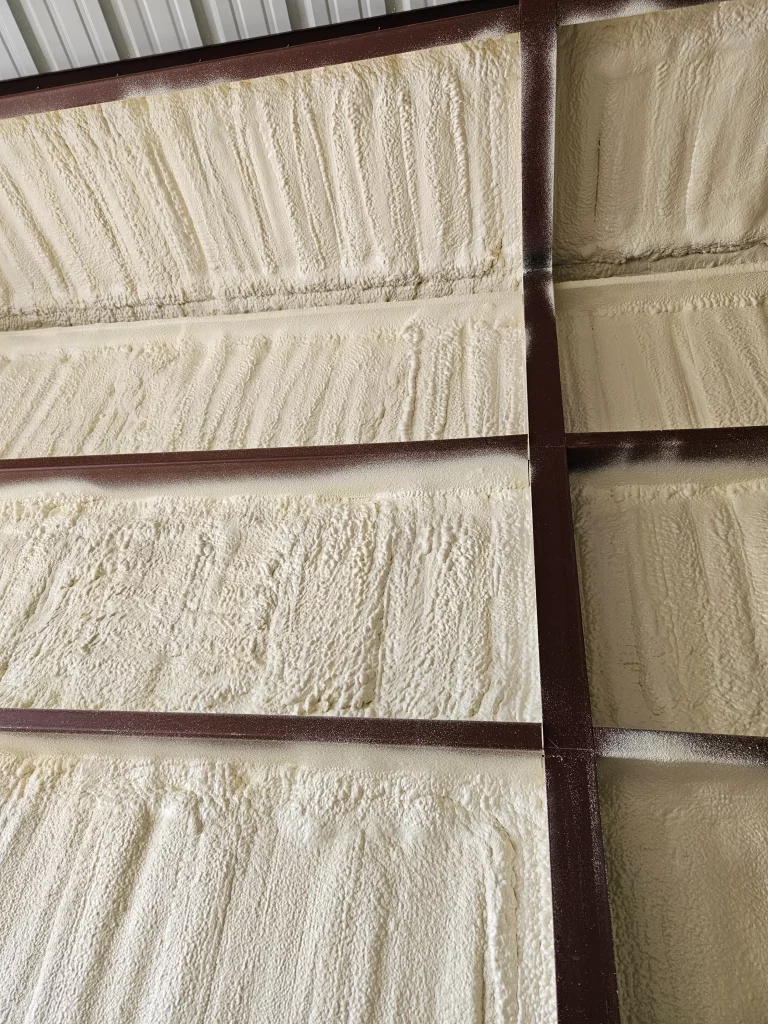
Open-cell foam helps prevent mold growth through three primary mechanisms: moisture control, temperature stability, and nutrient limitation. The material does not provide food sources for mold, and when properly installed, it prevents the moisture accumulation that mold needs to thrive.
The foam’s ability to maintain consistent surface temperatures reduces condensation risk on interior surfaces, particularly at thermal bridges like studs and framing connections. Research from the EPA indicates that controlling indoor humidity levels below 60% significantly reduces mold growth risk, and open-cell foam helps achieve this by managing moisture transport through building assemblies.
Bonus Tip: In high-humidity areas, consider pairing open-cell foam with a dehumidification strategy to maintain indoor relative humidity below the 60% threshold where mold typically begins to grow.
Before choosing open-cell foam for your project, evaluate several key factors that affect its performance as a moisture management system. Building location, construction type, and HVAC system design all influence how the foam will perform.
The assembly sequence matters significantly. Open-cell foam must be protected from liquid water exposure during and after installation. The material can absorb water if directly exposed to rain or plumbing leaks, temporarily reducing its insulating properties until it dries. However, once cured, it returns to its original performance characteristics.
Climate-specific considerations include:
Bonus Tip: Always conduct a moisture risk assessment before installing open-cell foam in below-grade applications or in assemblies with known moisture problems.
Bonus Tip: Request a sample of the cured foam from your installer and test its water absorption characteristics. Properly installed open-cell foam should allow water to pass through rather than pooling on the surface.
Open-cell foam provides effective moisture control and mold prevention through its vapor-permeable structure and complete cavity fill. The material performs best when appropriately selected for climate conditions and installed correctly, with attention to building science principles.
Success with open-cell foam requires understanding your specific moisture management needs, climate conditions, and building assembly design. Consider conducting a hygrothermal analysis or consulting with a building science professional to optimize the system for your particular project.
Spray Foam Tech offers comprehensive moisture management assessments to help determine if open-cell foam insulation aligns with your building’s needs. Their technical team can evaluate your specific project requirements and provide detailed recommendations based on climate conditions and construction details. For personalized guidance, contact Spray Foam Tech at oldworldtx@hotmail.com or call (737) 777-9590 to schedule a consultation about your insulation and moisture control challenges.
No, open-cell foam is vapor-permeable, not a vapor barrier. Its permeability rating allows moisture to pass through at a controlled rate, which is beneficial in many climate conditions.
Liquid water can temporarily affect open-cell foam’s performance, but the material dries without permanent damage once the water source is removed. The interconnected cell structure allows for drainage and drying.
Neither is universally better – the choice depends on climate, building design, and moisture management strategy. Open-cell works well where vapor permeability is desired, while closed-cell serves better as a vapor retarder.
Thickness depends on climate and insulation requirements, but typically 5.5 to 6 inches provides R-19 to R-21 while maintaining good vapor permeability. The specific thickness should be determined through building science analysis.
No special finishing is required, but interior surfaces should be vapor-permeable to allow the foam system to function as designed. Avoid using impermeable interior finishes that could trap moisture.