Spray Foam Roofing vs. Acrylic Roof Coating in Georgetown, TX: Key Differences Explained
Spray foam roofing and acrylic roof coating both protect flat and low-slope roofs in Georgetown, TX, but they solve different…


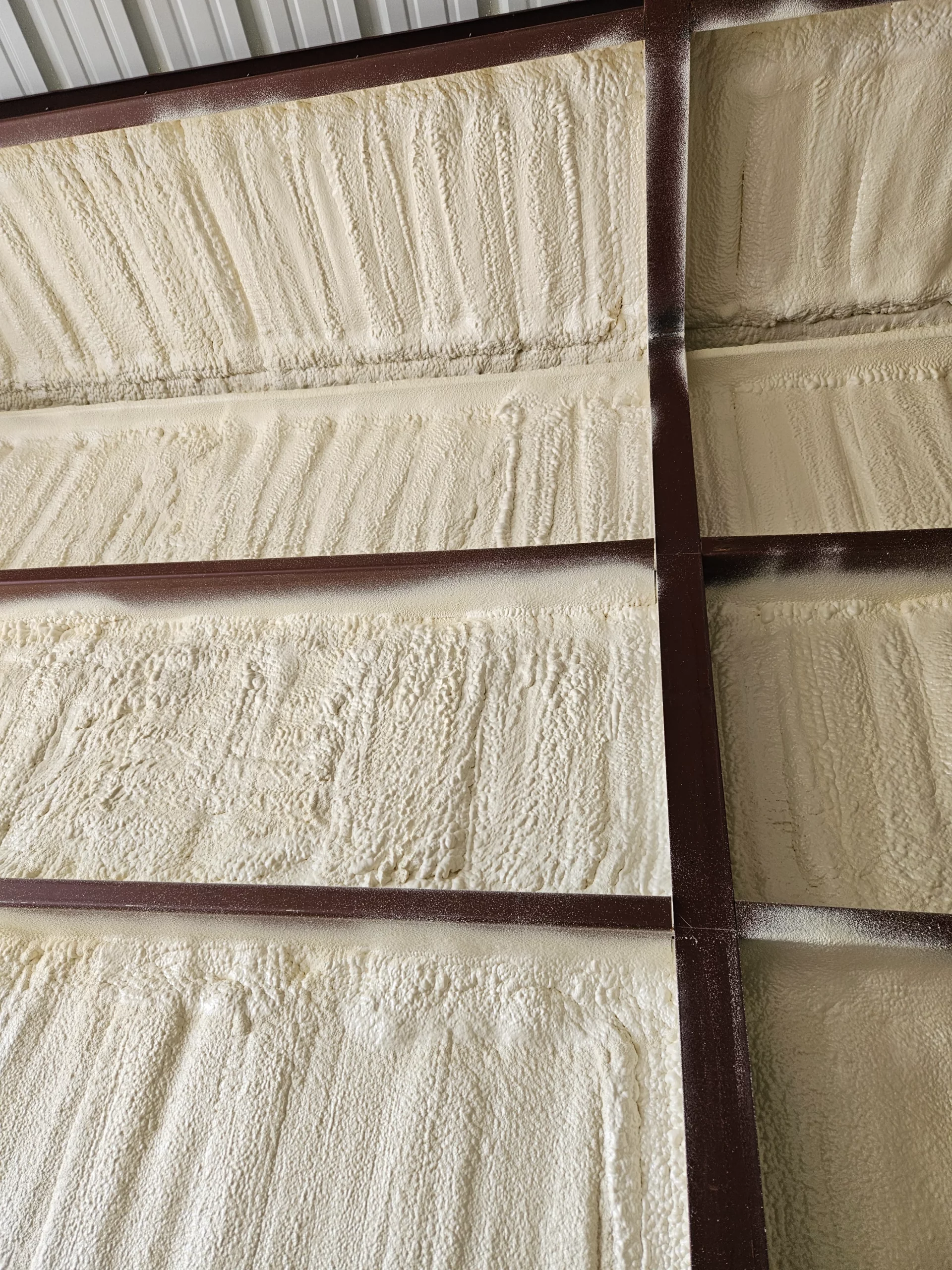
If you’re trying to make a building more energy-efficient, stopping air leaks is one of the biggest wins you can get. Open-Cell insulation does two jobs at once: it insulates and seals the tiny gaps that let air sneak in and out. Spray Foam Tech installs this material to create a tight, well-sealed space that keeps heating and cooling bills lower all year while improving indoor comfort and reducing unwanted drafts throughout the building.
This guide breaks down how open-cell foam insulation works, what makes it different from other materials, where it performs best, and why property owners and builders often choose it for walls, attics, and other areas that benefit from reliable air sealing and thermal performance.
Air moving through walls, attics, and ceilings is one of the main reasons properties lose energy. Sealing air leaks is one of the most cost-effective ways to cut utility bills and improve comfort. Materials like fiberglass batts don’t stop this problem well, because air can pass straight through them.
To officially count as an air barrier material under building codes, a product has to pass a test called ASTM E 2178. It measures how much air can pass through the material under pressure. According to the Air Barrier Association of America, spray-applied polyurethane foam meets this standard when installed at the right thickness.
When the two liquid components mix at the spray gun, they expand fast and fill the space around them. That’s what lets open-cell spray foam get into every small crack and gap that other materials miss. It expands into stud bays, rim joists, and attic rafters, filling them completely.
Inside, the foam is made up of tiny cells that stay open on purpose (that’s where the name comes from). Because air fills these open cells instead of a gas, the cured foam stays soft and flexible. That flexibility means it can move along with the building as it settles over time, without losing its seal.
To get a real air seal, this foam usually needs to be applied at about three inches thick or more on wood framing. At that depth, it blocks both moving air and drafts from getting through the walls, making it a practical solution in many residential applications where open-cell spray foam is the best choice for your insulation needs.
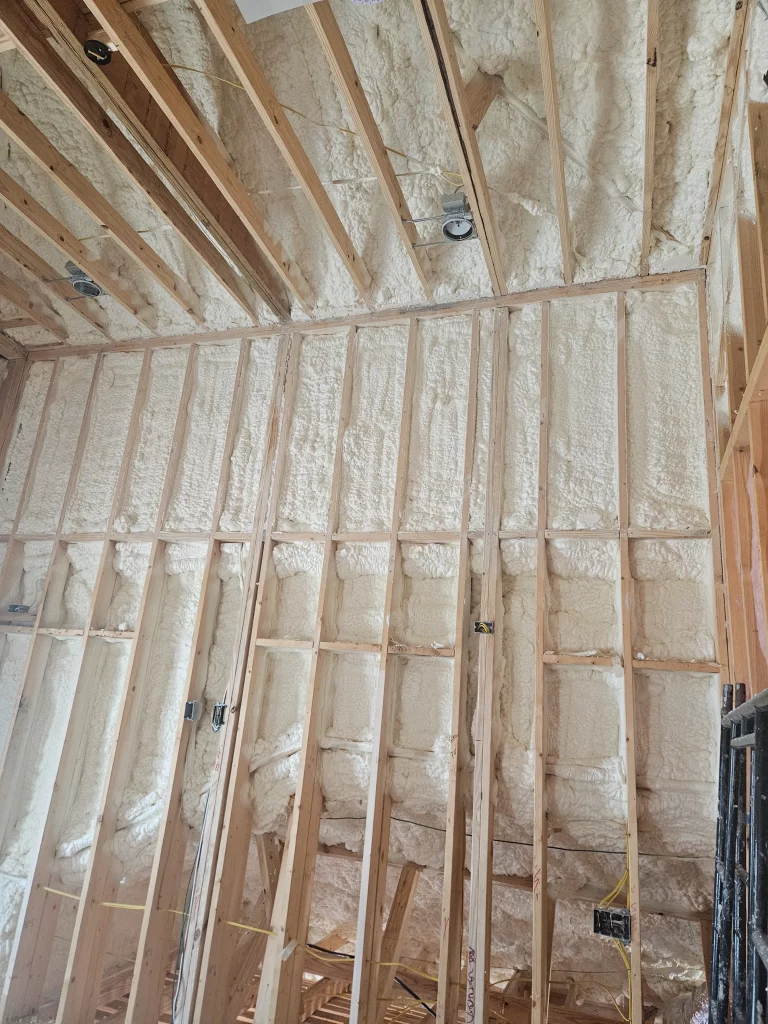
People often ask how open cell foam stacks up against closed cell foam. Here’s a simple side-by-side look:
| Feature | Open Cell Foam | Closed Cell Foam |
| R-Value per Inch | R-3.5 to R-3.8 | R-6.0 to R-7.0 |
| Density | 0.5 lbs/cubic foot | 2.0 lbs/cubic foot |
| Vapor Barrier | No (vapor-permeable) | Yes, at 1.5+ inches |
| Cost | Lower | Higher |
| Best For | Attics, interior walls, sound control | Roof decks, crawlspaces, moisture-prone areas |
| Expansion Rate | Up to 100x original volume | 30-40x original volume |
While R-value is an important factor, choosing between open-cell and closed-cell foam depends on your climate, budget, and moisture control needs.
Here are the technical numbers that matter if you’re comparing products or checking code requirements:
| Property | Measurement | Test Standard |
| Core Density | 0.5 lbs per cubic foot | ASTM D 1622 |
| R-Value | R-3.5 to R-3.8 per inch | ASTM C 518 |
| Air Permeance | Less than 0.004 cfm/sq.ft. at 3.5 inches | ASTM E 2178 |
| Vapor Permeance | 5 to 10 perms at 5 inches | ASTM E 96 |
| Flame Spread Index | Class 1 (under 25) | ASTM E 84 |
| Sound Rating (STC) | 37 in a standard 2×4 wall | ASTM E 90 |
For attics, we usually recommend open-cell spray foam insulation applied between five and ten inches thick, depending on your local climate zone requirements.
A few things matter before choosing this material for your project:
Moisture control. Open-cell foam doesn’t block moisture vapor the way closed-cell foam does. In colder regions, you’ll likely need a separate vapor retarder, like a paint coating or membrane, to prevent condensation problems.
Wall depth. Because this foam has a lower R-value per inch, you need more depth to hit the same performance. Standard 2×4 walls may limit how much R-value you can get, so 2×6 framing works better if you’re aiming for higher numbers.
Cost savings. Using open-cell foam insulation can save money compared to closed-cell foam. Since it expands up to 100 times its original size, it takes less raw material to fill the same space.
Attic codes. Check your local building codes about ignition barriers. If your attic is used for storage, code may require a protective coating over the foam.
Moisture during install. Our crew checks that wood framing has a moisture content below 19% before spraying, which helps the foam cure properly.
Quick tip: In humid climates, pair your air seal with a mechanical ventilation system. Once a property is sealed tightly, fresh air needs to come in through a controlled system to keep indoor air quality healthy.
Quick tip: Any recessed lighting near the foam should be IC-rated (rated for direct insulation contact) for safety.
As a spray foam insulation air barrier, this material stops warm air from escaping into the attic in winter and keeps cold air out in summer. This air-sealing spray foam also protects wood framing from temperature swings and reduces dust buildup from drafts.
Besides sealing air and holding in heat, open-cell foam is also good at reducing noise. Its soft, open structure absorbs sound waves, which cuts down on noise passing between rooms. That makes it a solid pick for interior walls, home theaters, and multi-family buildings.
Unlike more rigid materials, this foam stays flexible and moves with the building as it shifts over the seasons. It won’t crack or pull away from the studs, so the seal keeps working for the life of the building.
Picking the right insulation comes down to balancing three things: thermal performance, moisture control, and budget. Open-cell foam is a strong, affordable option for many properties, especially where sound control and air sealing matter most.
By blocking air movement, this system also takes pressure off your HVAC system, which can help it last longer and keep temperatures more even throughout your space.
Spray Foam Tech is ready to help with your next project. We handle professional installations designed to seal out drafts and lower your monthly energy bills. Call us at (737) 777-9590 or email oldworldtx@hotmail.com to get a free quote. We’ll check your attic or wall cavities and recommend the right thickness for year-round comfort.
No. It’s vapor-permeable, meaning moisture vapor can pass through it. Colder climates usually need a separate vapor retarder alongside it.
It typically falls between R-3.5 and R-3.8 per inch of thickness.
No, we don’t recommend it below grade or in contact with soil, since it can absorb water. It works best in dry, above-grade spaces.
It’s generally less expensive, mainly because its high expansion rate means less material is needed to fill the same space.
Open cell foam insulation is a type of spray foam made from tiny, open cells that trap air instead of a dense gas. This keeps it soft and flexible while still sealing gaps and reducing air leaks.
No. Once cured, it stays flexible and stays attached to the framing, so the seal holds for the life of the building.
International Institute of Building Enclosure Consultants – Technical resources on vapor permeance in building envelopes.
Air Barrier Association of America – Standards for air barrier materials and assemblies.