Spray Foam Roofing vs. Acrylic Roof Coating in Georgetown, TX: Key Differences Explained
Spray foam roofing and acrylic roof coating both protect flat and low-slope roofs in Georgetown, TX, but they solve different…


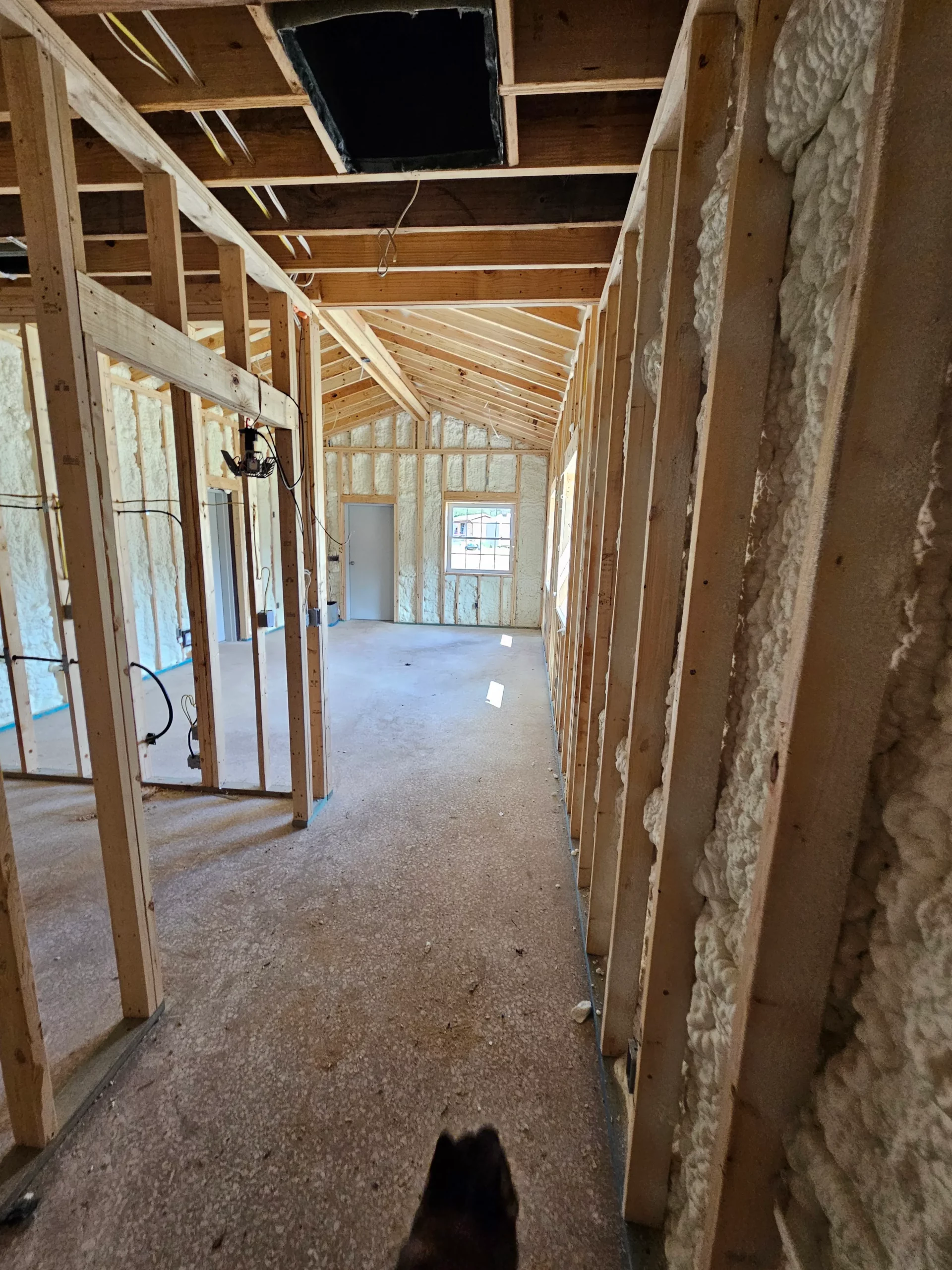
Open-cell spray foam insulation is the best choice when you need a cost-effective, high-performing thermal barrier that provides superior sound dampening and fills large gaps in complex residential structures. We recommend this material for interior walls and roof decks where the structure requires breathability and flexible air sealing to maintain indoor comfort.
This guide provides a detailed look at the technical specifications and practical applications of open-cell insulation explained for modern homeowners. Based on our years of experience in the insulation industry, we help you determine if this material aligns with your specific building goals.
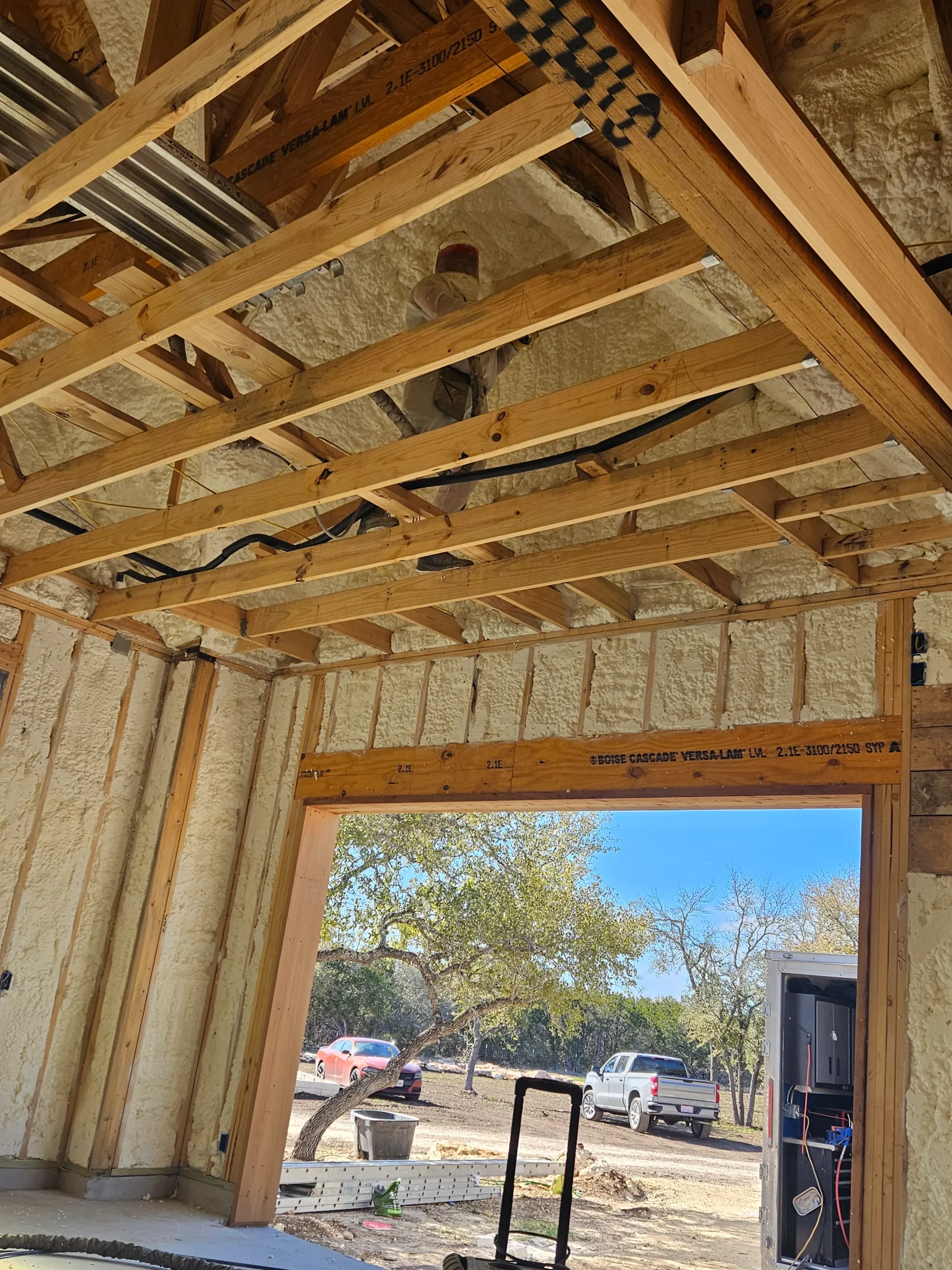
Open-cell foam consists of cells that are deliberately left open, making the material softer and more flexible than closed-cell alternatives. This flexibility allows the foam to move with the natural shifting of a house without cracking the seal. It expands up to 100 times its liquid volume, ensuring every nook and cranny is sealed against air leaks.
According to the Office of Energy Efficiency & Renewable Energy air sealing is one of the most effective ways to reduce heating and cooling costs. Open-cell foam provides a complete air barrier at a lower price point than denser foams. Its density usually sits around 0.5 pounds per cubic foot, making it lightweight and safe for most ceiling structures.
Installing open-cell spray foam insulation in attic systems is a standard practice for creating “conditioned” attic spaces. By applying the foam directly to the underside of the roof deck, we move the thermal boundary of the home from the floor to the roofline. This protects your HVAC equipment and ductwork from extreme temperature swings.
Bonus Tip: When insulating a roof deck, always ensure there are no active roof leaks. While open-cell foam allows water to pass through to help you spot a leak early, existing moisture will hinder the foam’s ability to bond to the wood.
A common question is whether an open cell spray foam vapor barrier exists within the material itself. Technically, open-cell foam is vapor-permeable, meaning moisture can move through it over time. In most temperate climates, this is a benefit because it allows wooden framing to dry out if it gets wet.
However, in extremely cold environments, building codes may require a separate vapor retarder paint or film. Data from the Building Science Corporation indicates that the permeability of open-cell foam helps prevent rot in many residential assemblies by managing moisture flow rather than trapping it.
The question of how thick should open cell spray foam be depends on the R-value requirements of your local building code. Open-cell foam typically provides an R-value of 3.5 to 3.8 per inch. To meet modern energy standards, a thickness of 6 to 10 inches is common for attic applications.
| Feature | Open-Cell Spray Foam Specification |
|---|---|
| R-Value per Inch | 3.5 – 3.8 |
| Density | 0.5 lbs/cu. ft. |
| Air Barrier | Effective at 3.5+ inches |
| Vapor Barrier | Permeable (Not a vapor barrier) |
| Expansion Rate | 100:1 |
| Cost | Low to Moderate |
Because of its soft, sponge-like structure, this material is an excellent choice for soundproofing. It absorbs sound waves rather than reflecting them. We often use it in media rooms, nurseries, or between floors to reduce the transfer of noise from footsteps or talking.
Furthermore, sealing gaps with this material can help open cell foam reduce indoor dust by preventing outdoor pollutants and allergens from infiltrating the living space through wall penetrations.
Before deciding on a material, check your local climate zone and the structural integrity of your building. Open-cell foam should never be used in below-grade applications or areas where it will be in direct contact with bulk water. It is strictly for interior use where it can remain dry.
A study by the National Research Council Canada highlights that selecting the wrong foam for the environment can lead to performance failures. Always verify that your chosen installer understands the specific moisture profile of your region before beginning the project.
Bonus Tip: If you are planning to sell your home soon, keep the manufacturer’s data sheets. Documenting the use of high-quality open-cell foam can increase the appraised value of your home due to improved energy efficiency ratings.
Choosing the right insulation requires a balance between cost, performance, and the specific needs of your building. Open-cell foam provides a unique combination of air sealing and acoustic control that few other materials can match. By focusing on proper thickness and professional application, you can ensure a more stable indoor environment for decades. We encourage you to review your local energy goals to see how this material fits your plan.
Spray Foam Tech TX provides expert installation to help you achieve the highest energy standards. Our team specializes in precision application to ensure your home remains comfortable and quiet throughout the year. If you are ready to improve your home’s efficiency, contact us today for a free quote. We are available at oldworldtx@hotmail.com or by phone at (737) 777-9590. Let our experience guide you to the right insulation solution.
Open-cell foam is suitable for damp climates as long as it is installed in a dry wall or roof cavity. Its permeability allows the structure to dry toward the interior.
No, spray foam does not contain food sources for rodents or insects. While it is not a pesticide, the airtight seal it creates helps block entry points for pests.
Professional equipment is required to maintain the correct temperature and pressure for the chemical reaction. DIY kits are usually limited to small cracks and do not provide consistent results.
Most residential attic projects are completed within one day. The foam cures within seconds, but we recommend staying out of the home for 24 hours for proper ventilation.
Unlike fiberglass which can sag or settle, open-cell spray foam maintains its shape and R-value for the life of the building as long as it remains undisturbed.