Spray Foam Roofing vs. Acrylic Roof Coating in Georgetown, TX: Key Differences Explained
Spray foam roofing and acrylic roof coating both protect flat and low-slope roofs in Georgetown, TX, but they solve different…


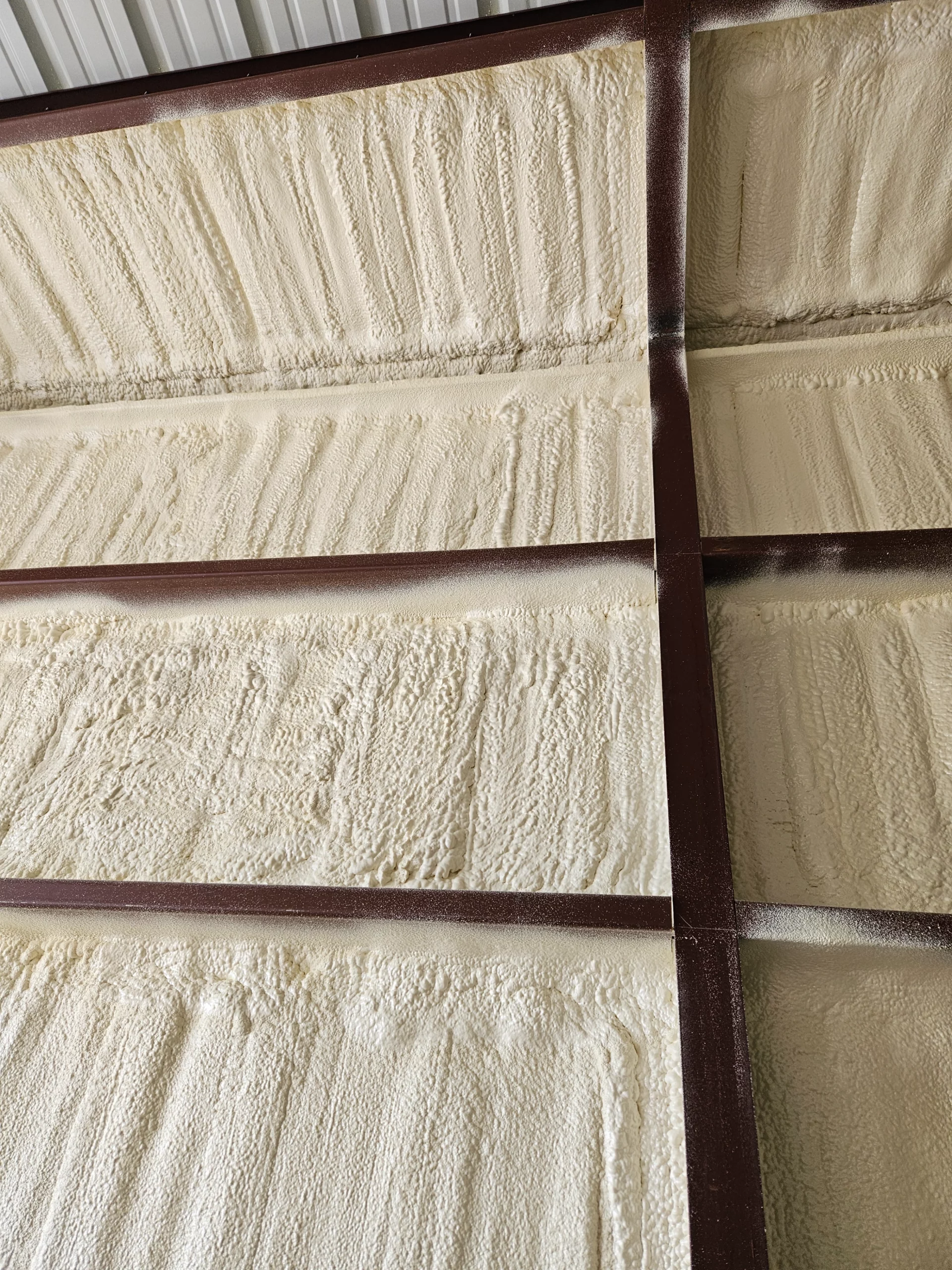
Open-cell foam reduces indoor dust by creating a comprehensive air seal that fills the tiny cracks and gaps where unfiltered air typically enters a building. Spray Foam Tech utilizes these high-performance materials to establish a seamless barrier, ensuring that the particles that normally bypass traditional insulation are effectively blocked. This guide explains how open-cell insulation transforms indoor environments by stopping the transport of debris through the building envelope.
Our team provides these insights based on extensive field experience with building science and air infiltration. We aim to offer a clear understanding of how insulation choices impact daily cleanliness and respiratory health. This article details the mechanical advantages of spray foam and provides practical advice for those looking to improve their living environment.
Most airborne particles enter a home through the stack effect, where air moves upward and pulls in outdoor pollutants through gaps in the foundation and walls. According to the U.S. Department of Energy, sealing these air leaks is one of the most effective ways to improve indoor comfort and durability.
Open-cell foam is particularly effective because it expands rapidly upon application, reaching into corners that fiberglass or cellulose simply cannot cover. When we apply open-cell spray foam insulation, we stop the drafts that carry dust, soot, and pollen. This results in an HVAC system that works more efficiently because it only has to filter the air already inside the building.
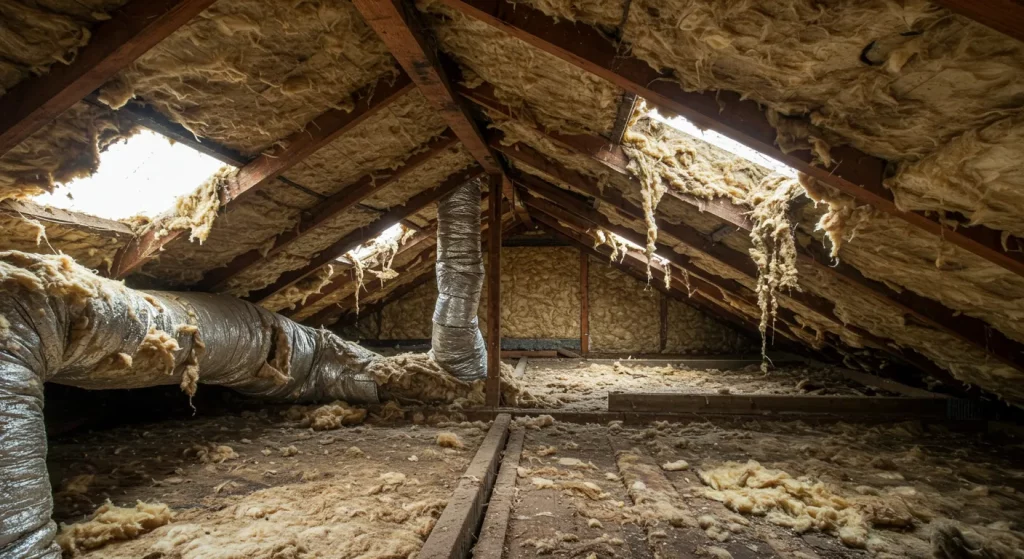
Traditional insulation materials like fiberglass act more like a filter than a barrier. Over time, these filters become clogged with dust and eventually allow particles to pass through into the living space. An airtight seal created by spray foam eliminates this issue entirely by providing a solid physical obstruction to air movement.
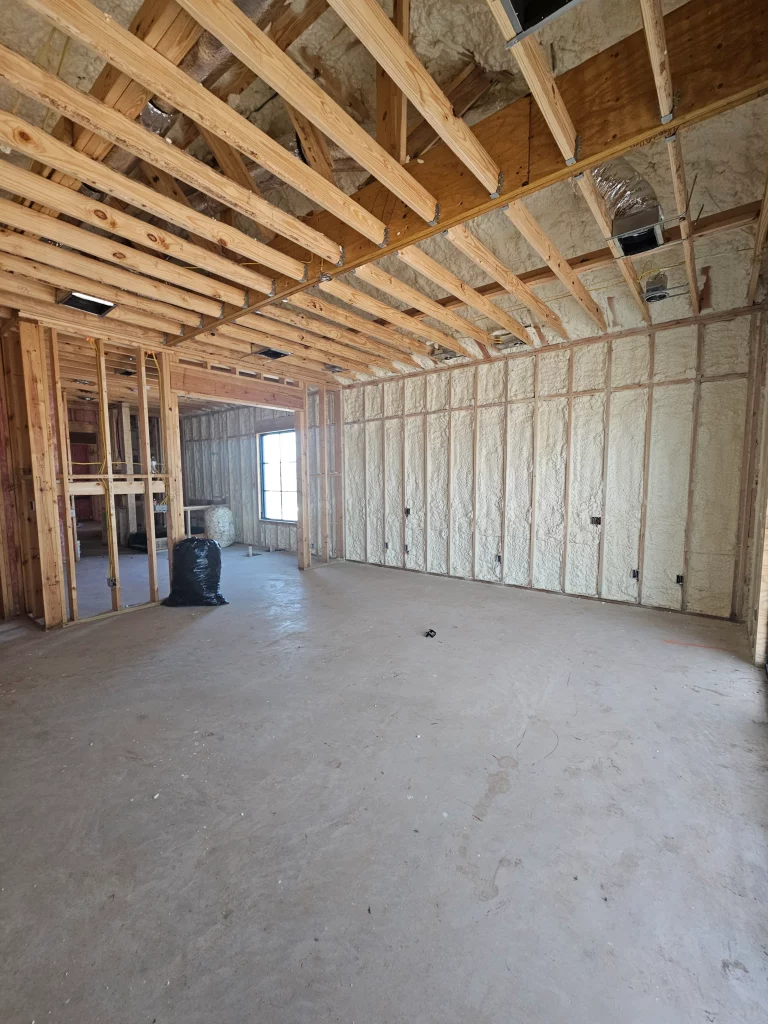
Research highlighted by the Environmental Protection Agency (EPA) indicates that controlling outdoor pollutant entry is a primary step in managing indoor air quality. By choosing a material that bonds to the building structure, we ensure that the seal remains intact even as the building expands and contracts with temperature changes.
| Insulation Feature | Open-Cell Spray Foam | Traditional Batts |
|---|---|---|
| Air Leakage Control | High (Forms Seal) | Low (Air Passes Through) |
| Particle Filtration | Total Barrier | Partial Filter |
| Material Lifespan | Decades | May Sag or Settle |
| Expansion Capability | Fills Gaps Automatically | Must be Manually Cut |
Outdoor pollutants such as fine particulate matter and seasonal allergens are often small enough to migrate through standard wall assemblies. Open-cell foam features a cell structure that, while breathable for moisture vapor, is dense enough to stop the physical movement of dust. This dual-action performance is why many homeowners notice a significant decrease in the need for dusting after an upgrade.
Bonus Tip
To maximize the dust-reduction effects, ensure that your contractor seals the top plates in your attic. This prevents the vacuum effect that pulls dust from the attic into your bedroom walls.
For individuals sensitive to seasonal changes, the building envelope serves as the first line of defense. By creating a sealed environment, you significantly reduce the volume of allergens like ragweed and cedar pollen that can settle on carpets and furniture. You can learn more about managing home health in our related guide on improving indoor air environments.
Before proceeding with an insulation project, it is vital to assess the existing ventilation of the building. Because open-cell foam creates such a tight seal, the house may require a fresh air exchange system to maintain optimal oxygen levels. You should also verify that any previous water damage or mold in the wall cavities has been fully remediated before the foam is applied.
Professional installers should always check the moisture content of the wood studs before application. This ensures the foam adheres correctly and provides the long-term air sealing benefits promised. Proper preparation is the difference between a standard upgrade and a transformative improvement in air cleanliness.
Bonus Tip
If you have an older HVAC system, have the ducts cleaned simultaneously with the insulation install to remove any legacy dust already trapped in the vents.
Selecting a professional team ensures that every penetration for pipes, wires, and vents is properly addressed during the sealing process. We take pride in our precision and our commitment to improving the health of every building we service. Our experience allows us to provide solutions that go beyond simple temperature control to include total air quality management.
Upgrading to open-cell foam is a permanent solution for those struggling with excessive indoor dust. By addressing the physics of air movement, you create a more controlled and cleaner environment. We recommend a thorough inspection of your attic and crawlspace to identify the primary entry points for pollutants before beginning your insulation journey.
We invite you to reach out to us to discuss how we can help you achieve a dust-free environment. Spray Foam Tech is dedicated to providing high-quality service and educational value to all our clients. Please contact us at (737) 777-9590 or via email at oldworldtx@hotmail.com for more information. We are happy to provide a complimentary quote for your next project and assist you in evaluating your specific insulation needs.
The material expands into every gap, creating a physical barrier that prevents air from carrying dust into the home. Unlike fiberglass, it does not allow air to sift through the material.
It significantly reduces outdoor dust entry, but it cannot stop dust generated internally. Indoor dust often comes from pet dander, clothing fibers, and skin cells which require regular cleaning and filtration.
Both provide an excellent air seal to block dust. Open-cell is often preferred for residential walls and attics because it is more cost-effective while still providing the necessary air barrier.
The installation process can stir up existing dust in an attic. However, once the foam cures and the area is cleaned, the new seal prevents future dust from accumulating in those spaces.
Many homeowners report they need to dust and vacuum less frequently after sealing their home. By stopping the constant influx of outdoor dirt, the indoor surfaces remain cleaner for longer periods.