How Long Does Professional Insulation Removal Take for an Average Lago Vista Home?
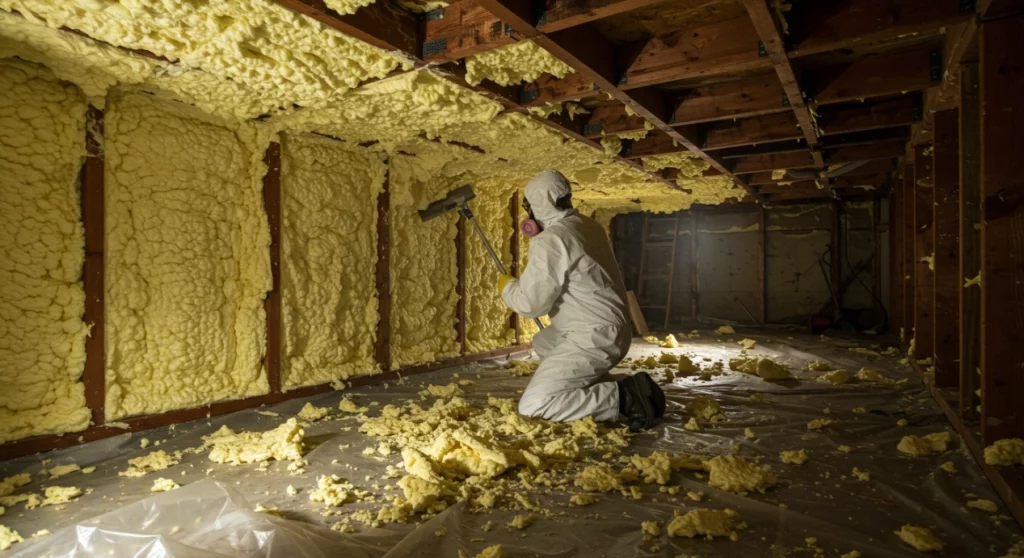
Most average Lago Vista homes take about one day with professional insulation removal services. Industry guides put the range at…


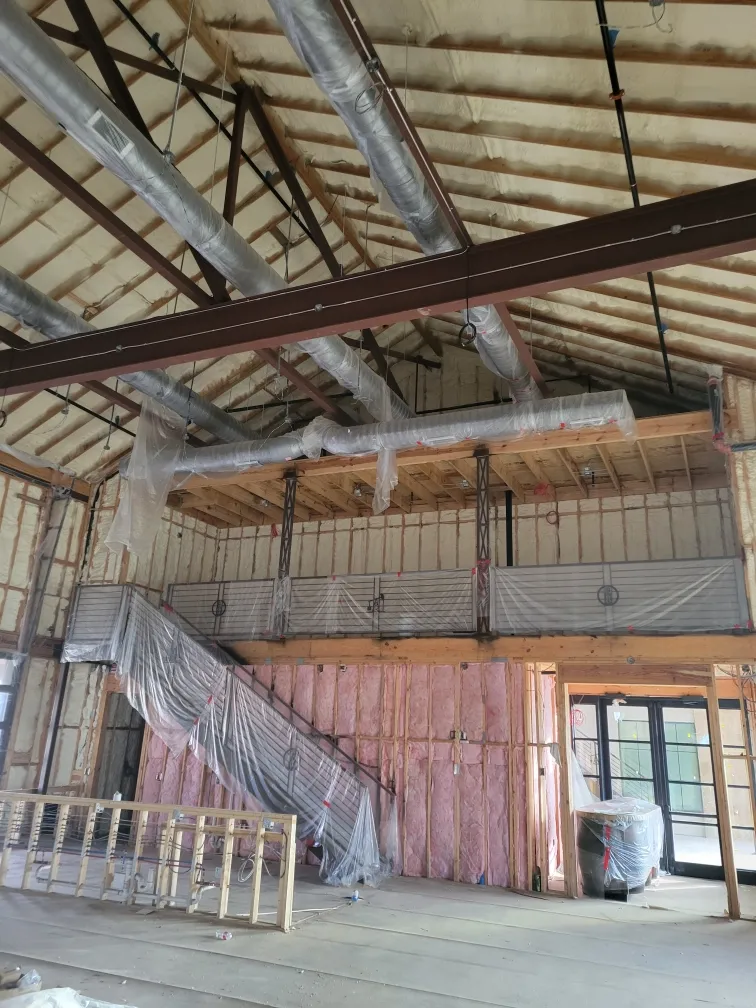
Insulation slows heat flow through your roof and walls, so your HVAC cycles less often. If you need a warehouse insulation contractor in Burnet, TX, owners can call; we start by finding where your building loses the most heat.
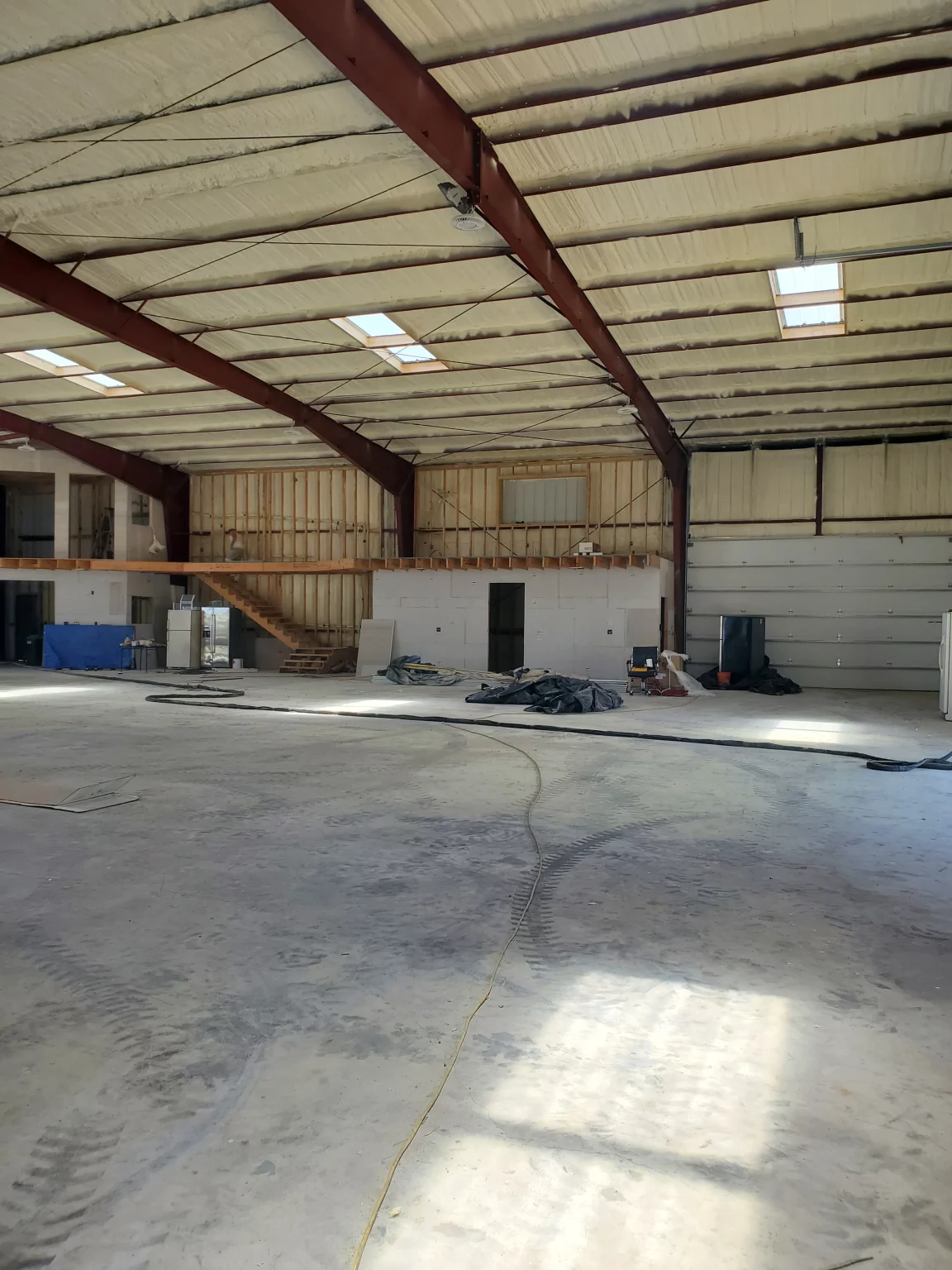
Warehouses are big, tall, and wrapped in thin metal. That shell takes the beating, and your HVAC pays for it. According to DOE’s Rebuild America guidance, buildings whose energy use follows outdoor weather are often “shell-driven,” and adding insulation is typically cost-effective where existing insulation is thin. A bare metal roof fits that description. In July, it soaks up sun and pushes heat down onto your floor and racks.
Without good warehouse temperature control, your units run long cycles just to hold the setpoint. Longer runtime means higher power bills, more wear on compressors, and hot spots near the ceiling and dock areas.
Insulation slows conductive heat transfer. Less outdoor heat reaches your indoor air, so your equipment doesn’t have to fight as hard.
That helps you reduce HVAC workload on the hottest afternoons, when your system is already near its limit. Fewer long cycles also mean fewer hard starts, which is where a lot of mechanical wear happens.
Modeling from the National Renewable Energy Laboratory shows that wall and roof insulation upgrades can cut loads enough that HVAC equipment size may be reduced. That’s a modeling result for general building types, so it isn’t a promise for your site.
Air leaks matter too. Oak Ridge National Laboratory research on OSTI estimates air leakage accounts for about 6% of U.S. commercial building energy use. Burnet insulation services and air sealing do different jobs, so a good plan treats both.
That’s why commercial building energy efficiency work usually starts with the building envelope, before anyone talks about replacing equipment.
Not every surface matters equally. Here’s where we usually look first:
Start with the surface that has the least insulation today. That’s usually where each dollar goes furthest.
Burnet summers are hot and humid, and winters are mild. Your system spends most of its effort on cooling, so heat gain is the main fight.
The biggest warehouse insulation benefits in Burnet usually show up from late spring through early fall. That’s when your roof bakes all day and your HVAC rarely gets a break. You’ll still see some winter benefits, but summer is where the payoff is strongest.
Humidity adds another reason to seal gaps along with insulating. Moist outside air that slips into the building makes your cooling equipment work on humidity as well as heat.
Every building is different, so there isn’t one right answer. This table shows the usual trade-offs.
| Option | Strength | Trade-Off |
|---|---|---|
| Fiberglass Batts or Blankets | Lower upfront cost | Doesn’t seal air gaps and can sag over time |
| Closed-Cell Spray Foam | Insulates and seals in one pass | Higher upfront cost |
| Rigid Board | Good R-value per inch | Seams need careful sealing |
Any commercial insulation choice comes down to your roof type, your budget, and how long you plan to stay in the building. A short-term lease may favor a cheaper fix, while an owner-occupied building often justifies a longer-lasting one.
Insulation isn’t a cure-all. It won’t repair an undersized unit, leaky ductwork, or a system that’s past its service life.
Here’s an example. If a warehouse has two dock doors propped open all day, a new roof layer won’t stop the cooled air from walking out the back. You’d want to deal with the door habits and seals first or at the same time.
Heat from lighting and equipment also adds to your load. Insulation reduces what comes in from outside, but it can’t remove heat created inside.
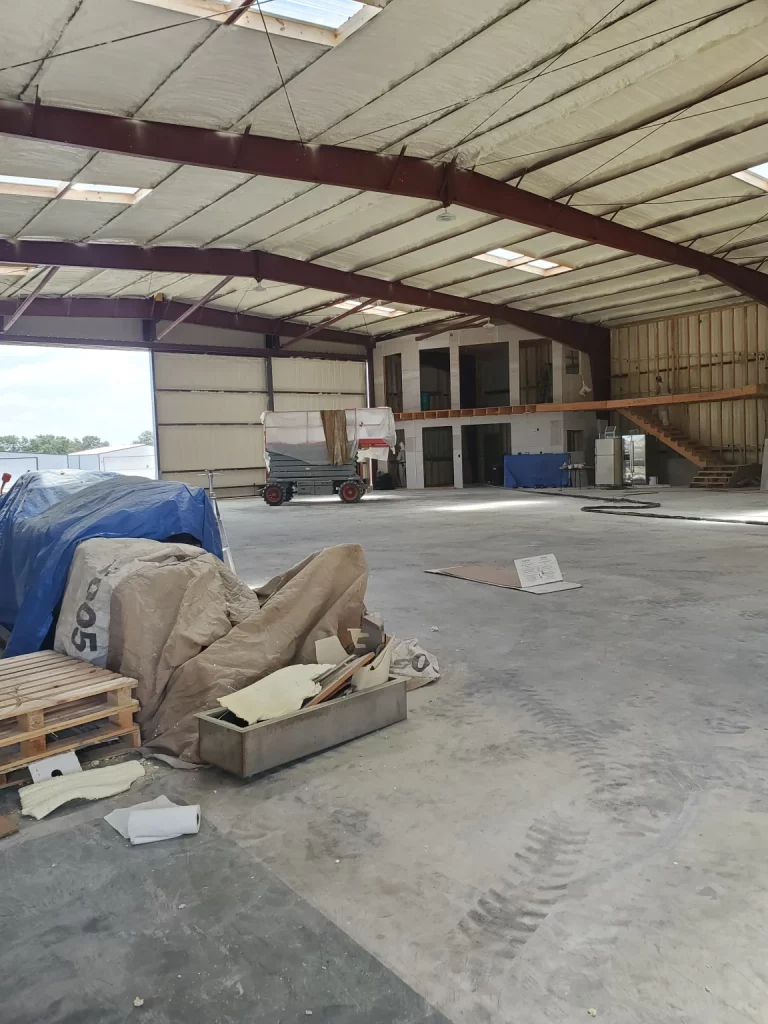
You don’t need a full energy audit to get started. Pull this together first:
With that in hand, a walkthrough goes faster, and the recommendation gets more specific.
If your HVAC runs nonstop all summer, there’s a good chance your building’s shell is part of the problem. We’ll look at your roof, walls, and openings, then explain what we’d do and why.
Call Spray Foam Tech at (737) 777-9590 or send an email at oldworldtx@hotmail.com to ask about a walkthrough of your warehouse.
Often, yes. It depends on the product and the work area, so we plan around your operations during the walkthrough.
It can be. Insulation can lower heat build-up inside, which helps workers stay comfortable and may protect heat-sensitive stock.
Look for sagging or damp material, hot ceilings in summer, and cold spots near walls in winter. A sudden rise in power bills with no change in use is another warning sign.
Sometimes. It depends on the old material’s condition and whether moisture is trapped, and we check that on site.
In most cases, the roof comes first because it takes the most direct sun. Your building’s current condition and layout can change that, though.