Energy-Efficient Homes: Best Spray Foam Insulation in Pflugerville, TX
Direct Answer Choosing the right insulation services in Pflugerville depend on your specific energy goals, budget, and the areas you…


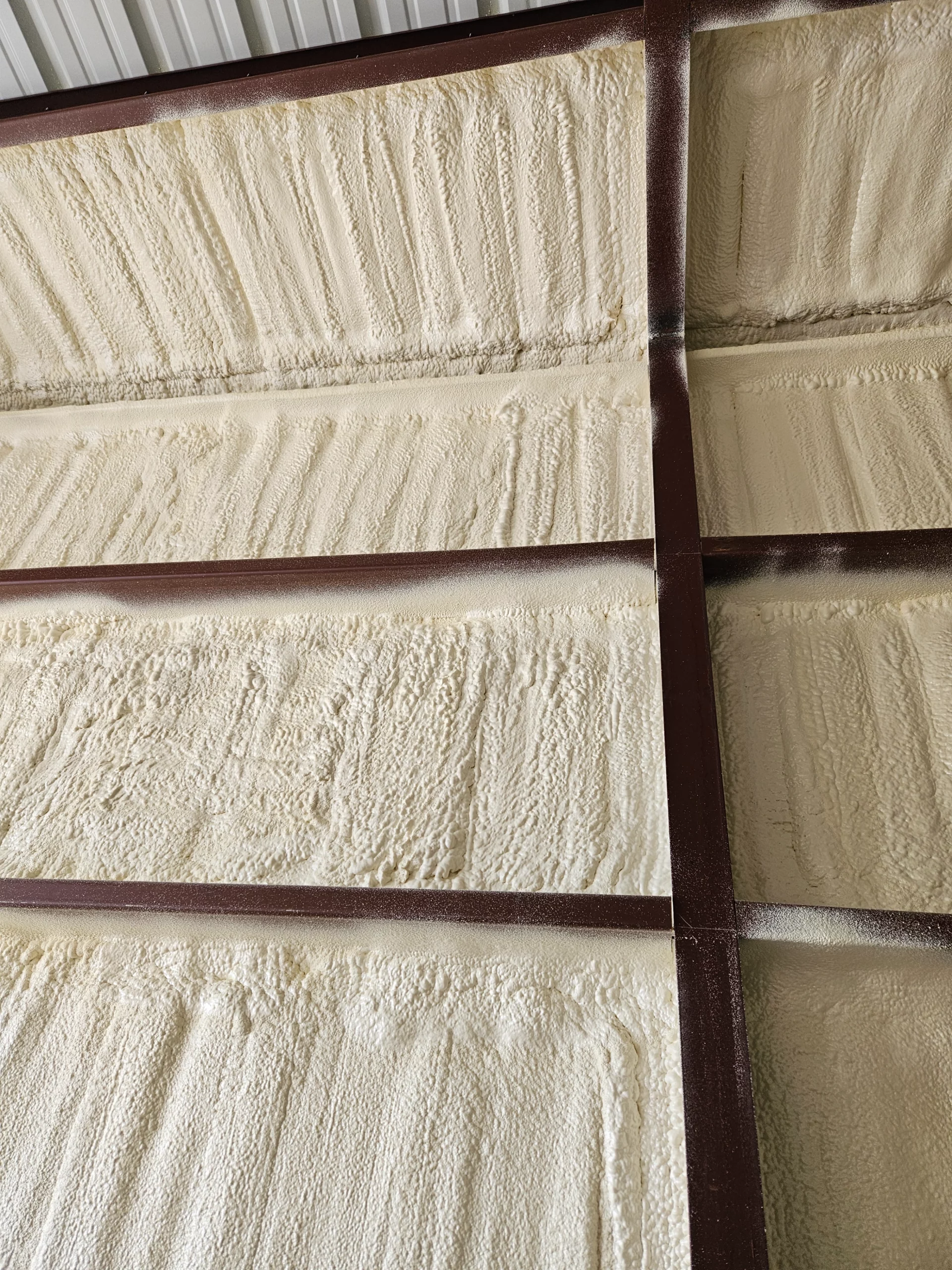
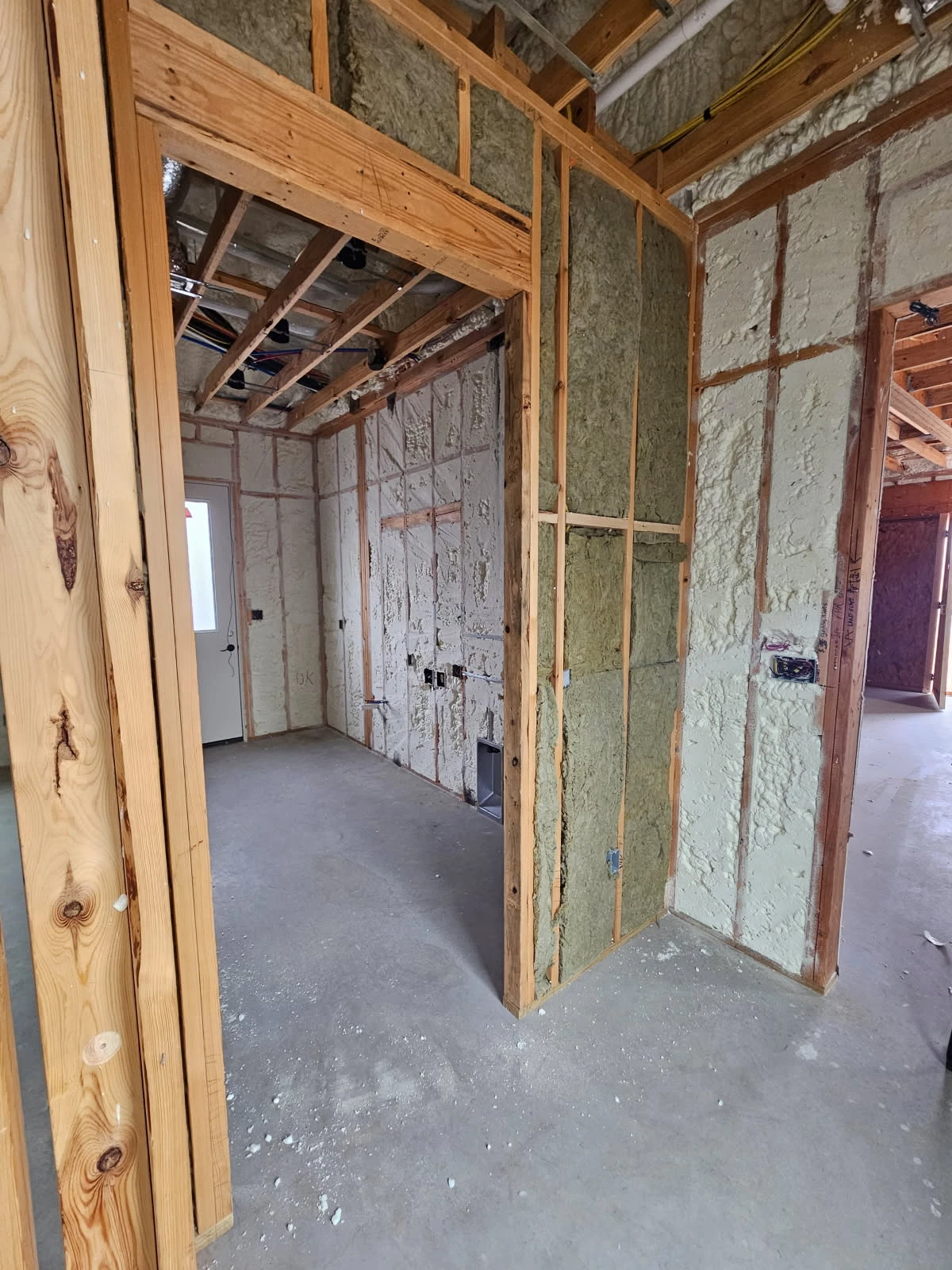
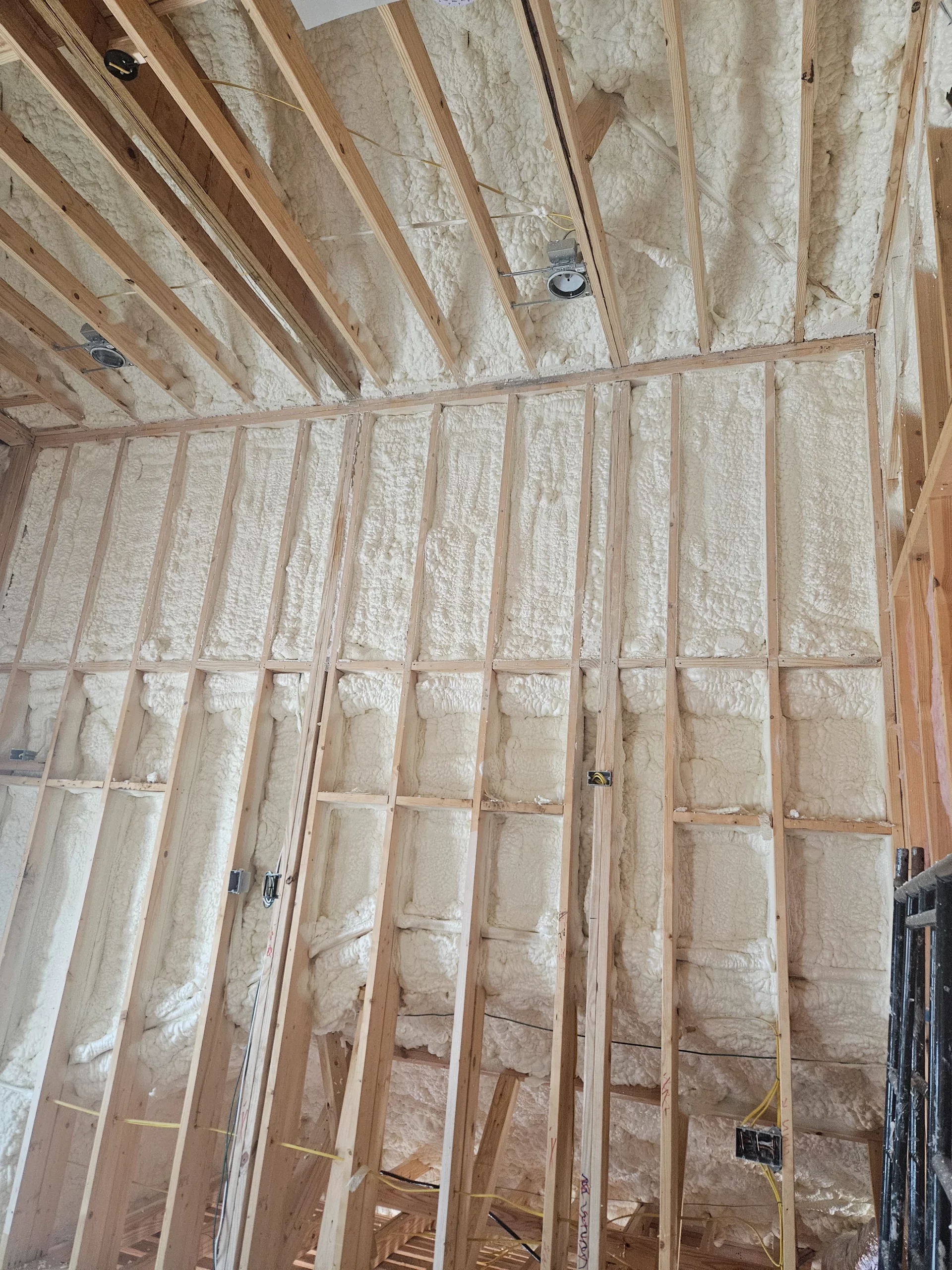
Yes, open-cell spray foam insulation drastically reduces indoor dust accumulation by establishing a continuous, airtight seal across the building envelope. Traditional insulation materials like fiberglass allow air to pass through them, acting as a filter that eventually clogs and will enable particulates to enter the living space. In contrast, open-cell foam expands to fill every crack, gap, and crevice, physically blocking airflow that carries dust, pollen, and outdoor pollutants into the home.
While internal sources of dust, such as dead skin cells and fabric fibers, will always exist, a significant volume of household dust is actually soil, soot, and organic matter drawn in from the outdoors. By blocking air infiltration pathways, open-cell foam eliminates the transport mechanism for these external contaminants. Spray Foam Tech has found that clients often report a noticeable decrease in the frequency of required dusting and cleaner HVAC filters immediately following installation.
To understand how insulation affects dust, you must understand how air moves through a house. Homes function like large chimneys due to a phenomenon called the “stack effect.” In winter, warm air rises and escapes through the attic. This creates negative pressure at the bottom of the house, which sucks cold, dirty air in through the foundation, windows, and walls. In summer, the reverse often happens.
This moving air is the primary vehicle for dust. If air can enter, dust enters with it. The Building Science Corporation explains that air barriers are critical systems because air leakage transports significantly more moisture and contaminants than diffusion alone. Standard insulation does not stop this airflow; it only slows the transfer of heat. Open-cell foam creates the air barrier that the Building Science Corporation identifies as essential for separating the indoor environment from uncontrolled outdoor pollution.
Fiberglass batts act like a furnace filter. When the stack effect pulls air through the walls, that air passes directly through the fiberglass. The fiberglass captures some large particles, which causes the insulation to turn black and dirty over time. However, it cannot stop microscopic particles, smoke, or fine dust. Eventually, as the pressure continues, the air pushes these particulates out of the insulation and into your drywall gaps, outlets, and eventually the air you breathe.
Open-cell foam stops this “filtration” process. Because the foam adheres directly to the studs and sheathing, there is no space for air to move through the cavity. The air—and the dust it carries—hits a dead end at the exterior sheathing.
Different insulation materials offer varying levels of protection against particulate infiltration. This comparison highlights why spray foam is the superior choice for allergy sufferers and those wanting a cleaner home.
| Performance Metric | Fiberglass Batts | Cellulose (Blown-in) | Open-Cell Spray Foam |
|---|---|---|---|
| Air Permeability | High (Air flows through easily) | Moderate (Slows air but permits it) | None (Air impermeable at standard thickness) |
| Seal Quality | Poor (Gaps around wires/pipes) | Good (Fills gaps but settles) | Excellent (Expands 100x to fill all voids) |
| Dust Interaction | Traps dust, becomes a dust source | Made of paper dust, it can enter ducts | Inert solid, blocks dust entry |
| Moisture/Mold Risk | Absorbs moisture, promotes mold | Absorbs moisture, heavy when wet | Breathable but hydrophobic options are available |
| Longevity | Sags over time, opening gaps | Settles over time, opening gaps | Permanent adhesion, no settling |
The correlation between insulation and health is direct. The Environmental Protection Agency (EPA) states that indoor air quality is often significantly worse than outdoor air quality, largely because pollutants can become trapped indoors. When a home is leaky, it constantly introduces new pollutants (pollen, agricultural dust, exhaust fumes) that the HVAC system must struggle to remove.
For families with asthmatic members, this constant influx of triggers is hazardous. A report from the Asthma and Allergy Foundation of America highlights that outdoor air pollution, when allowed indoors, exacerbates respiratory conditions. Open-cell foam creates a “conditioned” space. This means the interior air remains separated from the exterior environment, allowing your filtration system to clean the existing air without fighting a losing battle against incoming drafts.
The rim joist (where the house structure meets the foundation) is a notorious source of dust and spider webs. It is often uninsulated or poorly insulated with fiberglass. Applying open-cell foam here seals a major entry point for ground-level dust and pests.
Before committing to open-cell foam for dust reduction, assess your home’s existing ventilation strategy. Because this insulation is so effective at sealing air leaks, it eliminates the “accidental” ventilation that older, leaky homes rely on.
Mechanical Ventilation is Mandatory When you seal a home tight, you must ventilate it right. You likely need to install a mechanical fresh air system, such as an Energy Recovery Ventilator (ERV). This device brings in fresh outdoor air but first passes it through a high-quality filter. This gives you the best of both worlds: fresh oxygen without the accompanying dust.
Renovation vs. New Construction If you are building a new home, open-cell foam is easy to apply. If you are retrofitting an existing home, you will need to remove the drywall to access the stud cavities. In existing homes, many homeowners choose to spray only the attic (the roof deck) and the crawlspace. This seals the top and bottom of the “chimney,” which reduces the stack effect and significantly reduces dust, even if the walls remain insulated with traditional insulation.
If your ductwork runs through a dusty, vented attic, it is likely pulling dust into the system through loose joints. By applying open-cell foam to the roof deck (creating an unvented attic), you bring the ducts inside the clean, conditioned envelope of the house. This prevents them from sucking in attic dust.

Reducing indoor dust is a matter of physics: if you stop the air leakage, you stop the particulates carried by that air. Open-cell spray foam provides a superior air barrier compared to traditional insulation materials, effectively sealing the home against outdoor soil, soot, and pollen. While it requires a proper ventilation strategy to ensure fresh air, the result is a cleaner, more manageable home environment. For homeowners struggling with excessive dust, addressing the building envelope is the most effective long-term solution.
A cleaner home starts with a better seal. If you are ready to stop fighting a losing battle against dust and allergens, contact Spray Foam Tech. The team can evaluate your home’s leakage points and propose a solution that fits your needs. Call (737) 777-9590 or email oldworldtx@hotmail.com to schedule a consultation.
Yes. Pollen particles are relatively large compared to air molecules. Because open-cell foam blocks airflow that carries pollen, it effectively acts as a barrier against seasonal allergens entering through walls and attics.
No. You must remove the old, dirty insulation first. This is actually a benefit, as it allows you to vacuum out decades of accumulated dust, rodent droppings, and debris from the attic or walls before permanently sealing the space.
No, open-cell foam is vapor-permeable, meaning it allows water vapor to pass through so wood can dry, but it will absorb bulk water if there is a roof leak. However, it does not dissolve. For dust purposes, its air-blocking capability is the relevant factor, which works regardless of permeability.
No. Laundry lint is generated internally from clothes and linens. Insulation only stops dust that originates from outside or from the breakdown of building materials. You will still see lint, but the gritty, sandy dust on windowsills will decrease.