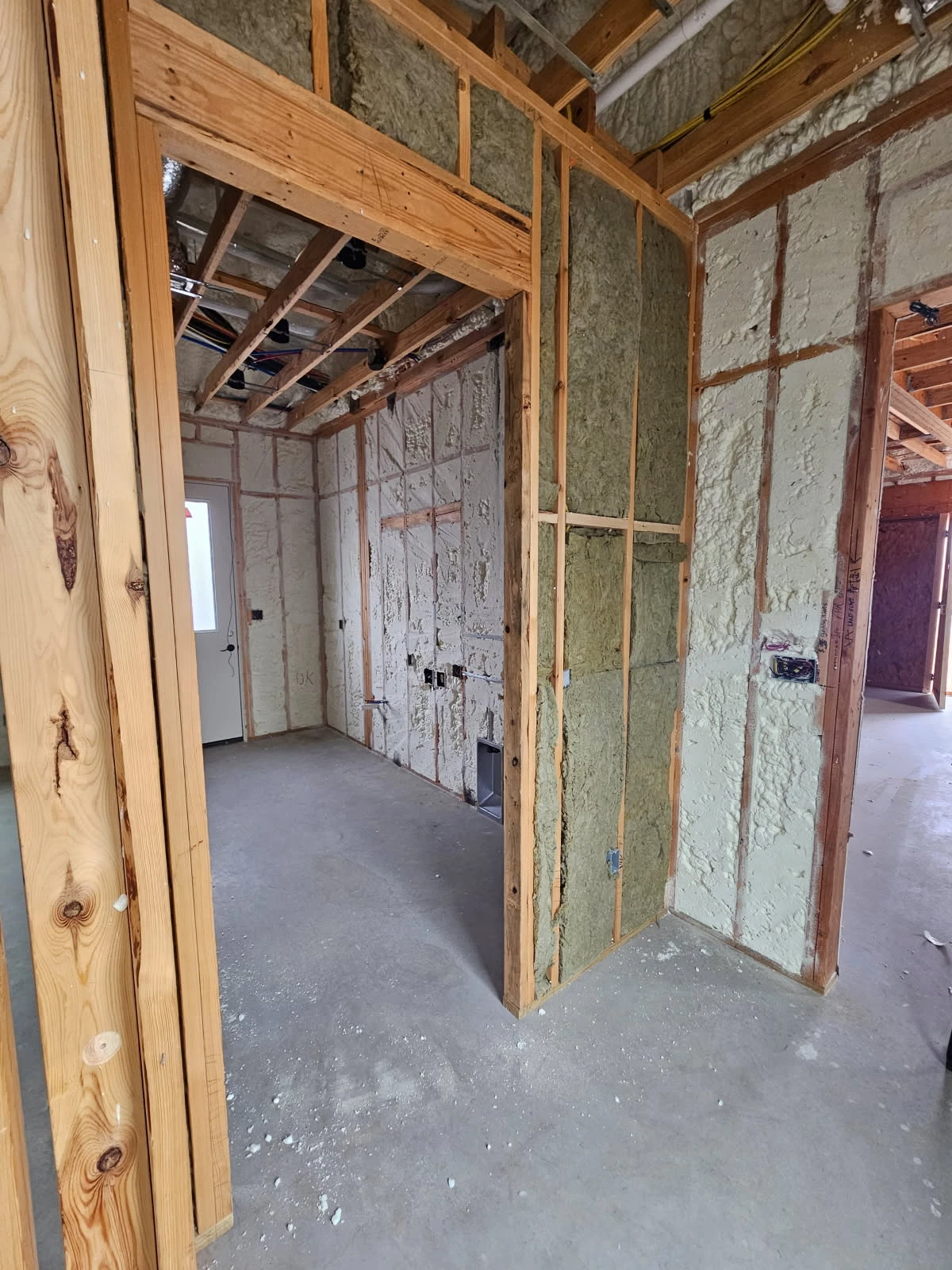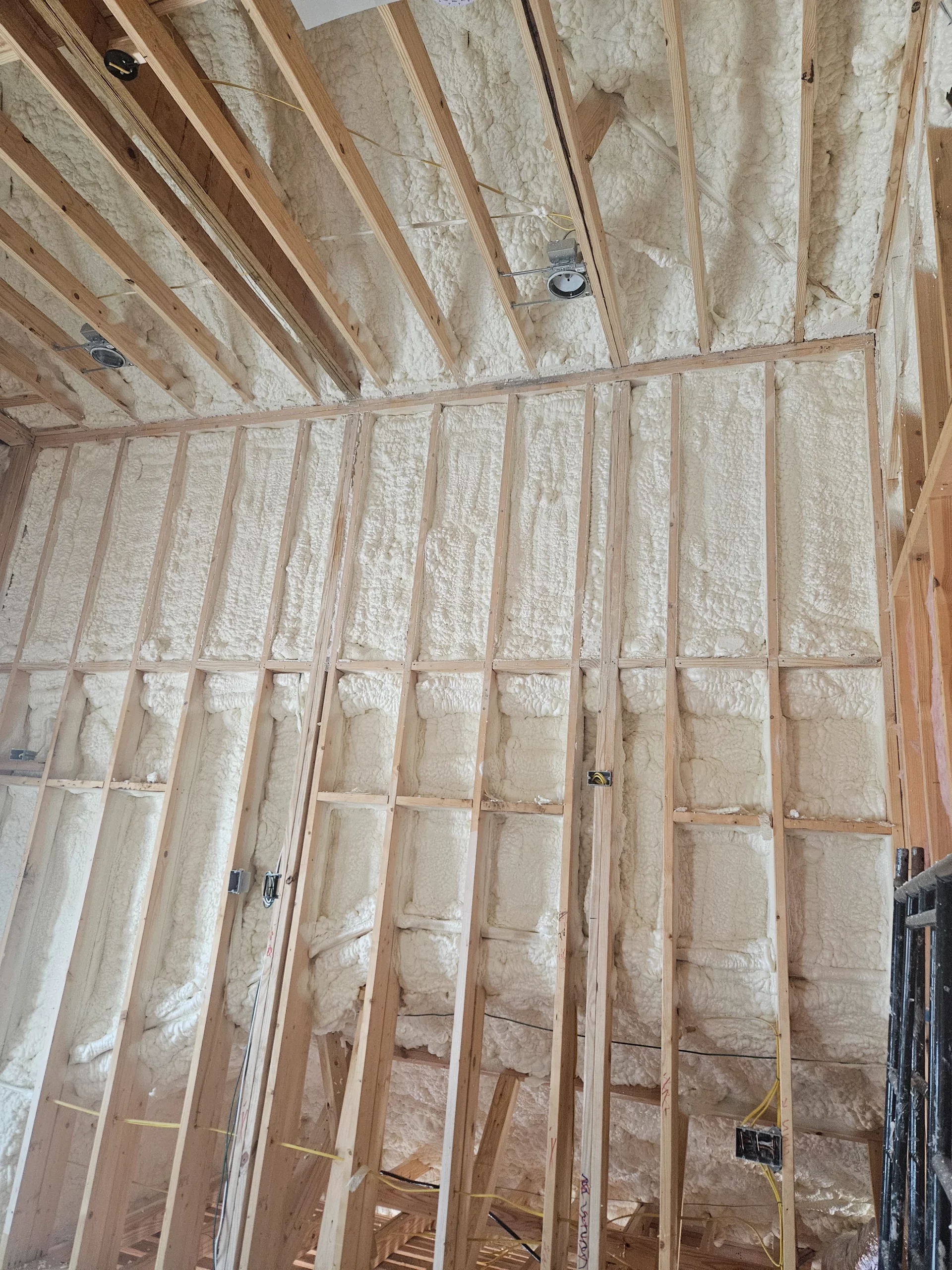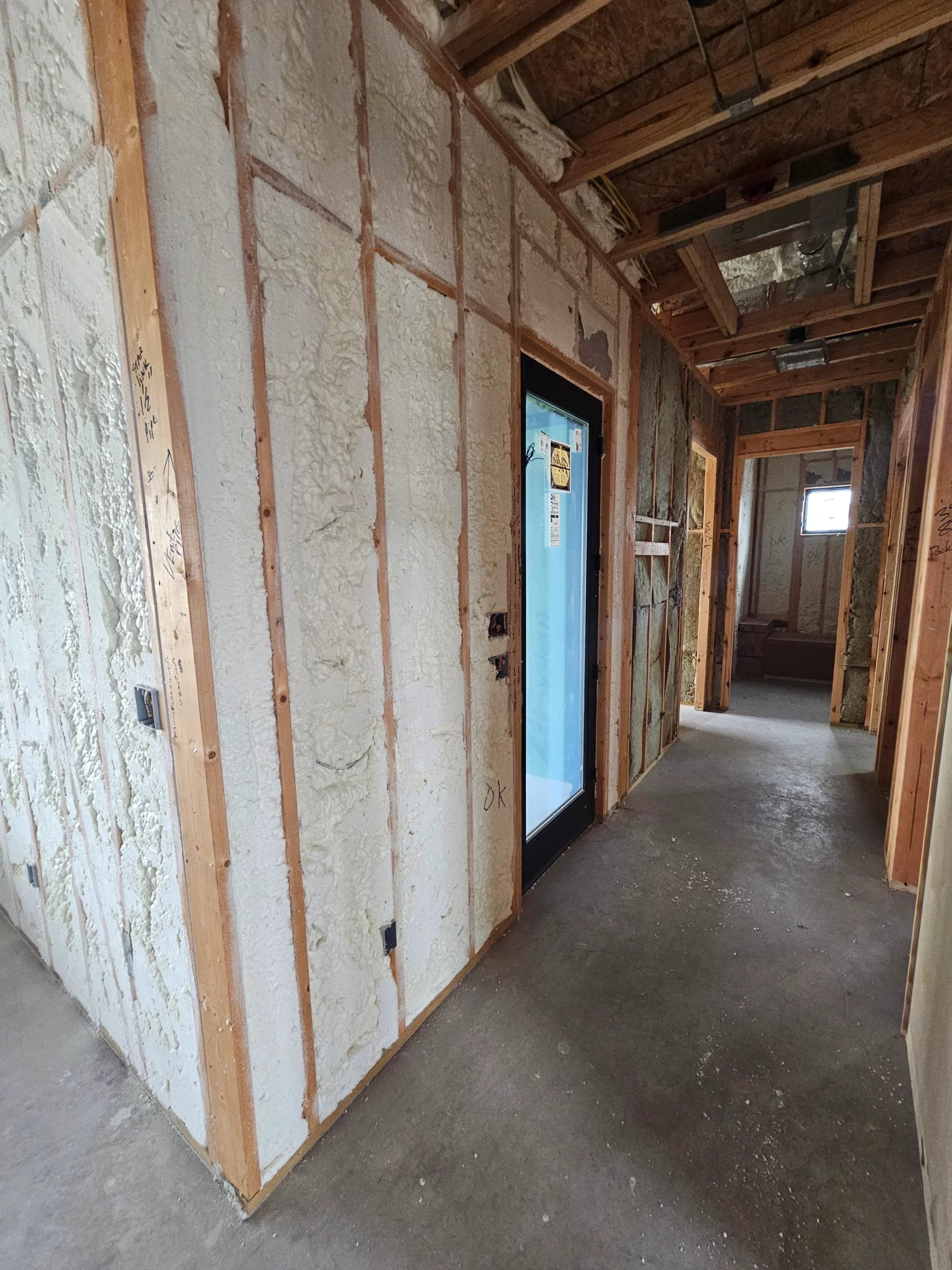
Energy-Efficient Homes: Best Spray Foam Insulation in Pflugerville, TX
Direct Answer Choosing the right insulation services in Pflugerville depend on your specific energy goals, budget, and the areas you…


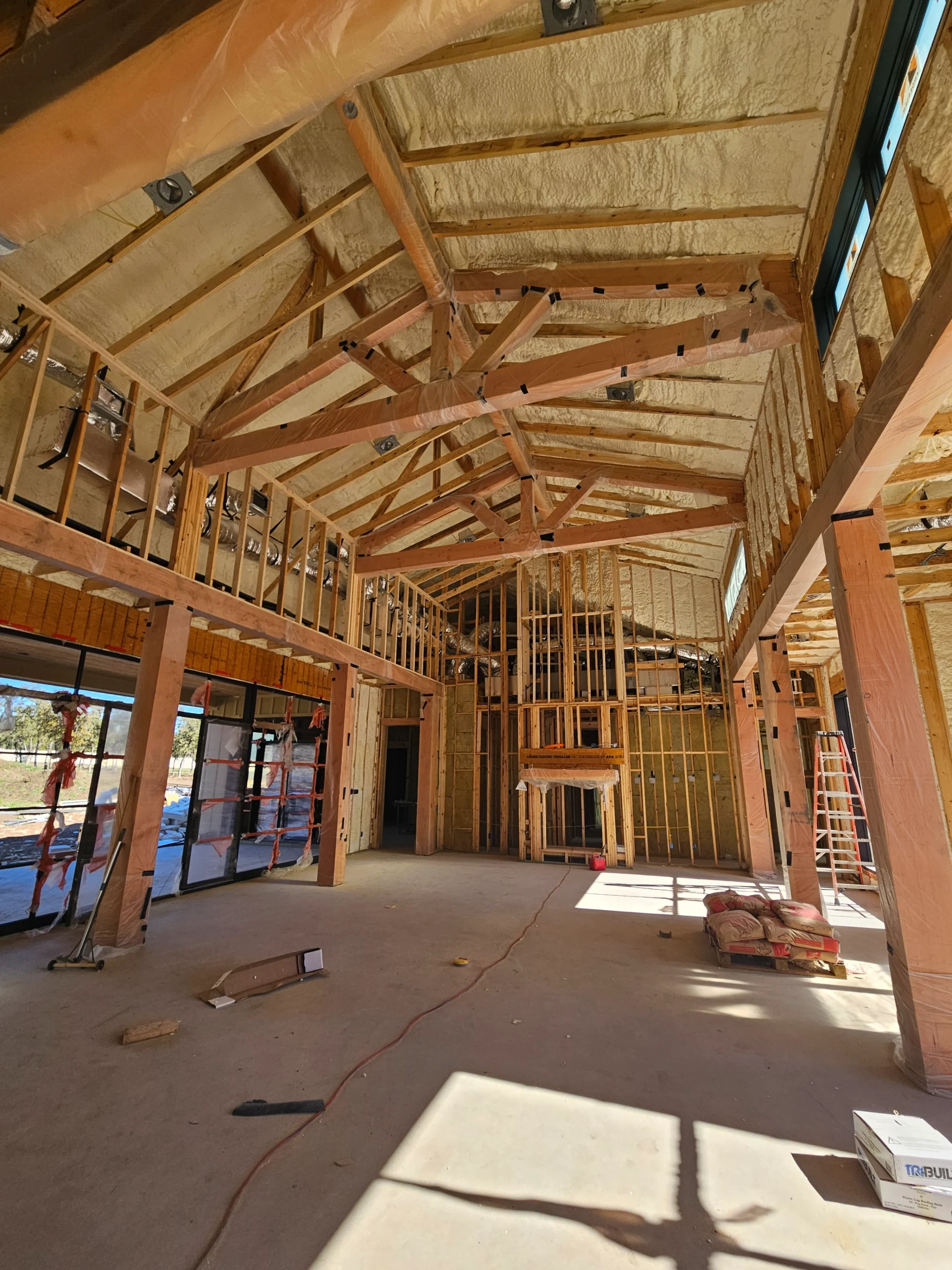
Yes, open-cell spray foam is highly effective at reducing outside traffic noise, but it is essential to understand how it works. Open-cell foam’s primary benefit in acoustic applications is sound absorption, not sound blocking. The material significantly reduces mid-range and high-frequency noise, including the most common traffic sounds such as tire hum, horns, and engine noise. However, to achieve superior sound blocking (reducing the overall volume transmitted through the wall), it often needs to be part of a carefully constructed wall assembly that includes dense materials, as reported by the National Institute of Building Sciences.
Achieving superior results requires understanding the specific mechanisms of sound control. This knowledge enables property owners and managers to accurately determine whether open-cell foam is the right tool for their exterior wall insulation needs, ultimately delivering transformative value through quieter interior environments.
When evaluating any material for noise control, professionals look at two key metrics: Sound Transmission Class (STC) and Noise Reduction Coefficient (NRC). These metrics measure fundamentally different aspects of sound control, and confusing them leads to poor results.
Because traffic noise is airborne sound trying to penetrate a wall, an ideal solution requires both high STC (to block) and high NRC (to dampen). Open-cell foam naturally performs better on the NRC scale, drastically improving the overall acoustic comfort of a space by deadening sounds that manage to enter.
To show the difference, here is how typical performance metrics compare between common insulation types when installed in a standard framed wall cavity. Note that STC relies heavily on the whole wall assembly (drywall, studs, etc.), while NRC reflects the material’s innate sound-dampening quality.
| Insulation Type | Typical Density (lb/ft³) | Approximate R-Value per inch | Typical NRC Range (Absorption) | Typical STC Rating (Blocking) |
|---|---|---|---|---|
| Open-Cell Spray Foam | 0.4 to 0.6 | 3.5 to 3.7 | 0.70 to 0.85 | 37 to 40 (In Assembly) |
| Closed-Cell Spray Foam | 1.75 to 2.0 | 6.0 to 7.0 | 0.10 to 0.20 | 40 to 45 (In Assembly) |
| Standard Fiberglass Batts | 0.5 to 1.0 | 3.0 to 4.0 | 0.80 to 0.95 | 35 to 38 (In Assembly) |
Open-cell spray foam consists of millions of tiny, interconnected bubbles. When sound waves travel into this material, they are forced to slow down and pass through a torturous path of air pockets. This process creates friction, which converts the acoustic energy into a negligible amount of heat energy.
This mechanism is particularly effective against the specific noise frequencies often associated with busy roads. The majority of audible, irritating traffic noise falls within the mid-frequency range (250 Hz to 2000 Hz). The porous nature of open-cell foam is ideally suited to dissipate these frequencies. Spray Foam Tech professionals frequently observe dramatic reductions in perceived noise after an installation is complete.
Bonus Tip: Addressing Flanking Paths
Even the best insulation solution will fail if sound can find an easier way around it. Noise often travels through ‘flanking paths,’ such as electrical outlets, plumbing penetrations, or gaps between the wall plate and the foundation. When using open-cell foam for noise reduction, ensure the application seals all of these air leaks completely, maximizing the effectiveness of the wall assembly.
Real-world data consistently support the acoustic properties of open-cell foam. Its high NRC rating means it absorbs sound almost as well as traditional acoustic panels, while also providing crucial thermal insulation and air sealing. For example, open-cell foam typically achieves an NRC rating of 0.70 or higher, meaning it absorbs 70% or more of the sound energy incident on it, according to technical sheets reviewed by the Spray Foam Association. Because traffic noise is dominated by mid-to-high frequencies, the absorption capabilities of open-cell foam often create a more noticeable, comfortable change in the indoor environment than materials that focus only on sound blocking.
For noise reduction, the application method matters as much as the material itself. Open-cell foam should fill the entire depth of the stud cavity to maximize sound-absorption surface area. It also requires a complete air seal to prevent noise from transmitting through drafts.
Specialized building science guidance is necessary, particularly in regions with high temperatures and humidity, such as many areas of Texas. While open-cell foam provides excellent sound and thermal performance, it is vapor-permeable, allowing moisture to pass through. Therefore, building science dictates that in hot, humid climates, open-cell foam applied to exterior walls or the roof deck requires careful attention to the wall assembly design. This often necessitates supplemental mechanical systems or specific exterior wraps to manage moisture and prevent condensation buildup that could compromise the structure. Ignoring this regional climate reality can lead to moisture issues, even with significant sound benefits.
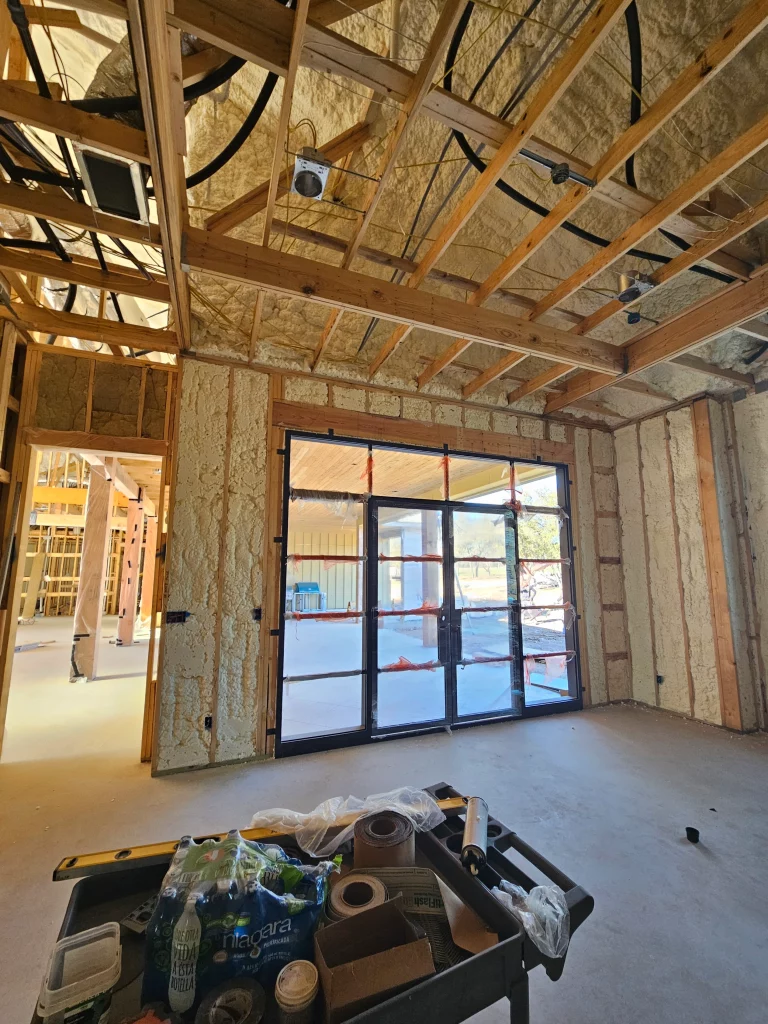
Before choosing open-cell foam solely for noise reduction, property owners should evaluate several factors that affect the outcome:
Bonus Tip: Layering for Maximum Blocking
To achieve the highest possible sound blocking (STC) results in noisy urban environments, consider using a layer of open-cell spray foam to fill the cavity for sound absorption, followed by mounting sound-dampening drywall (like type X) onto resilient channels or clips. This combination of absorption and decoupled mass is highly effective at stopping external noise.
Open-cell spray foam is a powerful dual-purpose insulation that significantly enhances indoor acoustic comfort by absorbing the specific frequencies characteristic of outside traffic. It works best by filling wall cavities and sealing all possible air leaks. Property owners must remember that achieving ultimate quiet requires a system approach: the insulation works in tandem with dense drywall, sealed gaps, and high-performance windows and doors.
This system approach confirms that open-cell foam is an excellent choice when the primary concern is persistent, high-frequency traffic noise, given its high NRC rating. Conversely, achieving absolute sound blocking against low-frequency bass or construction vibrations always requires the use of complementary high-mass materials in conjunction with the foam.
Choosing the right insulation for specific thermal and acoustic goals requires expertise in material properties and installation science. Whether looking to dampen highway noise or improve energy efficiency, detailed guidance ensures the project delivers the expected performance. For property owners seeking technical specifications or application planning assistance, contact Spray Foam Tech directly. Reach out via email at oldworldtx@hotmail.com or call (737) 777-9590 to discuss specific project needs and how the science of spray foam insulation can solve acoustic challenges.
Yes, thickness is highly relevant to sound absorption, especially at lower frequencies. A deeper layer of open-cell foam forces the sound waves to travel a longer path of friction, increasing the amount of energy dissipated. Filling the entire cavity depth (e.g., 5.5 inches in a 2×6 wall) is essential for maximum acoustic benefit.
While open-cell foam is effective at reducing airborne noise, it is not the primary solution for reducing structure-borne vibration (like heavy truck traffic shaking the foundation). Reducing vibration requires mechanical decoupling (like resilient channels) or using heavier, dense materials to prevent the vibration from transferring through the frame.
Open-cell foam is generally superior for the common mid-to-high frequencies found in traffic noise because of its excellent sound absorption (high NRC). While closed-cell foam is slightly better at sound blocking (STC) due to its density, most occupants notice the practical benefit of sound absorption over pure blocking alone in residential settings.
To maximize noise reduction from traffic, the exterior walls facing the source of the sound should be the priority. Insulating attics or interior walls is useful for thermal control and internal sound dampening, but external sound requires treating the envelope directly exposed to the street. A study published by Acoustical Society of America noted that isolating the exterior envelope is the most effective way to mitigate unwanted environmental noise.