Energy-Efficient Homes: Best Spray Foam Insulation in Pflugerville, TX
Direct Answer Choosing the right insulation services in Pflugerville depend on your specific energy goals, budget, and the areas you…


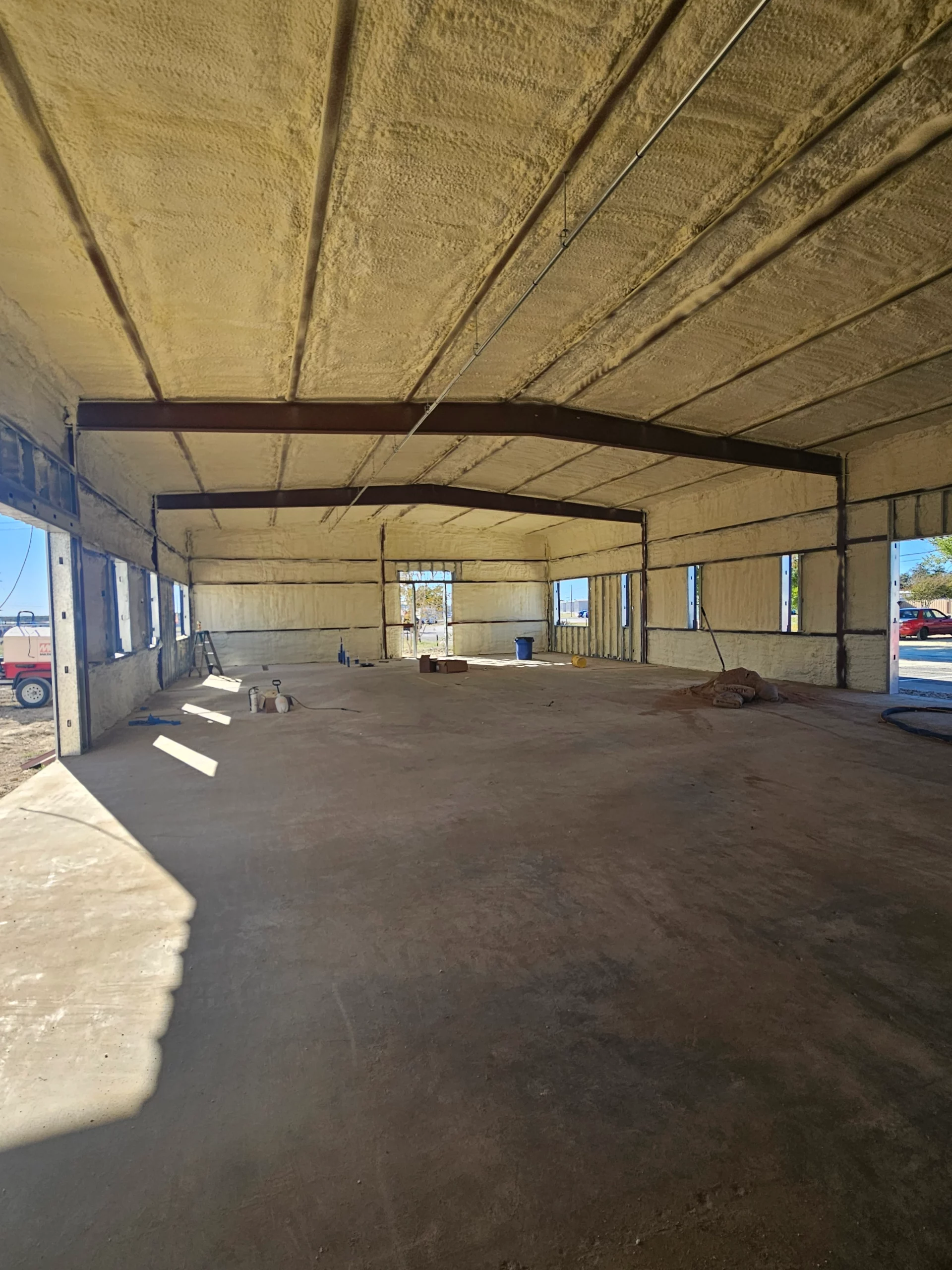
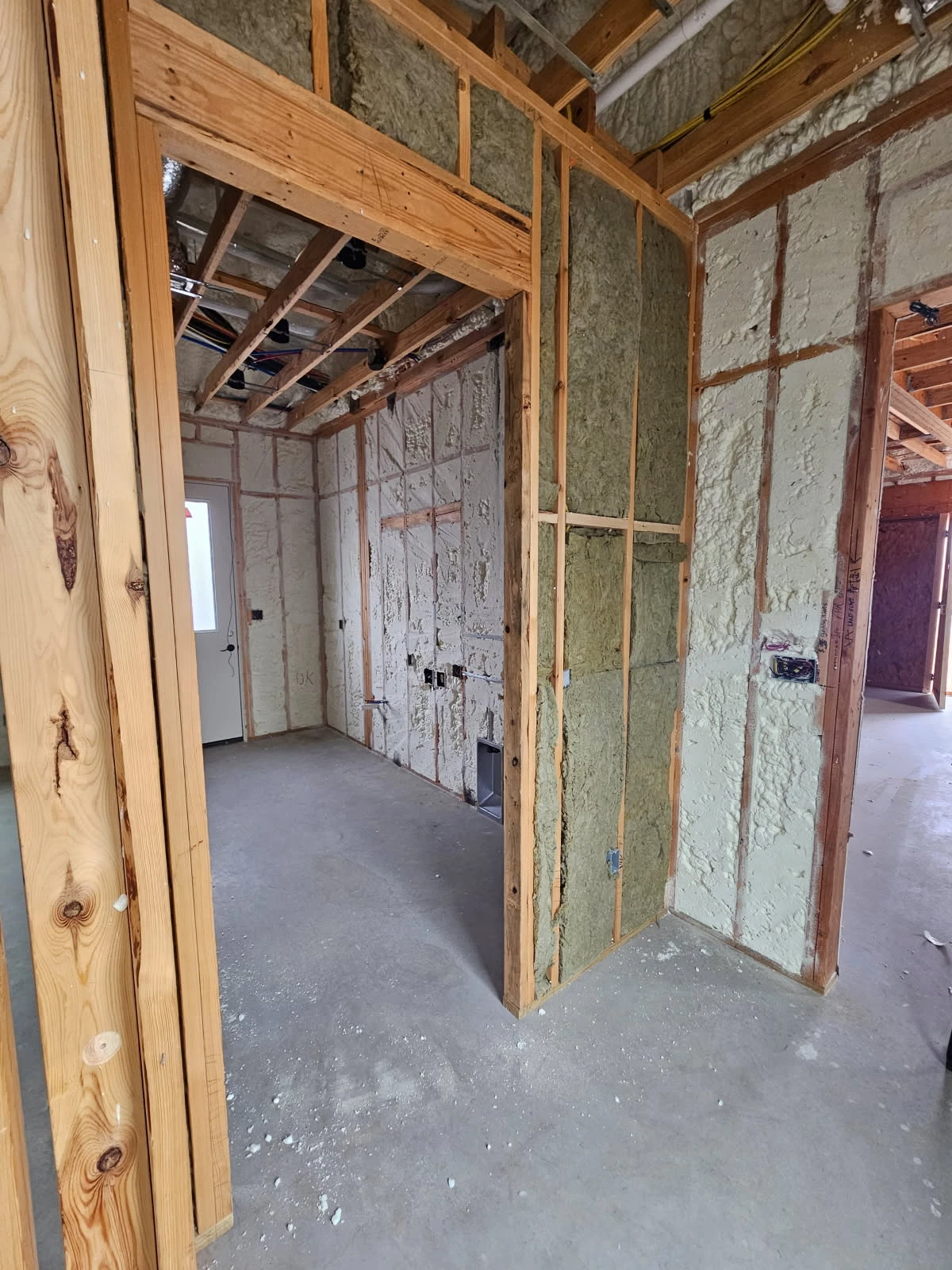
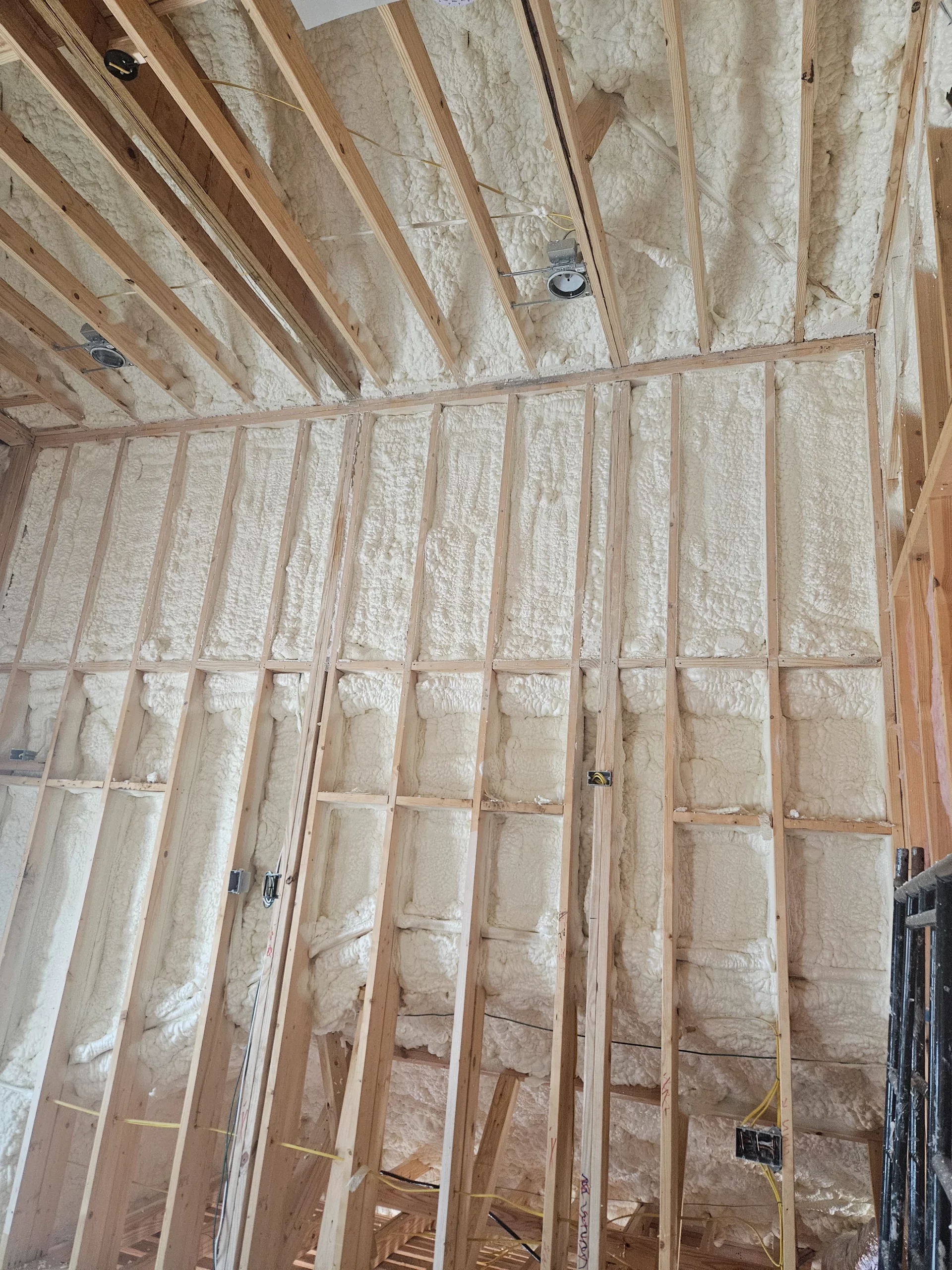
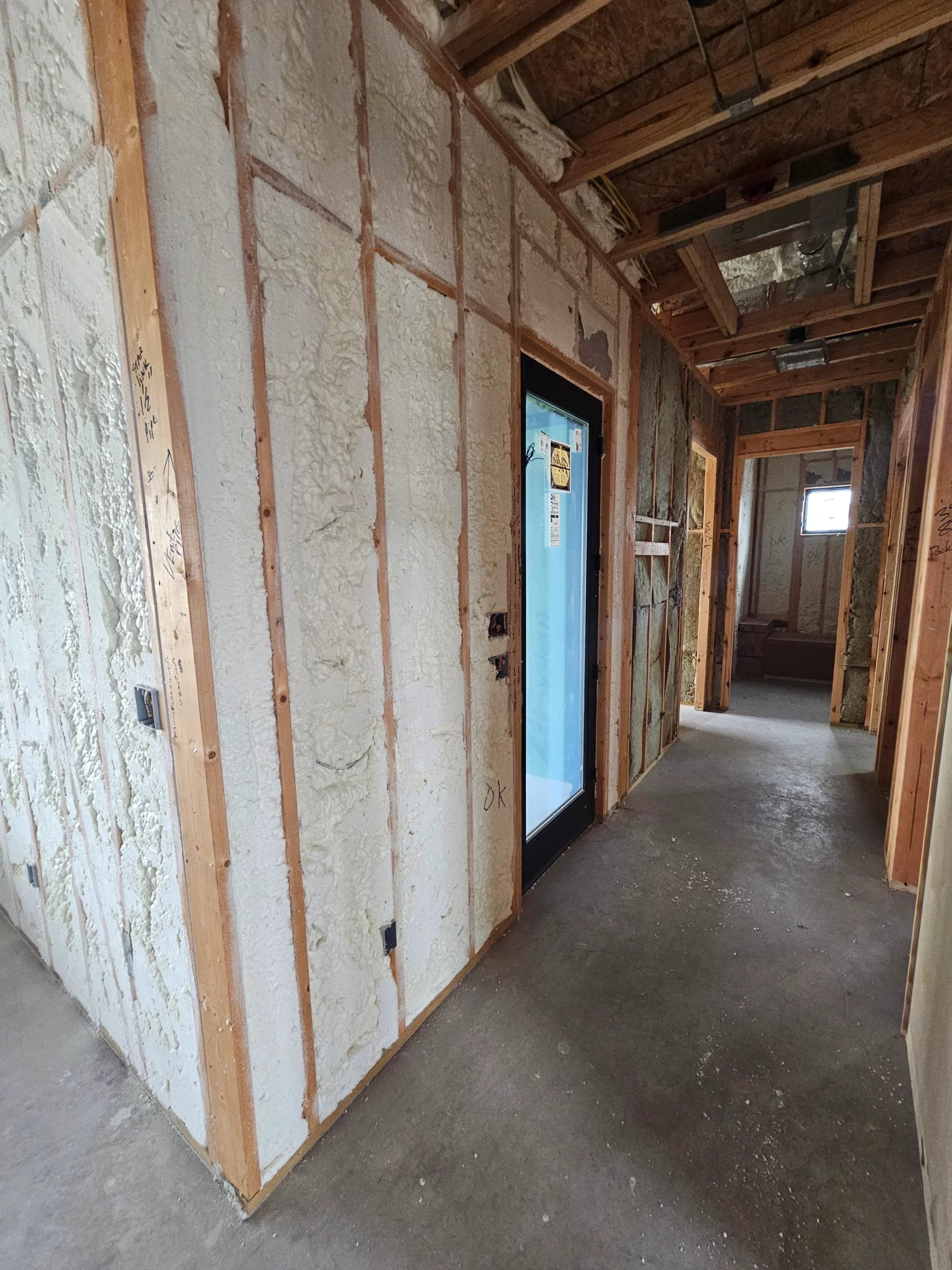
Closed-cell spray polyurethane foam (ccSPF) offers superior protection because it functions as a single, dense material that simultaneously blocks heat transfer, seals air leaks, and repels moisture. Unlike traditional fiberglass or open-cell alternatives, closed-cell insulation cures into a rigid structure where the gas-filled cells remain intact. This unique composition offers the highest R-value per inch on the market and serves as a physical shield that strengthens the building envelope against environmental stress.
Choosing this insulation method goes beyond simple temperature control; it is a defensive strategy for the property. Creating a monolithic seal prevents the airflow that typically carries moisture into wall cavities, stopping mold growth and wood rot before they begin. Decades of field applications demonstrate that structures insulated with high-quality closed-cell foam retain their structural integrity and energy efficiency far longer than those insulated with permeable insulation types.
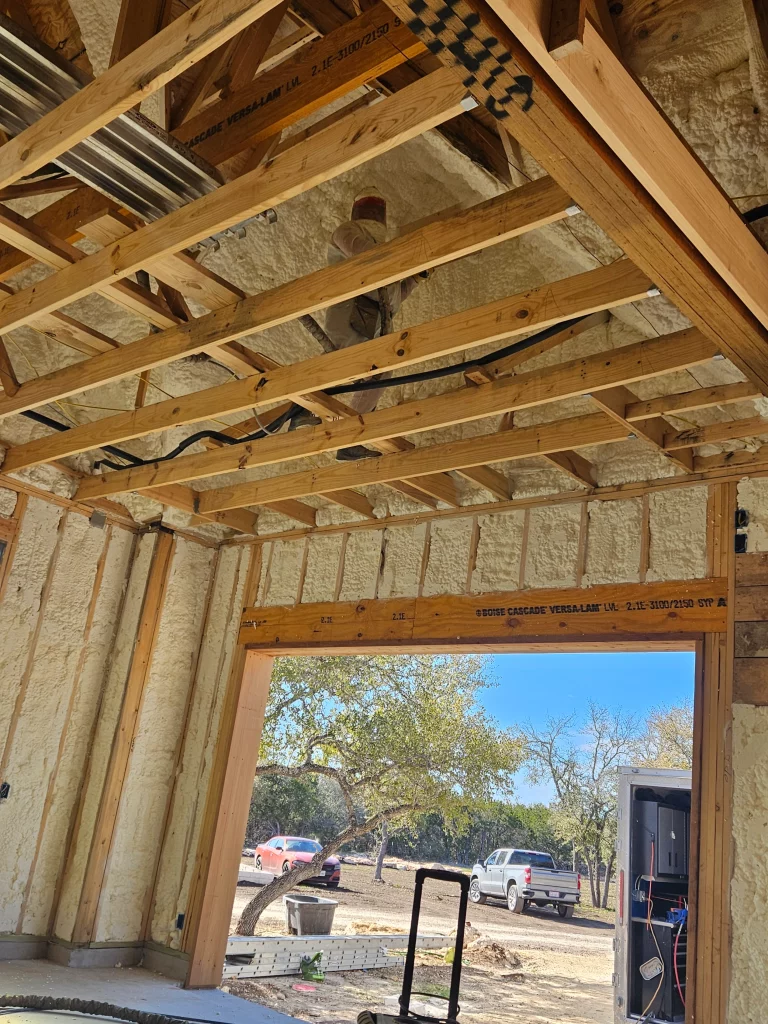
Understanding why closed-cell foam works requires looking at its density and cellular structure. While open-cell foam is soft and breathable (like a sponge), closed-cell foam is rigid and dense (like a hard cooler). When applied, the chemicals react to expand and harden within seconds, filling every crack, gap, and void.
This expansion creates an airtight seal, eliminating drafts. According to the Department of Energy, air leakage can account for up to 40% of the energy loss in a typical home. Closed-cell foam effectively reduces this loss to near zero in treated areas. The gas trapped inside the cells is a poor conductor of heat, which is why this material achieves an impressive R-value of R-6 to R-7 per inch, nearly double that of other common insulation materials.
Bonus Tip: When evaluating insulation quotes, ask about the foam’s specific density. True closed-cell foam typically weighs around 2.0 lbs per cubic foot. Anything significantly lighter may be a hybrid or open-cell product lacking the same moisture-resistant properties.
Water is the primary enemy of any building. Traditional insulation, like fiberglass, absorbs water, reducing its insulating ability and creating a breeding ground for mold. Closed-cell foam is naturally hydrophobic; it repels bulk water.
This characteristic is particularly vital in flood-prone areas or humid climates. The Federal Emergency Management Agency (FEMA) classifies closed-cell spray foam as a Class 5 flood-damage-resistant material. This is the highest rating available, meaning the material can survive direct contact with floodwaters for 72 hours without sustaining damage or requiring replacement.
Beyond moisture control, the rigidity of closed-cell foam adds physical strength to the walls and roof. Because the foam adheres aggressively to the substrate (studs and sheathing), it glues the building components together.
To make an informed decision, it helps to see how closed-cell foam stacks up against other common options regarding key performance metrics.
| Feature | Closed-Cell Spray Foam | Open-Cell Spray Foam | Fiberglass Batting |
|---|---|---|---|
| R-Value (per inch) | R-6.0 to R-7.0 | R-3.5 to R-3.8 | R-2.2 to R-2.7 |
| Air Barrier | Excellent | Good | Poor |
| Vapor Retarder | Class II Vapor Retarder | Permeable (Requires Barrier) | Permeable (Requires Barrier) |
| Water Resistance | Waterproof (Hydrophobic) | Absorbs Water | Absorbs Water |
| Structural Strength | High (Adds rigidity) | Low (Flexible) | None |
| Cost | High | Moderate | Low |
A report from Building Science Corporation indicates that while the upfront cost of closed-cell foam is higher, the reduction in HVAC sizing requirements and long-term durability often offsets the initial investment within 5 to 7 years.
While the benefits are clear, specific factors determine if this premium solution fits the project.
Budget Allocation Closed-cell insulation is more expensive than other materials. It requires professional installation using specialized equipment. Property owners must view this as a long-term capital improvement rather than a quick fix. The return on investment comes through lower utility bills and avoided repair costs over decades.
Climate Specifics This material excels in extreme climates, both very hot and icy, and in regions with high humidity. In mild, dry climates where moisture is not a significant threat, the cost-benefit analysis might favor a hybrid approach.
Application Thickness More is not always better. Because closed-cell foam is so efficient, applying it too thickly can be a waste of money. Most building codes only require 2 to 3 inches of wall thickness to meet or exceed energy standards.
Bonus Tip: Never spray closed-cell foam over wet wood. The foam seals so tightly that it will trap existing moisture inside the wood, leading to rot from the inside out. Verify moisture content with a meter before application starts.
Closed-cell insulation protects properties by providing an unyielding barrier against heat, air, and water. It transforms a standard structure into a high-performance building envelope that resists mold, withstands floods, and lowers energy demands. While the initial cost is higher than traditional methods, the protection it offers against structural decay and energy loss makes it a prudent financial decision.
Property owners should assess their long-term goals. If the objective is to build or retrofit a structure to last for generations with minimal maintenance, closed-cell foam is the superior choice.
For a professional assessment of your property’s insulation needs, contact Spray Foam Tech. We provide honest evaluations to help you decide if closed-cell spray foam is the right fit for your project.
Phone: (737) 777-9590 Email: oldworldtx@hotmail.com
Quality closed-cell foam is dimensionally stable. If the installer mixes the chemicals at the correct ratio and temperature, the foam will not shrink or pull away from the framing. Pulling away is usually a sign of poor installation technique, not a material failure.
No. DIY kits are available for small patch jobs, but insulating a whole room or building requires high-pressure, heated equipment to mix the chemicals properly. Improper mixing can result in foam that never cures, smells permanently, or poses a fire hazard.
This is a valid concern. Because the foam is water-resistant, a leak in the roof deck might not drip through immediately. However, the foam bonds so tightly that it prevents water from migrating laterally. The water stays at the point of entry, limiting the damage to a small area rather than soaking a large section of insulation.
Homes with documented high-performance insulation packages often command higher prices. Savvy buyers look for “green” or energy-efficient certifications. Providing documentation of a professional closed-cell installation demonstrates that the home has lower operating costs and a superior structural envelope.