Energy-Efficient Homes: Best Spray Foam Insulation in Pflugerville, TX
Direct Answer Choosing the right insulation services in Pflugerville depend on your specific energy goals, budget, and the areas you…


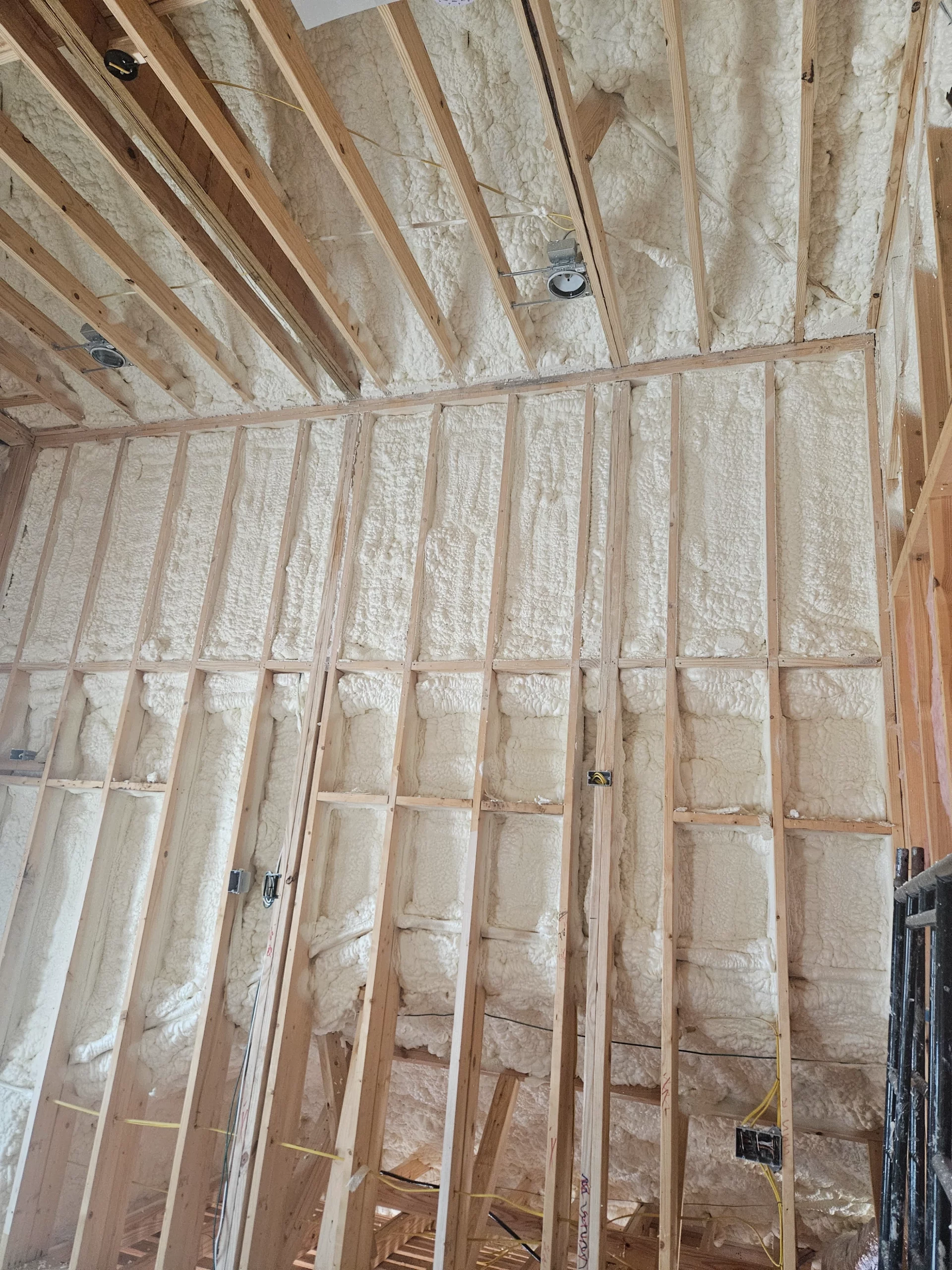
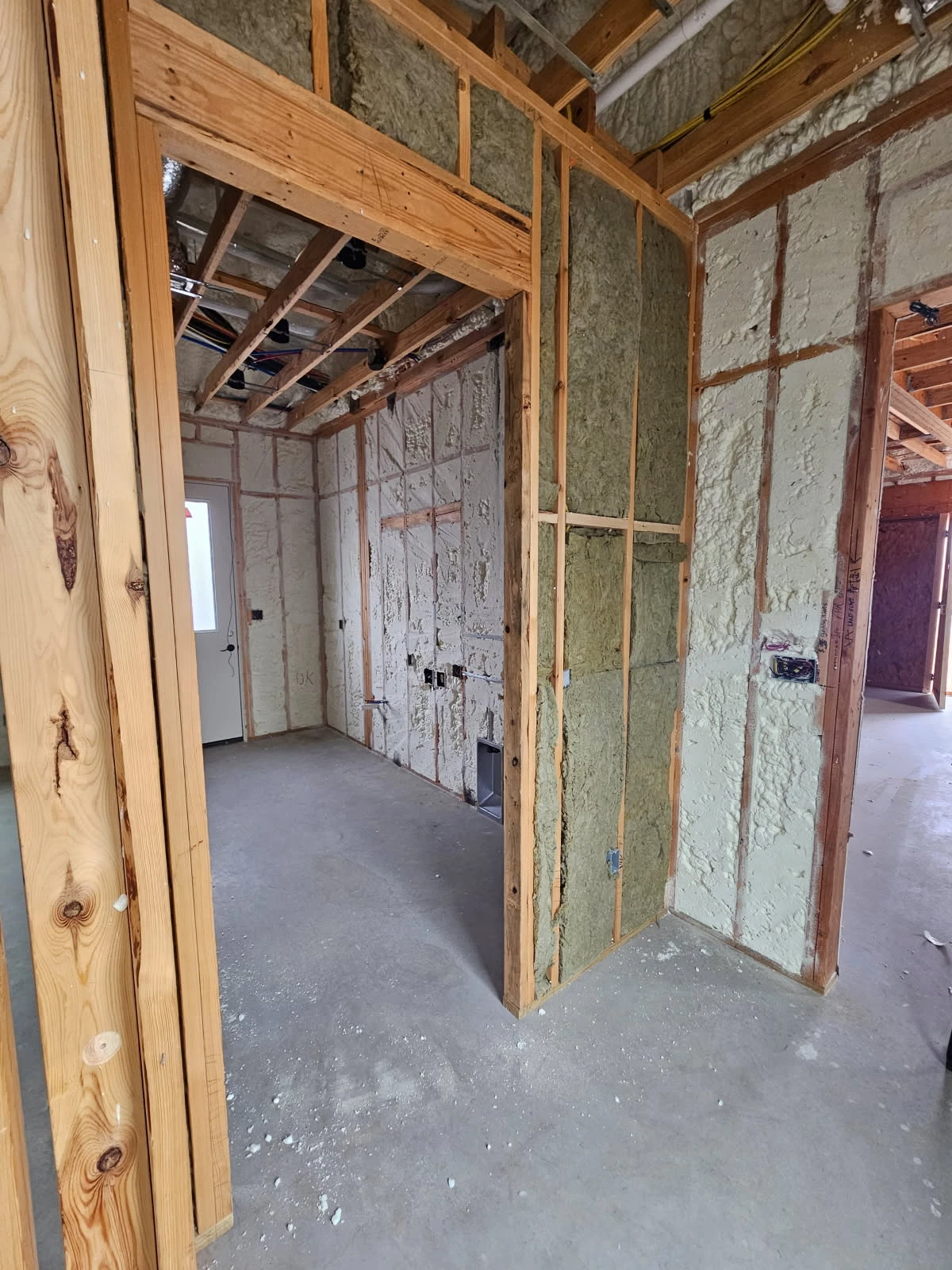
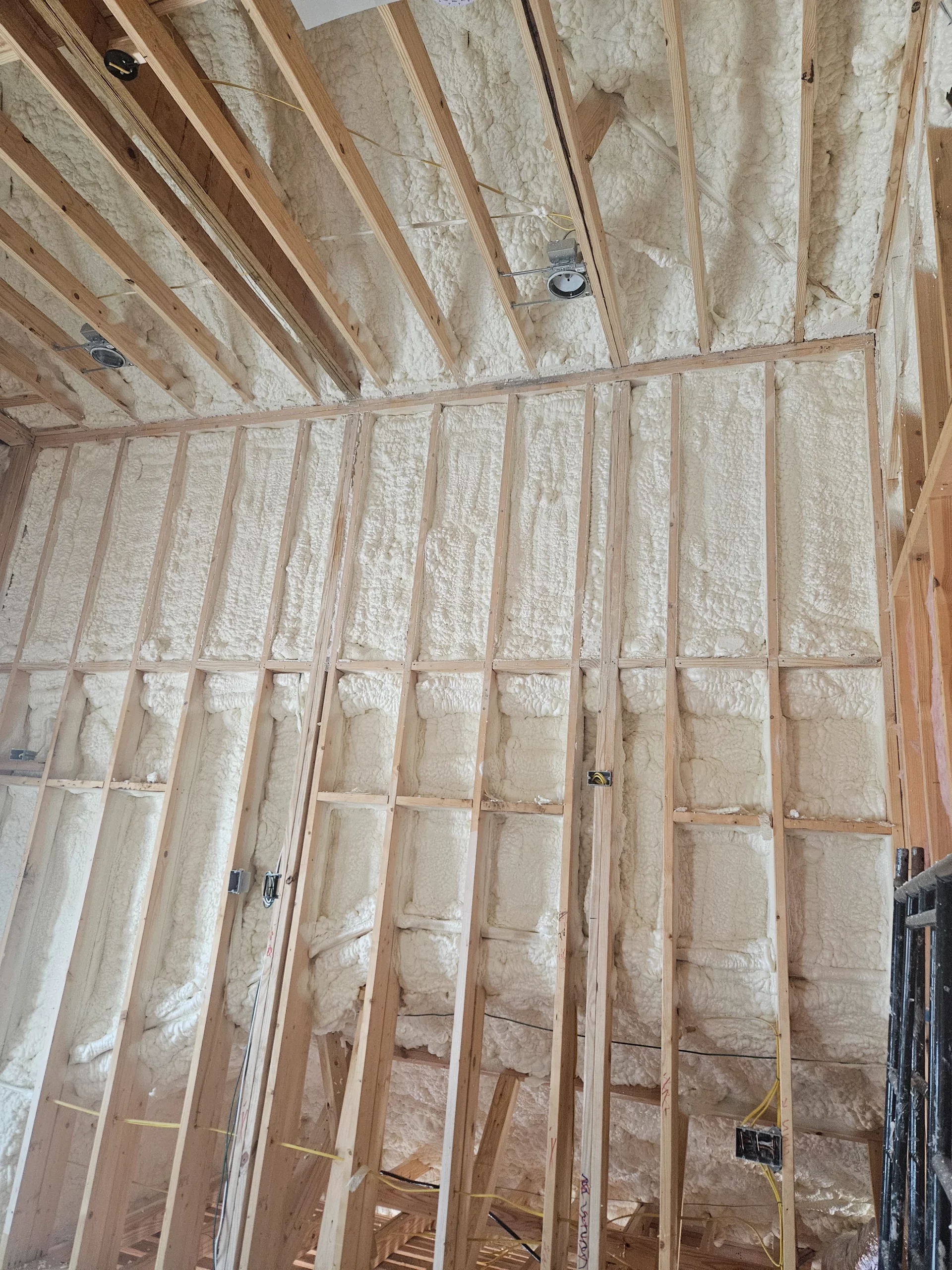
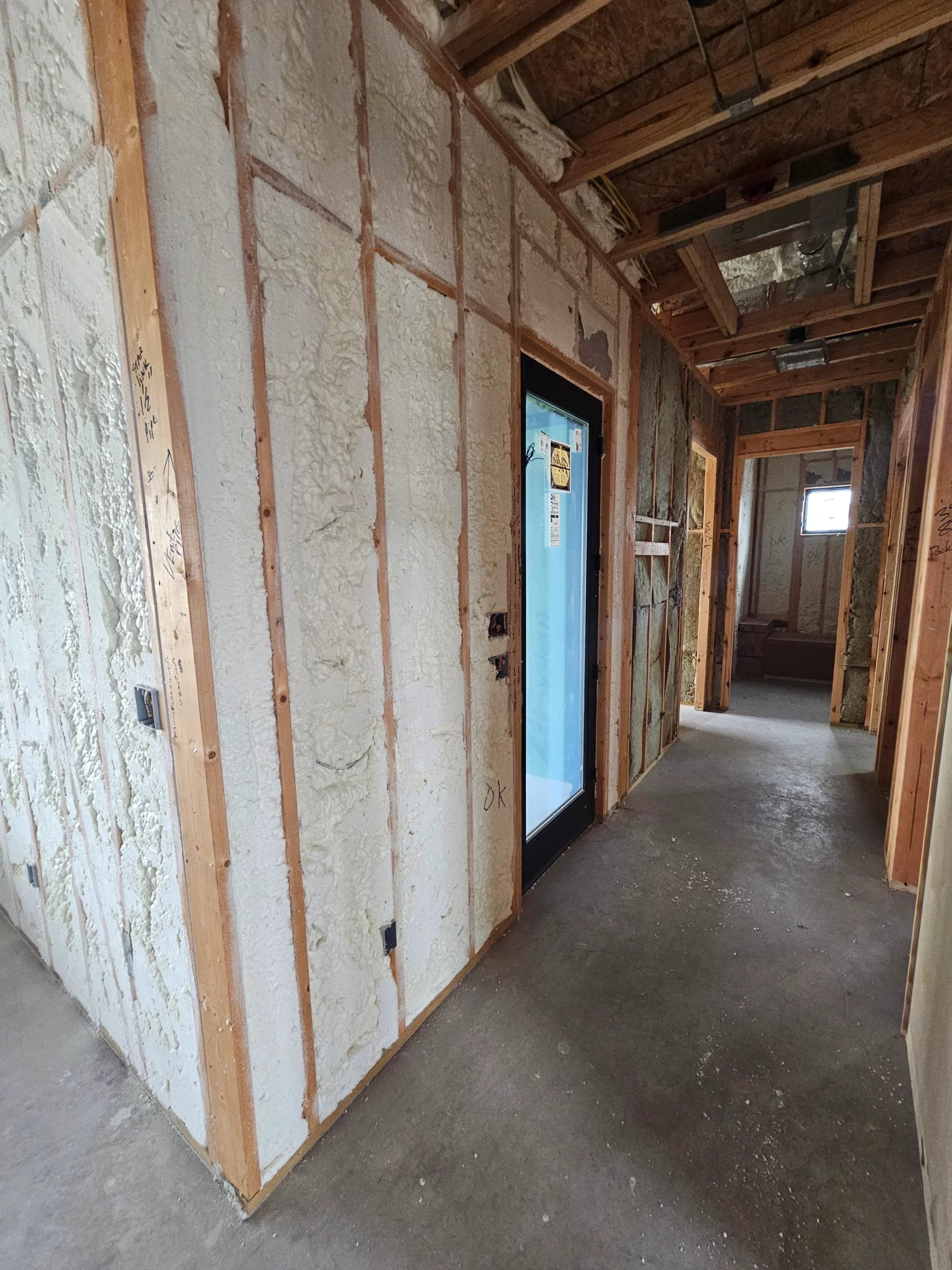
Open-cell spray foam is the most effective insulation material for sound damping in Round Rock homes because of its low density and sponge-like cellular structure. Unlike traditional fiberglass or dense closed-cell foam, open-cell foam expands to fill every crack and crevice, creating an air seal that physically traps sound waves and reduces airborne noise transmission by up to 80 percent. For homeowners near the I-35 corridor or on busy suburban streets, this material addresses the dual needs of acoustic privacy and thermal efficiency in a single application.
Achieving a quiet home requires more than just thick walls. It requires a material that disrupts sound energy rather than conducting it. While many insulation products leave gaps that allow noise to leak through, the expansive nature of open-cell foam seals these bypass points altogether. This article explains the mechanics behind acoustic insulation, compares material performance, and details why this specific foam technology solves the unique noise challenges found in Central Texas. Spray Foam Tech has spent years analyzing local building standards to identify precisely why this method outperforms the competition.
Understanding why open-cell foam works requires looking at how sound travels. Sound moves as energy waves through the air and through solid materials. When these waves hit a wall, they either pass through, bounce off, or get absorbed. Hard, dense materials like concrete or closed-cell foam tend to reflect sound or conduct vibrations to the other side.
Open-cell foam consists of millions of tiny, interconnected air bubbles. When sound waves enter this material, the energy gets trapped within these pockets. Friction reduces the sound wave’s intensity, dissipating it as a tiny amount of heat. This process significantly increases the Sound Transmission Class (STC) of a wall assembly. A standard wall with fiberglass insulation might have an STC of 35-39, allowing loud speech to be heard. Upgrading to open-cell foam can push that rating closer to 50, rendering loud speech virtually inaudible.
Homeowners typically deal with two types of noise. Airborne noise includes traffic sounds, voices, and music. Structure-borne noise includes impact sounds, such as footsteps or doors slamming. Open-cell foam excels at stopping airborne noise because it acts as an absorptive barrier. While it does not fully decouple the wall studs to stop vibration (structure-borne noise), the airtight seal prevents sound leaks that compromise other insulation types.
Bonus Tip: For the highest level of soundproofing, combine open-cell foam in the wall cavities with a layer of mass-loaded vinyl or quiet rock drywall. The foam handles the airborne leaks, while the added mass stops the vibrations.
Not all insulation contributes to a quieter home. The following table compares common materials used in the Round Rock area based on their acoustic properties and density.
| Material Feature | Open-Cell Spray Foam | Closed-Cell Spray Foam | Fiberglass Batts | Cellulose (Blown-In) |
|---|---|---|---|---|
| Primary Structure | Sponge-like, porous | Rigid, dense plastic | Spun glass fibers | Recycled paper/fiber |
| Noise Reduction Coefficient (NRC) | High (approx. 0.70) | Low (approx. 0.20) | Medium (approx. 0.50) | Medium-High (approx. 0.60) |
| Air Sealing Ability | Excellent (Expands 100x) | Excellent (Expands 30x) | Poor (Gaps remain) | Moderate (Settles over time) |
| Sound Dampening Type | Absorbs & Dissipates | Reflects & Blocks | Absorbs (if fitted perfectly) | Absorbs (if packed densely) |
| Best Use Case | Interior walls, Soundproofing | Exterior moisture barriers | Budget applications | Attics, Retrofits |
Data indicates that while closed-cell foam has a higher R-value per inch for heat resistance, its rigidity can actually transmit vibrations more easily than the softer open-cell variety. A technical paper from Building Science Corporation explains that air barriers are critical for sound control, as sound travels through air leaks just as easily as heat does.
Round Rock presents a unique acoustic environment. The geological foundation here is predominantly limestone. Hard ground reflects sound waves rather than absorbing them, meaning outdoor noises like highway traffic or lawn equipment tend to echo and amplify before hitting your house.
As the population density increases, homes are built closer together. The “canyon effect” between closely spaced houses can funnel noise directly into bedroom windows. Standard builder-grade insulation often fails to address the frequency range of highway hum or heavy trucks. Open-cell foam in Round Rock, TX adds significant mass and air sealing to the building envelope, acting as a muffler for the home.
In Texas, the HVAC system runs for most of the year. A poorly insulated home forces the AC unit to work harder and run louder. Sealing the envelope with open-cell foam reduces the HVAC load. This results in the unit running less often and at lower stages, creating a quieter internal environment independent of outside noise.
Investing in acoustic comfort has tangible financial benefits. A survey by Realtor.com indicates that noise pollution can significantly decrease property desirability and value. Homes marketed with “soundproofing” or “high-performance insulation” often command a premium because buyers value privacy and quiet, especially in the work-from-home era.
Furthermore, a study on productivity suggests that reducing intermittent noise improves concentration. According to the General Services Administration, acoustic privacy is a top feature for occupant satisfaction in both residential and commercial buildings.
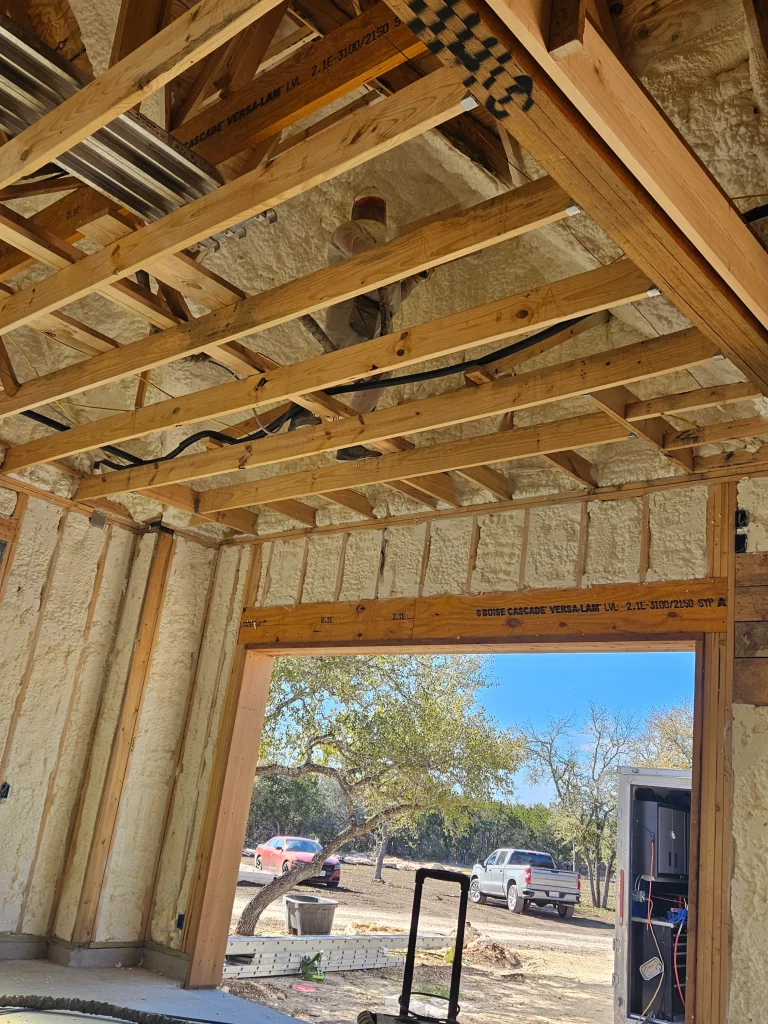
Before scheduling an installation, evaluate the property’s specific needs.
1. Wall Cavity Depth Open-cell foam requires space to expand. Standard 2×4 walls provide enough depth for significant sound dampening (about 3.5 inches of foam). If the home has 2×6 walls, the thicker foam layer will offer even better low-frequency sound absorption.
2. New Construction vs. Retrofit This material is easiest to install during the construction phase or a major remodel when wall cavities are exposed. Injecting foam into existing finished walls is possible but requires drilling holes in drywall and is generally less consistent than spraying into an open cavity.
3. The “Dead” Room Effect Over-insulating interior walls can sometimes make a room feel unnaturally quiet or “dead.” Most homeowners prefer this for media rooms or bedrooms, but it is something to consider if you enjoy a lively acoustic environment in living areas.
4. Budget Allocation Open-cell foam costs less than closed-cell foam but more than fiberglass. However, since it performs two jobs, thermal insulation and soundproofing, the cost often balances out by eliminating the need for additional soundproofing materials.
Bonus Tip: Don’t forget the interior walls. While most people focus on the exterior shell, applying open-cell foam in the walls surrounding laundry rooms, bathrooms, and master suites creates distinct “quiet zones” within the house.
Achieving a peaceful home environment in a growing city like Round Rock requires a strategic approach to insulation. Open-cell foam offers a superior balance of acoustic dampening and thermal regulation that other materials cannot match. It addresses the physics of sound by absorbing energy and sealing the air leaks that carry noise.
Homeowners should evaluate their current noise levels and identify the primary sources of disturbance, whether it is highway traffic or internal noise transfer. By choosing a material that expands to fill every void, you protect the property not just from the Texas heat but from the intrusion of the outside world.
If outside noise is disrupting your peace or you are planning a new build in the Round Rock area, the right insulation strategy is essential. Spray Foam Tech specializes in advanced insulation solutions in Round Rock that maximize both energy efficiency and acoustic control. Our team can assess your specific property layout and recommend the optimal open-cell configuration for your needs.
Take the first step toward a quieter, more efficient home. Contact us at (737) 777-9590 or send an email to oldworldtx@hotmail.com to discuss your project. We are ready to help you create a comfortable living space that stands the test of time.
Yes. Applying it to the underside of the roof deck in the attic is highly effective. It reduces the noise from heavy rain, hail, and overhead aircraft, which is common in Round Rock.
For an average-sized home, the spraying process usually takes one to two days. The crew needs to mask off windows and floors to protect them from overspray.
Unlike blown-in cellulose or fiberglass batts, which can sag and create gaps over the years, spray foam adheres to the wood studs and maintains its shape and performance indefinitely.
Open-cell foam is vapor-permeable, meaning it allows moisture to dry out if it gets in, but it is not a water barrier. In the event of a roof leak, water will pass through rather than getting trapped against the wood, which can help detect leaks earlier than with closed-cell foam.
Modern spray foams are water-blown and low-VOC. Once cured (which happens very quickly), they are inert. A report from the American Chemistry Council confirms that properly installed SPF is safe for occupants and can actually improve air quality by sealing out allergens and pollutants.