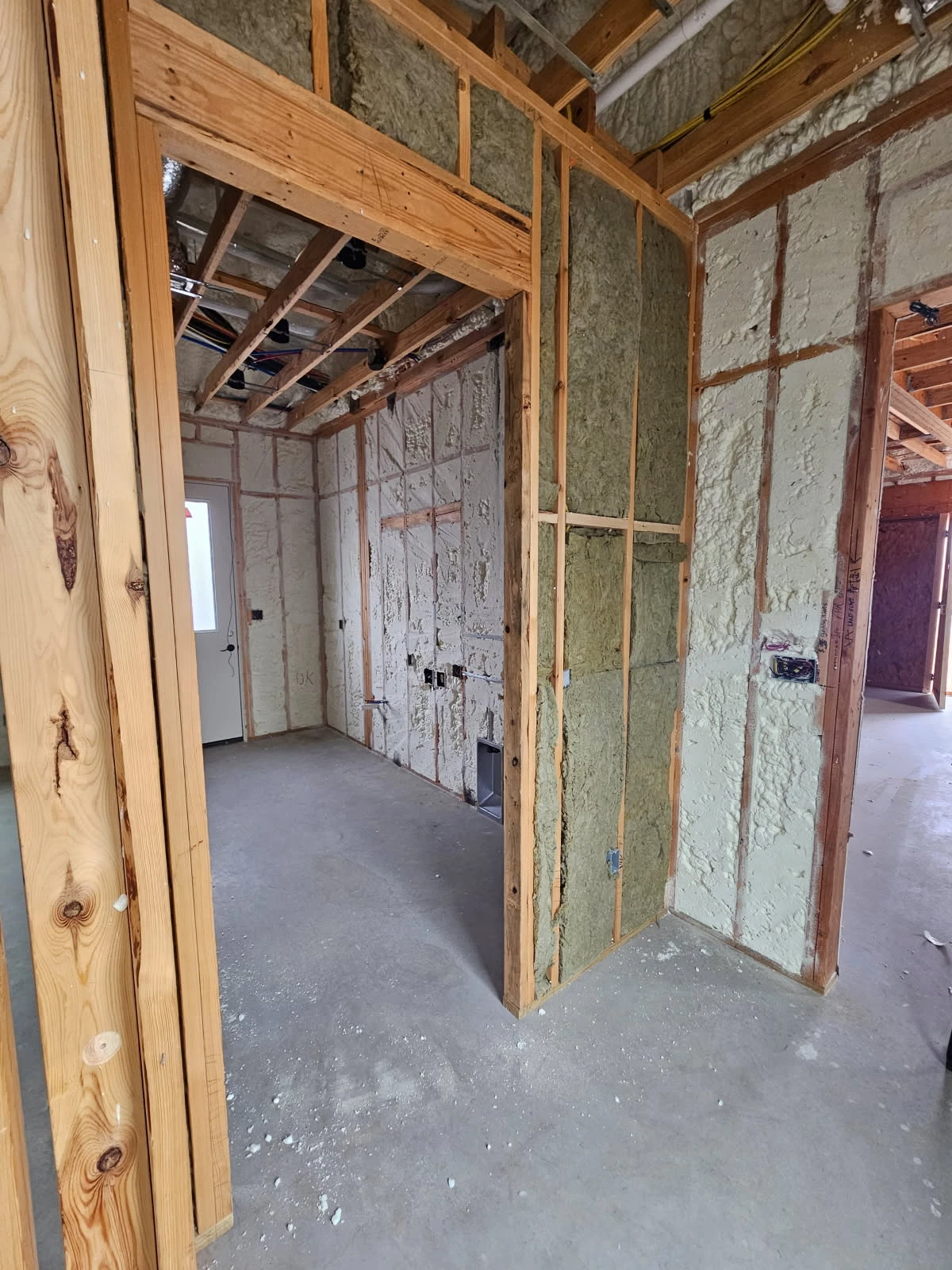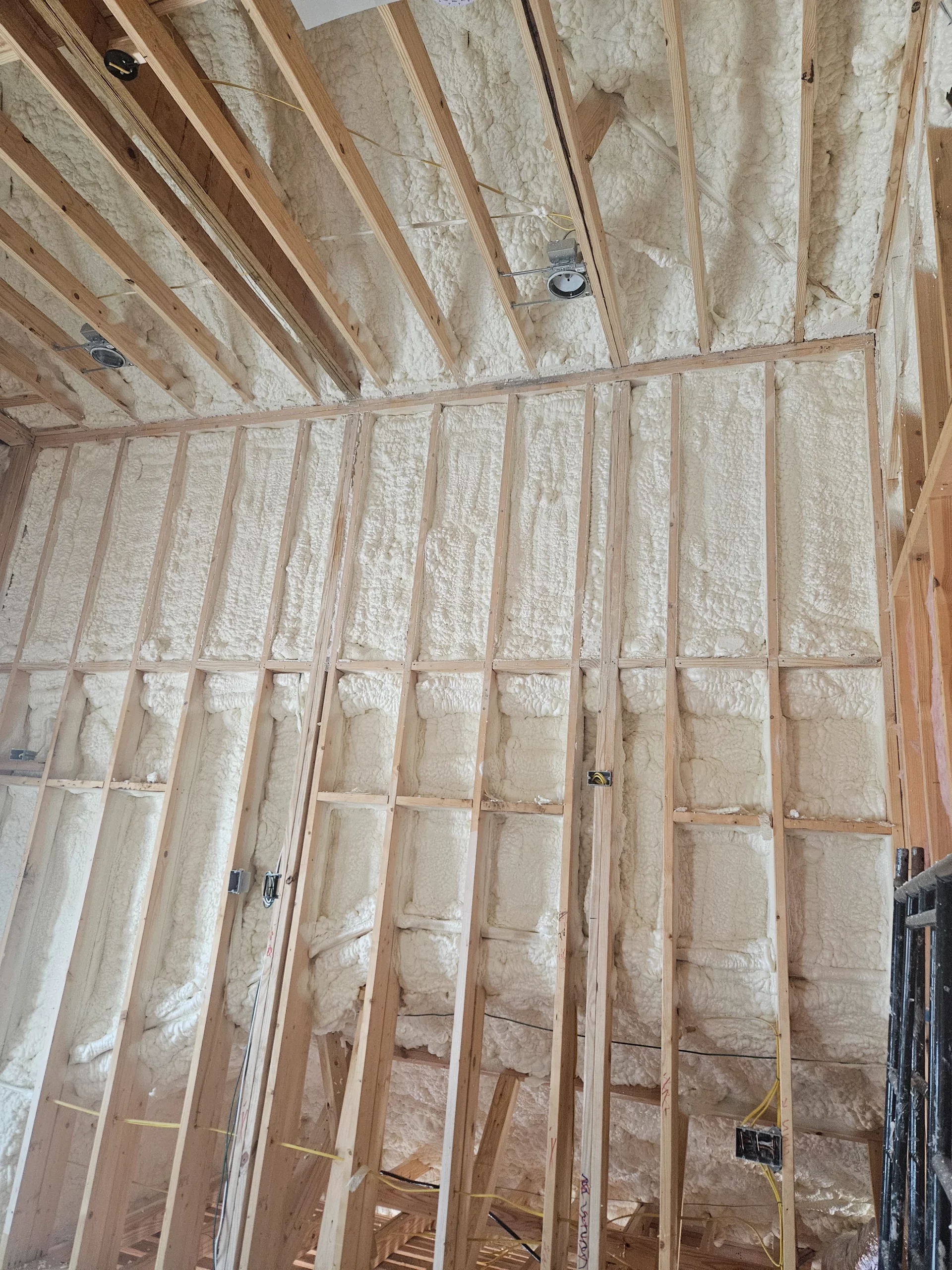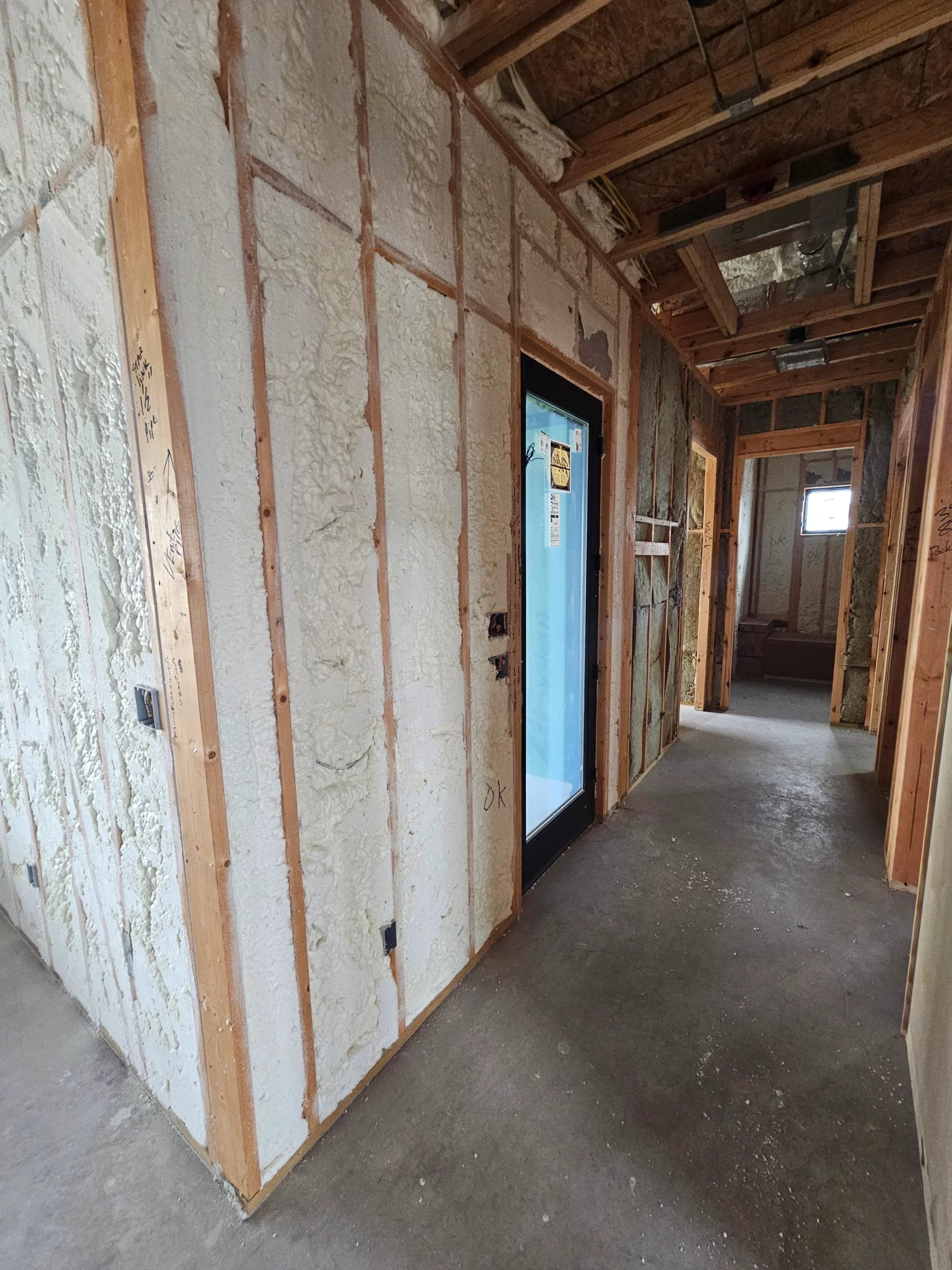
Energy-Efficient Homes: Best Spray Foam Insulation in Pflugerville, TX
Direct Answer Choosing the right insulation services in Pflugerville depend on your specific energy goals, budget, and the areas you…


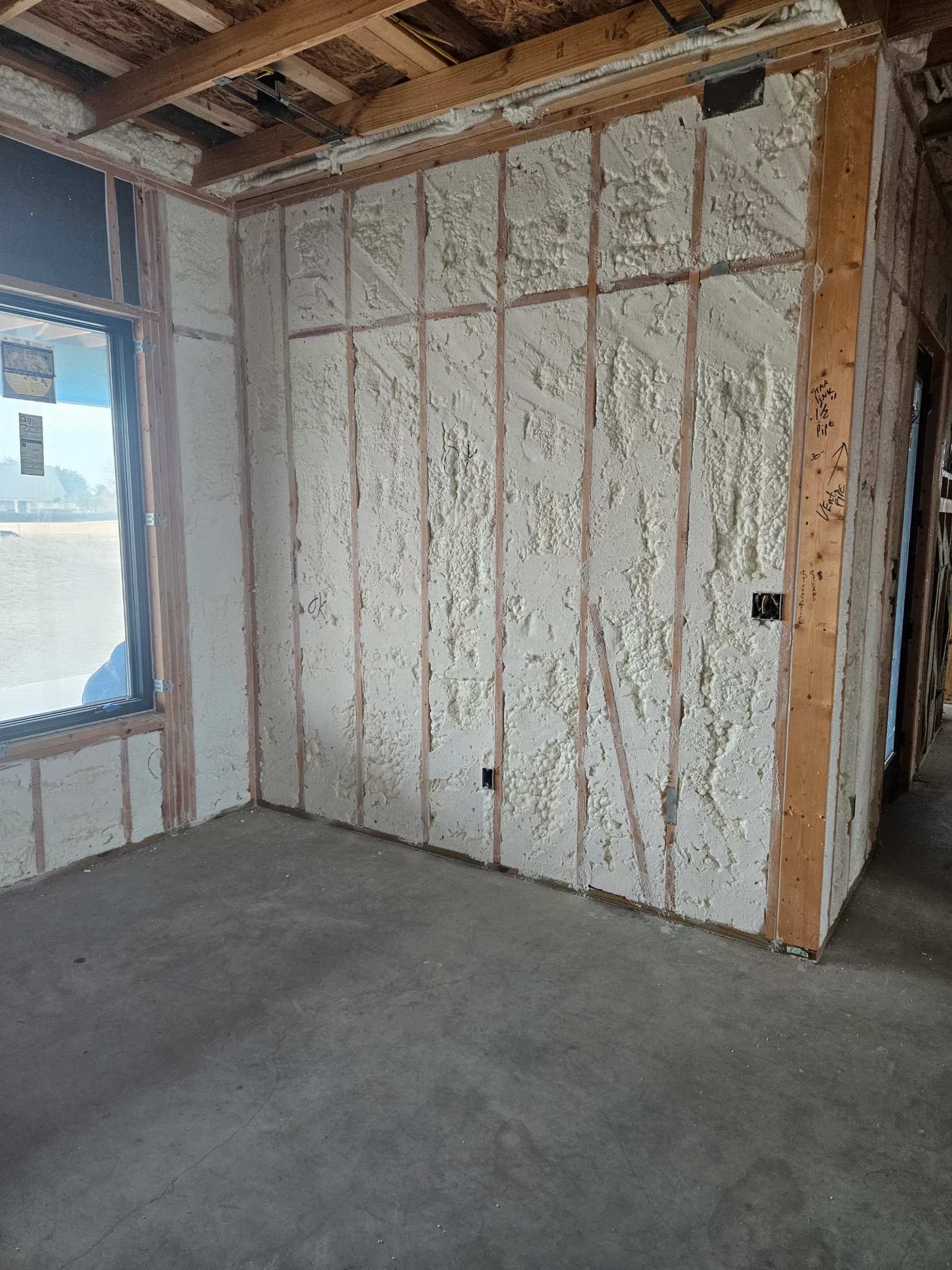
A professional closed-cell spray foam installation is a rigorous construction process where raw chemical components are mixed on-site to create a rigid, high-performance insulation barrier. The entire operation typically spans one to three days, depending on the project scope, and involves extensive site preparation, high-pressure application, and a mandatory curing period. Occupants must vacate the building during the spraying and for typically 24 hours afterward to allow for safe chemical off-gassing and ventilation.
This guide outlines the standard operating procedures, safety protocols, and physical realities of a spray foam project. It draws on field experience and industry standards to provide a clear picture of what happens from the moment the rig pulls up to the final inspection. Understanding these steps helps property owners prepare effectively and ensures the project proceeds without unnecessary delays.
The work begins long before any foam is sprayed. A crew arrives with a specialized rig containing the chemical drums, proportioning units, and compressors. The first priority is protecting the property and setting up safety containment. Spray foam is incredibly adhesive and difficult to remove once cured, so masking and covering surfaces is a non-negotiable step.
Technicians cover floors, windows, and immovable heavy furniture with heavy-duty plastic sheeting and masking tape. If the application area is an attic or crawlspace, the crew establishes a pathway to drag heavy hoses without damaging drywall or flooring.
Proper ventilation ensures the crew’s safety and the long-term air quality of the structure. The installation team sets up large industrial fans and ventilation ducts to create negative air pressure. This system pulls fumes and overspray from the workspace and exhausts them outside, preventing them from drifting into other parts of the building.
Bonus Tip: Remove all wall hangings, even in rooms adjacent to the work area. The vibration from the compressor and the spraying process can sometimes knock pictures off the walls in neighboring rooms.
Closed-cell spray foam is a two-component system. Two 55-gallon drums, one containing isocyanate (Side A) and the other containing a resin blend (Side B), sit in the trailer. Heated hoses transfer these liquids to a spray gun, where they mix at high pressure.
When the two chemicals meet at the gun tip, an immediate exothermic reaction occurs. The mixture hits the substrate (wall, roof deck, or rim joist) as a liquid and expands rapidly. For closed-cell foam, this expansion is less dramatic than open-cell foam but results in a much denser, harder product.
Unlike open-cell foam, which can be sprayed in thick passes, closed-cell foam requires a specific technique called “layering” or applying in “lifts.” The chemical reaction generates significant heat. If a technician applies the foam too thickly in a single pass, the heat can damage the material or even pose a fire risk.
Installers typically apply the foam in lifts of 1.5 to 2 inches at a time. They allow the first layer to cool briefly before applying a second layer to achieve the required R-value. This methodical approach ensures the foam cures properly and adheres correctly to the framing.
The demand for this precise application method is rising. A market analysis by Grand View Research indicates that the spray polyurethane foam market is expanding steadily, driven by stricter building codes and the demand for energy-efficient infrastructure. This growth has led to more standardized training and equipment protocols across the industry.
While the equipment looks similar, the installation experience differs between closed-cell and open-cell foam. Understanding these differences helps manage expectations regarding the timeline and the final appearance.
| Feature | Closed-Cell Foam Installation | Open-Cell Foam Installation |
|---|---|---|
| Expansion Rate | Expands 30-40 times its liquid volume. | Expands 100 times its liquid volume. |
| Application Method | Sprayed in multiple thin passes (lifts) to manage heat. | Sprayed in one thick pass to fill the cavity. |
| Trimming | Minimal trimming required; sets hard and rigid. | Requires shaving (trimming) flush with studs; soft and sponge-like. |
| Curing Time | Tack-free in seconds; fully cured in 24 hours. | Tack-free in seconds; fully cured in 24 hours. |
| Structural Impact | Adds structural rigidity (racking strength) to walls. | No structural addition. |
| Vapor Barrier | Acts as a vapor retarder at 2 inches thickness. | Breathable; requires a separate vapor retarder. |
Safety guidelines regarding re-entry are strict. During the application and the immediate curing phase, the chemicals release volatile organic compounds (VOCs). The EPA provides specific guidance on ventilation and re-entry times to ensure occupant safety.
Occupants cannot be in the building while the crew is working unless they wear full protective gear, including supplied-air respirators. Once the spraying stops, the “re-entry time” clock begins. For most closed-cell products, the industry standard for safe re-entry without protective gear is 24 hours after the application finishes.
High-ventilation rates during this period are essential. The contractor will often leave fans running or advise the homeowner on maintaining airflow to flush out remaining odors and VOCs.
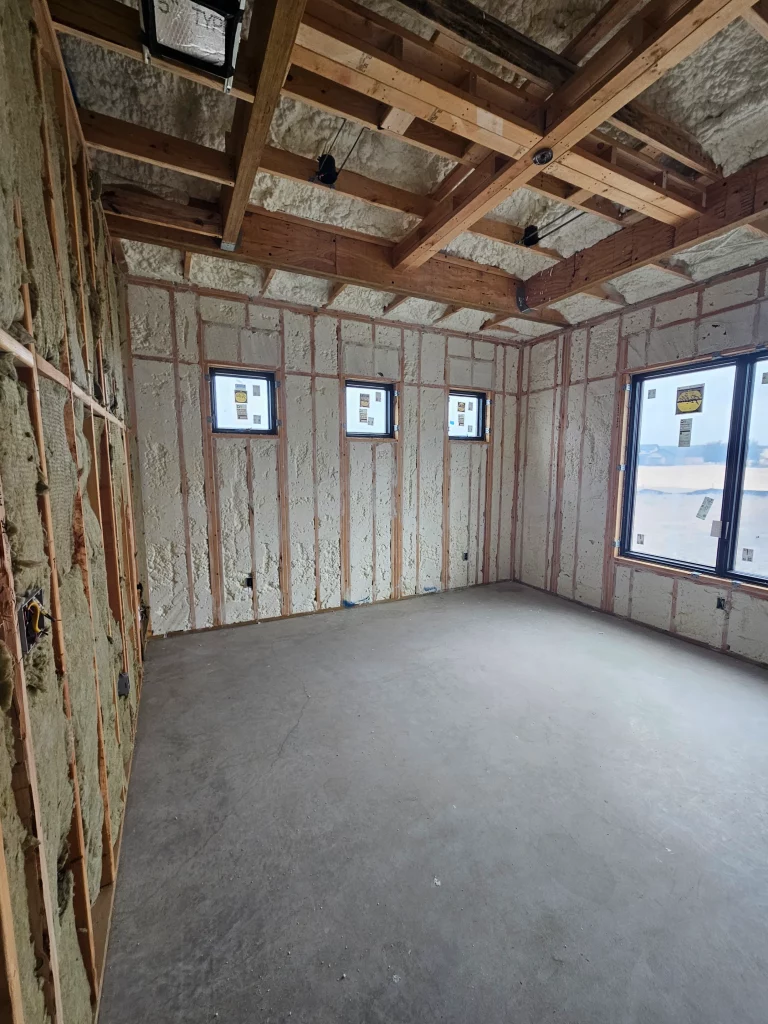
Because closed-cell foam creates a rigid, dense surface, trimming is difficult and labor-intensive. Experienced sprayers aim to apply the foam evenly enough that it sits just below the stud face, avoiding the need for extensive trimming. If the foam bulges out past the studs, it must be cut back to allow for drywall installation.
The crew removes the masking plastic and floor coverings. Any overspray on unintended surfaces is removed mechanically. The chemical drums and hoses are packed back into the rig.
A quality control inspection checks for:
Bonus Tip: Ask the lead installer to show you the depth gauge checks. This verifies that you received the agreed amount of material.
Evaluating the building’s readiness prevents costly mistakes.
Investing in this process has long-term financial implications. According to data from Energy.gov, properly installed insulation is one of the most effective ways to lower heating and cooling costs, often resulting in significant reductions in utility bills over the lifespan of the home.
No. The fumes and off-gassing chemicals travel through air gaps and HVAC systems. For safety, the entire structure should be vacated during application and the specified cure time.
Closed-cell spray foam is an inert plastic once cured. It does not settle, shrink significantly, or degrade over time. It lasts the life of the building unless physically removed.
Yes, you can paint cured closed-cell foam. However, because the surface is irregular and textured, it is usually painted only in utility areas such as basements or mechanical rooms, where aesthetics are secondary to function.
Closed-cell foam is water-resistant and qualifies as a flood-damage-resistant material. It rejects bulk water and acts as a vapor barrier, unlike open-cell foam, which can absorb water.