Energy-Efficient Homes: Best Spray Foam Insulation in Pflugerville, TX
Direct Answer Choosing the right insulation services in Pflugerville depend on your specific energy goals, budget, and the areas you…

Smart insulation decisions in 2026 require understanding your home’s specific thermal performance needs, budget considerations, and the tradeoffs between different insulation materials. The right approach depends on your climate zone, existing insulation condition, and whether you’re focusing on new installation or upgrades. Key advice includes prioritizing air sealing alongside insulation, understanding R-value requirements for your region, and recognizing that professional installation often delivers better long-term value than DIY approaches. Every homeowner should evaluate their insulation at least annually and address problem areas before they escalate into costly energy losses.
Modern homes face increasing energy costs and stricter efficiency standards, making insulation one of the most impactful home improvements you can make. According to the U.S. Department of Energy, heating and cooling account for approximately 50-70% of energy use in typical homes, and proper insulation dramatically reduces these costs. Our team at Spray Foam Tech has helped hundreds of homeowners identify and resolve insulation problems that were silently increasing their energy bills.
Beyond cost savings, adequate insulation improves comfort by eliminating cold spots, reducing outside noise infiltration, and contributing to better indoor air quality. Many homeowners don’t realize their existing insulation has degraded over time or was improperly installed in the first place.
Common signs of inadequate insulation include uneven room temperatures, high energy bills during extreme weather, drafts near windows and doors, and ice dams forming on roof edges in winter. The Environmental Protection Agency recommends checking insulation levels in key areas annually, particularly after severe weather events that may have damaged existing materials.
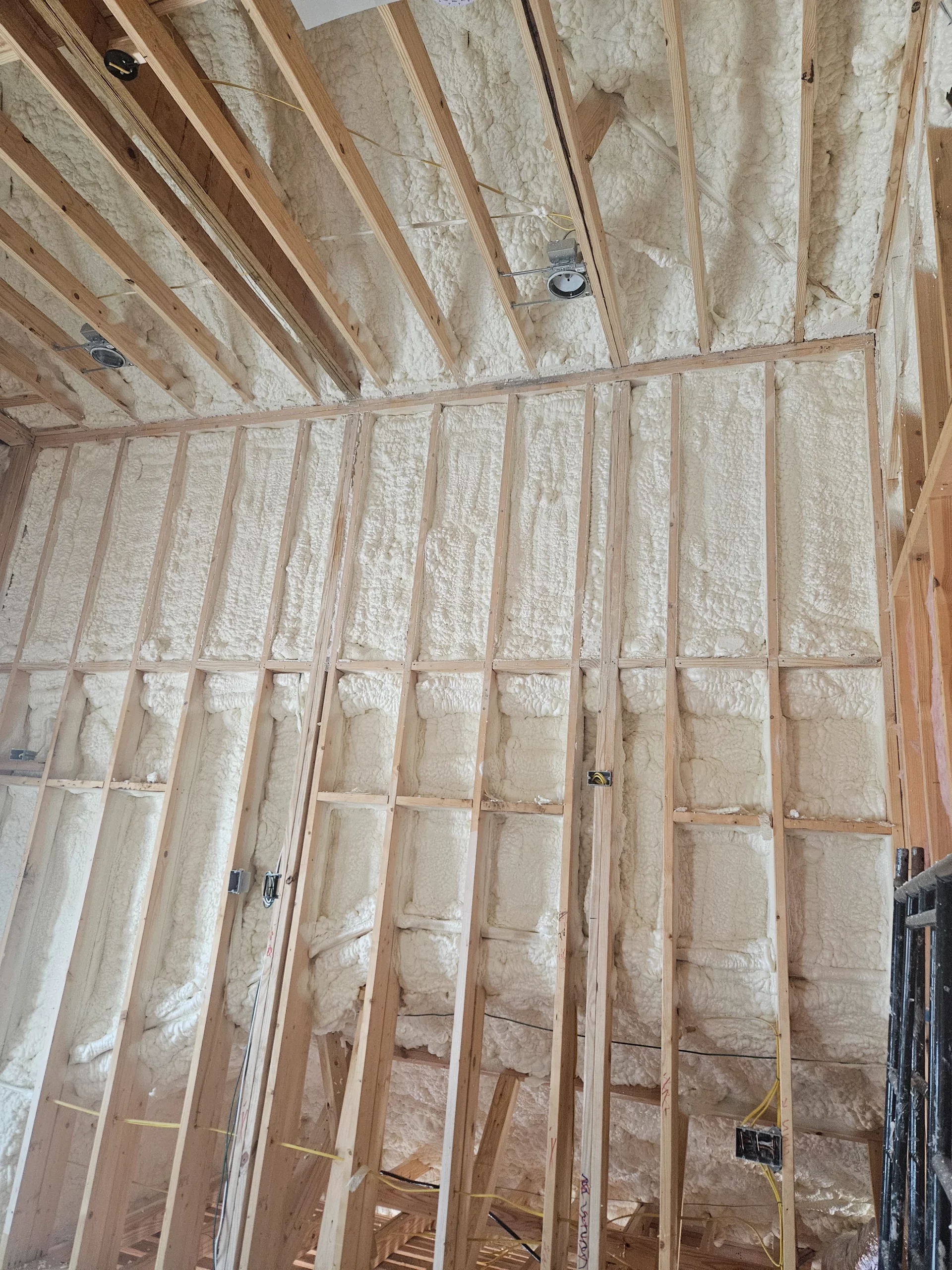
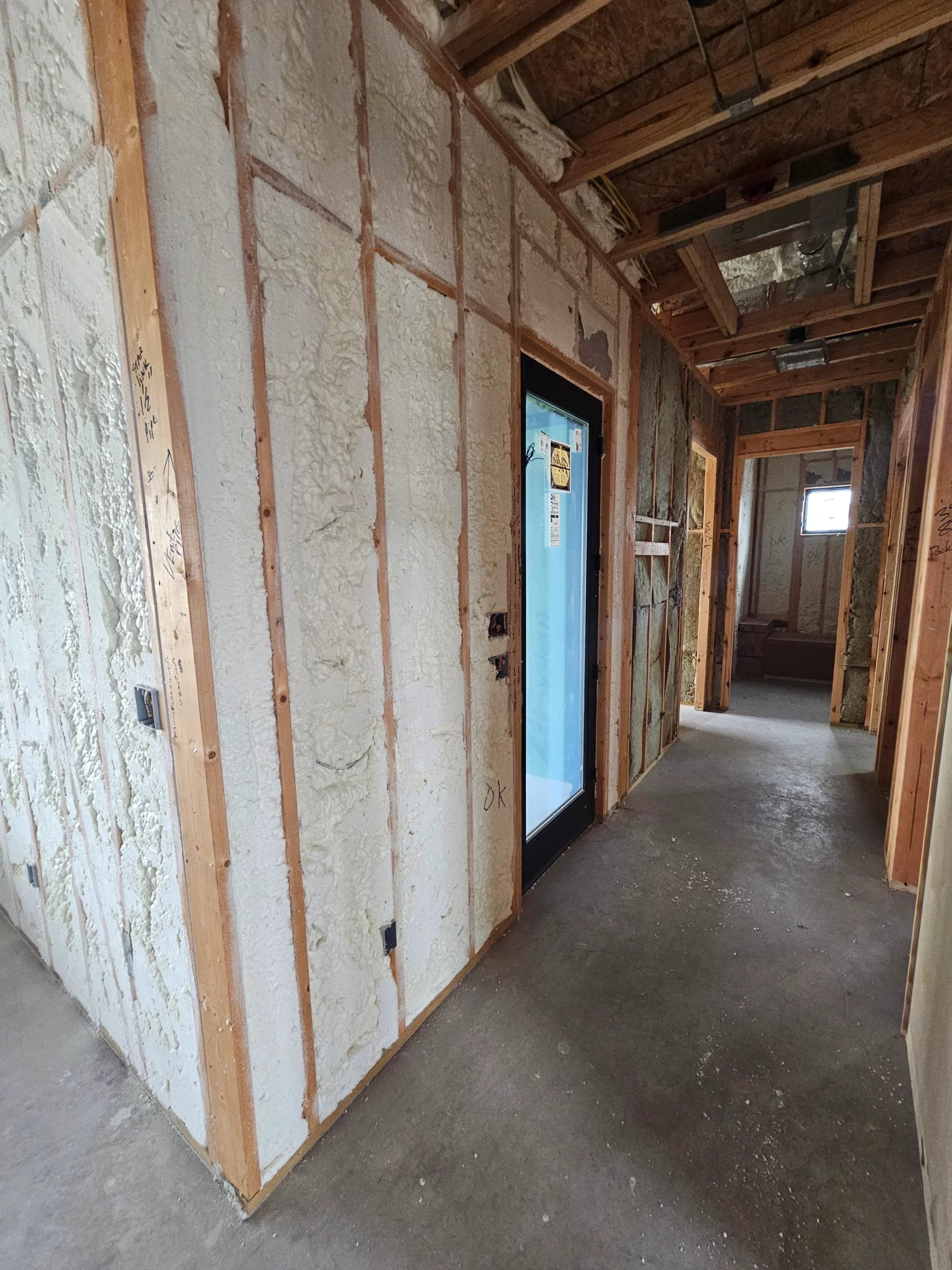
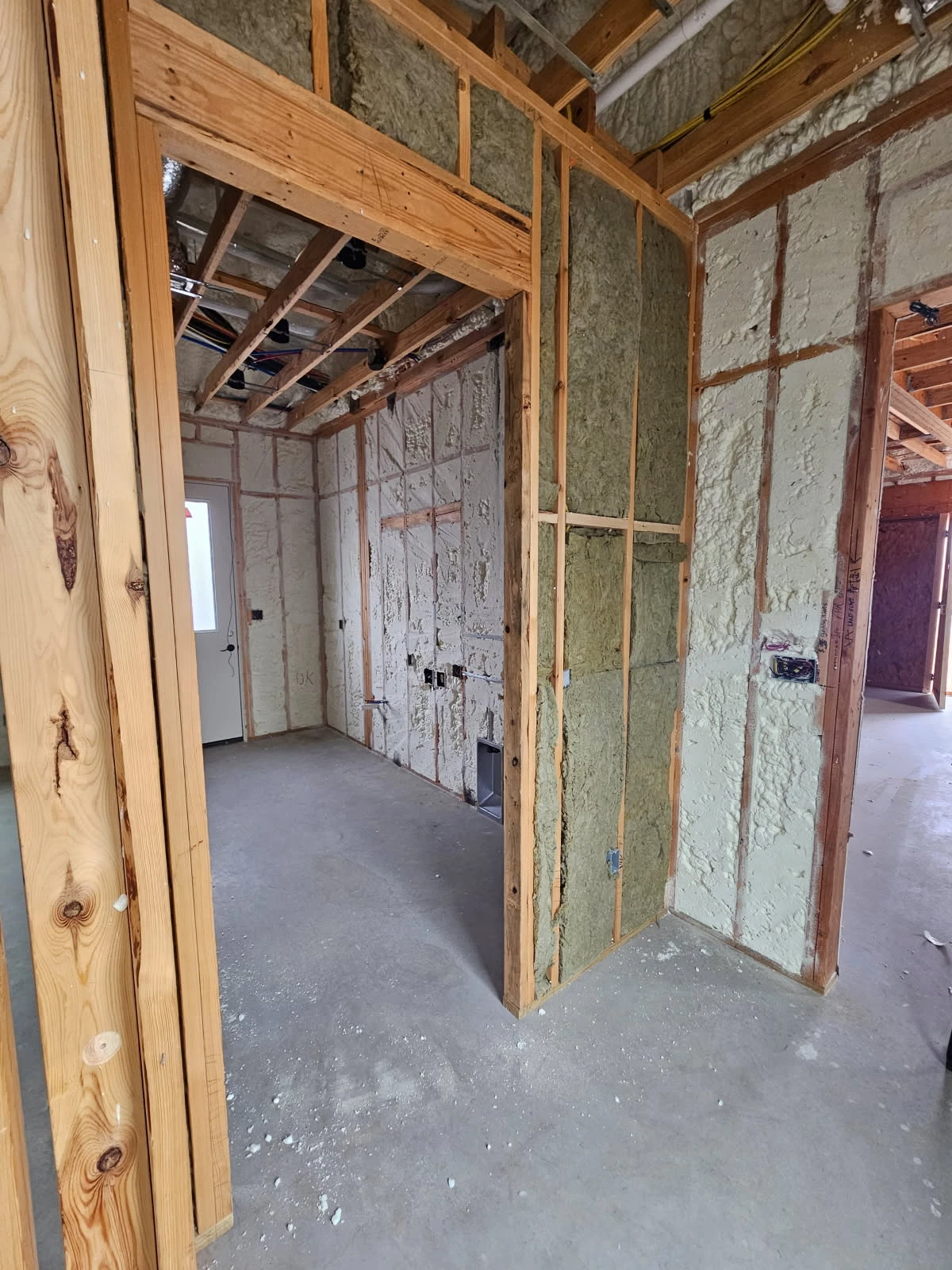
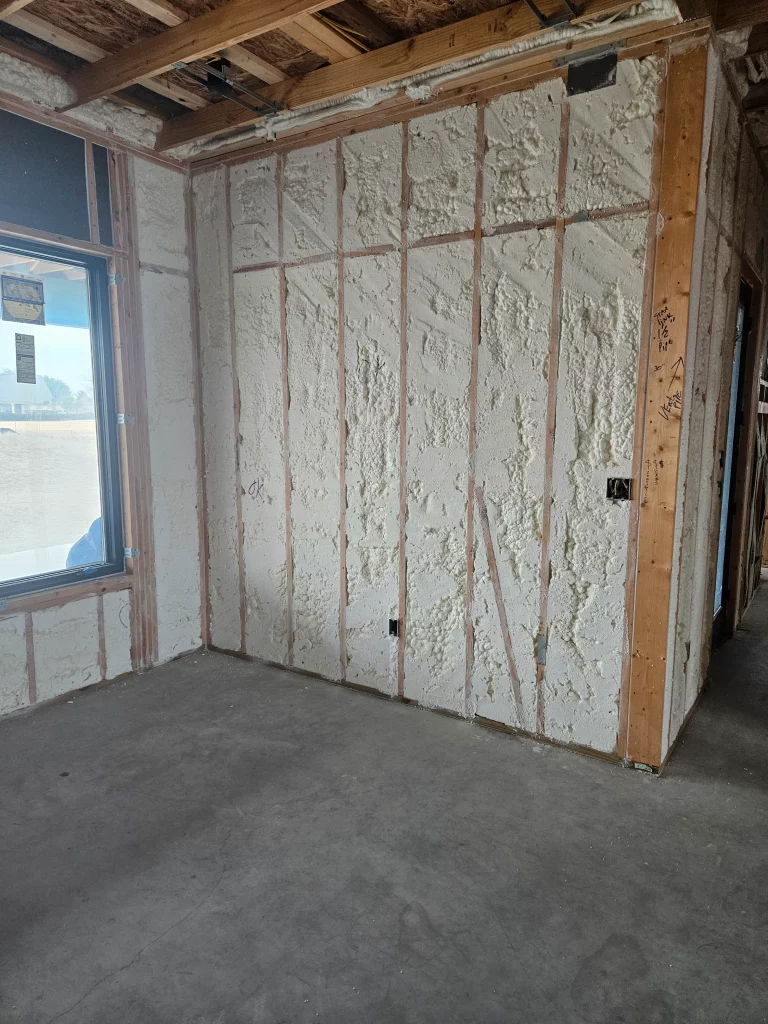
Spray foam stands out as the premium choice for air sealing and thermal performance. It expands to fill every gap and crack, creating an uninterrupted thermal barrier that traditional batts cannot match. Our professionals typically recommend spray foam for exterior walls, crawl spaces, and attic applications where maximum efficiency is the priority.
Open-cell spray foam costs less and provides excellent sound dampening, while closed-cell foam delivers higher R-values and moisture resistance. The U.S. Department of Energy provides detailed guidance on choosing between foam types based on your specific application and climate zone.
Fiberglass remains the most common insulation material due to its lower cost and familiar application methods. Batts work well for standard wall cavities with proper installation, while blown-in fiberglass fills irregular spaces effectively. However, fiberglass can underperform when installed incorrectly or when gaps are left between batts.
Made from recycled paper products, cellulose offers excellent thermal performance and eco-friendly benefits. It settles over time, so professional installation with proper density ensures long-term performance. Cellulose works particularly well in attic applications where it can be blown to the desired thickness easily.
One of the most critical mistakes homeowners make is adding more insulation without addressing air leaks first. According to Energy Star, air sealing is the foundation of any effective insulation strategy. Without addressing gaps around windows, electrical outlets, plumbing penetrations, and foundation cracks, new insulation cannot perform optimally.
Our team frequently encounters homes where previous insulation upgrades failed to deliver expected savings because air leaks were not addressed. Always prioritize air sealing before adding thermal insulation.
Insulation requirements vary significantly by geographic location. The U.S. Department of Energy provides climate zone recommendations that specify minimum R-values for different areas of your home. Using insulation rated below recommended levels wastes money on inadequate thermal protection, while significantly over-specifying adds unnecessary cost.
Squishing fiberglass batts to fit tighter spaces reduces their effectiveness dramatically. Insulation relies on trapped air pockets within the material to slow heat transfer. When compressed, fiberglass loses much of its thermal performance. Our technicians ensure proper fit and never compress insulation materials during installation.
| Insulation Type | R-Value per Inch | Best Applications | Cost Range | Key Advantage |
|---|---|---|---|---|
| Spray Foam (Closed-cell) | R-6 to R-7 | Exterior walls, foundations | $3.00-$5.00/board ft | Superior air sealing |
| Spray Foam (Open-cell) | R-3.5 to R-4.0 | Interior walls, attics | $1.50-$3.00/board ft | Sound dampening |
| Fiberglass Batts | R-3.1 to R-3.4 | Standard wall cavities | $0.50-$1.00/sq ft | Lower cost |
| Blown-in Fiberglass | R-2.2 to R-2.7 | Attics, irregular spaces | $1.00-$2.00/sq ft | Fills gaps |
| Cellulose | R-3.2 to R-3.8 | Attics, retrofits | $1.50-$2.50/sq ft | Eco-friendly |
Homes built before 1980 often have inadequate insulation by modern standards. Building codes have strengthened significantly over the decades, and what passed for acceptable insulation 40 years ago falls far short of current recommendations. According to This Old House, if your home is older, a comprehensive evaluation helps identify upgrade opportunities that deliver the best return on investment.
Major renovations that expose walls or alter your home’s thermal envelope warrant insulation upgrades. Adding rooms, finishing basements, or replacing siding all create opportunities to improve thermal performance. Our team works with homeowners during renovation projects to maximize insulation improvements.
Professional energy audits use thermal imaging and blower door tests to identify exactly where your home loses energy. These assessments pinpoint problem areas that might not be visible during casual inspection. As noted by Family Handyman, our contractors use audit results to recommend targeted insulation upgrades that deliver the best return on investment.
Check insulation in accessible areas like attics and unfinished basements. Look for even coverage without gaps, proper thickness without compression, and no signs of moisture damage or pest infiltration. Brown discoloration often indicates moisture problems that need addressing before adding more insulation.
Qualified insulation contractors bring specialized knowledge that homeowners typically lack. Our team evaluates insulation conditions, identifies air leaks, and recommends solutions based on your home’s specific needs. Professional assessments cost far less than the energy losses from inadequate insulation.
New builds should incorporate the highest practical insulation levels since walls are accessible before finishing. Our contractors recommend spray foam in exterior walls for superior air sealing, combined with appropriate attic insulation meeting or exceeding current code requirements.
Older homes typically benefit most from attic insulation upgrades and comprehensive air sealing. Crawl space and foundation insulation also provide significant returns in homes with unfinished lower levels. Our team evaluates each property to determine the most cost-effective upgrade sequence.
Older homes require careful evaluation since adding insulation can sometimes trap moisture within walls. Our professionals understand the unique challenges of historic properties and recommend solutions that improve efficiency without damaging original construction.
Making smart insulation decisions protects your home’s value, reduces energy costs, and improves daily comfort. Our team at Spray Foam Tech brings years of experience evaluating and upgrading home insulation systems throughout the region. We provide honest assessments and recommend solutions that match your specific needs and budget.
The Building Science Corporation emphasizes that proper insulation installation requires understanding building science principles, not just placing material in cavities. Our professionals apply this knowledge to every project, ensuring your insulation performs as expected for decades.
Whether you need a complete insulation upgrade or targeted improvements in problem areas, our specialists deliver quality workmanship backed by reliable warranties. Contact us today for a comprehensive evaluation of your home’s insulation needs.
Phone: (737) 777-9590
Email: oldworldtx@hotmail.com
A: Inspect accessible insulation annually and after any significant weather event or home renovation. Professional evaluations every 5-10 years help identify hidden problems.
A: Yes, in most cases, you can add insulation over existing material. However, address any moisture or damage issues first, and ensure adequate ventilation to prevent trapping humidity.
A: Attic insulation upgrades typically deliver the highest return on investment because heat rises and attics experience significant temperature extremes. Air sealing provides immediate benefits when combined with insulation.
A: Most insulation materials last 20-40 years or more with proper installation. However, settling, moisture damage, or pest infiltration can degrade performance earlier, making periodic evaluation important.
A: For spray foam and projects requiring specialized equipment, professional installation typically outperforms DIY efforts significantly. Our trained technicians ensure proper coverage, density, and air sealing that homeowners struggle to achieve independently.
U.S. Department of Energy – Insulation