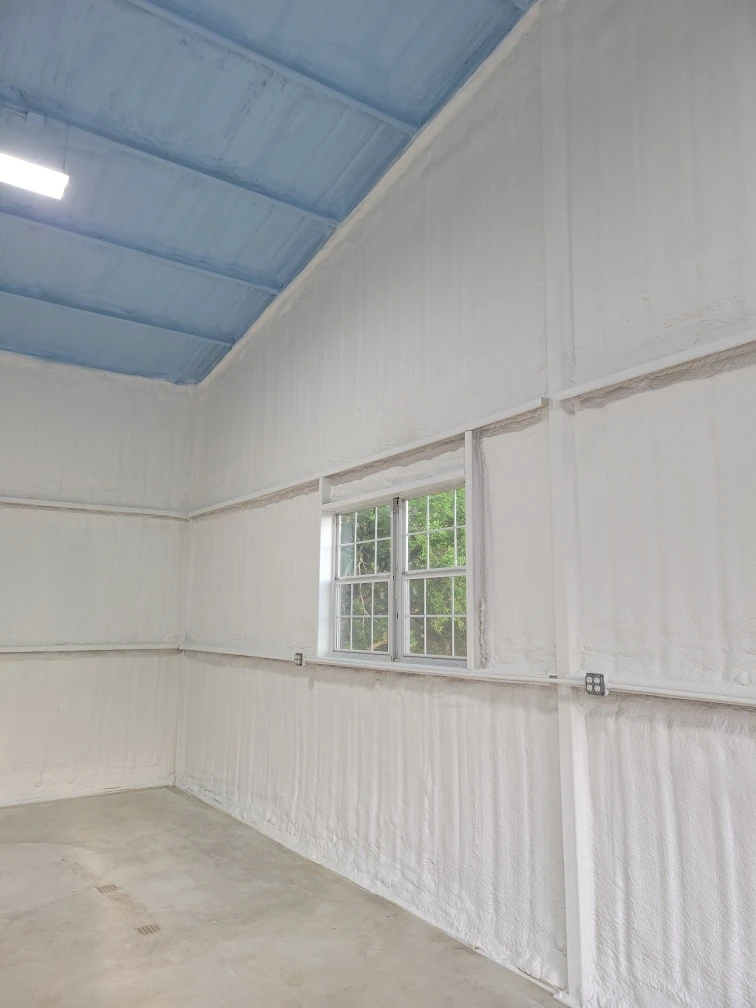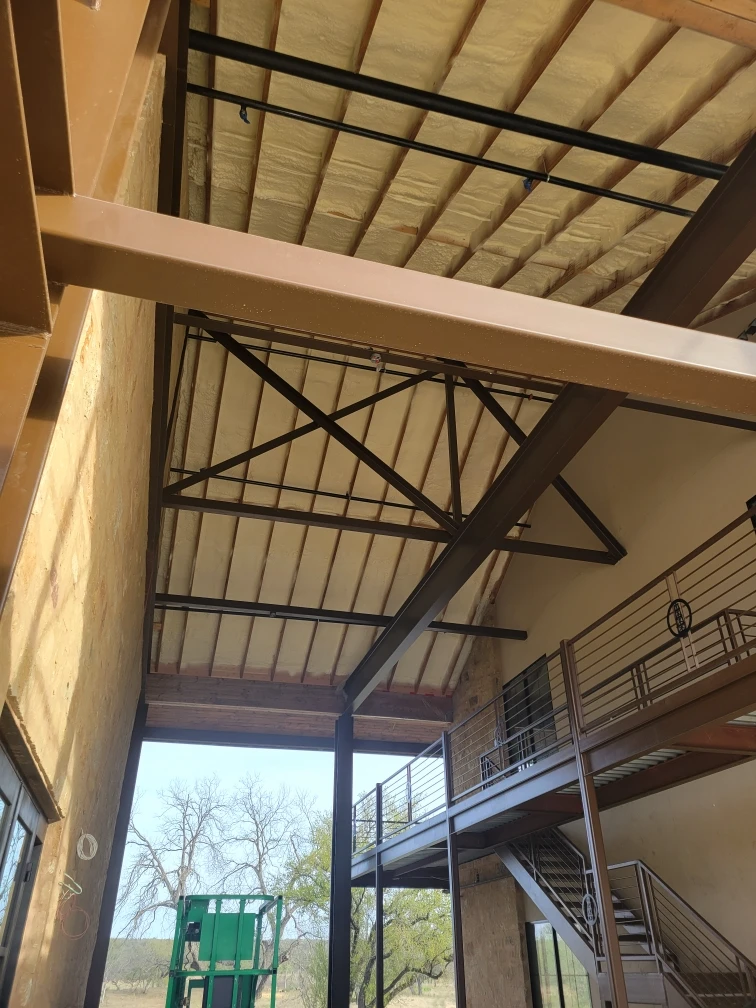
Prevent Heat Loss in Storage Barns Using Professional Insulation in Georgetown, TX
Direct Answer Heat loss in storage barns in Georgetown, TX, costs property owners hundreds of dollars annually in wasted energy…


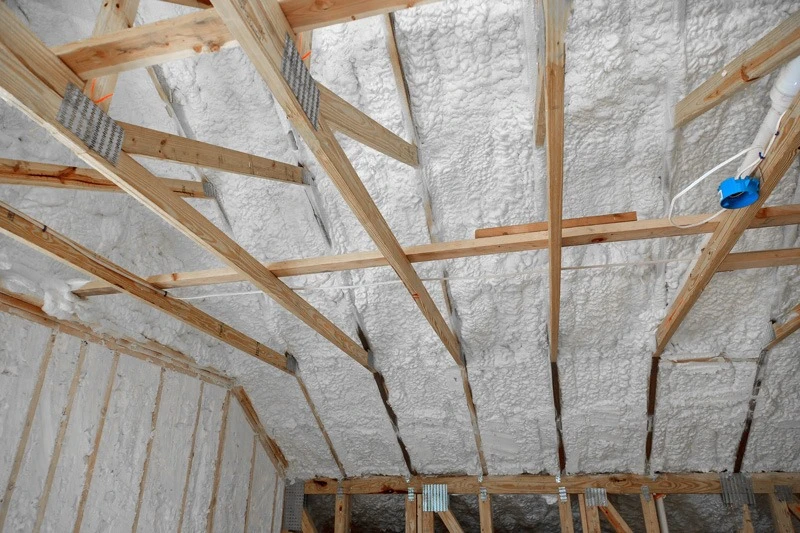
Spray foam insulation can underperform due to improper installation techniques, incorrect product selection for specific climate zones, inadequate surface preparation, and failure to address existing moisture problems. The most common issues include incomplete coverage, gaps around penetrations, improper mixing ratios, and installing the wrong R-value for the application. These problems lead to reduced thermal performance, moisture accumulation, and higher energy costs despite the premium cost of spray foam. The good news is that most performance failures are preventable through proper installation protocols, quality control measures, and working with experienced professionals who understand the science behind spray foam chemistry and building envelope science.
Spray polyurethane foam (SPF) has become one of the most popular insulation solutions for both residential and commercial applications. According to the U.S. Department of Energy, proper insulation can reduce heating and cooling costs by up to 20% annually. However, when spray foam underperforms, homeowners lose those expected savings while potentially facing moisture problems, indoor air quality issues, and structural damage.
The Spray Polyurethane Foam Alliance (SPFA) reports that approximately 70% of spray foam installation problems stem from insulation installation errors rather than product defects. This means most performance issues can be prevented with proper training, quality control processes, and attention to detail during the installation process.
| Cause | Impact | Prevention |
|---|---|---|
| Improper mixing ratio | Reduced R-value, crumbling, voids | Calibrate equipment regularly, train installers |
| Temperature violations | Poor adhesion, expansion issues | Monitor substrate and ambient temperatures |
| Incomplete coverage | Thermal bridging, energy loss | Use infrared inspection, detailed checklists |
| Wrong product selection | Moisture problems, code violations | Match product to climate zone and application |
| Surface contamination | Adhesion failure, gaps | Proper cleaning, priming when required |
| Inadequate thickness | Reduced performance | Measure and verify during application |
Understanding why spray foam fails requires knowledge of the chemistry and physics involved. Spray foam is created by mixing isocyanate and polyol resin components that react to expand and cure. This chemical reaction is highly sensitive to temperature, moisture, and mixing accuracy.
According to building science research from Oak Ridge National Laboratory, spray foam achieves its rated R-value only when properly cured and installed at the correct thickness. When installed at temperatures below the manufacturer’s recommended range (typically 50-80°F), the chemical reaction slows or stops, resulting in incomplete expansion and reduced thermal performance.
The guidance on spray foam installation emphasizes that both the substrate temperature and ambient temperature must be within specification for proper curing. Cold-weather installations require specialized winter-grade foam formulas and careful temperature management.
Research from Building Science Corporation demonstrates that spray foam installed at temperatures below 40°F can lose up to 40% of its intended R-value due to incomplete cell formation and poor adhesion. Similarly, installing SPF in conditions above 100°F can cause excessive expansion, leading to voids and cracking as the foam cures.
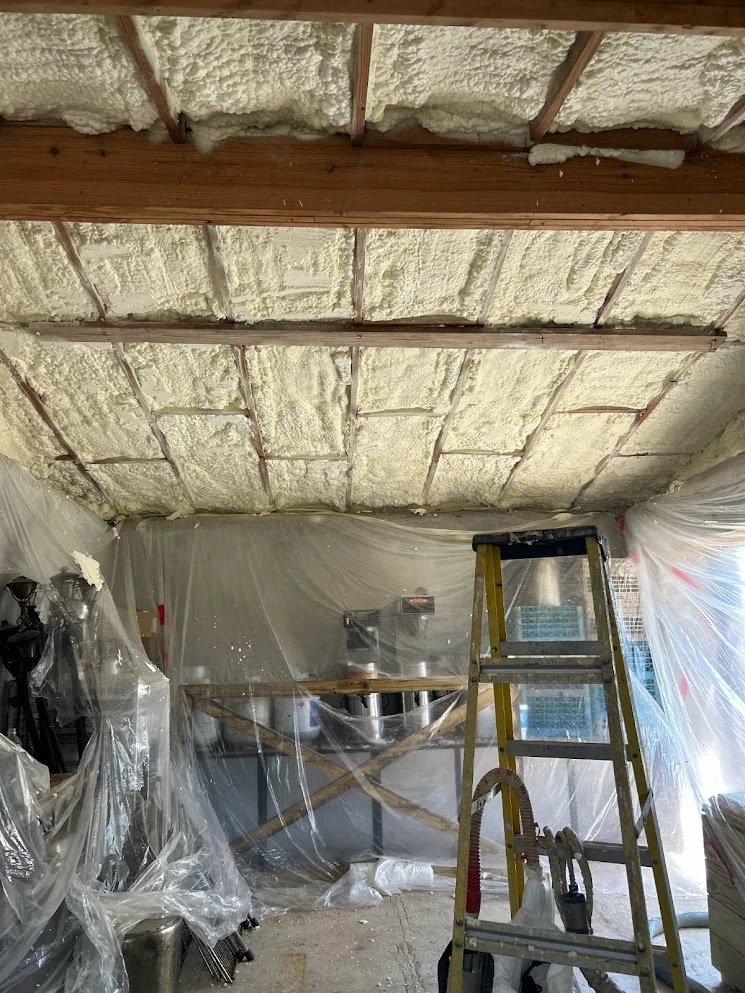
Before any repair or installation, our professionals conduct a thorough evaluation of the existing conditions. This includes checking substrate moisture levels, measuring ambient temperatures, identifying air leakage pathways, and reviewing the building’s ventilation system. According to Home Energy Magazine, air leakage accounts for 25-40% of energy loss in typical homes, making air sealing a critical component of any insulation strategy.
Our assessment process includes:
Choosing between open-cell and closed-cell spray foam requires understanding your specific climate zone. The International Energy Conservation Code (IECC) provides guidance on minimum R-values by climate zone, but product selection involves more than just meeting minimum requirements.
Open-cell spray foam (0.5-1.2 lb/ft³ density) offers superior sound dampening and flexibility but provides less moisture resistance. This makes it ideal for interior applications in mixed climates where breathability is beneficial.
Closed-cell spray foam (1.8-2.5 lb/ft³ density) provides higher R-value per inch (typically R-6 to R-7) and acts as a vapor barrier. It’s the preferred choice for exterior applications, cold climates, and areas prone to flooding.
| Product Type | R-Value per Inch | Moisture Resistance | Best Applications |
|---|---|---|---|
| Open-Cell | R-3.5 to R-3.7 | Low (breathable) | Interior walls, ceilings |
| Closed-Cell | R-6.0 to R-7.0 | High (vapor barrier) | Exterior walls, foundations |
Our installation protocols include multiple checkpoints to ensure quality. We document substrate temperatures, mix ratios, and application thickness at regular intervals. Before the foam cures, we conduct visual inspections to identify any voids, gaps, or coverage issues.
The SPFA recommends that every installation include:
If your current spray foam has failed due to moisture intrusion or mold growth, these issues must be resolved before re-insulation. According to the Harvard T.H. Chan School of Public Health, mold exposure can cause respiratory issues, allergic reactions, and exacerbate asthma symptoms. Our remediation process ensures the underlying problems are fixed before installing new insulation.
For insulation contractors looking to improve installation quality and reduce callbacks, consider implementing these proven strategies:
Training and Certification: Invest in manufacturer certifications and ongoing training for your installation team. The SPFA offers certification programs that establish credibility and ensure technicians understand proper installation techniques.
Equipment Maintenance: Regular calibration of spray foam equipment prevents mixing ratio errors. Create maintenance schedules and document all equipment servicing.
Documentation Practices: Photograph before, during, and after installations. Detailed documentation protects both your team and provides homeowners with verification of quality work.
Customer Communication: Set realistic expectations about curing times, ventilation requirements, and post-installation activities. Educate homeowners about signs of potential problems that require attention.
While some insulation issues can be addressed with minor repairs, significant performance problems require professional assessment. If you notice uneven temperatures in your home, rising energy bills, condensation on windows, or musty odors, these could indicate insulation problems that need expert attention.
At Spray Foam Tech, we understand that quality insulation is an investment in your home’s comfort and energy efficiency. Our certified professionals follow rigorous installation protocols to ensure your spray foam performs at its best.
Contact us today for a comprehensive insulation evaluation.
Phone: (737) 777-9590
Email: oldworldtx@hotmail.com
A: Properly installed spray foam can last 80-100 years without significant degradation, though physical damage, moisture intrusion, or UV exposure can shorten its lifespan.
A: In most cases, existing insulation should be removed before installing spray foam. Adding spray foam over old insulation can trap moisture and create unintended air gaps.
A: New spray foam releases isocyanates and other compounds during the curing process, which can take 24-72 hours. Proper ventilation during and after installation is essential.
A: Once fully cured (typically 24-72 hours), spray foam is inert and safe. However, during installation and cure time, sensitive individuals should avoid the area.
A: Look for consistent thickness, complete coverage without gaps, and proper adhesion to substrates. A thermal imaging inspection can verify performance after installation.