Spray Foam Roofing vs. Acrylic Roof Coating in Georgetown, TX: Key Differences Explained
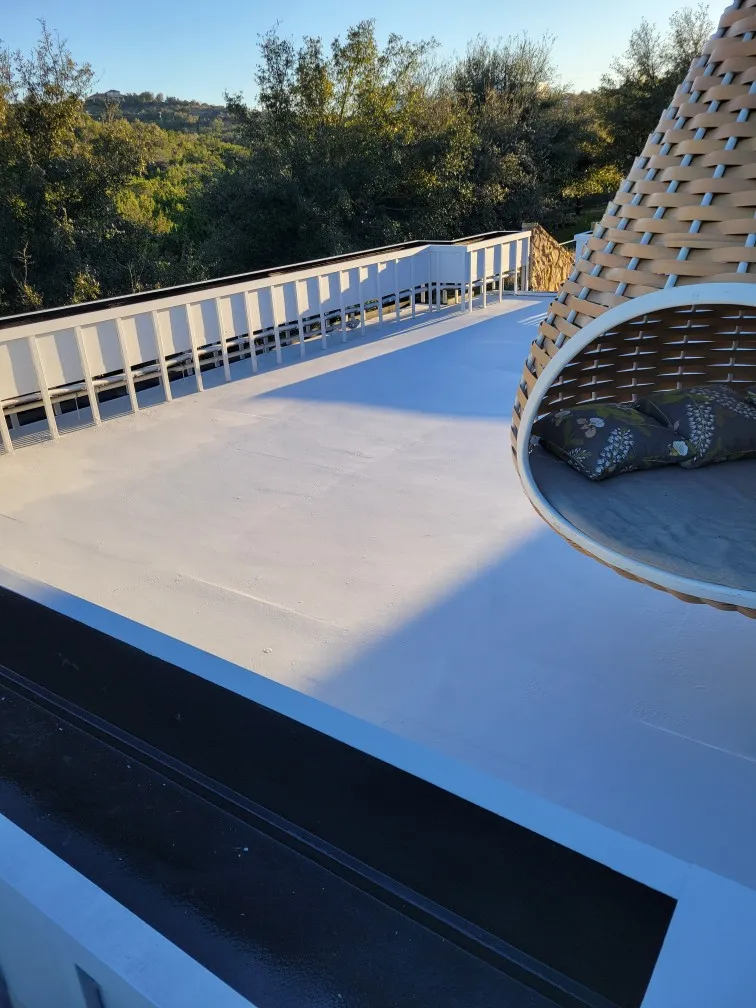
Spray foam roofing and acrylic roof coating both protect flat and low-slope roofs in Georgetown, TX, but they solve different…


The right insulation material depends on your home’s layout, your primary noise concerns, and the climate demands of Georgetown, TX, which sits in IECC Climate Zone 2A. Mineral wool and fiberglass consistently rank highest for acoustic performance, while spray foam excels at air sealing and thermal efficiency. The most effective approach often combines materials: a sound-absorbing cavity fill for walls and ceilings paired with an air-barrier solution like spray foam insulation for the building envelope. No single product does everything, so matching the material to the specific problem, whether it is traffic noise from I-35, HVAC hum between rooms, or summer heat gain, is where the real difference shows up.
Georgetown’s hot summers and mild winters create a dual priority: keeping conditioned air inside and blocking outdoor noise from a growing population. The U.S. Department of Energy classifies this region in Climate Zone 2A, meaning homes experience significant cooling loads from May through September and moderate heating demands in winter U.S. Department of Energy.
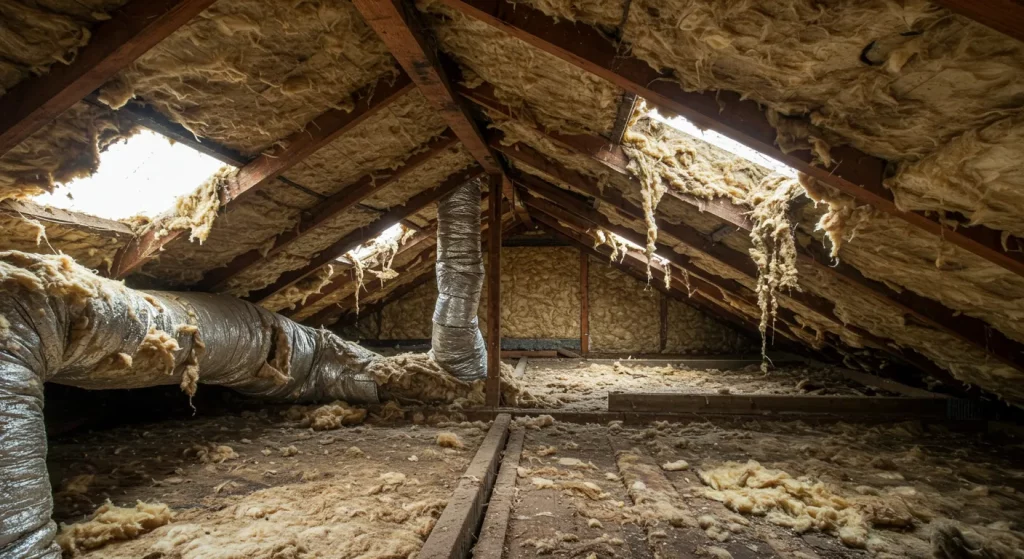
Homes built before 2000 in Georgetown often have little more than R-11 fiberglass in wall cavities and inadequate attic insulation. That shortfall shows up as uneven temperatures between rooms, higher energy bills, and noticeably more noise transmission from outside. Newer builds may meet code minimums, but code minimums are not designed for optimal comfort; they are the floor, not the ceiling.
The four main insulation types used in residential construction, mineral wool, fiberglass, cellulose, and spray foam, each bring different strengths to the table. The table below breaks down their acoustic and thermal characteristics.
| Material | NRC Rating | STC Rating (Typical) | R-Value Per Inch | Best Application | Key Limitation |
|---|---|---|---|---|---|
| Mineral Wool | 1.0+ | 45-52 | 3.3-4.2 | Interior walls, shared walls, home theaters | Higher material cost than fiberglass |
| Fiberglass | ~1.0 | ~43 | 2.9-3.8 | General walls, attics, and floors | Can settle over time if not dense-packed |
| Open-Cell Spray Foam | ~0.75 | 37-39 | 3.5-3.7 | Wall cavities, attics, and hard-to-reach areas | Professional installation required |
| Closed-Cell Spray Foam | ~0.75 | 37-39 | 6.0-7.0 | Exterior walls, crawl spaces, rim joists | Highest cost, less sound absorption per dollar |
| Blown-In Cellulose | ~0.75 | 39-44 | 3.1-3.8 | Retrofit wall fills, attics, and existing homes | Can settle and lose R-value over time |
Acoustic data sourced from Insulation Institute
Mineral wool, sometimes called rock wool or stone wool, stands out for sound absorption. Its dense, fibrous structure gives it an NRC that frequently exceeds 1.0, meaning it absorbs more sound than it reflects. For Georgetown homeowners dealing with noise from busy corridors like Williams Drive or SH-29, mineral wool in exterior walls and shared party walls can push STC ratings into the 50-plus range, where loud sounds become only faintly audible.
Beyond acoustics, mineral wool is naturally fire-resistant and water-repellent, which adds value in a region prone to sudden storms and temperature swings. The trade-off is cost; mineral wool typically runs 20-40% more than fiberglass per square foot.
Fiberglass has been the residential standard for decades, and for good reason. Its NRC approaches 1.0, and it delivers reliable thermal performance. When installed correctly in wall cavities with proper air sealing, fiberglass can achieve STC ratings around 43, a noticeable improvement over uninsulated walls that typically score around 33.
For budget-conscious projects in Georgetown where noise is a secondary concern behind energy efficiency, fiberglass remains a practical and proven choice. Thicker and denser batts perform better acoustically than standard lightweight versions.
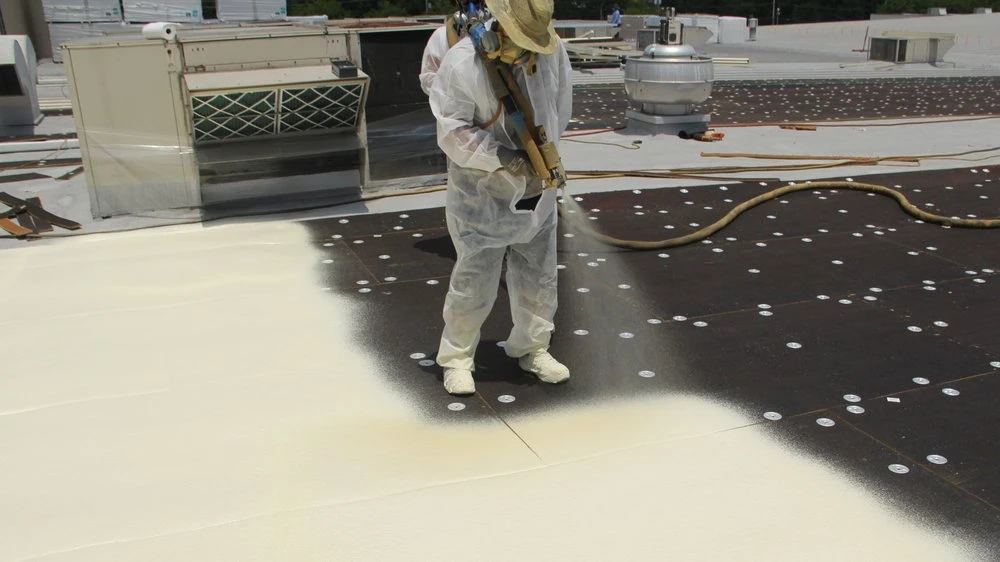
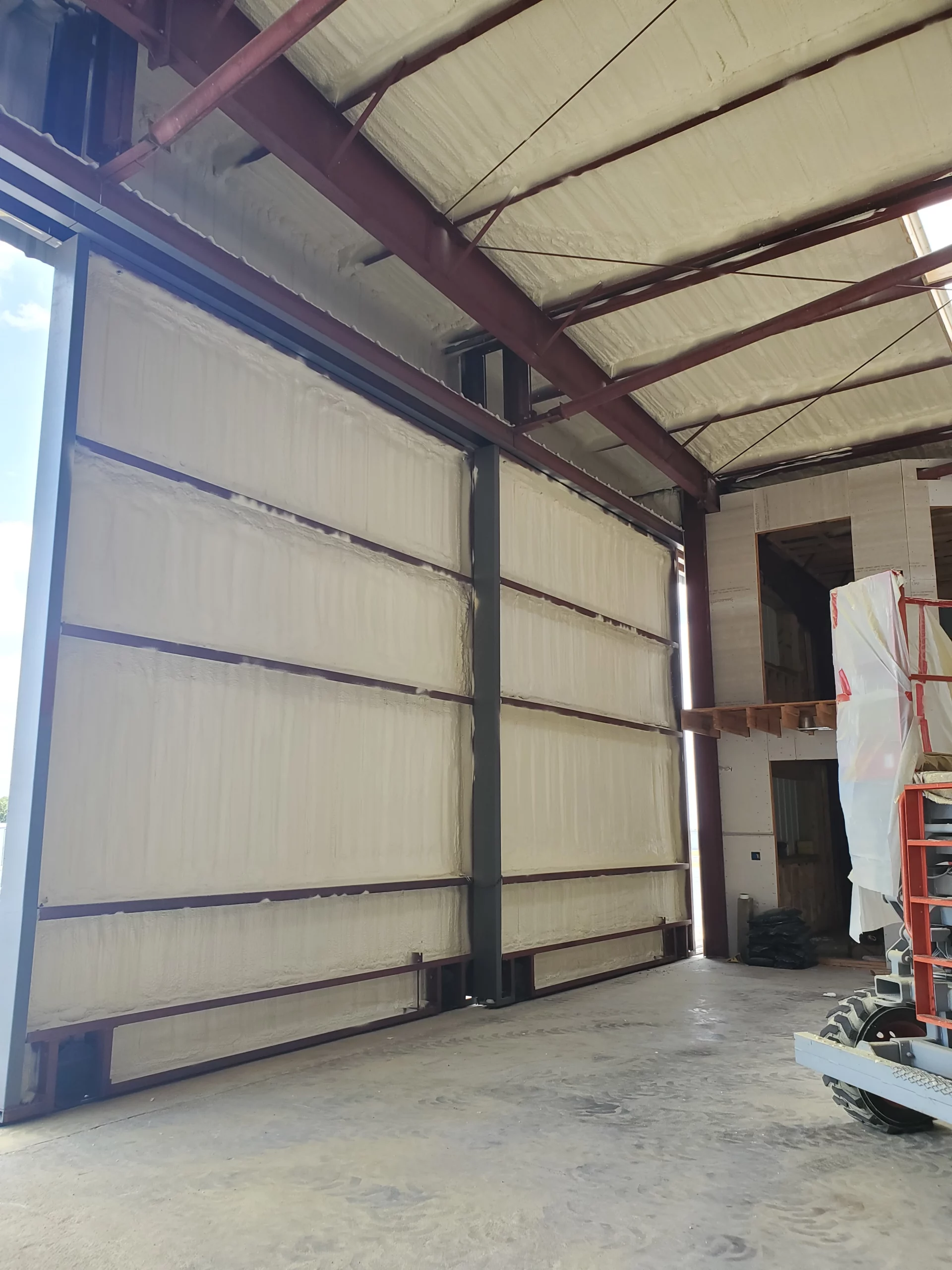
Spray foam’s advantage lies in its ability to expand and seal every gap, crack, and penetration in the building envelope. This air sealing reduces both energy loss and the pathways through which sound travels. Open-cell spray foam, with its lower density and softer cell structure, performs better for sound dampening than closed-cell. Closed-cell spray foam delivers a much higher R-value per inch (up to 7.0) but is stiffer and transmits more vibration.
In Georgetown homes with lots of air infiltration, spray foam can dramatically improve comfort by eliminating drafts. For dedicated soundproofing, it works best when paired with other materials like mineral wool in shared walls.
For older Georgetown homes with closed wall cavities, blown-in cellulose offers one of the few practical ways to add insulation without opening walls. Its dense, fibrous composition provides reasonable sound absorption and fills voids better than fiberglass batts. Cellulose is also made from recycled paper, which appeals to environmentally focused homeowners. The main concern is settling over time, which can reduce both thermal and acoustic effectiveness if not installed at the proper density.
| Home Type | Noise Source | Primary Insulation Used | Secondary Treatment | Measurable Outcome |
|---|---|---|---|---|
| 2005 build near I-35 | Highway traffic | Open-cell spray foam in walls | Mineral wool in shared bedroom walls | Reduced outdoor noise by approximately 50%, and noticeable temperature equalization |
| 1990s build, downtown area | Street noise, neighbor activity | Blown-in cellulose retrofit in exterior walls | Weatherstripping and acoustical sealant on windows | Measurable drop in ambient street noise, lower cooling costs in summer |
| New construction, Sun City | HVAC noise, inter-room sound | Mineral wool in all interior walls | Fiberglass in the attic, spray foam at the rim joist | Private conversations in the room, HVAC cycling barely audible |
| 1980s ranch near Rivery Blvd | Aircraft and road noise | Closed-cell spray foam in exterior walls | Added mineral wool in the ceiling below the attic | Improved comfort during summer peak heat, noticeable noise reduction |
| Multi-family near Georgetown Square | Foot traffic, shared walls | Mineral wool in party walls | Resilient channel and double drywall | Met the STC 50 building code requirement, tenant complaints dropped significantly |
When choosing insulation materials, especially when noise reduction is a priority, ask these questions:
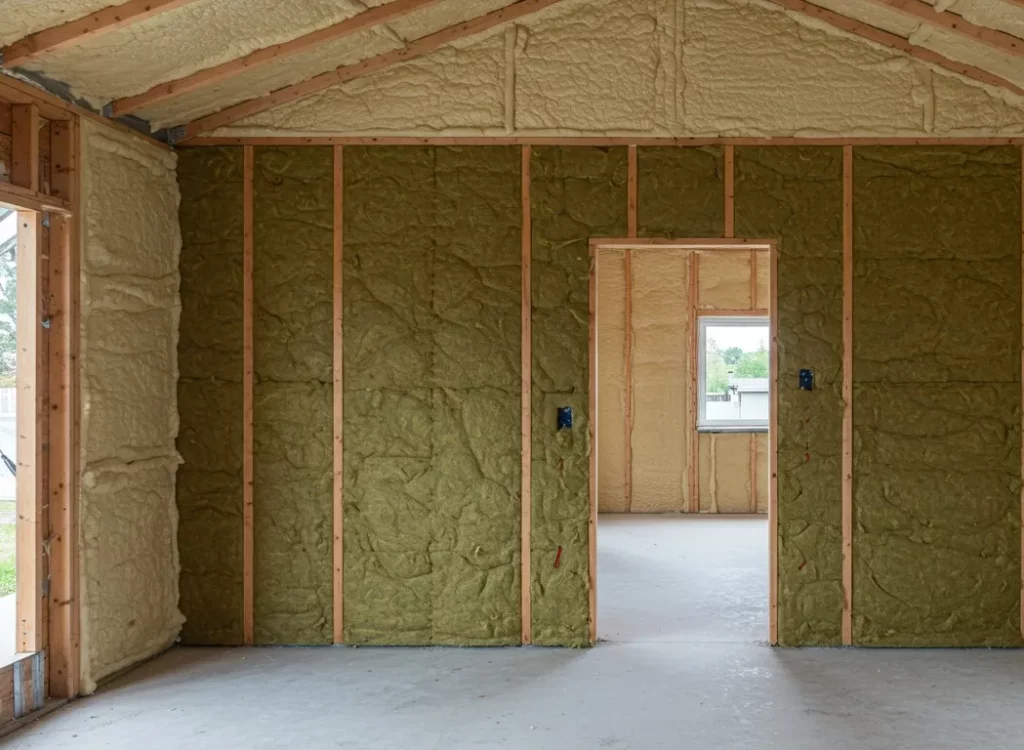
New Construction Builds: Use mineral wool in interior and shared walls for acoustic separation, paired with spray foam at the building envelope (rim joist, band joist, cantilevers) for thermal performance. This combination meets noise and energy goals without overspending.
Existing Home Retrofits (pre-2000): Blown-in cellulose or dense-packed fiberglass in existing wall cavities offers the most practical upgrade. Pair this with attic insulation to R-38 or higher for meaningful comfort improvement.
Home Office or Studio Spaces: Mineral wool in all surrounding walls, double drywall with Green Glue compound, and sealed electrical boxes. Target STC 50 or higher for these spaces.
Multi-Family or ADU Construction: Mineral wool in party walls to meet or exceed the STC 50 code requirement. Consider resilient channels and double drywall for additional sound isolation.
Budget-Conscious Upgrades: Fiberglass batts in accessible areas (attic, basement ceiling) combined with thorough air sealing using caulk and foam sealant. This delivers the highest return per dollar spent.
Choosing the right combination of insulation materials for your Georgetown home requires local expertise. Our team at Spray Foam Tech evaluates each project individually, factoring in your noise concerns, energy goals, and budget to recommend the materials and methods that deliver real results. We handle everything from spray foam installation to mineral wool and fiberglass applications across Georgetown and the surrounding Central Texas area.
Call us at (737) 777-9590 or email oldworldtx@hotmail.com to discuss your project. We are happy to walk through your options and help you make the right call.
Mineral wool installed in exterior wall cavities provides the highest sound absorption, typically achieving STC ratings of 45-52, which muffles most traffic noise to a faint level.
Open-cell spray foam reduces sound transmission by sealing air gaps that sound travels through, but its STC rating (37-39) is lower than mineral wool or dense fiberglass for dedicated soundproofing.
Climate Zone 2A requires minimum R-13 in walls, R-30 in ceilings, and R-13 in floors under current IECC standards, though exceeding these minimums significantly improves comfort.
Blown-in cellulose or dense-packed fiberglass can be installed through small holes drilled in exterior walls, making it possible to insulate closed cavities without major renovation.
Proper insulation combined with air sealing can reduce heating and cooling energy consumption by 15-30%, depending on the existing condition and the materials used.