Spray Foam Roofing vs. Acrylic Roof Coating in Georgetown, TX: Key Differences Explained
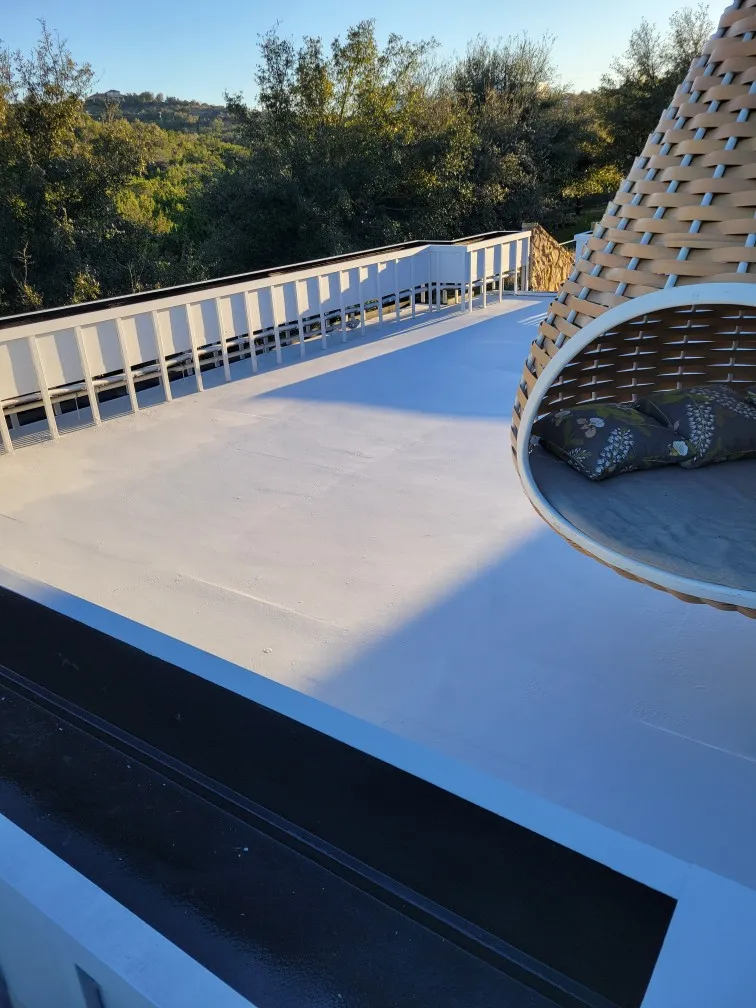
Spray foam roofing and acrylic roof coating both protect flat and low-slope roofs in Georgetown, TX, but they solve different…


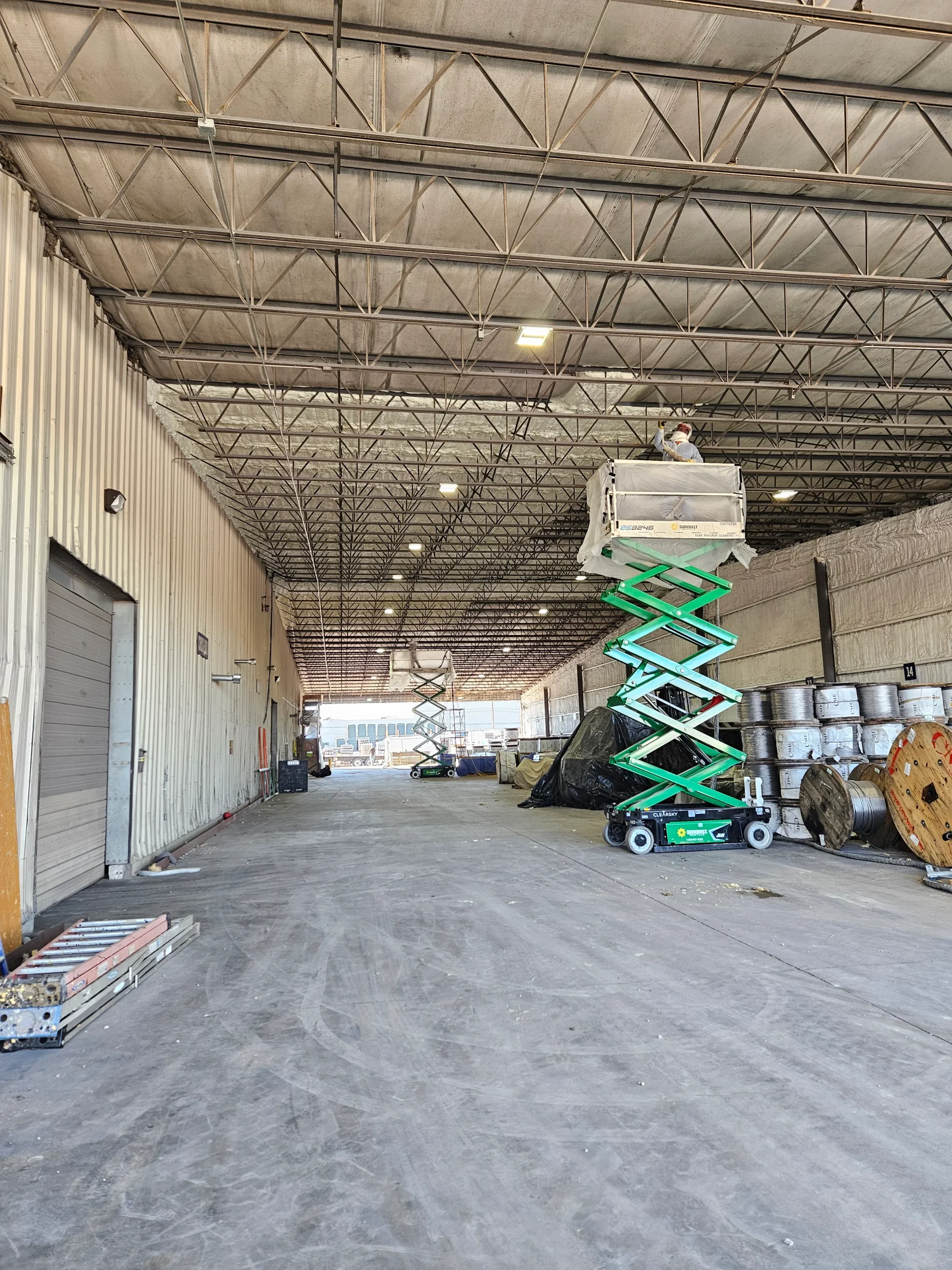
Thermal insulation is one of the most practical investments a property owner can make. It works by slowing the transfer of heat through your building envelope, keeping conditioned air inside and outside temperatures where they belong. The right insulation strategy depends on your climate zone, building type, budget, and performance goals. Whether you are building new, retrofitting an older home, or upgrading a commercial facility, understanding how heat moves through materials and what spray foam insulation actually does is the first step toward making smart decisions that pay off for decades.
To understand thermal insulation, you first need to understand how heat moves. According to the U.S. Department of Energy, heat transfers through three primary mechanisms, and each one affects your building differently.
Conduction is the transfer of heat through solid materials. Think of a metal spoon sitting in a hot pot of coffee. The handle gradually warms because heat travels through the metal. In a building, conduction happens through walls, roofs, windows, and framing. Materials with low thermal conductivity, like fiberglass or foam, slow this process down significantly.
Convection is heat transfer through the movement of fluids and gases. Warm air rises, and cool air sinks. In an uninsulated attic, heated indoor air escapes upward through gaps and is replaced by cold air pulled in from below. This constant air circulation creates drafts and forces your HVAC system to work harder. Insulation that fills cavities and blocks air movement directly reduces convective heat loss.
Radiation is heat that travels in a straight line as electromagnetic waves, much like sunlight. Warm objects radiate heat to cooler ones. A roof exposed to direct sun absorbs radiant heat and transfers it into the attic and living space below. Reflective insulation and radiant barriers are specifically designed to address this type of heat transfer.
Insulation materials work by combining low-conductivity materials with trapped air pockets. The air pockets are poor conductors, and the material structure limits convection. Together, these properties create resistance to heat flow, which is measured and expressed as R-value.
R-value is the standard measurement for an insulation material’s thermal resistance. As defined by Wikipedia, R-value represents the temperature difference per unit of heat flux needed to sustain one unit of heat flow through the material. In practical terms, the higher the R-value, the better the insulation performs at resisting heat transfer.
R-values depend on three factors:
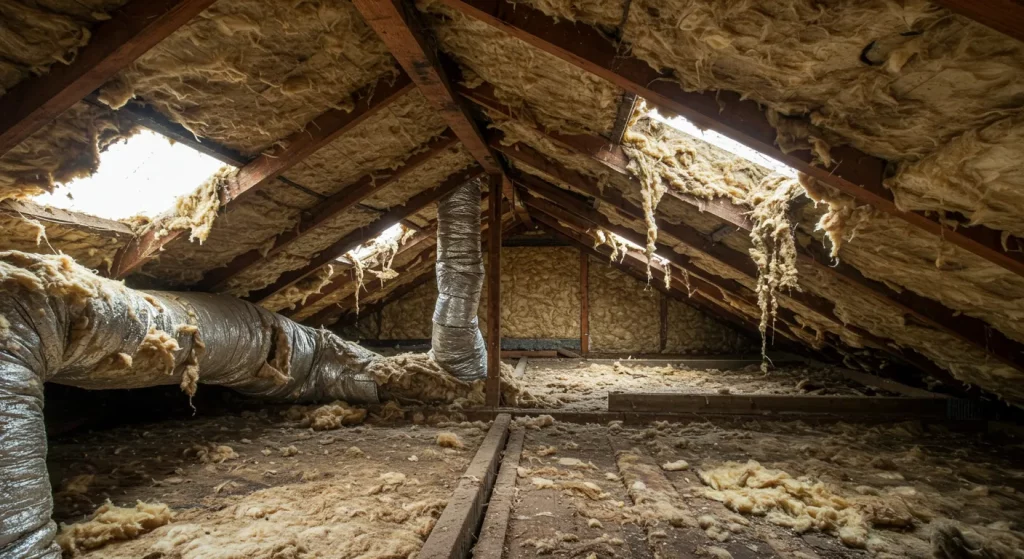
It is important to distinguish between nominal R-value (what the material claims on the label) and effective R-value (how the material actually performs once installed). The U.S. Department of Energy notes that real-world R-value can be reduced by thermal bridging, where heat bypasses insulation through studs, joists, and other framing. Insulation that is compressed, has gaps, or is poorly installed will not deliver its full rated performance.
The climate zone also dictates how much R-value you need. Homes in northern climates may require R-49 to R-60 in attics, while southern climates may only need R-30. Understanding your local requirements helps you invest the right amount without overspending.
Not all insulation is created equal. The right choice depends on where you are installing it, what your budget allows, and what performance targets you need to hit. Here is a comparison of the most common insulation types:
| Material | R-Value Per Inch | Best Applications | Air Sealing Ability | Typical Lifespan |
|---|---|---|---|---|
| Fiberglass Batts | 2.9 – 3.8 | Walls, attics, floors | Low | 50+ years |
| Blown-in Cellulose | 3.2 – 3.8 | Attics, existing wall cavities | Moderate | 30+ years |
| Mineral Wool | 3.3 – 4.2 | Walls, attics, fire-rated assemblies | Low to Moderate | 75+ years |
| Rigid Foam Board | 3.8 – 6.5 | Basement walls, continuous exterior insulation | Low (panels) | 50+ years |
| Open-Cell Spray Foam | 3.5 – 3.7 | Walls, attics, irregular cavities | High | 80+ years |
| Closed-Cell Spray Foam | 6.0 – 7.0 | Basements, crawl spaces, exterior sheathing | Very High | 80+ years |
Fiberglass remains the most widely used insulation material because of its low cost and familiarity. However, it does not seal air leaks on its own and can leave gaps around framing and obstructions.
Cellulose is made from recycled paper and treated with fire retardants. It fills cavities more completely than fiberglass batts and offers slightly better air resistance, but it can settle over time, reducing its effective R-value.
Mineral wool stands out for its fire resistance and sound-dampening properties. It holds its shape over time and resists moisture better than fiberglass.
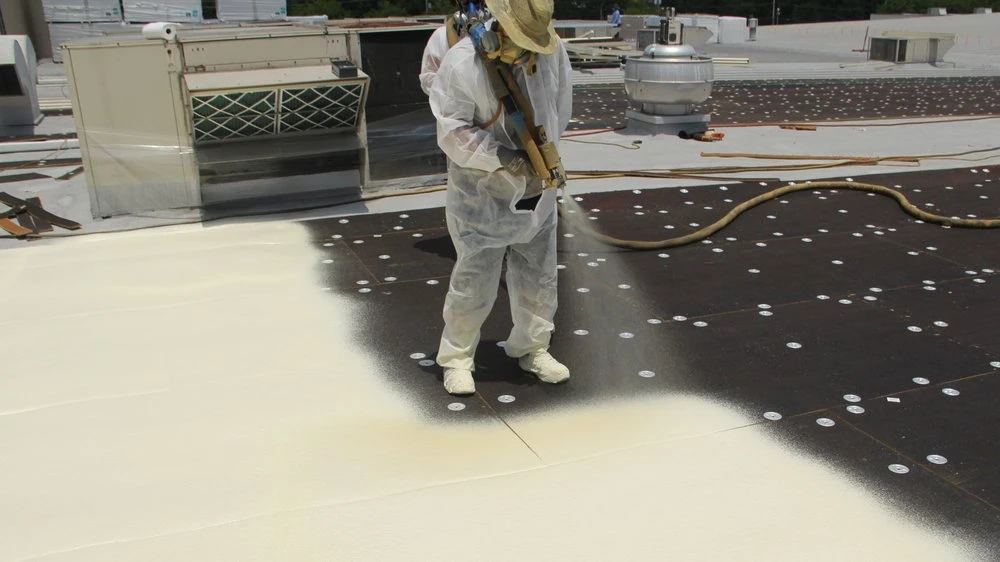
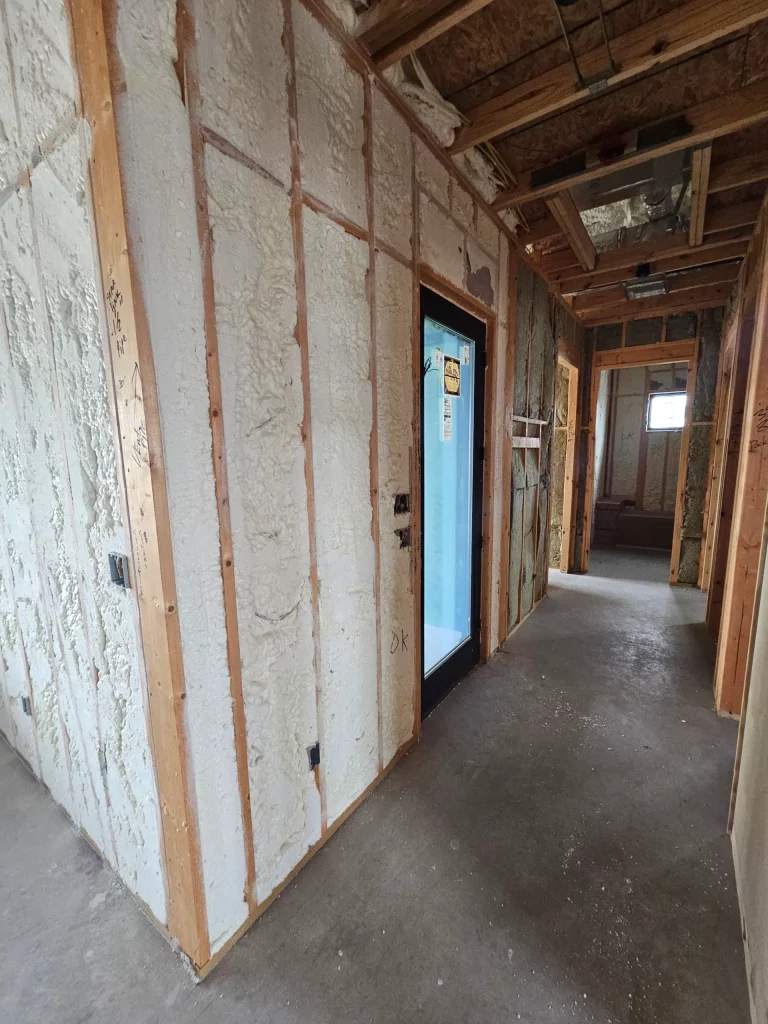
Spray foam insulation delivers the highest R-value per inch and doubles as an air barrier. Closed-cell spray foam also adds structural rigidity and acts as a moisture barrier. The tradeoff is a higher upfront cost, but the long-term energy savings often justify the investment, especially in extreme climates or in buildings with hard-to-reach cavities.
For homeowners, insulation is the single most effective way to reduce energy waste. ENERGY STAR reports that air sealing combined with proper attic insulation can save an average of 15% on heating and cooling costs. Beyond savings, proper insulation eliminates cold spots, reduces noise from outside, limits pollen and dust infiltration, and helps prevent ice dams in colder climates.
According to the Insulation Institute, commercial buildings with quality insulation use significantly less energy for HVAC, which translates directly to lower operating costs and reduced carbon emissions. In commercial settings, insulation also improves employee comfort and productivity, reduces the load on mechanical equipment (extending equipment life), and helps buildings meet energy code requirements and green building certifications.
In new construction, insulation can be planned into the design from the start, allowing for continuous insulation strategies, optimal material selection, and seamless integration with air barriers. Retrofit projects require a more strategic approach. Existing walls may be difficult to insulate without removing drywall, but attics, basements, and crawl spaces are usually accessible and offer the highest return on investment for older homes.
Even with quality materials, poor installation can undermine performance. Here are the most frequent issues we see:
How do you know your insulation investment is working? Look for these indicators:
At Spray Foam Tech, our team specializes in high-performance spray foam insulation that delivers superior R-values, airtight sealing, and long-lasting energy savings for residential and commercial properties. Whether you are building new or upgrading an existing structure, we assess your specific needs and recommend the right insulation solution for your climate, building type, and budget.
Call us at (737) 777-9590 or email oldworldtx@hotmail.com to get started. Proper insulation is not an expense; it is an investment that pays for itself year after year.
Insulation slows heat flow through your building envelope, so your heating and cooling systems do not have to work as hard to maintain comfortable indoor temperatures. Less energy used means lower utility bills.
The required R-value depends on your climate zone, the part of the building being insulated, and whether it is new or existing construction. Most U.S. climates call for R-38 to R-60 in attics and R-13 to R-20 in walls.
Spray foam provides a higher R-value per inch and acts as both an air barrier and insulation in one step. For buildings with hard-to-seal areas or in extreme climates, the energy savings often offset the initial investment within a few years.
Some materials, like fiberglass batts, can be DIY projects, but spray foam, blown-in cellulose, and rigid foam installations require professional equipment and expertise. Poor installation can significantly reduce performance.
Most insulation materials last 30 to 80-plus years, depending on the type. Fiberglass, mineral wool, and spray foam are among the longest-lasting options and generally do not need replacement unless damaged by moisture or pests.