Spray Foam Roofing vs. Acrylic Roof Coating in Georgetown, TX: Key Differences Explained
Spray foam roofing and acrylic roof coating both protect flat and low-slope roofs in Georgetown, TX, but they solve different…


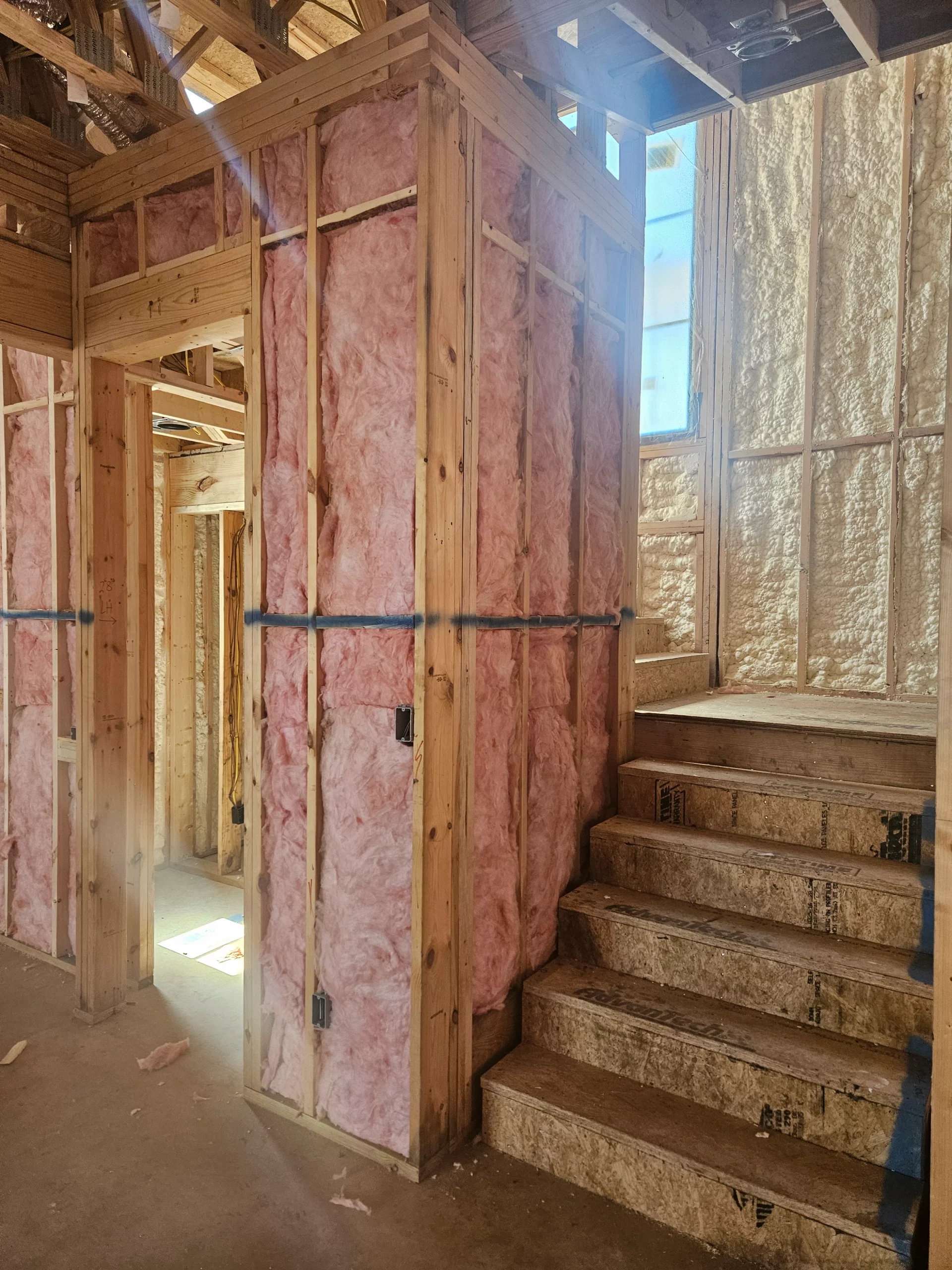
DIY insulation projects may seem like a smart way to cut costs, but the gap between saving money on labor and paying for long-term damage is wider than most homeowners realize. Improperly installed insulation can lead to health hazards, moisture problems, code violations, and energy savings that never materialize. The decision between tackling insulation yourself and hiring a professional depends on your project’s complexity, the insulation type, and your willingness to accept the risks that come with handling specialized materials. For spray foam, fiberglass, and dense-pack applications in particular, the advantages of working with an experienced insulation contractor typically outweigh the upfront savings of going it alone.
Insulation materials are not as harmless as they might appear from a distance. Fiberglass insulation, the most common type homeowners attempt to install themselves, can cause skin irritation, eye irritation, and respiratory tract irritation when fibers become airborne during handling and installation OSHA. Long-sleeved clothing, gloves, respiratory protection, and eye protection are essential, but most DIYers underestimate the level of protection required or skip it entirely for convenience.
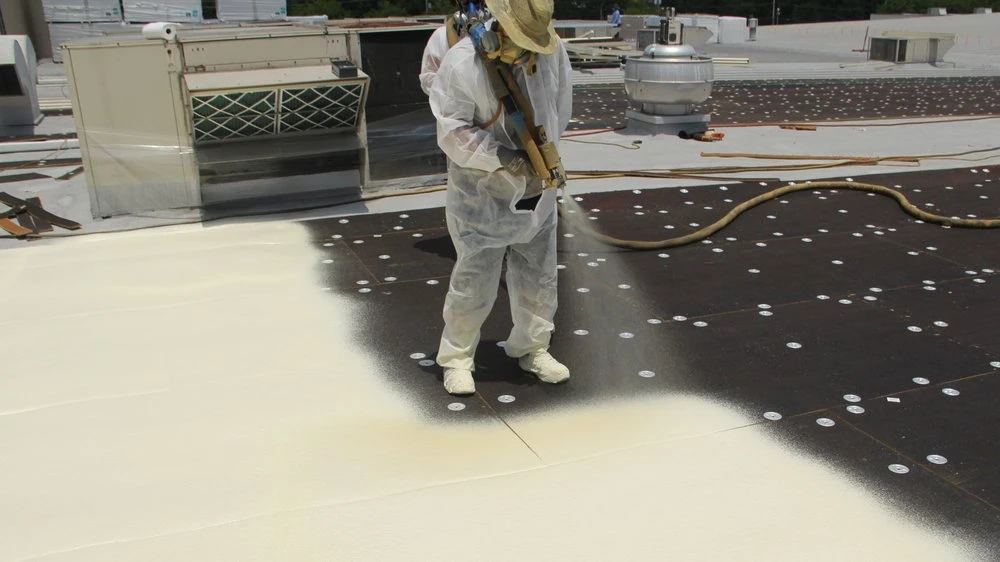
Spray foam insulation presents an even more serious concern. The EPA has documented that exposure to isocyanates, the reactive chemicals in spray polyurethane foam, can cause contact dermatitis, respiratory tract irritation, sensitization, and asthma EPA. For individuals who become sensitized, there is no recognized safe exposure level, meaning even trace amounts can trigger severe reactions. Professional spray foam applicators undergo medical surveillance, use full-body protective suits, powered air-purifying respirators, and follow strict ventilation protocols during and after application.
Older homes present additional dangers. Disturbing existing insulation during a DIY retrofit can release asbestos fibers, mold spores, and rodent droppings that have accumulated over decades. Professional contractors are trained to identify hazardous materials, handle removal safely, and dispose of contaminated insulation according to local regulations. Reviewing an insulation services overview can also help homeowners better understand safe insulation options for older properties.
Even when homeowners avoid health hazards, installation errors are extremely common. A survey of over 100 top production builders identified incorrect materials used (27%) and improper installation (22%) as the two biggest challenges when working with Insulation Institute. These are mistakes that even well-intentioned DIYers make routinely.
| Common Flaw | What Happens | Why It Matters |
|---|---|---|
| Unsealed gaps around windows and doors | Air leaks continue despite new insulation | Comfort problems and higher energy bills persist |
| Plate penetrations and chases are left open | Major air leakage paths remain unaddressed | Top plate-to-attic areas are the largest source of infiltration |
| Missing air barriers around tubs and showers | Moisture enters wall cavities | Mold growth and structural rot over time |
| Drywall not sealed to top plates | Air bypasses insulation entirely | Insulation cannot perform if air moves around it |
| Misaligned or compressed insulation | Reduced R-value and thermal performance | Gaps and compression cut effectiveness by 30% or more |
The pattern across all five flaws is the same: insulation only works when it is continuous, properly aligned with the air barrier, and installed at full thickness without compression. A homeowner stuffing batts into wall cavities, skipping air sealing steps, or choosing the wrong R-value for their climate zone is leaving money and comfort on the table.
Understanding where DIY makes sense and where it becomes a liability helps homeowners make better decisions. Some projects, like laying rolls of batt insulation in an open attic floor, are manageable for capable DIYers. Others, like spray foam application or dense-pack wall insulation, require professional equipment, training, and licensing.
| Factor | DIY Approach | Professional Contractor |
|---|---|---|
| Upfront cost | Lower (materials only) | Higher (materials + labor) |
| Energy savings achieved | Often 30-50% of potential due to errors | Closer to full potential when properly installed |
| Code compliance | Rarely verified | Inspected and guaranteed |
| Warranty coverage | None on labor | Typically 1-10 years on workmanship |
| Health and safety risk | High for spray foam and retrofit work | Managed through training and PPE |
| Access to rebates and tax credits | Limited (may not qualify without certification) | Full access with certified installation |
| Time to complete | Days to weeks for inexperienced homeowners | Hours to days for experienced crews |
| Long-term value | May require costly corrections | Protected by warranties and guarantees |
The financial case for insulation depends entirely on how well it is installed. According to ENERGY STAR, the EPA estimates that homeowners can save an average of 15% on heating and cooling costs (11% on total energy costs) by properly air sealing and adding insulation. In northern climate zones, total house savings can reach 16%, while southern zones see around 5-8%.
But these numbers assume correct installation. Compressed fiberglass batts, gaps around penetrations, and missing air barriers can reduce effective R-value by a significant margin. A wall cavity insulated to R-13 with compressed, poorly fitted batts might perform closer to R-7 or R-8, meaning the homeowner paid for performance they are not actually getting. Professional contractors use blower door tests, thermal imaging, and quality assurance inspections to verify that the installed insulation delivers the rated performance.
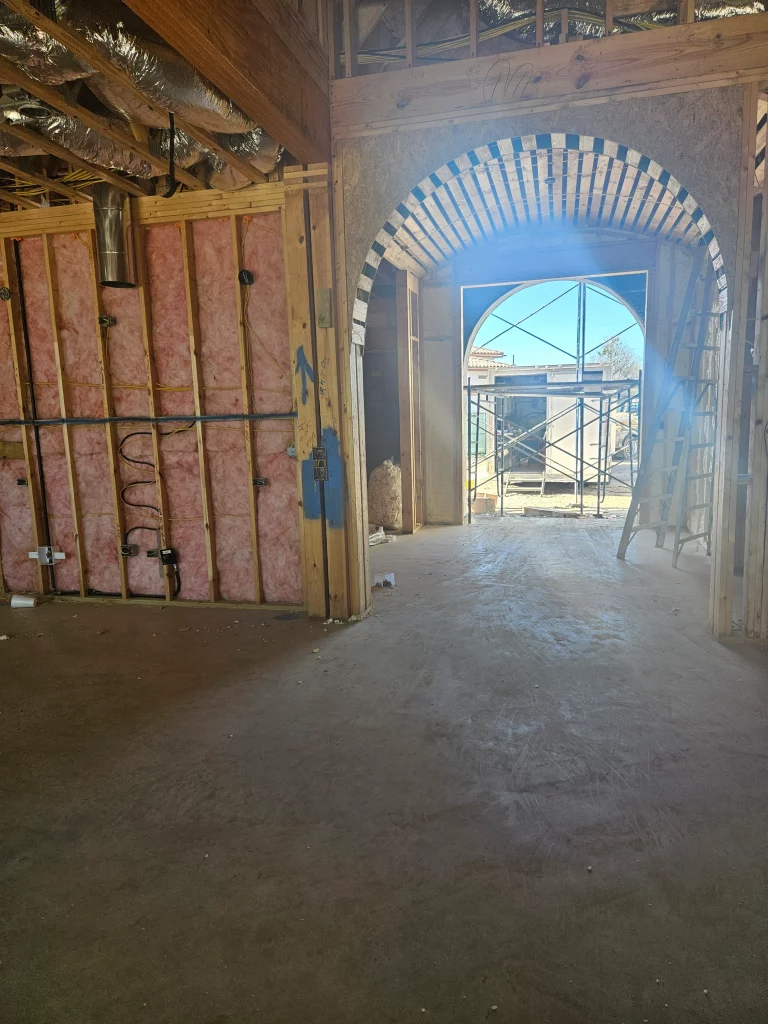
Not every insulation project requires a contractor. The right approach depends on the specific circumstances of your home and project.
Choosing the right contractor is just as important as deciding to hire one. Here are the qualities that separate reliable professionals from the rest:
A contractor who pressures you into a decision, cannot explain their process, or offers pricing that seems too good to be true, is a red flag. Quality insulation work is an investment in your home’s performance, comfort, and value, and the contractor you choose should treat it that way.
Spray Foam Tech brings years of professional insulation experience to every project, ensuring your home receives the energy efficiency, comfort, and safety benefits that only correct installation can deliver. Whether you need spray foam, retrofit insulation, or a full energy efficiency upgrade, our team handles the entire process from assessment to final inspection.
Call us at (737) 777-9590 or email oldworldtx@hotmail.com to discuss your project and get started with a team that gets it right the first time.
No. Spray foam contains isocyanates that the EPA identifies as a leading cause of work-related asthma. Professional applicators use full protective suits, powered respirators, and strict ventilation protocols that are not practical for homeowners to replicate.
The EPA estimates an average of 15% savings on heating and cooling costs with proper air sealing and insulation, though results range from 5% to 18% depending on your climate zone and the quality of installation.
Yes. Missing air barriers, unsealed penetrations, and misaligned insulation can allow warm, moist air to enter wall cavities and condense on cool surfaces, creating conditions for mold growth and wood rot.
Many federal, state, and utility rebate programs require installation by a certified contractor to qualify. DIY installations typically do not meet the documentation and certification requirements for these incentives.
Most professional installations are completed in one to two days for a typical home. DIY projects often take significantly longer due to the learning curve, equipment setup, and correction of mistakes along the way.