How Does Insulation Help Control Indoor Humidity in Georgetown, TX Homes?
Insulation can help control indoor humidity in Georgetown, TX, but insulation alone does not remove moisture from the air. The…


Mold keeps returning in Pflugerville, TX attics because the underlying moisture source is rarely addressed before remediation. The EPA states plainly that the best way to control mold growth is to control moisture, and Pflugerville’s humid subtropical climate creates exactly the conditions that feed recurring attic mold. Warm air from the living space rises, carries moisture into the attic, and condenses on cooler roof sheathing during winter months. When homeowners clean visible mold without fixing the moisture pathway and ventilation problems, mold simply regrows within weeks. Switching to mineral wool insulation is one of the most effective material-level upgrades because it is inorganic, does not provide a food source for mold, and maintains its thermal and structural properties even when exposed to incidental moisture. But mineral wool alone is not a complete solution. The right approach depends on combining better insulation materials with proper ventilation corrections, air sealing, and humidity management specific to the Pflugerville climate.
Pflugerville sits in the same humid subtropical climate zone as the greater Austin area, characterized by hot summers, mild winters, and moderate rainfall spread throughout the year. Average annual precipitation in the region is roughly 34 inches, with summer months regularly seeing afternoon thunderstorms and fall bringing some of the heaviest rainfall. The National Weather Service station data for Austin Camp Mabry shows average daily highs reaching the upper 90s in July and August, with overnight lows staying in the mid-70s during summer months.
This combination of heat and humidity is what drives attic mold problems. When outdoor air is warm and saturated with moisture, and indoor air-conditioned spaces are kept cooler, a pressure differential pushes warm humid air upward into the attic through gaps around light fixtures, plumbing penetrations, and attic hatches. The moisture in that air condenses on surfaces that drop below the dew point, primarily the underside of roof decking.
The WHO Guidelines for Indoor Air Quality: Dampness and Mould identifies persistent dampness and microbial growth on interior surfaces and in building structures as the primary driver of adverse health effects from indoor environments. For Pflugerville homeowners, this means the attic is not just a storage space. It is an active moisture management zone that directly affects indoor air quality throughout the home.
Most homeowners who deal with recurring attic mold follow the same cycle: spot the dark patches, spray bleach or call a cleaner, wipe it down, and move on. Within a few months, the mold is back, often worse than before. Here is why that happens:
Moisture source is never identified. The EPA warns that if you clean up mold but do not fix the water problem, the mold problem will most likely come back. Attic moisture is usually not a single-source issue. It comes from a combination of air leaks, condensation, and ventilation failures.
Exhaust fans vent into the attic. Bathroom fans, kitchen range hoods, and dryer vents that terminate in the attic rather than exhausting to the exterior pump warm, moisture-laden air directly into the attic space. This is one of the fastest ways to create a mold-friendly environment.
Inadequate or blocked ventilation. Soffit vents blocked by insulation, missing ridge vents, or insufficient net free vent area prevent the attic from properly exhausting moisture. In a humid climate, this means moisture that enters the attic has no way to escape.
Insulation that traps moisture. Fiberglass batts, the most common attic insulation in older Pflugerville homes, can absorb and hold moisture against wood sheathing. When fiberglass gets damp, it loses R-value and creates a persistent damp zone where mold thrives. Cellulose insulation, another common choice, is organic and contains paper fibers that serve as an actual food source for mold.
Mineral wool is a fibrous insulation material formed by spinning or drawing molten rock or slag into fine fibers. According to Wikipedia, it is also known as stone wool, mineral cotton, or man-made mineral fiber, and it has been used in building insulation for decades. Unlike fiberglass, which is made from glass, or cellulose, which is made from recycled paper, mineral wool is created from natural basalt rock and recycled slag from steel manufacturing.
This inorganic composition is what gives mineral wool its mold resistance. Mold requires an organic food source to colonize and grow. Mineral wool simply does not provide one. Even if mineral wool gets wet from a leak or condensation event, mold will not feed on the fibers. The material can be dried out and will retain its structural integrity and thermal performance.
| Property | Mineral Wool (Stone Wool) | Fiberglass | Cellulose |
|---|---|---|---|
| Material composition | Inorganic rock/slag fibers | Inorganic glass fibers | Organic paper fibers |
| Mold food source | No | No | Yes |
| Moisture retention | Low, drains and dries | Moderate, can hold moisture | High, absorbs and holds water |
| Fire resistance | Withstands up to 850 C | Withstands up to 260 C | Treated, but combustible |
| Sound absorption | Excellent (dense fibers) | Moderate | Moderate |
| R-value per inch | 3.0 to 3.3 | 2.2 to 2.7 | 3.1 to 3.8 |
Beyond mold resistance, mineral wool brings two additional benefits that matter in Pflugerville homes. First, its fire resistance is considerably higher than fiberglass. Stone wool can withstand temperatures up to 700 to 850 degrees Celsius, making it a meaningful passive fire protection measure. Second, its dense fiber structure makes it an effective sound absorber, reducing noise transfer through ceilings.
Mineral wool addresses the insulation material portion of the problem, but it is not a standalone fix. The ORNL research on attic performance in hot and humid climates confirms that both conventional ventilated attics and unvented attics face condensation risks when moisture is not actively managed. Their field studies across the southern United States showed that condensation around ductwork and on roof sheathing is a recurring problem when HVAC systems run long cooling cycles that lower attic surface temperatures while humid air remains present.
A complete mold prevention strategy for a Pflugerville attic should include these elements:
Air seal the attic floor. Use caulk, foam, or rigid board to seal around recessed lights, plumbing stacks, electrical wire penetrations, and the attic hatch. This stops warm moist air from the living space from entering the attic in the first place.
Redirect exhaust vents. Ensure all bathroom fans, kitchen hoods, and dryer vents exhaust directly to the exterior through the roof or sidewall, never into the attic cavity.
Clear and balance ventilation. Verify that soffit vents are not blocked by insulation. Install baffles to maintain an air channel between the soffit and attic space. Confirm that the ratio of intake to exhaust ventilation meets current building code requirements.
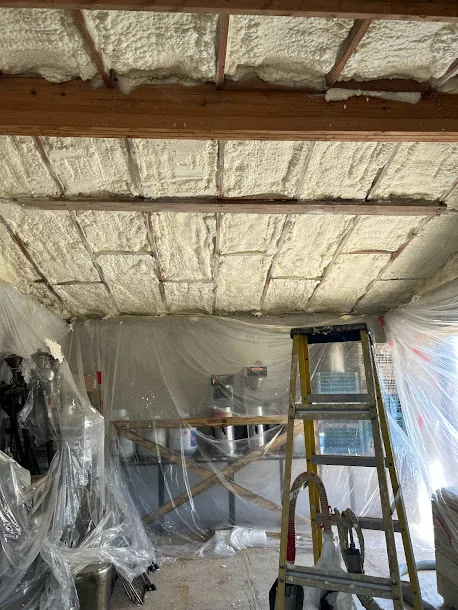
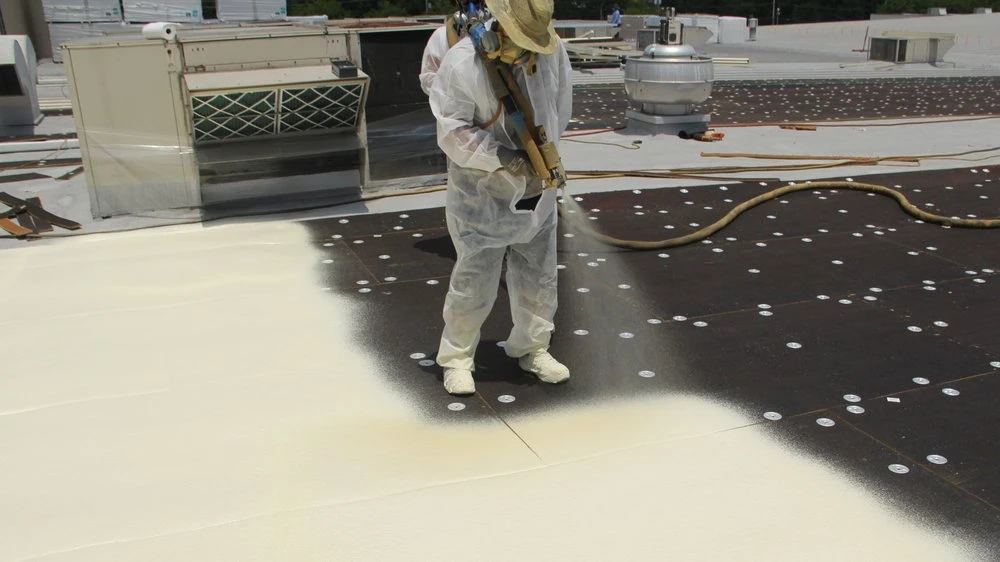
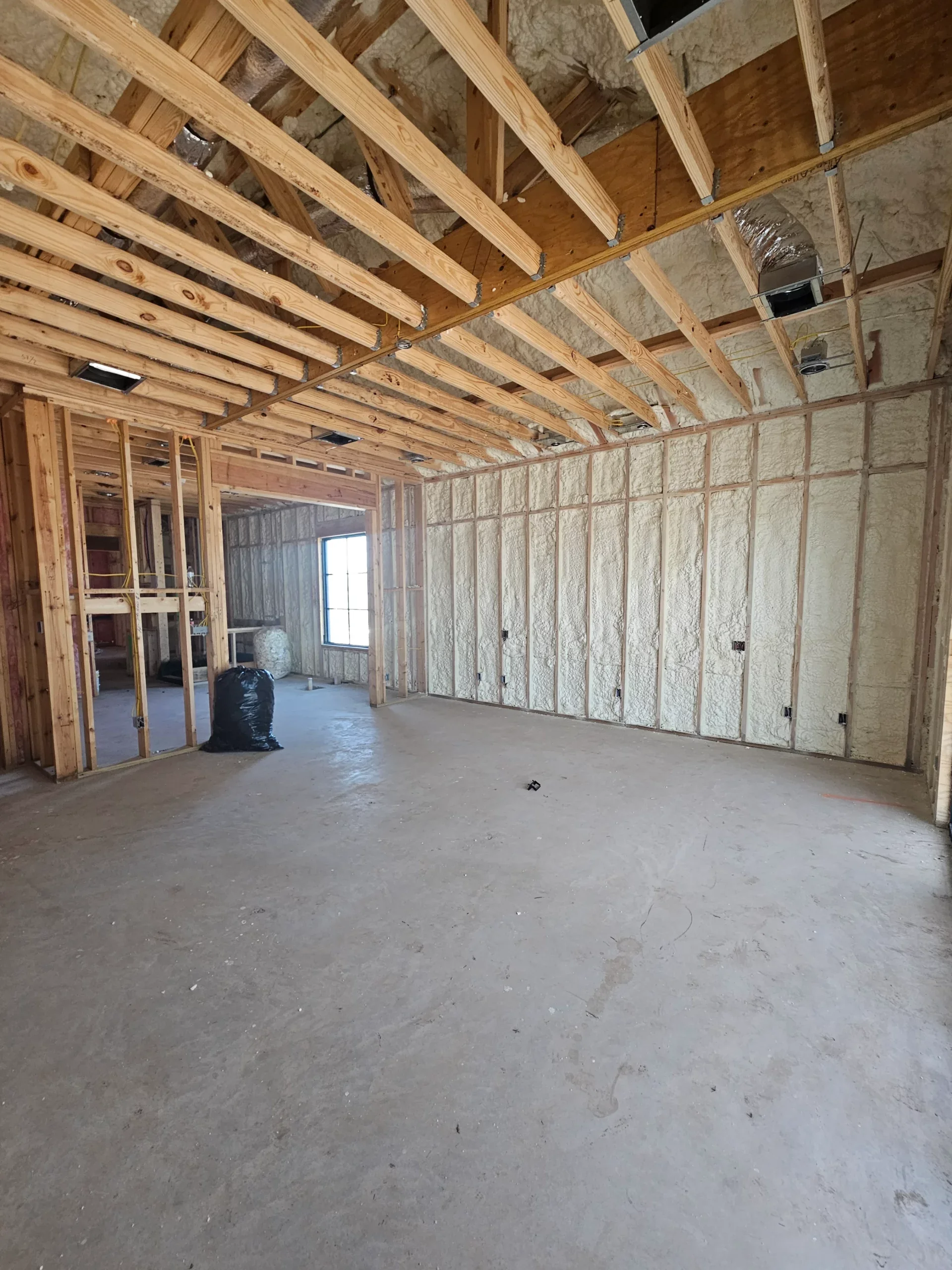
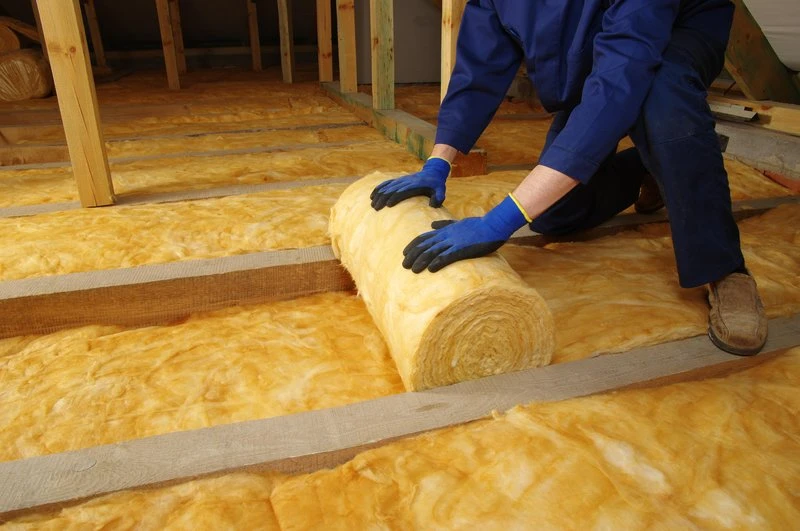
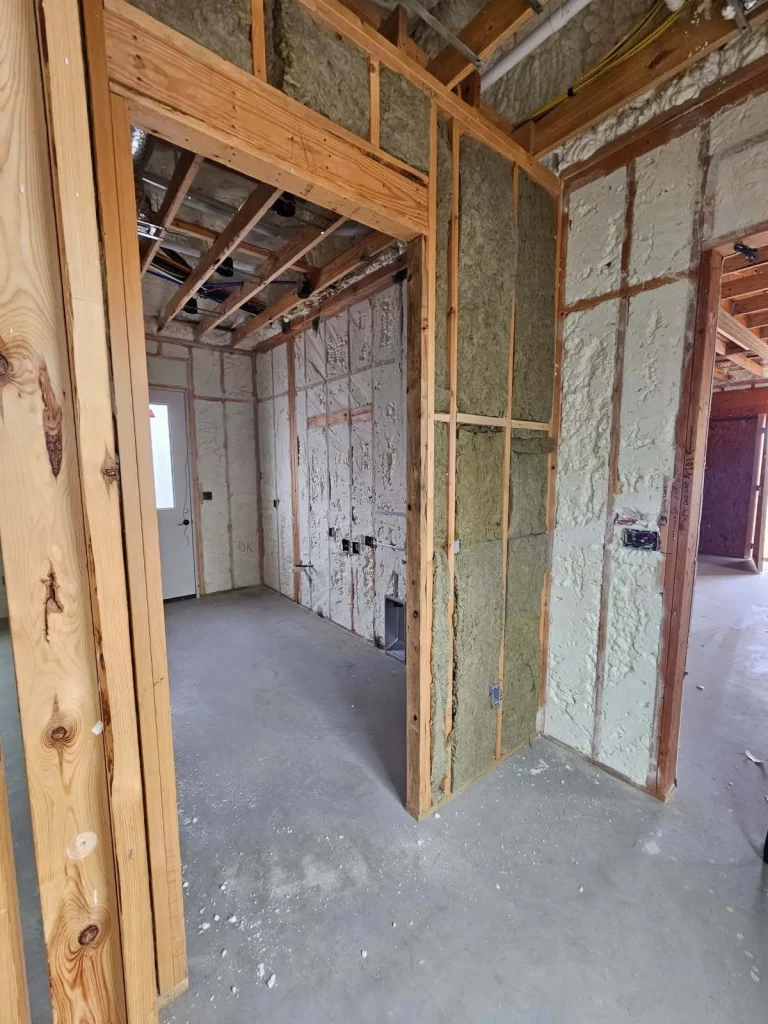
Replace or supplement insulation with mineral wool. Mineral wool batts or rigid boards installed at the attic floor plane create an inorganic, mold-resistant thermal barrier. For homes considering unvented attic assemblies, spray foam applied to the roof deck combined with mineral wool at the floor can provide both air sealing and thermal performance.
Manage indoor humidity. The EPA recommends keeping indoor relative humidity between 30 and 50 percent. In Pflugerville’s humid climate, this often requires dehumidification during spring and fall when air conditioning alone may not run enough to remove sufficient moisture.
| Situation | Recommended Approach | Key Notes |
|---|---|---|
| Older home with recurring mold and fiberglass insulation | Remove compromised fiberglass, air seal attic floor, install mineral wool batts, correct ventilation | Address moisture pathways first, then upgrade material |
| New construction or major renovation | Plan sealed attic assembly with spray foam at roof deck and mineral wool at attic floor | Work with insulation contractor during framing stage |
| Home with HVAC ducts in the attic | Consider moving ducts into conditioned space, or seal and insulate with mineral wool to reduce condensation risk | Duct leakage in attics is a major moisture contributor |
| Visible mold covering more than 10 square feet | Hire professional mold remediation before any insulation work, then address moisture sources | EPA recommends professional remediation for areas over 10 square feet |
| Mild, recurring mold with no visible leaks | Focus on air sealing, ventilation correction, and humidity management before replacing insulation | Small mold patches often indicate systemic moisture movement, not leaks |
If mold keeps returning in your Pflugerville attic, our team at Spray Foam Tech can identify the moisture sources and recommend the right combination of insulation, air sealing, and ventilation corrections for your home. We specialize in spray foam and mineral wool insulation systems designed for hot and humid Central Texas climates, and we take the time to diagnose the full picture before recommending any material. Reach out to us at (737) 777-9590 or email oldworldtx@hotmail.com to discuss your situation.
No. Mineral wool is resistant to mold growth because it is inorganic, but mold can still grow on wood sheathing, framing, and other organic surfaces if moisture is present. The material must be part of a broader moisture control strategy.
In most cases, no. Mineral wool does not degrade, lose its shape, or support mold growth when wet. If a leak or condensation event occurs, the material can typically be dried in place once the moisture source is fixed.
Existing mold on wood surfaces should be remediated before new insulation is installed. Installing mineral wool over active mold growth traps the moisture and mold spores against the building structure, which can worsen the problem.
Spray foam provides superior air sealing and can create an unvented attic assembly when applied to the roof deck. Mineral wool is an excellent floor-insulation choice and is often used alongside spray foam. The right approach depends on the attic configuration and budget.
During cooler months, the roof sheathing temperature drops closer to the dew point of the warm, moist air rising from the living space. This causes condensation on the wood surface, which is exactly what mold needs to colonize and grow.