Spray Foam Roofing vs. Acrylic Roof Coating in Georgetown, TX: Key Differences Explained
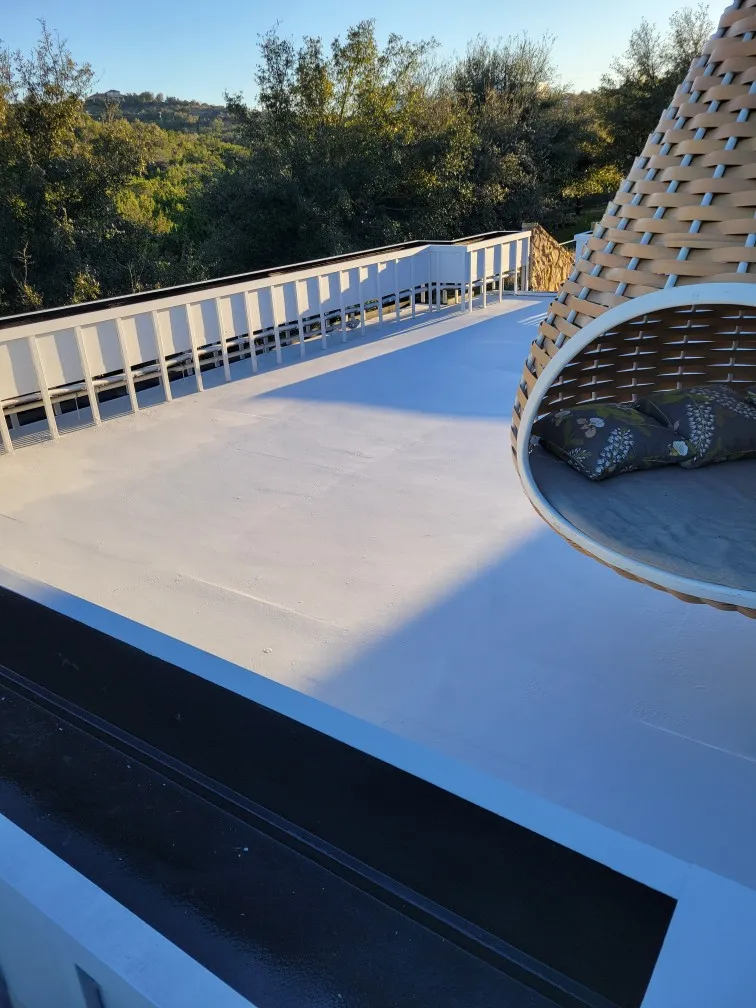
Spray foam roofing and acrylic roof coating both protect flat and low-slope roofs in Georgetown, TX, but they solve different…


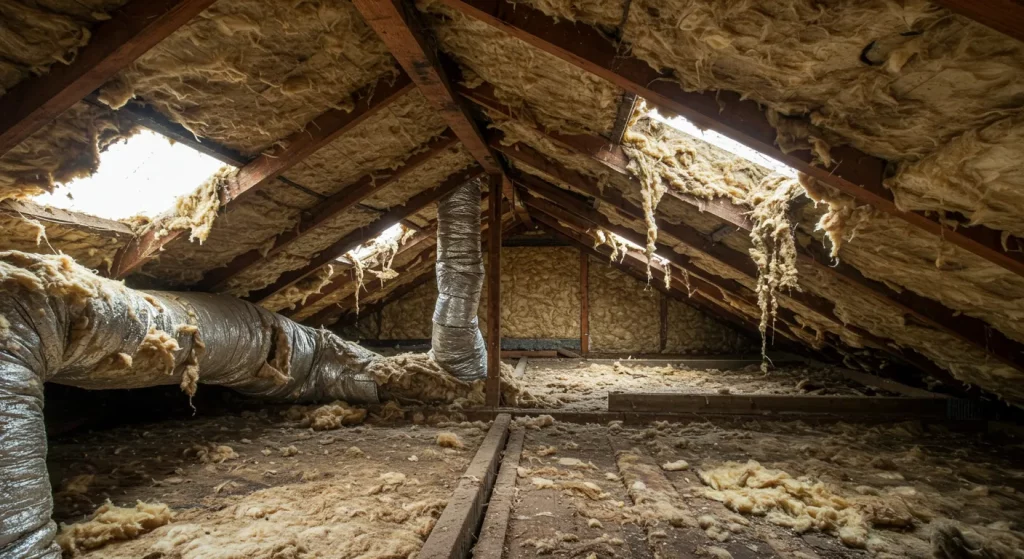
If you have ever felt a cold draft near a window in January, watched your energy bill climb through the roof during a summer heatwave, or noticed uneven temperatures from room to room, you have experienced the symptoms of poor insulation firsthand. Most homes in the United States were built with insulation standards that no longer match today’s energy demands, and the result is wasted money, reduced comfort, and unnecessary wear on HVAC systems. Spray foam insulation has become one of the most effective solutions to these problems, but it is also one of the most misunderstood. This guide is our attempt to change that.
Over the years working in insulation, we have seen firsthand what happens when spray foam is installed correctly, and what happens when it is not. We wrote this guide to give you a clear, honest, and complete picture of residential spray foam insulation, from the chemistry that makes it work to the building science that governs where it belongs. Whether you are building a new home, retrofitting an older one, or simply trying to decide if spray foam is worth the investment for your situation, this resource covers everything you need to know.
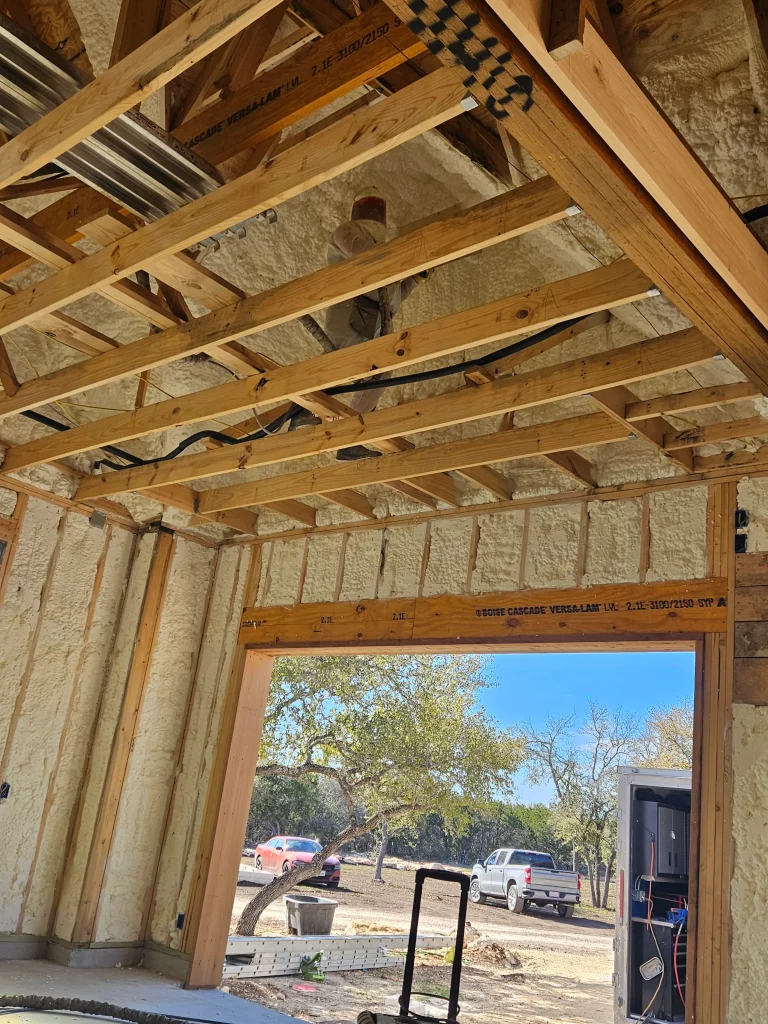
Spray foam insulation is a chemical product, spray polyurethane foam (SPF), that is mixed and applied on site as a liquid. When the two chemical components, known as Side A (isocyanates) and Side B (a polyol resin blend containing catalysts, flame retardants, and blowing agents), meet at the tip of a spray gun, they react immediately. The mixture expands at up to 30 to 60 times its original liquid volume and hardens into a continuous, solid layer of foam that conforms to every crack, gap, and irregular surface it touches.
What separates spray foam from traditional insulation materials like fiberglass batts or blown cellulose is its ability to serve as multiple control layers at once. According to the Building Science Corporation residential spray foam guide, spray foam provides “continuity of the water control, air control, vapor control and thermal control layers necessary for environmental separation.” Most other insulation types can only manage thermal resistance. Spray foam seals air leaks, resists moisture diffusion, and slows heat transfer in a single application.
This combination of properties is what gives spray foam its reputation for high performance. It does not just sit in a wall cavity and slow down heat. It actively creates an air barrier that prevents conditioned air from escaping and unconditioned air from entering. That air sealing alone is responsible for a significant portion of the energy savings homeowners see.
Key Takeaways: The Science Behind Spray Foam
R-value is the standard measure of an insulation material’s resistance to heat flow. The higher the R-value, the better the material resists conductive heat transfer. As described by the U.S. Department of Energy, the R-value depends on the type of insulation, its thickness, and its density. When calculating the R-value for a multilayered installation, you add the R-values of each layer.
This matters because not all insulation materials deliver the same R-value per inch. Spray foam insulation stands out for packing more thermal resistance into less space compared to many alternatives. This is especially useful in areas where cavity depth is limited, like 2×4 framing walls.
The Department of Energy also notes that the overall effectiveness of insulation depends heavily on proper installation. Insulation that is compressed, has gaps, or does not fill the cavity will not deliver its rated R-value. Spray foam’s expansion properties help address this by filling voids that would be difficult to reach with batts or blown-in materials.
The energy-saving potential of adding insulation and air sealing to a home is well documented by government agencies and building scientists. The EPA, through the ENERGY STAR program, estimates that homeowners can save an average of 15% on heating and cooling costs, or about 11% on total energy costs, by air sealing their homes and adding insulation in attics, floors over crawl spaces, and basements. The Department of Energy puts that figure even higher, noting that proper insulation upgrades can save up to 20% on heating and cooling costs.
Perhaps the most striking statistic comes from the ENERGY STAR Seal and Insulate program: nine out of ten homes in the United States are under-insulated. That means the vast majority of homeowners are losing energy, money, and comfort every single day without realizing it. Spray foam insulation is particularly effective at addressing this problem because it combines high R-value insulation with air sealing in a single step, tackling the two biggest sources of energy waste simultaneously.
Key Takeaways: Energy Savings Potential
Not all spray foam is the same. Understanding the distinction between open-cell and closed-cell foam is one of the most important things you can do before making insulation decisions for your home. Both have legitimate uses, but they perform very differently and are suited to different applications.
Open-cell spray foam is a low-density foam (approximately 0.5 pounds per cubic foot). During expansion, the tiny gas bubbles within the foam burst open, creating a sponge-like structure filled with air. This gives open-cell foam a soft, flexible texture once cured.
Key characteristics of open-cell spray foam:
Open-cell foam works well in interior walls, ceiling cavities, and attics in warmer climates. Because it allows moisture vapor to pass through, it is generally not recommended for below-grade applications like basements or crawl space floors where moisture is a concern.
Closed-cell spray foam is a high-density foam (approximately 2 pounds per cubic foot). The gas bubbles remain intact during and after curing, creating a rigid, solid structure with cells filled with a blowing agent rather than air.
Key characteristics of closed cell spray foam:
Closed cell foam is the go-to choice for basements, crawl spaces, metal buildings, and exterior applications where moisture control and higher R-value in thin spaces are priorities. According to Building Science Corporation, in IECC Climate Zones 5 and higher, closed cell spray foam is preferred for walls and attics because it provides additional condensation control that open cell cannot offer in cold climates.
| Characteristic | Open Cell Foam | Closed Cell Foam |
|---|---|---|
| R-value per inch | R-3.5 to R-3.9 | R-6.0 to R-7.0 |
| Density | ~0.5 lb/cu ft | ~2.0 lb/cu ft |
| Vapor retarder | No (vapor permeable) | Yes, at ~1.5 inches thick |
| Expansion rate | High (fills cavities quickly) | Moderate |
| Sound dampening | Excellent | Good |
| Moisture resistance | Low (absorbs water) | High (resists water) |
| Structural strength | None | Adds rigidity |
| Best for | Interior walls, attics (warm climates), sound control | Basements, crawl spaces, cold climates, exterior walls |
| Thickness needed in 2×4 wall for R-13 | ~3.5 inches (fills cavity) | ~2 inches |
Expert Tip: When choosing between open cell and closed cell, do not just look at R-value per inch. Consider the full picture, including moisture conditions in your area, the depth of your framing cavities, and whether you need vapor control. In humid climates or below-grade applications, closed cell is almost always the right call, even if open cell technically provides enough R-value.
One of the advantages of spray foam is its versatility. It can be applied in nearly every part of a home’s building envelope. However, where you use it and which type you choose matter a great deal.
Attics are one of the most common and impactful locations for spray foam insulation. There are two fundamentally different approaches, each with different requirements.
Unvented conditioned attics involve spraying foam directly to the underside of the roof deck. This approach brings the attic into the conditioned space of the home, which is especially beneficial in warm climates where HVAC ductwork and equipment are located in the attic. Both open-cell and closed-cell spray foam work for this application in most climates, though Building Science Corporation recommends only closed-cell in IECC Climate Zones 5 and higher for condensation control.
Vented unconditioned attics use spray foam differently. Here, the focus is on creating an airtight seal at the ceiling plane. High-density closed-cell spray foam is typically applied around the perimeter and at all penetrations to create what Building Science Corporation describes as an “airtight bathtub” that is then filled with fiberglass or cellulose insulation. This approach is common in cold climates where basements house mechanical equipment.
Expert Tip: If your HVAC system and ductwork are located in your attic, moving to an unvented conditioned attic with spray foam on the roof deck can eliminate one of the largest sources of energy waste in your home. Ducts sitting in a 130-degree attic in summer are working against you before any air even reaches your rooms.
In wall cavities, spray foam can be used as the sole cavity insulation or as part of a hybrid system. When used alone, open-cell or closed-cell foam fills the entire stud bay. In hybrid configurations, a layer of closed-cell spray foam is applied against the exterior sheathing to provide air and vapor control, with fiberglass or cellulose filling the remaining cavity depth.
The hybrid approach can be more cost-effective while still delivering the air sealing benefits that make spray foam valuable. For new construction in particular, this approach allows you to meet code-required R-values while keeping material costs manageable.
Below-grade applications are where closed-cell spray foam really separates itself from open-cell. Building Science Corporation recommends that high-density closed-cell spray foam be used on the interior of concrete basement foundation walls in cold climates (IECC Climate Zones 5 and higher). Open cell should never be used under basement floor slabs.
For crawl spaces, the approach depends on whether the space is vented or conditioned. Vented crawl spaces require closed-cell spray foam on the floor framing to keep humid outside air from reaching the wood structure. Conditioned crawl spaces are treated like mini basements, sealed and connected to the home’s conditioned space with foam applied to the walls.
Expert Tip: If you have a vented crawl space, consider converting it to a conditioned crawl space with spray foam on the walls. Conditioned crawl spaces are more energy efficient and reduce moisture problems significantly compared to vented designs. Just make sure your site is not prone to flooding or high water tables.
The rim joist area, where the floor framing meets the exterior wall, is one of the most problematic spots for air leakage and insulation in any home. These areas are difficult to insulate properly with batts because of the irregular framing and multiple penetrations for plumbing and electrical. Spray foam excels here because it expands to seal around every obstruction.
Closed-cell foam is the standard choice for rim joists because it provides both the R-value needed and the vapor resistance required at this boundary between conditioned and unconditioned space.
| Area | Recommended Foam Type | Why It Works Here |
|---|---|---|
| Attic roof deck (unvented) | Open or closed cell | Creates a conditioned attic, protects ductwork |
| Attic ceiling plane (vented) | Closed cell (air seal layer) | Seals penetrations, works with blown-in fill |
| Exterior walls | Open or closed cell | Fills cavities, seals air leaks |
| Basement walls | Closed cell only | Vapor retarder needed, moisture resistance |
| Crawl space walls | Closed cell only | Moisture control, structural sealing |
| Crawl space floor framing | Closed cell only | Prevents moisture from reaching wood |
| Rim joists / band joists | Closed cell | Seals irregular framing, vapor resistance |
| Interior partition walls | Open cell | Sound dampening, cost effective |
Spray foam is not the only insulation option available to homeowners, and in some cases, it may not be the most practical choice for every single area of a home. Understanding how it compares to other common insulation materials helps you make informed decisions about where spray foam provides the most value.
Fiberglass batts are the most widely used insulation material in residential construction. They are inexpensive, easy to install in standard stud cavities, and readily available. However, fiberglass has several weaknesses that spray foam addresses directly.
Fiberglass batts do not seal air leaks. If there is a gap between the batt and the framing, air moves through it freely. Fiberglass also loses R-value when compressed or when moisture accumulates. Spray foam, on the other hand, expands to fill every gap, creating an airtight seal that fiberglass cannot match.
Blown cellulose insulation is made from recycled paper products treated with fire retardants. It provides good coverage in attic floors and wall cavities when installed at the correct density. Cellulose has an R-value of approximately R-3.1 to R-3.8 per inch, which is comparable to open cell spray foam.
Cellulose does not create an air barrier, though. It settles over time, potentially leaving gaps at the top of wall cavities. It can also absorb moisture, which reduces its effectiveness and can promote mold growth. Spray foam maintains its shape and R-value over time without settling and provides air sealing that cellulose cannot.
Rigid foam boards, such as extruded polystyrene (XPS) and polyisocyanurate (polyiso), offer high R-values per inch and are often used as continuous exterior insulation. They are effective at reducing thermal bridging through framing members.
However, rigid foam boards require careful sealing at all joints and penetrations to create an effective air barrier. They are also limited to flat or gently curved surfaces and cannot fill irregular cavities. Spray foam adheres to any surface, fills odd-shaped spaces, and creates a monolithic layer without seams.
| Material | R-value per Inch | Air Sealing | Moisture Resistance | Best Application |
|---|---|---|---|---|
| Closed-cell spray foam | R-6.0 to R-7.0 | Excellent | High | Walls, basements, crawl spaces, rim joists |
| Open cell spray foam | R-3.5 to R-3.9 | Excellent | Low | Interior walls, attics, sound control |
| Fiberglass batts | R-2.9 to R-3.8 | None | Low | Standard wall cavities, attics |
| Blown cellulose | R-3.1 to R-3.8 | Minimal | Low to moderate | Attic floors, existing wall cavities |
| Rigid foam board | R-3.8 to R-6.5 | Requires sealing | Moderate to high | Continuous exterior insulation |
Expert Tip: The most effective insulation strategy is often a combination of materials. We frequently use spray foam for air sealing and moisture control in combination with fiberglass or cellulose for cavity fill. This hybrid approach gives you the performance benefits of spray foam where they matter most while managing overall project costs.
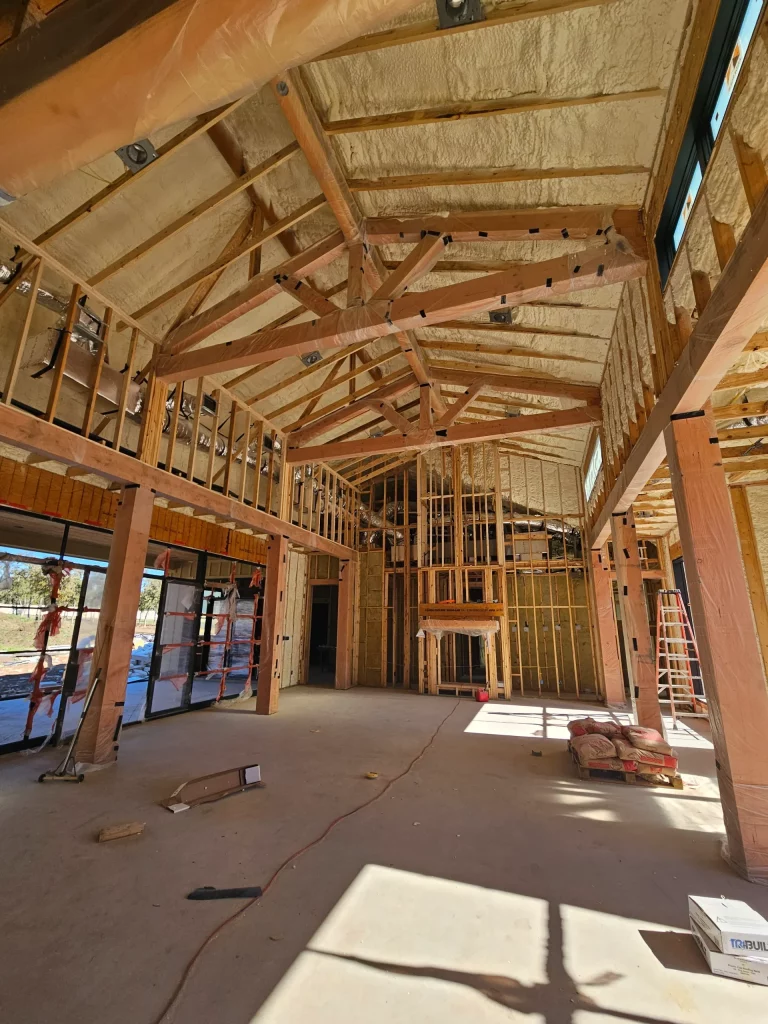
Spray foam insulation is not a do-it-yourself project. It requires specialized equipment, training, and safety precautions. Understanding the installation process helps you know what to look for when hiring a professional and what to expect on the day of the job.
Before any foam is sprayed, several steps need to happen:
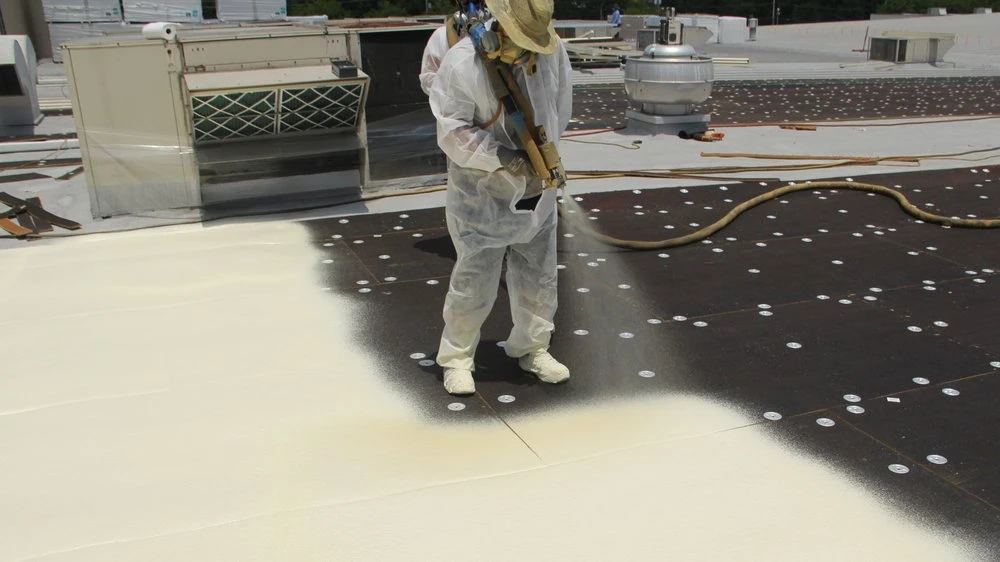
During application, the two chemical components are heated and pumped through separate hoses to a spray gun, where they mix and are sprayed onto the target surface. The installer controls the pattern and thickness, building up layers to achieve the specified depth. For wall cavities, the foam is typically sprayed to fill the entire bay. For roof decks or other large surfaces, the installer works in passes until the target thickness is reached.
The foam expands rapidly upon contact and begins curing within minutes. Full cure time varies depending on the product, temperature, and humidity, but most residential spray foam products reach handling strength within hours and full cure within 24 to 72 hours.
After the foam has cured, excess material may be trimmed flush with framing members. An ignition barrier or thermal barrier, typically half-inch gypsum board, must be installed over exposed spray foam in occupied spaces to meet building code fire safety requirements. For attic applications, code requirements vary, and a qualified installer should be familiar with local requirements.
Expert Tip: Ask your installer if they perform a blower door test before and after installation. A blower door test measures the air tightness of your home and can quantify the actual reduction in air leakage achieved by the spray foam application. This gives you real data on the improvement rather than just estimates.
This is a topic that deserves honest attention. Spray foam insulation involves chemicals that carry real health risks during installation and, to a lesser extent, during the curing process. Understanding these risks helps you protect your family and make informed decisions.
The EPA’s page on health concerns about spray polyurethane foam identifies two primary areas of concern.
Side A chemicals (isocyanates) are the more serious concern. Exposure to isocyanates can cause skin, eye, and lung irritation, asthma, and a condition called sensitization, where a person becomes allergic to isocyanates and may experience severe reactions even at very low exposure levels. The EPA notes that isocyanates have been reported to be a leading chemical cause of work-related asthma. There is no recognized safe exposure level for sensitized individuals.
Side B chemicals (polyol blend) contain catalysts, flame retardants, blowing agents, and surfactants that vary by manufacturer. Some of these components, such as certain amine catalysts, can cause blurry vision and skin irritation. Some flame retardants have been identified as persistent, bioaccumulative, or toxic.
Once spray foam has fully cured, which typically takes 24 to 72 hours depending on the product and conditions, it is considered chemically inert. Properly cured spray foam does not off-gas isocyanates at levels that pose health risks to building occupants. This is why re-occupancy times and proper ventilation during curing are so important.
After years in the field, we have seen spray foam projects go beautifully, and we have seen projects that caused more problems than they solved. Most of the failures come down to a handful of recurring mistakes.
This is perhaps the most damaging error. Spray foam is an air barrier and, in the case of closed-cell foam, a vapor retarder. If there is an active water leak or moisture source behind the foam, the foam traps that moisture against the building materials, creating conditions for rot and mold. All moisture issues must be identified and resolved before any foam is applied.
Spraying open-cell foam in a basement or crawl space where moisture is present can lead to water absorption and reduced insulation performance. Using an open cell in a cold climate attic where condensation control is needed can result in moisture accumulation within the roof assembly. Always match the foam type to the specific application and climate zone.
Spray foam only achieves its rated performance at the correct installed thickness. Spraying less than the minimum required depth means you are not getting the R-value you paid for, and in some cases, the foam may not function as a proper air or vapor barrier. Closed-cell foam needs to reach approximately 1.5 inches to act as a Class II vapor retarder.
Spray foam is an excellent air barrier, but only where it is actually applied. If the foam is sprayed in wall cavities but the joints at sill plates, double studs, window framing, and other transitions are not sealed, air can still move through those gaps. A continuous air barrier requires attention to every transition and penetration in the building envelope.
When spray foam creates a very tight building envelope, controlled mechanical ventilation becomes more important, not less. Without fresh air exchange, indoor air quality can suffer from the buildup of pollutants, humidity, and carbon dioxide. Many building codes now require mechanical ventilation systems in homes with low air leakage rates, and for good reason.
Deciding whether spray foam insulation is worth the investment requires looking at both direct energy savings and indirect benefits. The direct savings come from reduced heating and cooling costs. With the EPA’s estimate of 15% savings on heating and cooling from air sealing and insulation combined, a home spending $2,000 annually on HVAC could realistically save around $300 per year.
Beyond direct energy savings, spray foam delivers value in several ways that are harder to quantify but very real:
Expert Tip: If you are considering spray foam for an existing home, start with a professional home energy audit. This will identify exactly where your home is losing energy and help prioritize which areas will deliver the greatest return. Insulating a poorly sealed attic with ductwork in it, for example, will almost always deliver a faster payback than insulating an already-decent wall assembly.
Spray foam insulation is one of the most versatile and high-performing insulation options available for residential construction. It delivers thermal resistance, air sealing, and moisture control in a single application, addressing multiple building envelope functions at once. The choice between open cell and closed cell foam depends on your climate zone, the specific application area, and the moisture conditions you need to manage.
The most effective approach is rarely an all-or-nothing decision. In many homes, a combination of spray foam for air sealing and moisture control in critical areas, paired with other insulation types for bulk fill, delivers the best balance of performance and value. The key is understanding your home’s specific needs, matching the right materials to the right locations, and working with experienced professionals who understand building science.
Use this guide as a reference as you evaluate your insulation options. Whether you are planning a new build, a major renovation, or targeted upgrades to specific areas of your home, the principles covered here apply. Better insulation is one of the few home improvements that pays dividends every single month through lower energy bills and greater comfort.
Deciding on the right insulation solution for your home involves many factors, from climate zone and building design to budget and long-term goals. Our team at Spray Foam Tech has the experience to help you evaluate your options and make the right choice for your specific situation. Whether you have questions about spray foam types, want a professional assessment of your home’s insulation needs, or are ready to schedule an installation, we are here to help. Reach out to us at oldworldtx@hotmail.com or call (737) 777-9590 to get started with a consultation.
Spray foam insulation, once properly installed and cured, is designed to last the lifetime of the building. It does not settle, degrade, or lose its R-value over time, the way fiberglass batts or blown cellulose can. The foam bonds to the substrate and maintains its structure and insulating properties indefinitely.
Yes, spray foam can be installed in existing homes, though the approach depends on the area. For attics, walls, and crawl spaces, installers can access cavities and surfaces and apply foam without major demolition. Wall applications in finished homes may require small holes drilled through the exterior or interior to inject foam into the cavities.
It depends on the foam type and application. Closed cell spray foam acts as a Class II vapor retarder when installed at approximately 1.5 inches or more of thickness, so an additional vapor barrier is typically not needed. Open cell foam does not block vapor diffusion, so according to the Building Science Corporation, in some climate zones and assemblies, an additional vapor retarder may be required on the warm side of the insulation.
Most manufacturers and installers recommend waiting at least 24 hours after the application is complete before re-occupying the home. This allows the foam to cure and any chemical vapors to dissipate. The exact re-occupancy time depends on the specific product, the amount applied, the ventilation provided, and your installer’s guidance.
No spray foam is fireproof. However, building codes require that spray foam be covered with an approved thermal barrier, such as half-inch gypsum board, in occupied spaces. This thermal barrier delays the foam’s exposure to fire and gives building occupants time to evacuate. Some spray foam products include fire retardant chemicals that slow the burning rate of the foam itself.
Open cell spray foam is particularly effective at reducing sound transmission due to its porous, sponge-like structure that absorbs sound waves. While it is not a replacement for dedicated soundproofing construction, open cell foam in interior walls can noticeably reduce noise transfer between rooms and from outside. Closed cell foam also provides some sound reduction, though less than open cell.