What Insulation R-Value Do Homeowners Need for Different Areas of a House?
The insulation R-value your home needs depends on two things: where the home insulation is installed and which Department of…


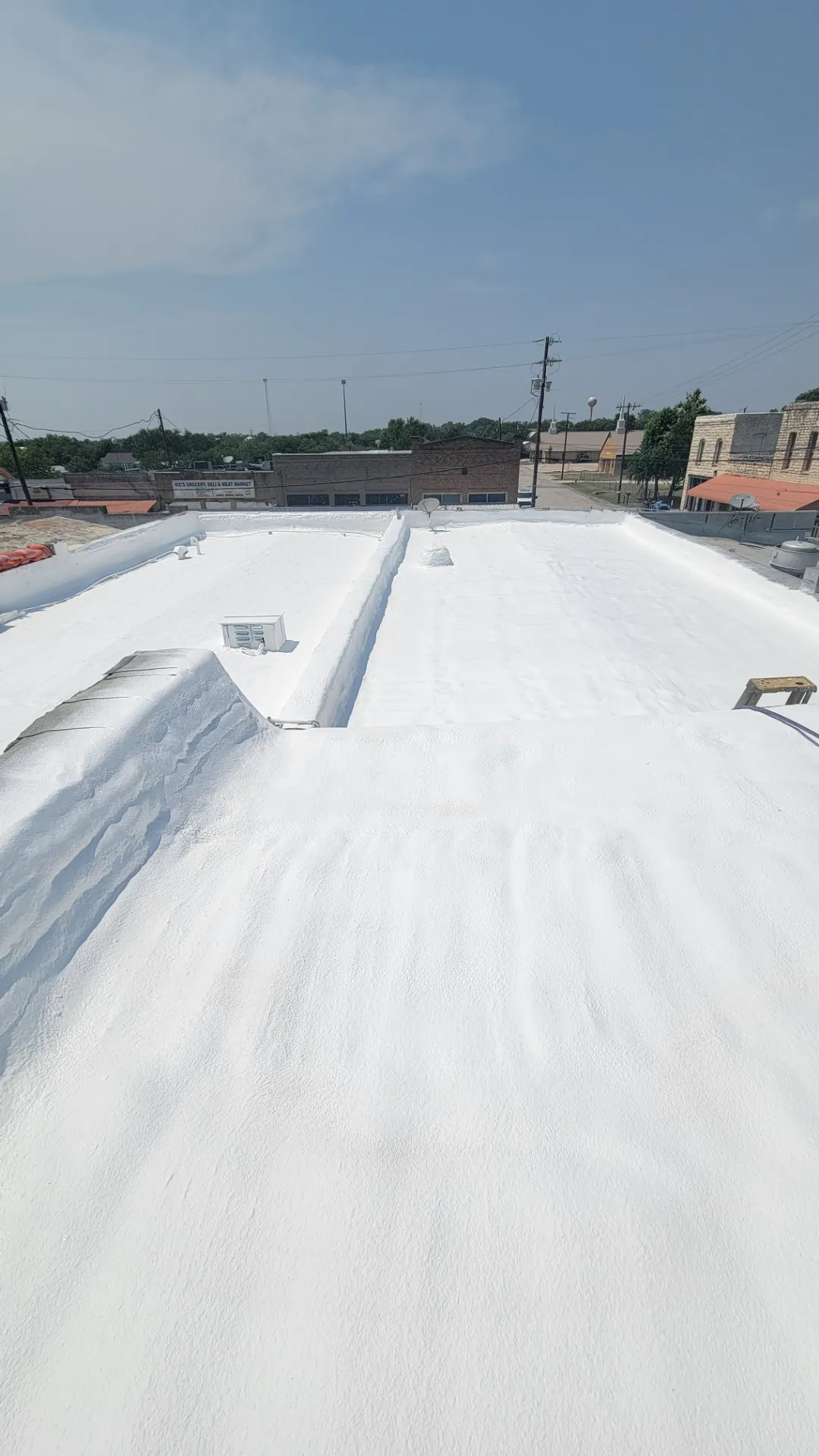
For most commercial and industrial flat or low-slope roofs, silicone coating is the stronger long-term choice when the property deals with ponding water, extreme UV exposure, or harsh weather. Elastomeric (acrylic) coating is the better short-term value when the roof has good drainage, a tight budget, and needs a fast, breathable protective layer. The right pick depends on roof condition, climate, drainage quality, and how long you need the coating to last before the next reapplication.
Both products are liquid-applied membranes that cure into seamless, waterproof barriers over existing roof substrates. According to the Roof Coatings Manufacturers Association, roof coatings are formulated with high-quality resins that maintain elastic properties throughout their life cycle, allowing them to bridge small cracks and membrane seams. The most common coating types in the industry include acrylic (often marketed as elastomeric), asphalt, polyurethane, and silicone, each serving different performance needs.
Elastomeric roof coatings are typically acrylic-based, waterborne products applied as a liquid that cures into a flexible, rubber-like membrane. The term “elastomeric” refers to the coating’s ability to stretch and recover as the roof expands and contracts with temperature swings. These coatings bond directly to substrates like single-ply membranes, modified bitumen, built-up roofing (BUR), metal, and spray polyurethane foam.
Key characteristics include:
According to the EPA, liquid-applied roof coatings with light or cool colors are one of the primary product technologies for low-slope cool roofs, helping reduce cooling demand by 11 to 27% in air-conditioned buildings.
Silicone roof coating solutions are solvent-based, high-solids products that cure into a thick, durable membrane with exceptional resistance to water, UV radiation, and temperature extremes. Unlike elastomeric acrylics, silicone does not degrade or blister when exposed to standing water for extended periods.
Key characteristics include:
| Factor | Elastomeric (Acrylic) Coating | Silicone Coating |
|---|---|---|
| Base chemistry | Waterborne acrylic | Solvent-based silicone |
| Ponding water tolerance | Moderate, can blister if water stands too long | Excellent, engineered for prolonged ponding |
| UV resistance | Good, may chalk over time | Excellent, maintains reflectivity longer |
| Breathability | High, allows vapor transmission | Low, forms a non-permeable barrier |
| Adhesion to substrates | Good, may need primer on some surfaces | Excellent, primer often unnecessary |
| Recoat compatibility | Easy to clean and recoat | Difficult, requires compatible silicone product |
| Solids content | Lower, requires more coats | Higher, fewer coats needed |
| Dirt and biological resistance | Moderate, requires periodic cleaning | High, sheds dirt and resists mold growth |
| Tear-off reduction | Extends roof life, avoids landfill waste | Extends roof life, avoids landfill waste |
| Cool roof eligibility | Yes, high solar reflectance | Yes, high solar reflectance |
Both products serve the same fundamental purpose described by the RCMA: extending the useful service life of roof assemblies, preventing water and UV damage, and reducing the 2.5 billion square feet of roof material that enters landfills each year.
The ENERGY STAR program notes that cool roofs work best and save more energy in hot, sunny climates on buildings with low levels of roof insulation, which is exactly where silicone’s UV stability and ponding resistance deliver the most value.
| Scenario | Property Type | Roof Condition | Recommended Coating | Why |
|---|---|---|---|---|
| Warehouse with poor drainage | Commercial industrial | Flat roof, ponding areas after rain | Silicone | Handles standing water without blistering; fewer maintenance visits |
| Retail strip mall | Commercial retail | Well-drained metal roof, no ponding | Elastomeric | Lower upfront cost, easy to recoat, breathable on metal |
| Hospital in hot climate | Healthcare facility | Low-slope, high UV exposure | Silicone | Long service life reduces disruption; superior UV resistance |
| Office building with SPF roof | Commercial office | Spray foam substrate, good drainage | Elastomeric | Breathable membrane protects foam; accepts future topcoats |
| Distribution center, moderate climate | Industrial warehouse | Modified bitumen, minor ponding | Silicone | Extends bitumen life even with occasional standing water |
Several variables determine which coating will deliver the best return on investment:
Roof coating is a great fit for:
Roof coating is NOT a good fit for:
Choosing between elastomeric and silicone coating is not a decision that should be made based on a brochure or a quick online search. Every roof has unique conditions, substrate types, drainage patterns, and exposure levels that determine which product will perform best and deliver the strongest return on investment.
At Spray Foam Tech, our team evaluates your roof’s current condition, identifies problem areas, and recommends the coating system that matches your building’s specific needs. We handle everything from substrate preparation and repairs through final application, making sure the coating bonds correctly and delivers the performance you expect.
Ready to protect your roof and lower your energy costs? Contact us today.
Call us at (737) 777-9590 or email oldworldtx@hotmail.com to get started. We will assess your roof at no obligation and help you choose the right coating system with confidence.
In most cases, no. Silicone creates a non-porous surface that does not accept new coatings easily. Recoating over silicone requires a compatible silicone-specific product and careful surface preparation.
Elastomeric coatings typically last 10 to 15 years with proper maintenance. Silicone coatings can last 15 to 20 years or longer, especially when applied at the correct thickness and on well-prepared substrates.
Yes, both elastomeric and silicone white coatings can meet cool roof standards for solar reflectance and thermal emittance. Check the Cool Roof Rating Council directory to verify specific product ratings.
Silicone is the clear winner for ponding water resistance. Elastomeric coatings can blister or lose adhesion when water sits on the surface for extended periods, while silicone maintains its bond and integrity.
No. Both coatings require dry conditions and moderate temperatures for proper application and curing. Applying in high humidity, rain, or extreme heat can compromise adhesion and performance.