Spray Foam Roofing vs. Acrylic Roof Coating in Georgetown, TX: Key Differences Explained
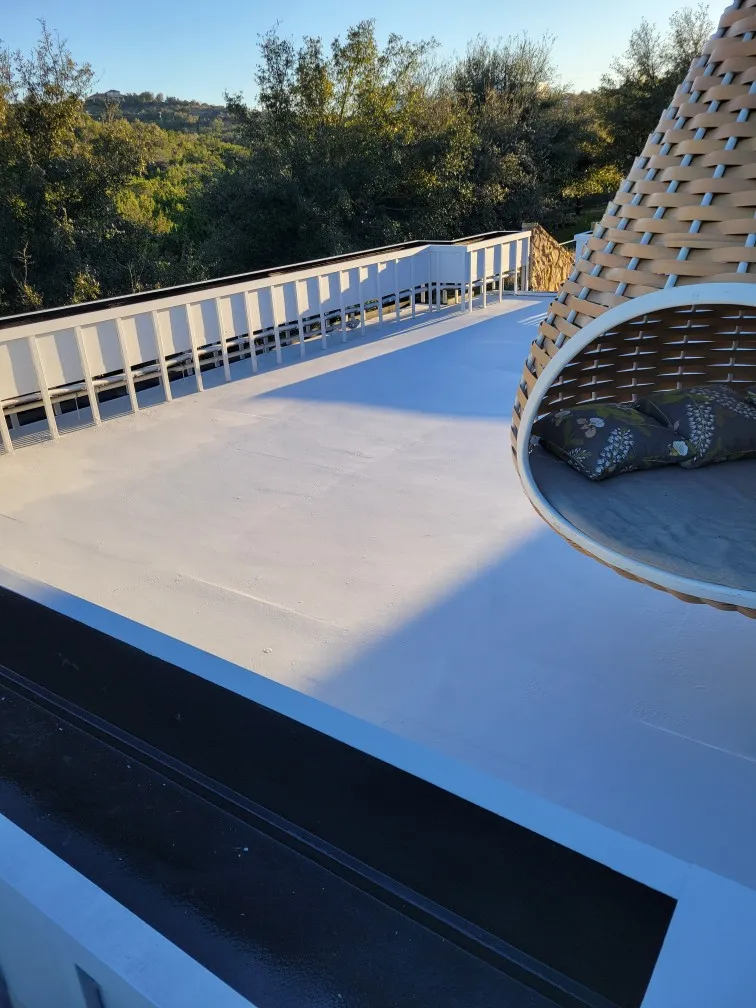
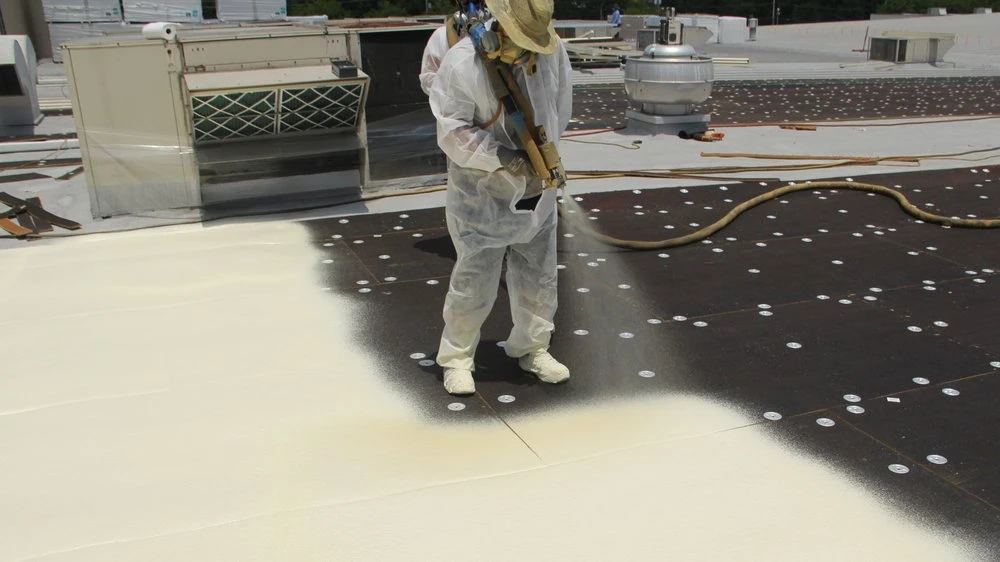
Spray foam roofing and acrylic roof coating both protect flat and low-slope roofs in Georgetown, TX, but they solve different…


If your Leander, TX home or commercial space suffers from unpredictable utility bills, uneven temperatures from room to room, or persistent drafts near windows and doors, the building envelope is likely failing. Most Leander properties sit in IECC Climate Zone 2, where attic insulation should meet at least R-38 to R-49 for adequate thermal performance, yet many older homes were built with far less. Addressing these deficiencies through proper insulation and air sealing can reduce energy waste by 10% to 20% or more annually, according to ENERGY STAR.
The most straightforward indicator of an energy-inefficient space is a utility bill that keeps rising even when your usage habits stay the same. In Leander, where summer temperatures regularly exceed 100 degrees Fahrenheit, an underinsulated attic allows heat to pour in, forcing your HVAC system to run longer and harder. According to the Department of Energy’s Energy Saver program, heat loss through floors, ceilings, and walls can be substantial when insulation levels fall below recommended minimums.
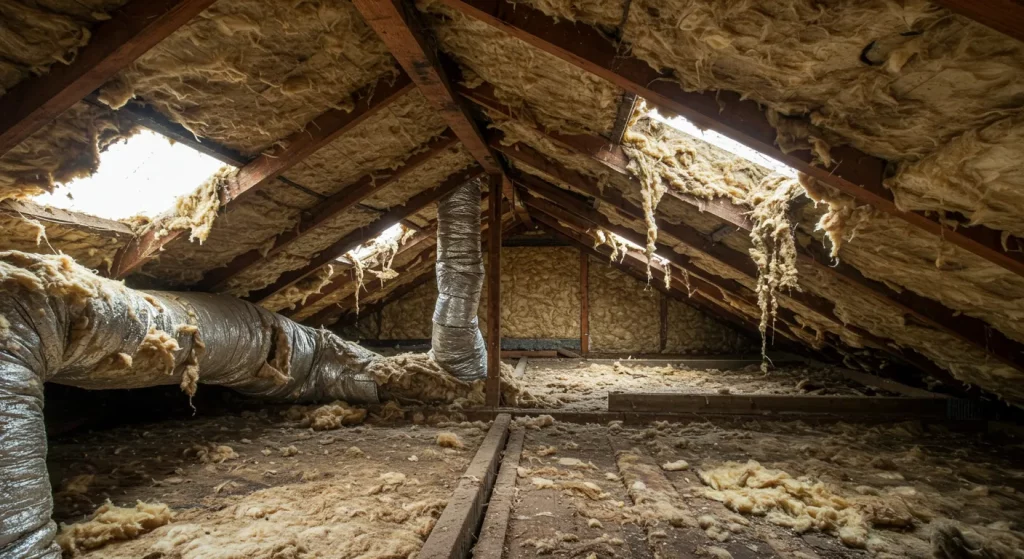
Many homes built in Leander before 2000 were insulated to older, less demanding standards. If your attic currently has only 3 to 4 inches of insulation (roughly R-11 to R-19), you are well below the ENERGY STAR recommendation of R-38 to R-49 for Climate Zone 2. That gap between what you have and what you need translates directly into dollars wasted every month.
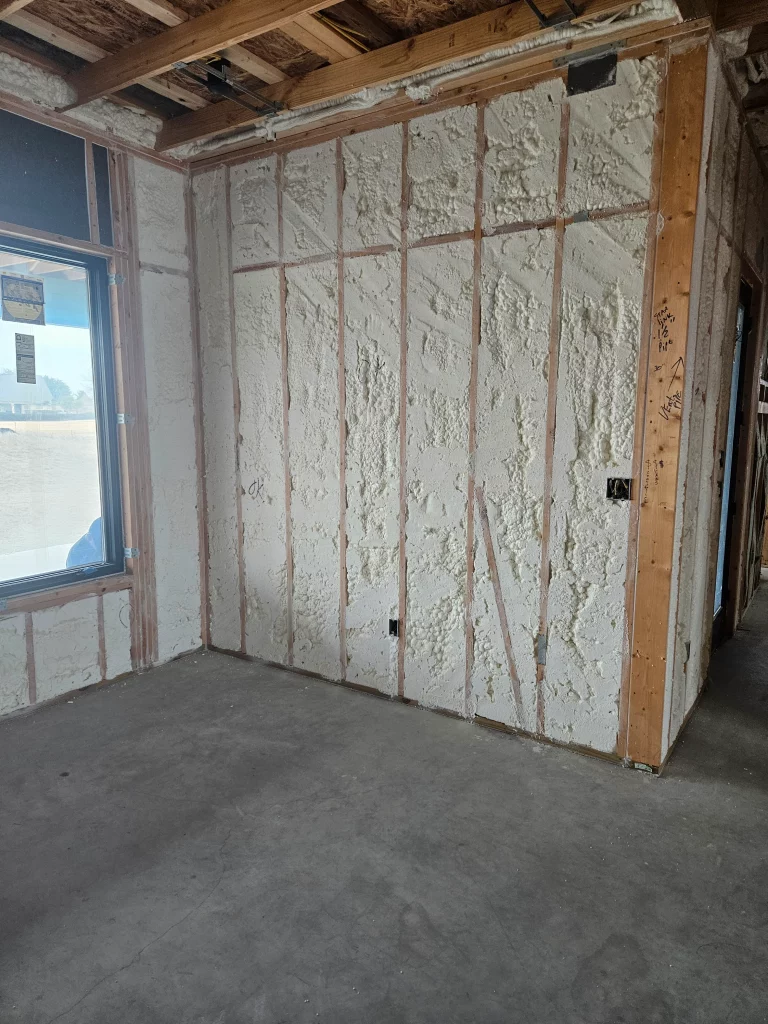
How to fix it: Start by measuring the depth of your existing attic insulation. If it falls below 10 to 14 inches of fiberglass batt or blown-in material, you need an upgrade. Closed-cell spray foam installation process at the attic floor or roofline provides both the required R-value and an air barrier in a single step, eliminating the need for separate air sealing.
When one bedroom feels comfortable, but the room directly above the garage stays five to ten degrees warmer in summer, the problem is almost always insufficient insulation and air sealing. Uneven temperatures occur because conditioned air escapes through unsealed penetrations while outdoor air infiltrates through gaps in the building envelope. The DOE’s Building America Climate-Specific Guidance notes that each climate zone has specific insulation and air sealing requirements, and failing to meet them leads directly to comfort complaints.
Common weak points in Leander homes include attic knee walls, bonus rooms over garages, and cantilevered floor sections. These areas are notoriously under-insulated during original construction and create thermal bridges that allow heat transfer unchecked.
How to fix it: Have a professional inspect your attic and wall cavities with a thermal camera to identify exactly where temperature inconsistencies originate. Spray foam insulation applied to rim joists, knee walls, and hard-to-reach framing cavities eliminates the air gaps that fiberglass and cellulose leave behind.
If you can feel air movement near window frames, baseboards, electrical outlets, or recessed light fixtures, your building envelope is leaking conditioned air to the outside. The DOE’s guide on detecting air leaks explains that drafts are often most noticeable on windy days and around areas where two different building materials meet, such as where siding meets a window frame or where a foundation meets a wood-framed wall.
In a typical Leander home, the cumulative effect of dozens of small leaks adds up fast. Gaps around plumbing penetrations, unsealed top plates in wall framing, and poorly fitted attic hatches all contribute to what building scientists call “air infiltration.” Each individual gap might seem minor, but together they can account for a significant percentage of your total heating and cooling load.
How to fix it: Walk through your space on a windy day with a lit incense stick or a thermal leak detector. Note every location where smoke wavers or where you feel temperature differences. Seal electrical outlet gaskets, apply caulk around window and door trim, and use expanding spray foam around plumbing and electrical penetrations. For a comprehensive solution, professional spray foam application seals these gaps as part of the insulation installation.
When your air conditioning or heating system cycles continuously but never seems to reach the thermostat setting, the equipment is fighting a losing battle against heat gain or heat loss through the building envelope. This not only drives up energy costs but also shortens the lifespan of your HVAC equipment by increasing wear and tear.
Texas properties must meet the state energy code requirements tracked by the Building Energy Codes Program, which mandate specific insulation R-values, air leakage limits, and duct sealing standards. When these requirements are not met, whether due to age, construction shortcuts, or settling insulation, the HVAC system compensates by working harder.
How to fix it: Have your ductwork inspected for leaks and inadequate insulation, especially if any ducts run through unconditioned attic or crawlspace areas. Insulate ducts to at least R-6 and seal all connections with duct mastic. Then address the building envelope itself by upgrading insulation in the attic to the full recommended R-value for Climate Zone 2 and air sealing all penetrations between conditioned and unconditioned spaces.
While ice dams are more commonly associated with northern climates, Leander homeowners can still experience a related problem: attics that reach 140 degrees or more in summer, radiating heat directly into the living space below. This happens when inadequate insulation allows the sun’s heat to penetrate the roof deck and transfer into the attic, while poor ventilation fails to exhaust that heat. In winter months, the same lack of insulation allows indoor heat to escape through the attic, warming the roof deck unevenly and potentially contributing to moisture problems.
The root cause is the same in both seasons: the attic floor (or roofline, in a cathedral ceiling) lacks sufficient thermal resistance to separate the conditioned living space from the unconditioned attic.
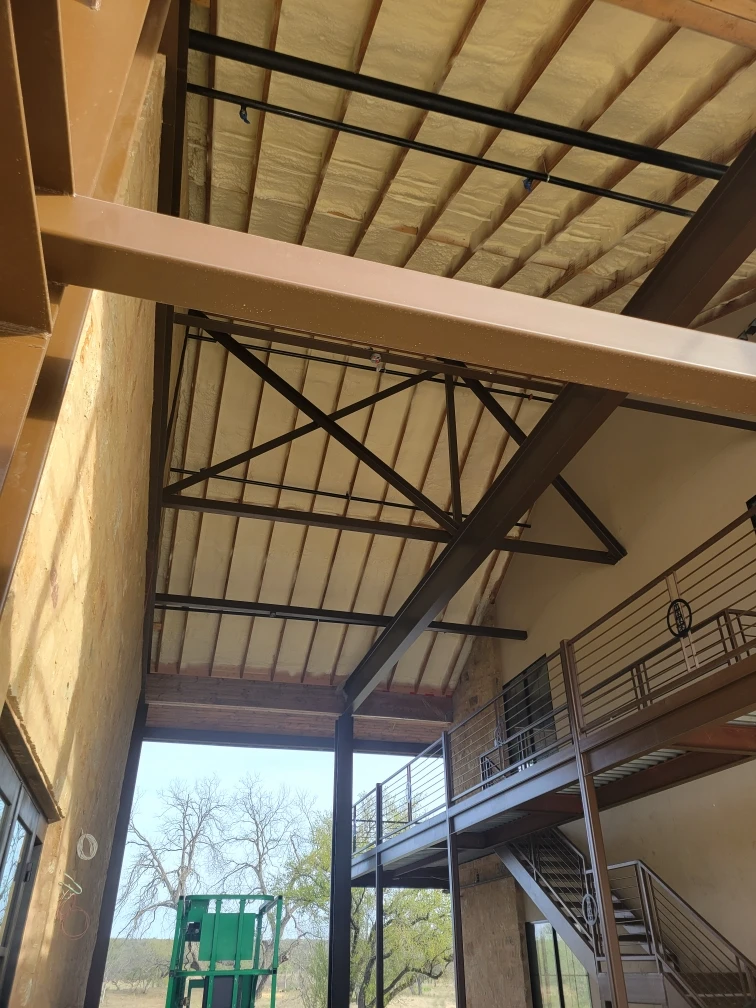
How to fix it: Bring your attic insulation up to at least R-38 for existing homes with 3 to 4 inches of current insulation, or R-49 if the attic is uninsulated. For cathedral ceilings and flat roofs, applying closed-cell spray foam directly to the underside of the roof deck creates an insulated, sealed attic that keeps extreme temperatures out and conditioned air in.
| Insulation Type | R-Value per Inch | Air Barrier | Moisture Barrier | Best Application |
|---|---|---|---|---|
| Closed-Cell Spray Foam | R-6.0 to R-7.0 | Yes | Yes | Attic roofline, walls, crawlspaces |
| Open-Cell Spray Foam | R-3.5 to R-3.7 | Yes | No | Wall cavities, sound dampening |
| Fiberglass Batts | R-2.9 to R-3.8 | No | No | Standard wall cavities, floors |
| Blown-In Cellulose | R-3.1 to R-3.8 | No | No | Attic floors, existing wall cavities |
| Rigid Foam Board | R-3.8 to R-6.5 | Varies | Varies | Continuous exterior insulation |
| Scenario | Property Type | Problem | Solution | Outcome |
|---|---|---|---|---|
| Master bedroom over garage | 2,000 sq ft home built 2005 | Room 8 degrees warmer in summer, HVAC running nonstop | Closed-cell foam on garage ceiling and knee walls | Temperature normalized, 18% cooling cost reduction |
| Vaulted ceiling living room | 1998 ranch-style home | Excessive heat gain through cathedral ceiling, stained drywall | 3 inches closed-cell foam applied to roofline | Eliminated heat radiation, no more ceiling stains |
| Older home with blown-in insulation | 1990 two-story home | Utility bills $180 above neighborhood average | Air sealed top plates, supplemented with spray foam in attic | Bills dropped to match comparable homes |
| Drafty office space | Leander commercial unit | Employee complaints about comfort near exterior walls | Open-cell foam in wall cavities, closed-cell at rim joist | Drafts eliminated, consistent temperature throughout |
| Renovated attic space | Converted attic bedroom | Unbearable in summer, freezing in winter | Full roofline spray foam encapsulation | Year-round comfort, HVAC no longer overworked |
Several variables determine how well your insulation performs in the Leander climate:
Spray Foam Tech specializes in identifying and correcting energy efficiency issues in Leander homes and commercial spaces. Our team evaluates your building envelope, recommends the right insulation solution for your specific situation, and installs it to the highest standards. Whether you are dealing with high utility bills, uncomfortable temperature swings, or persistent drafts, we have the experience to deliver lasting results.
Contact us today to get started. Reach out at (737) 777-9590 or email oldworldtx@hotmail.com to schedule your on-site assessment.
Check your attic insulation depth. Leander is in Climate Zone 2, which requires a minimum of R-38 for attics with existing insulation and R-49 for uninsulated attics. If your insulation is less than 10 inches deep, you likely fall short of current standards.
Yes, spray foam can be installed over existing fiberglass in many cases, but the approach depends on the application area and condition of the existing material. A professional assessment will determine the best method for your specific situation.
Savings vary based on your current insulation levels, the size of your space, and your HVAC equipment, but the Department of Energy estimates that reducing air leaks alone can save 10% to 20% annually on heating and cooling costs.
In Leander’s hot, humid Climate Zone 2, the combination of high R-value and air sealing that spray foam provides is especially effective at reducing cooling costs and preventing moisture-related issues like mold and wood rot.
Most residential projects in Leander are completed in one to two days, depending on the size of the space and the areas being insulated. Larger commercial projects may take additional time.