Spray Foam Roofing vs. Acrylic Roof Coating in Georgetown, TX: Key Differences Explained
Spray foam roofing and acrylic roof coating both protect flat and low-slope roofs in Georgetown, TX, but they solve different…


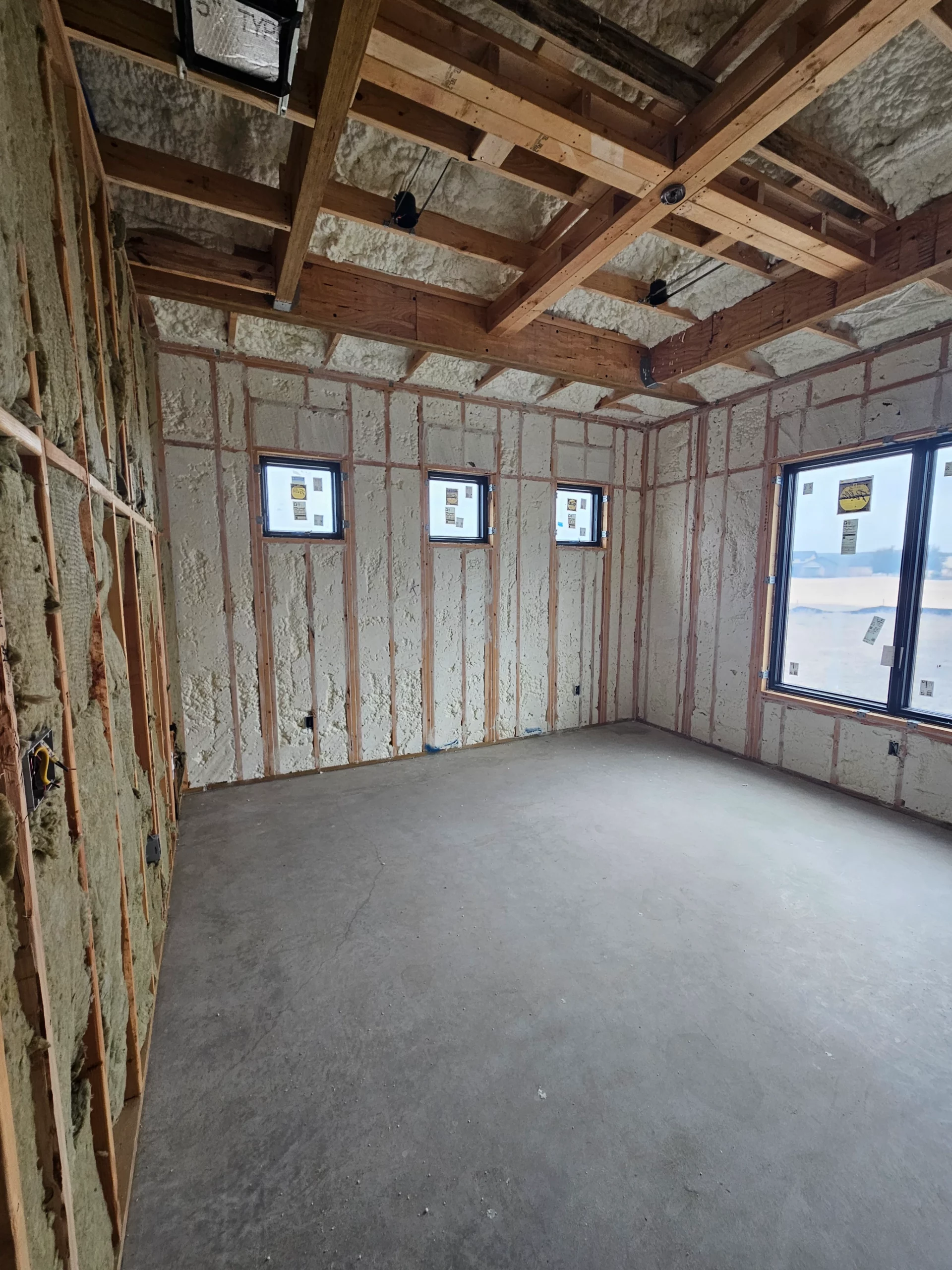
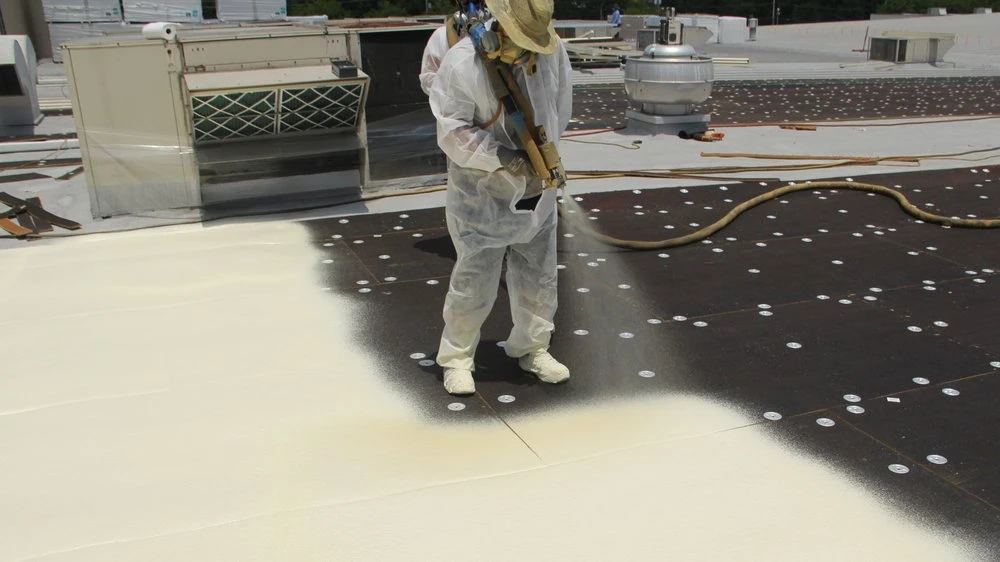
Closed-cell spray foam installation is a professional insulation process where two liquid chemical components are mixed under high pressure and sprayed onto surfaces. The foam expands, hardens within seconds, and fully cures in approximately 24 hours. Proper preparation, temperature control, ventilation, and installation techniques are essential for long-lasting performance. Using closed-cell polyurethane foam creates a highly efficient thermal barrier and vapor seal for your property. A successful Closed-Cell Spray Foam installation relies on careful site management, correct chemical balancing, and precise environmental controls. We ensure every phase of this project meets strict construction safety standards.
Spray Foam Tech’s experienced team prioritizes correct preparation to ensure the chemical ingredients react perfectly. This guide walks you through the step-by-step application and the safety measures required before your project begins.
Once the crew begins spraying closed-cell foam, the two chemical components mix instantly at the gun tip and expand within seconds of hitting the surface. This rapid reaction is why site preparation, temperature control, and proper ventilation all need to be locked in before the first pass begins; there’s no pausing mid-application to fix an overlooked step.
Proper prep work prevents overspray damage and ensures the foam adheres securely to the building envelope. You must take specific steps to prepare for spray foam installation before the service crew arrives at your site.
First, clear all personal items, equipment, and building debris away from the target walls or ceilings to allow clear access. Second, cover windows, doors, electrical boxes, and nearby finished surfaces with plastic sheeting to protect them from drifting foam particles. Third, inspect all wooden studs and concrete surfaces for moisture, as damp materials will prevent the foam from sticking.
Bonus Tip: Keep the indoor temperature between 60 and 80 degrees Fahrenheit for 24 hours before spraying. This step helps the building materials reach the ideal temperature for optimal chemical adhesion.
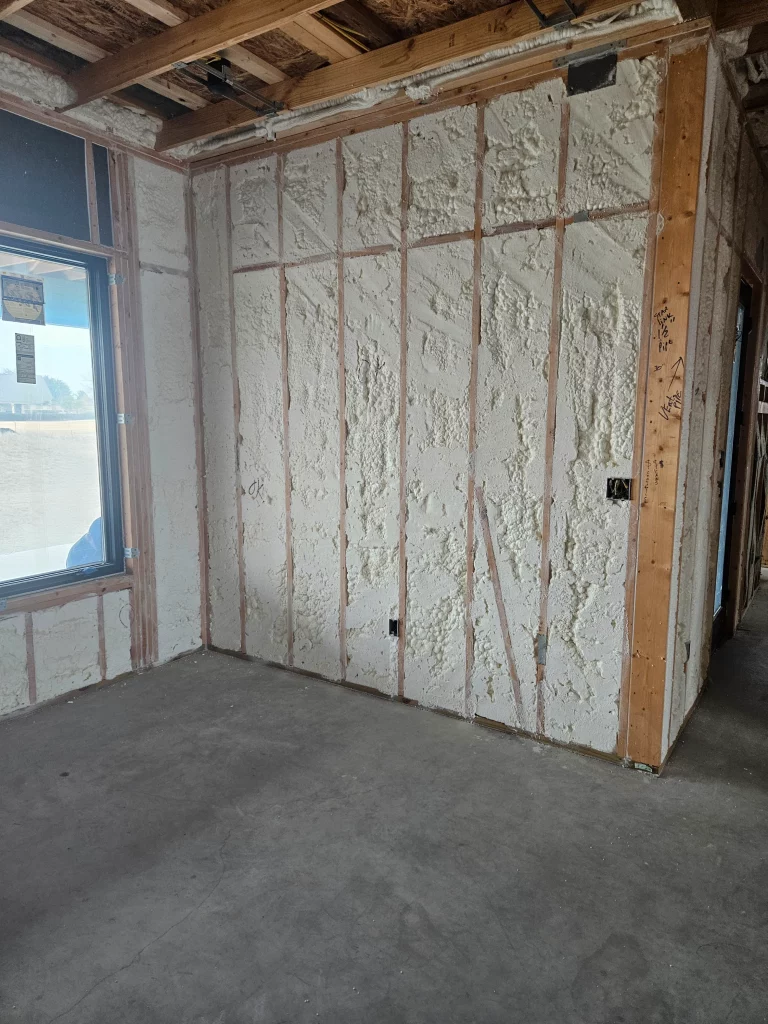
According to a construction market analysis by Grand View Research, the global spray foam market is growing rapidly due to stricter building energy codes. Closed-cell foam is highly valued for its superior performance metrics compared to open-cell options.
The following table compares the physical properties of these two common insulation materials:
| Property | Closed-Cell Foam | Open-Cell Foam |
|---|---|---|
| R-Value per Inch | R-6.0 to R-7.5 | R-3.5 to R-4.0 |
| Density | 2.0 lbs per cubic foot | 0.5 lbs per cubic foot |
| Vapor Barrier | Yes (at 1.5 inches) | No |
| Structural Strength | Adds wall rigidity | No structural value |
| Water Resistance | Highly resistant | Absorbs water |
Selecting the right insulation material requires looking at several factors that impact your building’s long-term performance. First, evaluate the climate zone of your property because colder regions require higher thermal resistance.
Second, understand the curing time required before you can re-enter the building. Most closed-cell foams require proper ventilation and sufficient curing time before the space is safe for unprotected occupants. For product-specific curing guidelines and installation instructions, refer to the manufacturer’s recommendations from Tiger Foam spray foam insulation. Finally, check your local building codes to determine if a thermal ignition barrier, such as drywall, is required over the foam.
Bonus Tip: Ask for a written density test report after your project is complete. This report verifies that the foam cured to the correct density and provides the expected thermal resistance.
Handling chemical compounds at high pressures requires specialized training and protective equipment. Our trained technicians at Spray Foam Tech monitor temperature gauges and pressure levels constantly to ensure the foam cures without shrinking. This level of precision protects your home from issues like off-gassing, structural gaps, and poor adhesion.
A successful project relies on clean surfaces, correct closed-cell temperature controls, and professional-grade application equipment. Taking the time to prep your site and verify moisture levels prevents chemical failure and ensures lasting performance. Before scheduling your project, carefully evaluate your building codes, budget, and curing timelines to ensure a smooth process.
Ready to improve your building’s energy efficiency with high-quality insulation? Contact Spray Foam Tech to discuss your project requirements and receive a free quote. Our experienced team is ready to answer your questions and manage your project safely. You can reach us by calling (737) 777-9590 or emailing us at oldworldtx@hotmail.com to get started.
The material typically cures within 24 hours after application. You must maintain continuous ventilation during this period before entering without safety equipment.
No, the wood moisture content must be below eighteen percent before spraying. Applying foam to damp surfaces causes poor adhesion and traps moisture.
Yes, closed-cell foam blocks both liquid water and water vapor. It prevents moisture migration at a thickness of 1.5 inches.
Yes, most local building codes require a fifteen-minute thermal barrier like drywall. This step protects the foam from direct fire exposure.
No, all occupants and pets must leave the building during application. You can return safely after the 24-hour curing and ventilation process is complete.