How Does Insulation Help Control Indoor Humidity in Georgetown, TX Homes?
Insulation can help control indoor humidity in Georgetown, TX, but insulation alone does not remove moisture from the air. The…


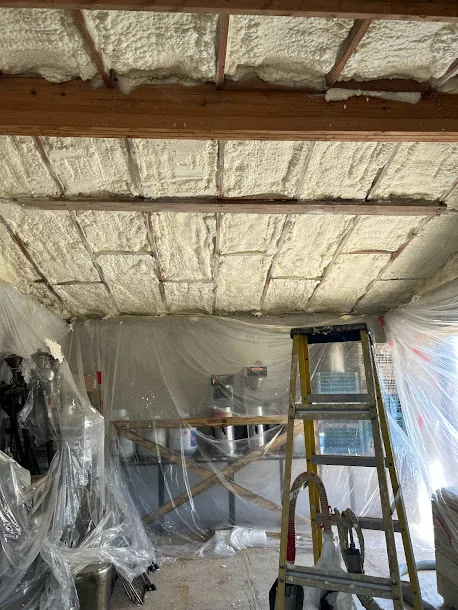
Odors after spray foam installation can come from vapors released during and after the foam reacts and cures. A lingering smell does not automatically mean the insulation failed, but a strong or persistent odor deserves investigation. Application conditions, product formulation, mixing, curing, and ventilation can all affect how long odors remain.
The safest approach is to identify where the smell is coming from, check the product’s installation requirements, and talk with the installer if the odor does not clear as expected.
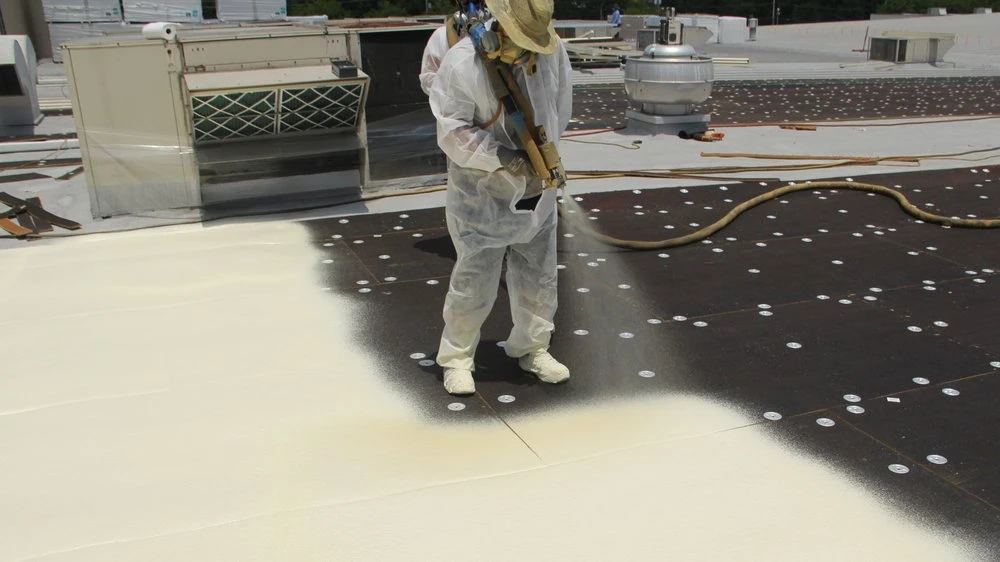
Spray polyurethane foam is created when two components react at the application site. That reaction produces the foam, but the installation also involves vapors and other airborne materials that can remain in the building for a period after spraying. The EPA’s guidance on spray polyurethane foam ventilation explains that vapors, mists, and dust can linger until the area has been properly ventilated and cleaned.
That means smelling an odor shortly after installation isn’t, by itself, proof that something went wrong. The more useful question is what is causing the odor and whether the foam has been allowed to cure under the conditions specified for that product.
A smell can also be more noticeable in an enclosed part of a building. If air movement is limited, odors may take longer to leave the space. The goal isn’t simply to make the smell less noticeable. It’s to determine whether the installation, ventilation, or another source is responsible.
Several factors can affect how long odors remain after an installation. We look at the installation conditions rather than assuming that every odor has the same cause.
Spray foam products have specific application requirements. The chemical reaction depends on proper proportioning and mixing, while curing can also be affected by factors such as temperature, humidity, ventilation, and the particular formulation being used.
The EPA specifically identifies accurate proportioning and mixing, ventilation rate, temperature, humidity, and the SPF formulation as factors that can affect the time needed after application.
That is why there isn’t one reliable answer for how long every spray foam installation should smell. The product documentation matters.
If an odor seems unusually strong or doesn’t behave as expected, the installer should review the product used and the conditions under which it was applied. That can provide more useful information than guessing based only on the smell.
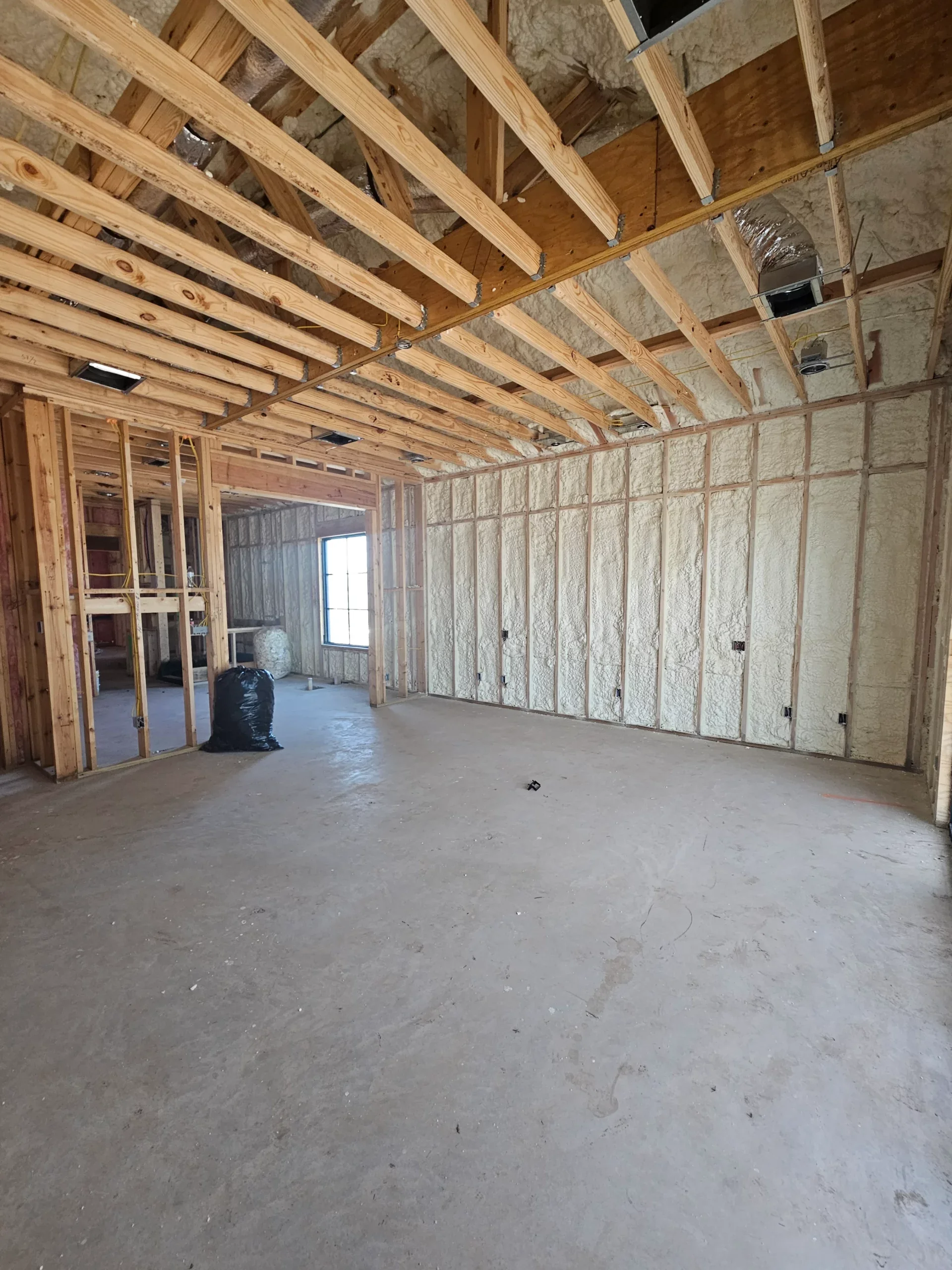
The location of the installation also matters. Spray foam may be applied in areas such as attics, crawl spaces, walls, ceilings, basements, and roofs. Some of these spaces have limited air movement, so an odor may be more noticeable there than in an open, well-ventilated area.
Ventilation should also be controlled rather than handled by simply pointing fans around the room. EPA guidance recommends directing exhaust away from occupied areas and continuing ventilation after application until the material has cured and airborne vapors have been removed.
If the smell seems to come from one particular area, that location can help the installer narrow down the source.
A noticeable odor should be taken seriously when it is unusually strong, continues longer than expected for the specific product and conditions, or comes with other signs that something may need attention.
That doesn’t mean the foam automatically needs to be removed. Odor is a symptom to investigate, not a diagnosis.
Start by documenting where the smell is strongest and when you notice it. Ask the installer which product was used, what the manufacturer’s re-entry guidance says, and whether the installation followed the product’s application requirements.
There is also a health reason to take post-installation exposure seriously. The EPA explains that people can be exposed to SPF chemicals through vapors, aerosols, and dust during and after installation. Spray foam guidance recommends following product information and controlling exposure through measures such as isolation and ventilation.
If the source cannot be established, an appropriate professional evaluation may be needed rather than relying on odor alone.
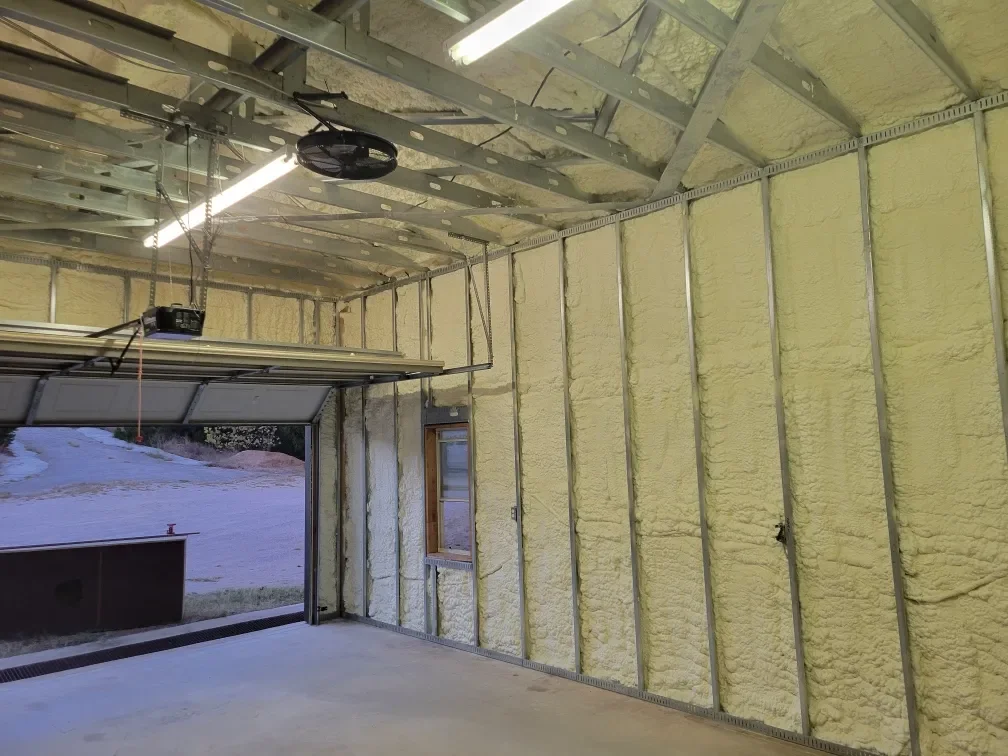
If a smell remains after installation, work through the problem in a logical order.
We wouldn’t recommend jumping straight to removal simply because a building smells after spray foam work. First determine what caused the odor and whether the material has cured as intended.
Good planning starts before the foam is sprayed. Ask which product will be used and review its installation and re-entry requirements with the contractor.
The work area should also be isolated from occupants and other building areas as appropriate. Proper exhaust ventilation helps keep vapors from spreading into occupied spaces, while the required post-installation ventilation period depends on the product and job conditions.
Keep the product information and installation documentation after the project. If a question comes up later, those records give the installer and manufacturer something specific to review.
The goal isn’t to promise that a new installation will have no odor. It’s to make sure the product is applied according to its requirements and that the building is handled properly during and after the work.
At Spray Foam Tech, we work with property owners who have questions about spray foam installation and what happens after the work is completed. If you’ve noticed an unusual odor following an installation in Leander, TX, the practical first step is to discuss where the smell is coming from and what product and installation conditions were involved.
You can reach Spray Foam Tech at (737) 777-9590 or oldworldtx@hotmail.com to discuss your spray foam concerns and determine what should be checked next.
There isn’t one fixed odor timeline that applies to every spray foam product or installation. Product formulation, curing conditions, ventilation, temperature, humidity, and proper mixing can all affect the post-installation period. Follow the specific manufacturer’s guidance rather than relying on a general number.
Not necessarily. Odor by itself does not establish that an installation failed. A strong or persistent smell is a reason to investigate the product, application conditions, curing, ventilation, and possible sources of the odor.
Contact the installer and explain where and when you notice the odor. Ask for the product information and installation requirements to be reviewed. If the source remains unclear, an appropriate professional evaluation can help determine what is happening rather than assuming the foam needs to be removed.