Spray Foam Roofing vs. Acrylic Roof Coating in Georgetown, TX: Key Differences Explained
Spray foam roofing and acrylic roof coating both protect flat and low-slope roofs in Georgetown, TX, but they solve different…


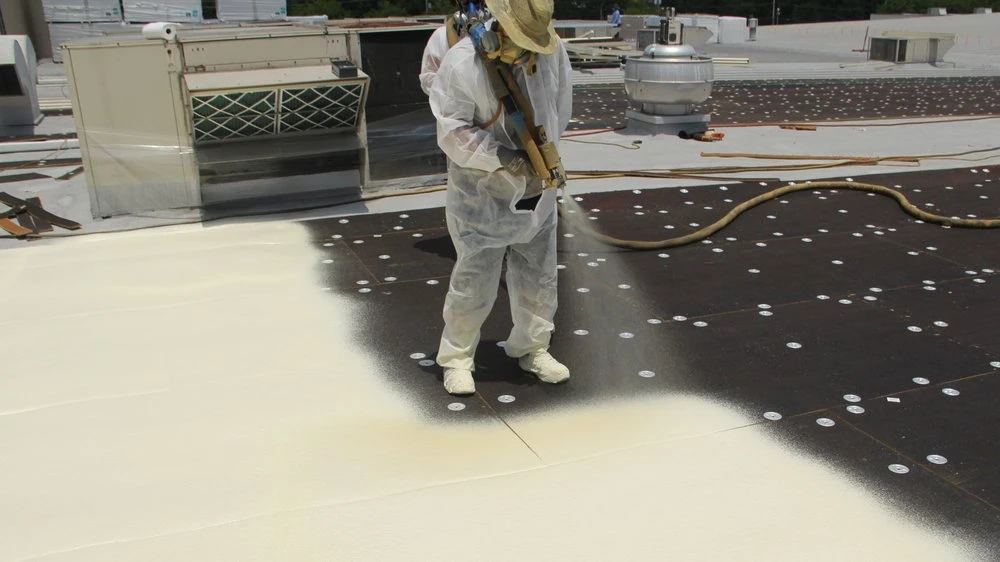
Spray foam roofing and acrylic roof coating both protect flat and low-slope roofs in Georgetown, TX, but they solve different problems. Spray foam roofing (SPF) sprays closed-cell polyurethane foam across the deck, where it expands into a monolithic, self-flashing surface that is then sealed with an elastomeric topcoat. An acrylic roof coating is a thin, fluid-applied membrane, typically 3 to 40 dry miles, that restores weather protection and reflectivity to an existing roof without adding measurable insulation. In the short term, an acrylic coating is the faster application on a structurally sound roof. Over the long term, spray foam adds R-value, air sealing, and even slope correction that a coating alone cannot deliver. The strategic positioning is simple: choose spray foam roofing when energy performance and a rebuilt roof surface are the goal, and choose acrylic coating when the existing membrane is healthy and the goal is reflectivity plus leak protection. When comparing spray foam roofing vs. acrylic roof coating for a Georgetown, TX property, substrate condition, drainage, and cooling demands should drive the decision, not the brochure.
Spray polyurethane foam is a two-part chemistry that mixes at the gun and expands up to 30 to 60 times its liquid volume as it hits the roof. Medium-density closed-cell foam cures rigid, with a long-term thermal resistance in the range of R-5.1 to R-6 per inch. Installed at the required minimum thickness, it functions as both an air barrier and a vapor barrier, which matters because DOE research attributes roughly 40 percent of a building’s energy loss to air infiltration through the envelope.
For a Georgetown roof, that means the foam does three jobs at once: it insulates, it air-seals around every penetration and parapet, and it creates a continuous waterproof surface with no seams and no fasteners. Bare polyurethane degrades in sunlight, so the foam is always finished with a protective elastomeric coating. That topcoat becomes the wearing surface and the first line of UV defense, and it is the layer we renew in future recoat cycles.
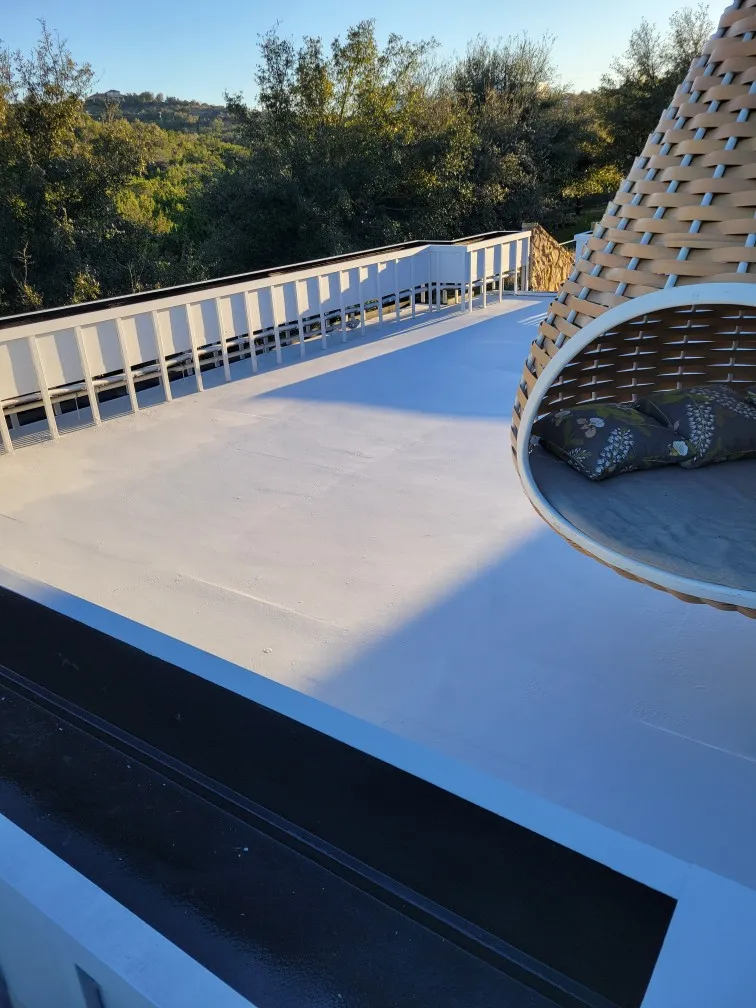
An acrylic roof coating is a monolithic, fully adhered, fluid-applied membrane. Dry film thickness ranges from paint-thin (about 3 mils) up to 40 mils or more for reinforced builds. Because it is elastomeric, it stretches with daily thermal movement and returns to shape without damage. The coating becomes the topmost layer of a composite spray foam roof system in Georgetown, TX, taking the punishment from sunlight, rain, and hail so the substrate below is preserved .
Field-applied reflective coatings can extend the useful life of nearly every roof substrate, and studies report coatings can add up to 25 years of service life while keeping the surface cool. Application is straightforward: pressure-wash and prep the field, reinforce seams and flashings, then spray with high-pressure airless equipment. Small, sound roofs are simple projects. Larger roofs with active leaks or ponding water need a qualified professional crew, and acrylics deserve extra scrutiny where water stands, since manufacturers typically do not warranty them for ponding conditions.
| Factor | Spray Foam Roofing (SPF) | Acrylic Roof Coating |
|---|---|---|
| Build thickness | 1.5 to 3 inches of foam plus topcoat | 3 to 40+ dry mils of film |
| Insulation added | R-5 to R-6 per inch, closed cell | Essentially none |
| Air sealing | Full air barrier and vapor barrier at proper thickness | None |
| Reflectivity | White topcoat reflects solar heat | High with white elastomeric formulations |
| Substrate requirement | Sound, dry deck; wet insulation must be addressed first | Sound, well-adhered membrane |
| Slope correction | Yes, foam can fill and re-pitch low areas | No, film follows existing slope |
| Ponding water | Manages well when slope is rebuilt | Typically excluded from warranties |
| Renewal cycle | Recoat the elastomeric topcoat on schedule | Recoat at regular intervals |
| Best fit | Aging roofs needing insulation, slope, or a full rebuild | Sound roofs needing reflectivity and leak sealing |
Georgetown summers punish dark, unreflective roofs. Two properties decide how a roof handles that heat: solar reflectance, how much sunlight bounces off the surface, and thermal emittance, how efficiently it sheds absorbed heat. Roof heat gain is another factor property owners should consider when evaluating indoor comfort and cooling performance. The EPA notes that together these properties lower roof temperatures, indoor temperatures, and ambient air around the building, and that in non-air-conditioned buildings cool roofs can drop peak indoor temperatures by 1.2 to 3.3 degrees Celsius .
Both options in this comparison can be reflective. White SPF topcoats and white acrylic coatings are both listed cool roof product types for low-slope roofs. Field results are consistent: a Columbia University study of a large white-roofing program measured an average surface temperature reduction of 43 degrees Fahrenheit versus black roofs, and research summarized by DOE estimates up to 15 percent annual air-conditioning savings for single-story buildings in hot climates.
DOE guidance adds two practical caveats we build into every project. First, reflectance falls as a roof collects soot, pollen, and debris, so savings should be estimated using weathered values, not the clean numbers on a product sheet. Second, regular cleaning restores reflectance, which is why we include it in maintenance plans. If you want to model your own building, DOE’s Oak Ridge National Laboratory offers a Cool Roof Calculator that estimates cooling and heating savings for flat roofs based on city, roof R-value, solar reflectance, and emittance.
Neither option is a one-and-done product. Acrylic coatings weather and chalk over time, so performance depends on a disciplined recoat cycle, typically timed to film thickness loss and visible wear. Spray foam systems follow the same logic: the foam substrate stays intact for decades, but the elastomeric topcoat that shields it from UV must be renewed on schedule. In both cases, the recoat is a fraction of the original scope of work, and it resets the weatherproofing and reflectivity clock.
Ponding water is where the two options diverge sharply. Industry guidance is clear that most flat roofs are not perfectly sloped, water collects around drains and scuppers, and acrylic coatings are typically not warranted for standing water. Spray foam handles this differently, because the applicator can build thickness in low areas and re-pitch the field so water drains. On Georgetown roofs with chronic bird baths around the drains, that difference alone can decide the comparison.
| Scenario | Property Type | Recommended Option | Why It Fits |
|---|---|---|---|
| 1990s metal warehouse, sound panels, high summer cooling loads | Industrial | Acrylic coating with seam reinforcement | Fast application, reflective film preserves the panels |
| 1980s office building with a tired dark built-up roof | Commercial office | Spray foam system with reflective topcoat | Adds R-value, air sealing, and slope in one pass |
| Roof with standing water around aging drains | Retail center | Spray foam, re-pitched toward upgraded drains | Solves the ponding problem a film cannot fix |
| Newer TPO roof in good condition, owner wants cooler interior | Light commercial | Manufacturer-approved acrylic coating | Reflectivity boost without disturbing the warranty |
| Persistent leaks at rooftop penetrations and HVAC curbs | Restaurant | SPF flashing detail plus topcoat | Foam self-flashes irregular penetrations monolithically |
Spray foam roofing is right for you if:
Spray foam roofing is NOT right for you if:
Acrylic coating is right for you if:
Acrylic coating is NOT right for you if:
We are Spray Foam Tech, and we install and recoat both spray foam roofing systems and reflective acrylic coatings for property owners across Georgetown, TX. Our team starts with a core-based moisture check and drainage review, then recommends the option that fits your roof, not the one that moves product. Call us at (737) 777-9590 or email oldworldtx@hotmail.com and get a roof assessment.
Yes, and that is standard practice. Bare polyurethane foam cannot tolerate sunlight, so an elastomeric acrylic or silicone topcoat is applied to protect it, and recoating that layer is how the system renews over time.
Both are renewal-based systems. Field reports credit coatings with adding up to 25 years of service life across successive recoats, while a spray foam base stays intact and only the topcoat cycles, so longevity comes down to maintenance discipline either way.
Spray foam handles it better because we can build slope in low areas and direct water to drains. Acrylics are typically excluded from warranty coverage where water stands, so drainage must be corrected first.
Most Georgetown projects wrap in days, not weeks. Coatings require prep, reinforcement, and spray application, while foam jobs add a foam pass before the topcoat, and both need warm, dry weather to cure properly.
During application and curing, SPF chemistry involves isocyanates that require respiratory protection and trained handling, plus heated, pressurized spray equipment. Licensing programs in some regions require photo-ID certification for foam applicators, which is why we encourage owners to verify crew credentials before signing.