Spray Foam Roofing vs. Acrylic Roof Coating in Georgetown, TX: Key Differences Explained
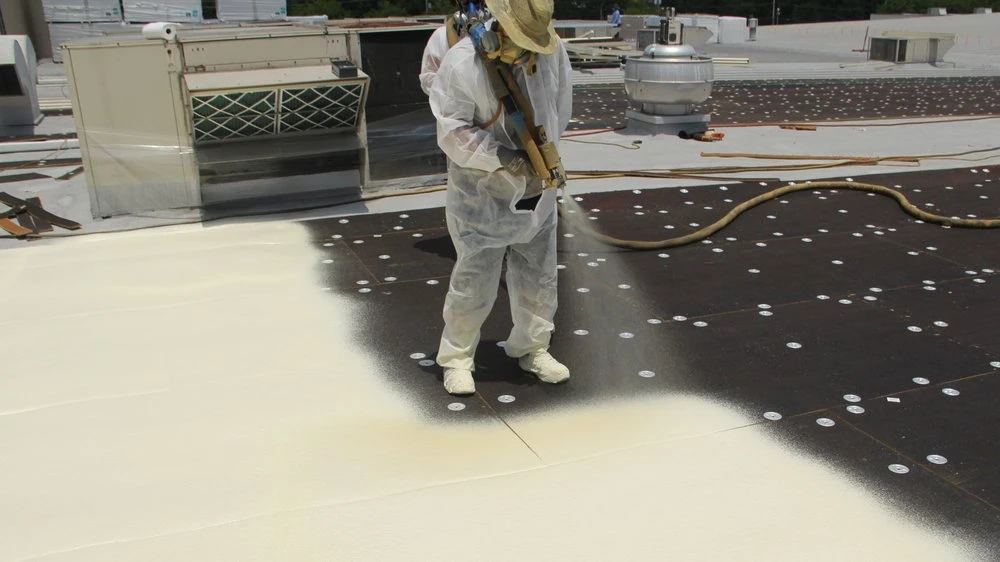
Spray foam roofing and acrylic roof coating both protect flat and low-slope roofs in Georgetown, TX, but they solve different…


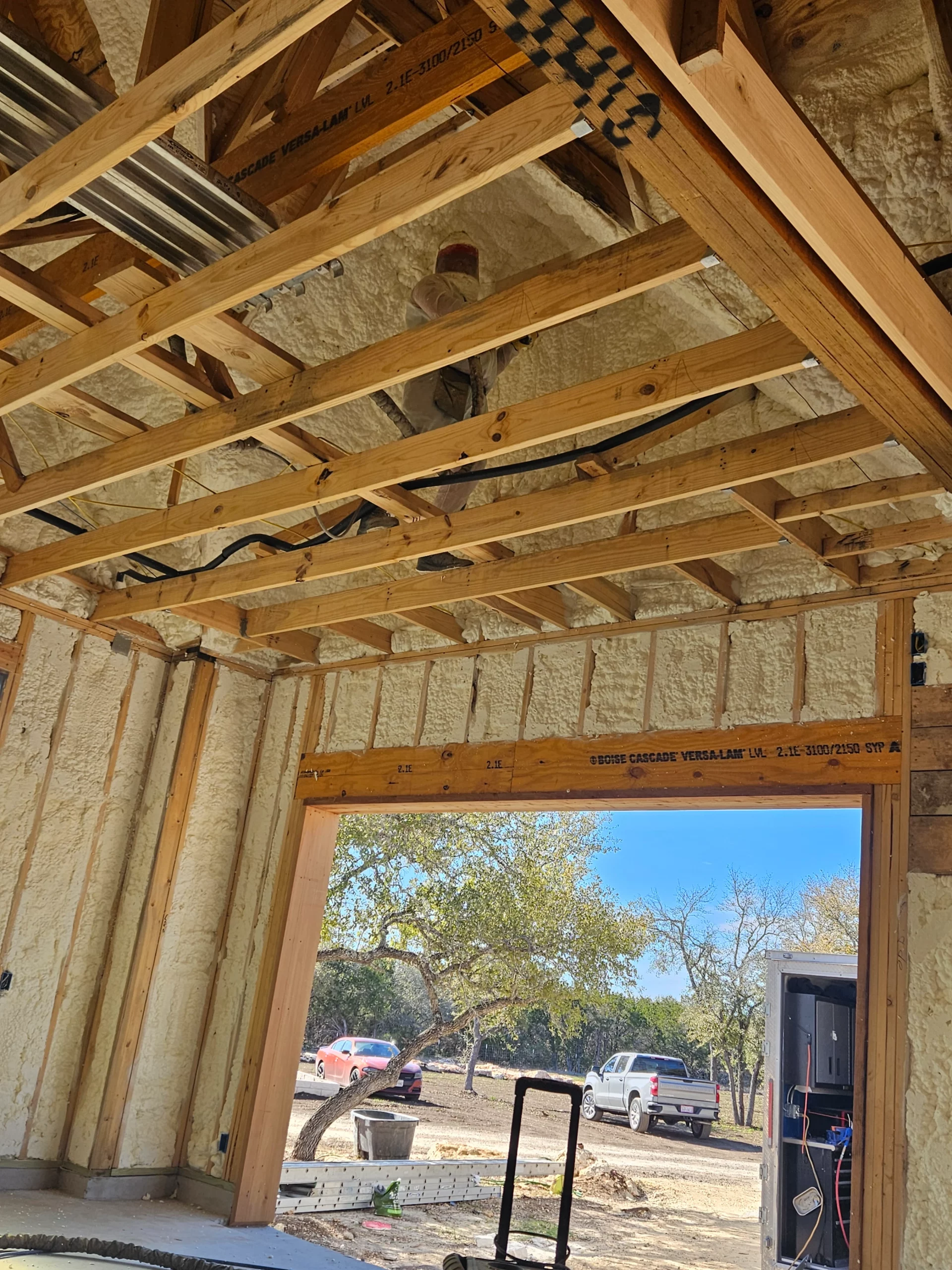
Open-cell spray foam provides allergy solutions by creating an airtight seal that prevents outdoor pollutants like pollen, dust, and mold spores from entering your living space. This insulation expands to fill every crack and crevice, acting as a physical barrier that significantly reduces the triggers for seasonal allergies and asthma.
Spray Foam Tech help you understand how high-performance insulation changes the way air moves through your house. Our experience in the Texas climate shows that sealing the building envelope is the most effective way to maintain a clean indoor environment, which is part of how open cell insulation explained works to protect your home.
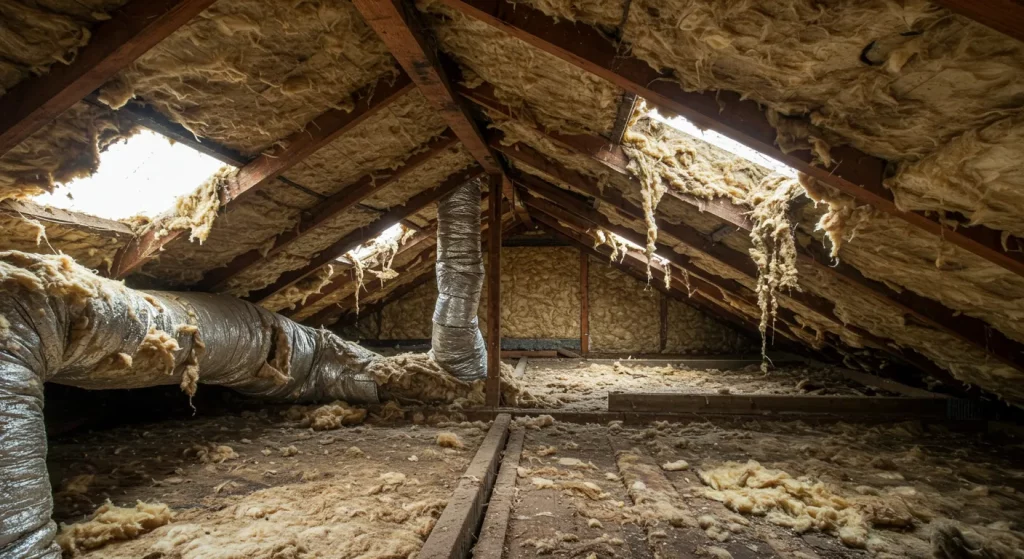
Standard insulation materials like fiberglass often allow air to leak through gaps in the attic or walls. These leaks carry allergens directly into your rooms. According to the Environmental Protection Agency, indoor air can be two to five times more polluted than outdoor air. Open cell foam addresses this by stopping the infiltration of dirty air.
Unlike fibrous materials, open cell spray foam insulation does not provide a food source for pests or nesting ground for rodents. This reduces the presence of dander and waste, which are common biological triggers for respiratory issues. By choosing open cell spray foam allergy relief, you are addressing the root cause of poor indoor air.
When selecting materials for a home, safety is a top priority for people with sensitivities. Open cell spray foam is an inert polymer once cured, meaning it does not off-gas or release particles into the air over time. This makes it one of the leading hypoallergenic insulation options available for modern construction.
Many traditional batts contain formaldehyde or binders that can irritate the lungs. Open cell foam remains stable and does not break down into dust. This stability ensures that the air you breathe remains free of the microscopic fibers often associated with older insulation types.

Moisture is a primary driver for mold growth, which is a major allergen in humid climates. Open cell foam is a mold resistant attic insulation because it allows the structure to breathe while preventing the bulk movement of moisture-laden air. It does not hold water, which discourages the growth of spores behind your walls.
Applying open cell foam moisture control mold prevention techniques ensures your attic stays dry. Data from the American Lung Association indicates that damp indoor environments correlate strongly with increased asthma symptoms. By controlling the temperature and airflow in your attic, you reduce the condensation that typically leads to mold colonies.
| Feature | Open Cell Spray Foam | Fiberglass Batts |
|---|---|---|
| Air Sealing | Excellent (Self-expanding) | Poor (Allows airflow) |
| Allergen Barrier | High (Physical seal) | Low (Filters particles) |
| Mold Resistance | High (Inert material) | Medium (Can trap moisture) |
| Longevity | Lifetime of structure | Sags or Settles over time |
Bonus Tip Ensure your HVAC system is properly sized after installing spray foam. Because your home will be much tighter, you may need less cooling capacity to maintain comfort.
Most allergens enter a home through the stack effect, where warm air rises and pulls cold, dirty air in from the crawlspace or basement. Using reducing indoor allergens with spray foam techniques involves sealing these entry points. This stops the vacuum effect that brings in lawn chemicals and ragweed.
The Asthma and Allergy Foundation of America notes that controlling airflow is a vital step in allergy proofing a home. Spray foam provides a continuous layer of protection that tape or caulk simply cannot match in terms of durability and coverage.
Before moving forward with an installation, you must evaluate the current state of your roof and ventilation. While spray foam offers incredible seals, it requires a professional application to ensure the chemical balance is correct. If your home has existing water leaks, these must be repaired before the foam is applied.
You should also consider the thickness required for your specific climate zone. Open cell foam has a lower R-value per inch than closed cell, so more space is needed to achieve the same thermal performance. However, its flexibility makes it ideal for residential wood-framed homes that may shift slightly over time.
Bonus Tip Ask your installer for a blower door test. This measurement proves how much the air leakage has decreased after the foam is installed, giving you tangible proof of your improved air barrier.
In our region, the high humidity makes air sealing vital. Open cell foam is particularly effective in Texas because it provides high thermal performance while remaining cost-effective for large attic spaces. Spray Foam Tech TX has observed that homes equipped with this technology maintain more consistent temperatures between floors, which reduces the strain on air filtration systems.
By choosing our services, you benefit from a team that understands the local building codes and environmental challenges. We focus on creating a sealed envelope that keeps the Texas heat and humidity outside where it belongs.
Switching to open cell insulation is a proactive step toward a healthier living environment. It stops the entry of outdoor allergens, prevents mold growth by controlling air movement, and provides a stable, hypoallergenic barrier. Evaluate your home’s current energy bills and dust levels to determine if an upgrade is necessary for your long-term health goals.
If you are ready to improve your home air quality and comfort, we are here to help. Our team provides expert installation tailored to your specific needs. Contact Spray Foam Tech TX today at (737) 777-9590 or email us at oldworldtx@hotmail.com to discuss your project. We offer a free quote for all residential and commercial services to ensure you have the information needed to make the best decision for your family.
When installed correctly, any odor dissipates within 24 to 48 hours. The material becomes inert and odorless, providing a clean environment without off-gassing harmful chemicals into your home.
While it does not remove dander already inside, it prevents outdoor allergens from mixing with dander. This makes your indoor air purification system much more efficient at cleaning the air.
Yes, because it eliminates the dust and fibers associated with fiberglass. By creating an airtight seal, it prevents the triggers that typically cause asthma flare-ups from entering the house.
The seal created by spray foam is permanent. Unlike other materials that settle or degrade, the foam stays adhered to the structure, maintaining its air-sealing properties for decades.
A tight house is ideal for allergy sufferers. If the air exchange rate becomes too low, we recommend a simple heat recovery ventilator to bring in filtered fresh air.