Spray Foam Roofing vs. Acrylic Roof Coating in Georgetown, TX: Key Differences Explained
Spray foam roofing and acrylic roof coating both protect flat and low-slope roofs in Georgetown, TX, but they solve different…


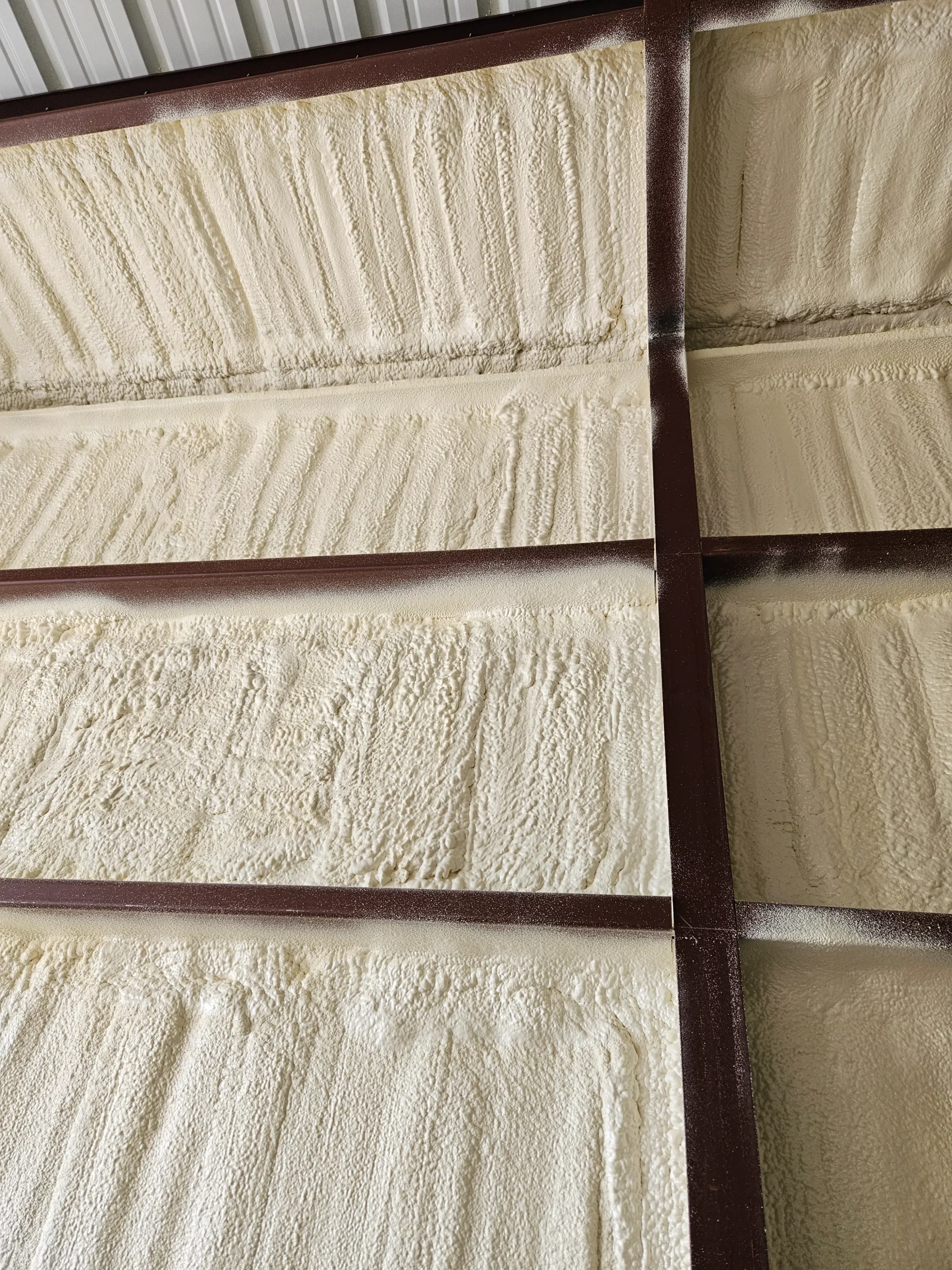
Spray foam ice dam prevention stops the cycle of melting and refreezing by creating an airtight thermal envelope in your attic. This barrier prevents warm indoor air from heating your roof deck, which ensures that snow remains frozen and does not form ice dams at the eaves.
We follow a comprehensive spray foam installation approach to ensure every application meets strict local building codes. Spray Foam Tech applies these solutions to safeguard your home against structural water damage. This article explains how advanced insulation techniques solve winter roofing issues.
Ice dams occur when heat leaks from the living space into the attic and warms the underside of the roof. According to the University of Minnesota Extension, snow on the upper part of the roof melts and flows down to the colder eaves where it freezes. This creates a literal dam of ice that traps water.
Liquid water eventually backs up under the shingles and leaks into your walls or ceilings. This moisture can ruin drywall and lead to hidden mold growth within the wall cavities. Proper insulation keeps the roof deck at the same temperature as the outside air to prevent this melt.

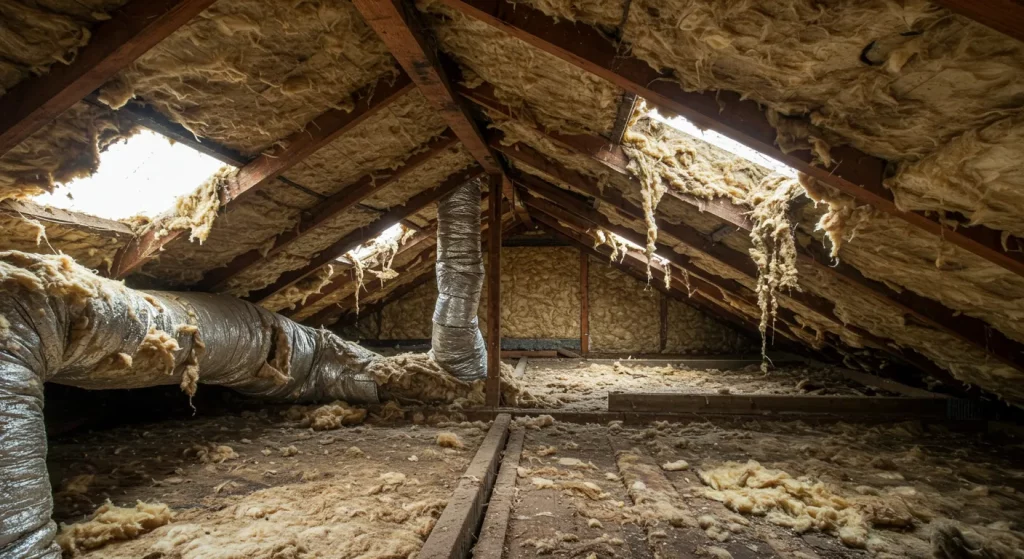
Unlike traditional batts, spray foam ice dam attic applications provide two benefits in one step by providing both insulation and air sealing. Closed cell foam adheres directly to the roof deck or attic floor. It fills every crack and gap where air might leak from the rooms below.
This stops the chimney effect that pulls warm air upward through light fixtures and plumbing stacks. You can learn more about these specific residential applications in our residential spray foam insulation guide. We utilize these methods to develop a high-performance thermal break that lasts for decades.
| Feature | Fiberglass Batts | Cellulose | Closed-Cell Spray Foam |
|---|---|---|---|
| R-Value per Inch | 2.2 to 2.9 | 3.2 to 3.8 | 6.0 to 7.0 |
| Air Sealing | No | Minimal | Yes (Excellent) |
| Moisture Barrier | No | No | Yes |
| Lifespan | 15 to 20 Years | 20 to 30 Years | 50 Plus Years |
Closed cell spray foam is particularly effective because it is dense and waterproof. A report by the Department of Energy indicates that air leaks are responsible for significant energy loss in most older homes. By using foam, we strengthen the roof structure and provide a vapor barrier.
This material prevents condensation from forming in the attic space during temperature swings. We also use these high grade materials for commercial insulation services to protect large scale warehouses and offices. Using the right material ensures the roof remains dry even during heavy snow.
Bonus Tip: When applying foam, ensure the soffit vents are either properly baffled or completely sealed if moving to a conditioned attic model to avoid moisture traps.
Before starting a project, you must evaluate the current state of your roof and ventilation. If your home has existing water damage or mold, these must be treated before the foam is applied. Wet wood will not allow the foam to bond correctly to the surface.
Additionally, consider the R-value requirements for your specific climate zone to ensure maximum energy efficiency. Local building codes often dictate the minimum thickness required for attic floors. Checking the roof deck for structural integrity is also a vital step before adding the weight of new materials.
Many homeowners ask if sealing the attic will damage their shingles. Research from the Building Science Corporation shows that spray foam does not significantly increase shingle temperature. Proper application keeps the attic conditioned and stable.
This stability can actually extend the life of the roof by reducing the expansion and contraction of wood materials. We ensure that the application is balanced to manage moisture while stopping heat loss. This approach provides a safe environment for your roof deck and the shingles above it.
Bonus Tip: Always check for recessed can lights in the attic floor as these are major heat leak points that require special fire rated covers before foaming.
Spray foam ice dam prevention requires a total stop to heat transfer through the attic. By choosing a high-quality ice dam insulation solution, you protect your shingles, gutters, and interior ceilings. We recommend a comprehensive attic inspection to identify the specific bypasses where your home is losing the most heat. Proper sealing saves money on energy bills and prevents expensive roof repairs in the future.
If you are tired of clearing snow from your eaves or dealing with interior leaks, we can help. Spray Foam Tech specializes in high efficiency attic sealing to protect your property from winter damage. Contact us today at oldworldtx@hotmail.com or call (737) 777-9590 to discuss your specific project needs. We offer a free quote for all residential and commercial insulation upgrades to help you maintain a safe and dry space.
It seals air leaks and provides high thermal resistance. This keeps the roof deck at a consistent temperature with the outside air which prevents snow from melting and refreezing.
If you apply foam to the roof deck, the attic becomes a conditioned space and does not require traditional venting. This keeps the area cleaner and more energy efficient.
No. The foam blocks heat from entering the attic during the summer months. This reduces the workload on your air conditioning system and keeps the entire home much cooler.
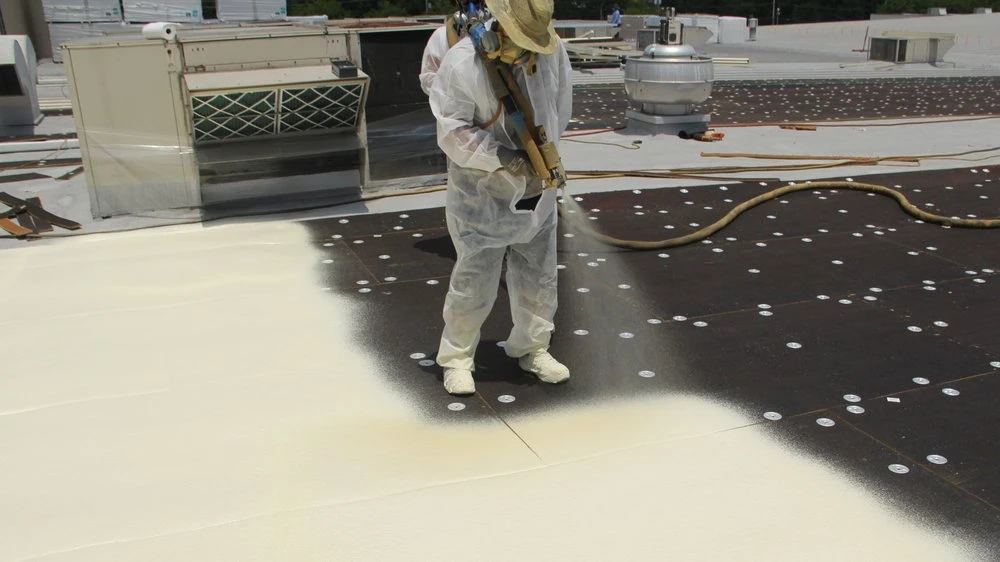
Yes. Professional installers use heated hoses to maintain the correct chemical temperature. This allows for successful application even when outside temperatures are below freezing.
Closed cell spray foam is designed to last for the life of the building. It does not sag or settle over time like fiberglass batts or blown in cellulose.