Spray Foam Roofing vs. Acrylic Roof Coating in Georgetown, TX: Key Differences Explained
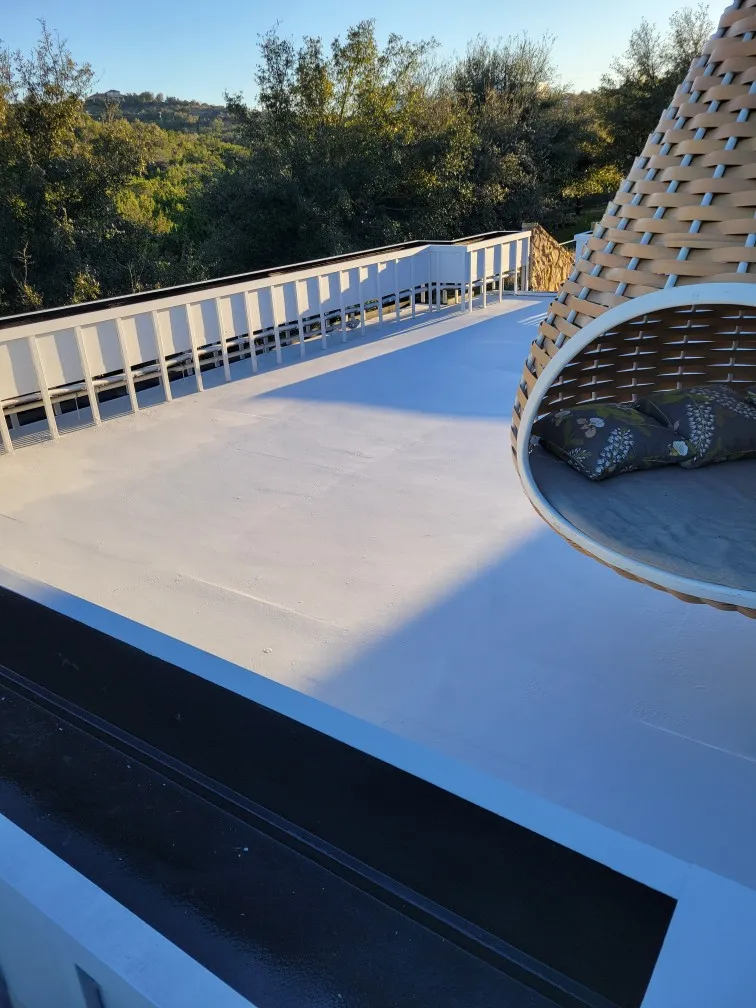
Spray foam roofing and acrylic roof coating both protect flat and low-slope roofs in Georgetown, TX, but they solve different…

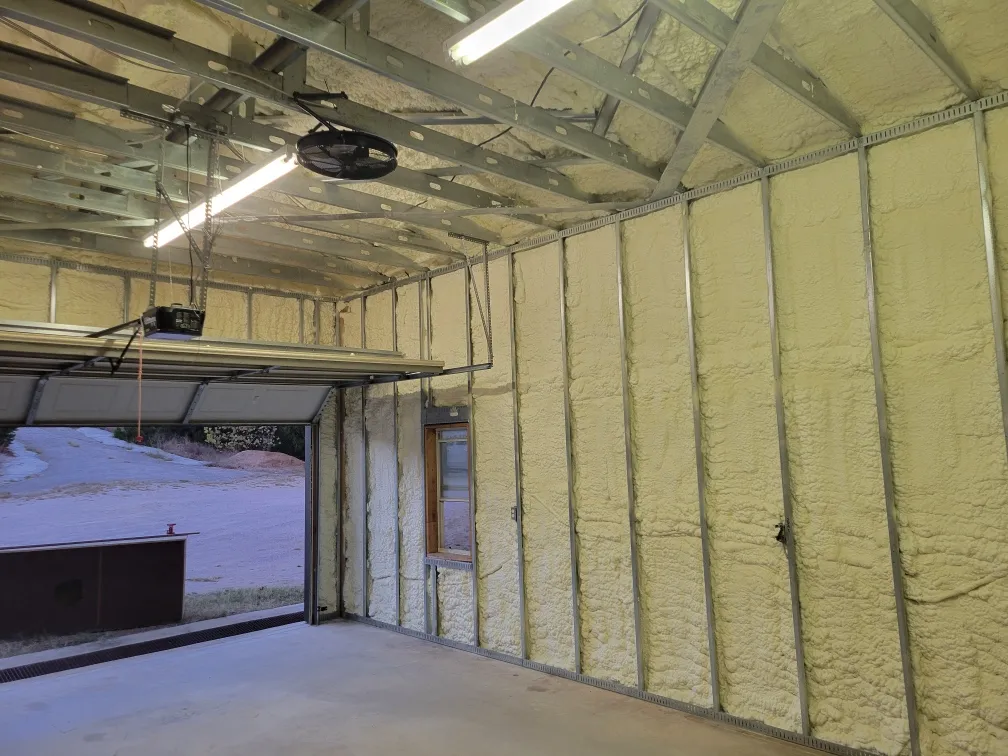
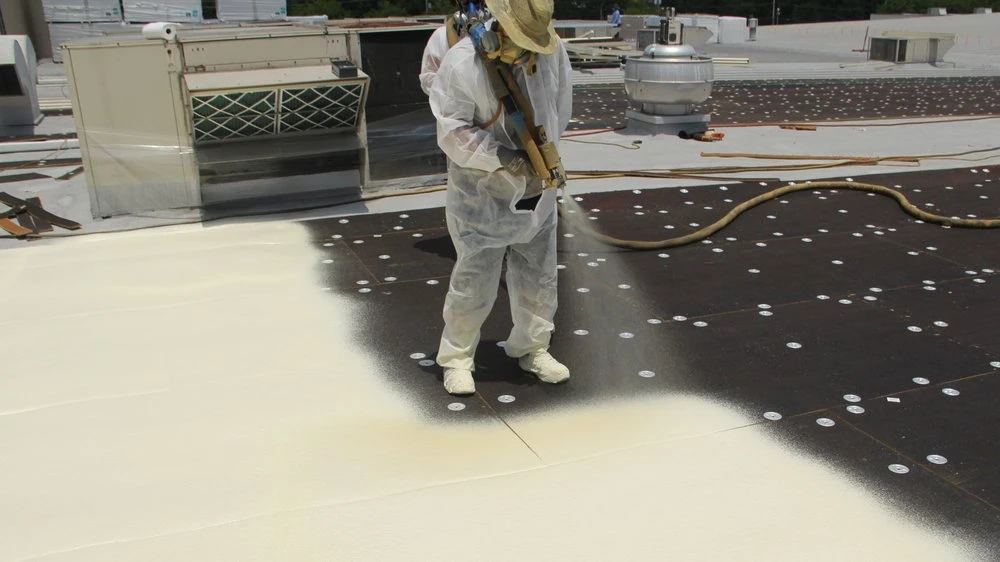
If you’re comparing insulation options, the question that matters most is simple: how much will you actually save? Before calculating long-term savings, it’s important to understand how spray foam insulation works and why its air-sealing performance makes it more energy efficient than traditional insulation. Spray foam insulation savings typically range between 20% and 50% on annual heating and cooling costs, which usually works out to $200 to $800 per year, depending on your home’s size, climate, and current insulation condition.
Most owners recover their investment within 5 to 8 years through lower energy bills, plus better comfort and indoor air quality from day one. This guide breaks down real numbers, what affects your savings, and whether the upfront cost makes sense for your space.
For most properties, yes. Is spray foam insulation worth the cost comes down to two things spray foam does that other materials don’t do well: it insulates, and it seals air leaks at the same time. Traditional insulation, like fiberglass, only slows down heat transfer, but it doesn’t stop air from moving through gaps and cracks. The air leaks account for 25% to 40% by department of energy of a home’s heating and cooling costs, so sealing them off makes a real difference in your monthly bill.
The upfront cost is higher than fiberglass or cellulose, but the combination of thermal resistance and air sealing means the payback period is usually shorter than people expect.
Spray foam insulation energy savings depend heavily on what type of foam you use and where you live. Here’s a general breakdown:
| Insulation Type | Average Annual Savings | R-Value per Inch | Air Sealing |
| Closed-Cell Spray Foam | 30-50% | R-6.0 to R-7.0 | Excellent |
| Open-Cell Spray Foam | 20-35% | R-3.5 to R-4.0 | Very Good |
| Fiberglass Batts | 10-20% | R-2.2 to R-4.3 | Poor |
| Cellulose | 15-25% | R-3.2 to R-3.8 | Fair |
| Rigid Foam Boards | 25-35% | R-4.0 to R-8.0 | Good (with sealing) |
Closed-cell foam generally delivers the highest savings because it packs more R-value into less space and blocks nearly all air movement. If you’re deciding between insulation types, compare open-cell vs. closed-cell spray foam to see how each option affects long-term energy efficiency and overall savings. Open-cell foam costs less upfront and still performs well, especially for interior walls and sound control.

Not every home sees the same results. A few factors decide where you’ll land in that 20-50% range.
Property age. Properties built before 1980 usually see the biggest jump in savings, since they tend to have outdated or thin insulation and more air leakage to begin with. Newer homes still benefit, just by a smaller percentage.
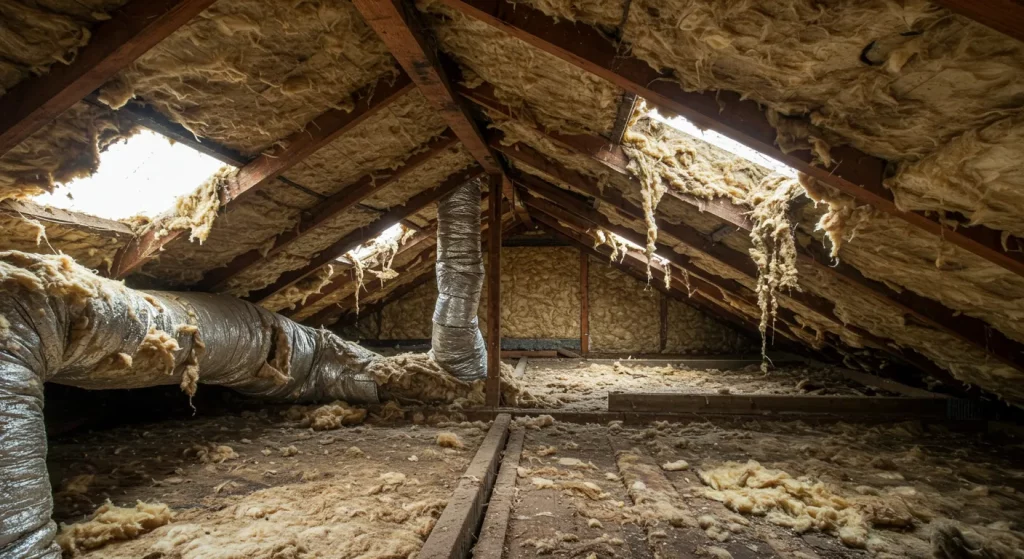
Current insulation condition. If your existing insulation is damaged, compressed, or missing in spots, spray foam will make a bigger difference than if you’re replacing insulation that’s already in decent shape.
HVAC system age. Pairing spray foam with a newer, efficient HVAC system gets you the most savings. An older system will still run less often with better insulation, but it won’t be quite as efficient as new equipment.
Climate. Homes in colder regions with long heating seasons often see 40-50% reductions in heating costs. Hot, humid climates benefit too, mainly by keeping moisture out and reducing how hard the AC has to work.
Quick tip: Track your energy bills for a few months before installation so you have a real baseline to compare against afterward.
Spray foam insulation ROI typically plays out over 5 to 8 years, after which the energy savings have paid back the installation cost. Much of this return comes from the material’s superior thermal performance.
Beyond monthly bill savings, there are a few other returns worth factoring in:
In most markets, yes, properties with spray foam insulation tend to sell faster and at a modest premium, often in the 3-5% range, because energy-conscious buyers see it as a long-term cost saver rather than a feature they’ll need to fix or upgrade later. Real estate agents in energy-cost-sensitive markets often point to upgraded insulation as a selling point during showings.
A few practical things to think through before committing to a project:
Installation timing. Spray foam needs specific temperature and humidity conditions to cure properly, so scheduling during moderate weather usually gets the best results.
Access and prep. Installers need clear access to the areas being sprayed. Any existing insulation, debris, or structural issues should be addressed beforehand.
Budget vs. savings timeline. Compare the upfront cost against your expected savings over how long you plan to stay in the home. If you’re moving in a year or two, the payback math looks different than if you’re staying for a decade.
Curious what your specific savings could look like? A professional assessment takes into account your home’s size, current insulation, and local energy costs to give you a realistic number instead of a general range.
Contact Spray Foam Tech at (737) 777-9590 or email oldworldtx@hotmail.com to schedule your free property evaluation.
Most homeowners notice reduced HVAC runtime within the first week after installation, with measurable savings showing up on the next billing cycle.
Yes. While the upfront cost is higher than traditional insulation, the combination of energy savings and a foam that lasts the life of the building makes it cost-effective over time for most homeowners.
The cost reflects the specialized equipment, two-part chemical materials, and skilled labor required for proper application. Unlike fiberglass, spray foam also adds air sealing, so you’re paying for two functions in one material.
No. Properly installed spray foam insulation doesn’t hurt home value. Issues only arise from poor installation, such as blocked ventilation or moisture problems, which is why hiring an experienced installer matters.
The percentage of savings stays fairly consistent year-round, but the dollar amount is usually higher in peak heating and cooling months.
Yes. Pairing spray foam with an efficient HVAC system, a programmable thermostat, and LED lighting compounds your overall savings.