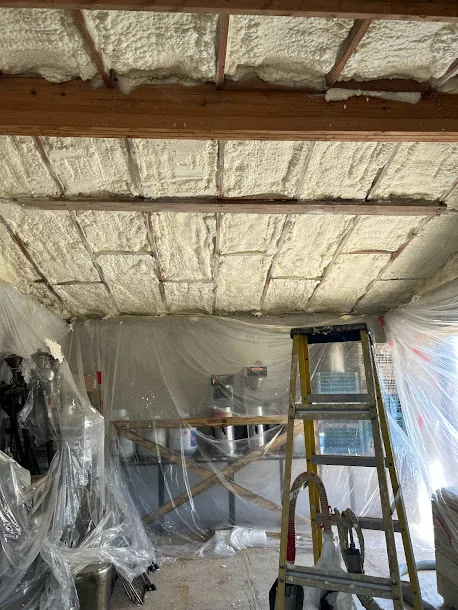
How Does Insulation Help Control Indoor Humidity in Georgetown, TX Homes?
Insulation can help control indoor humidity in Georgetown, TX, but insulation alone does not remove moisture from the air. The…


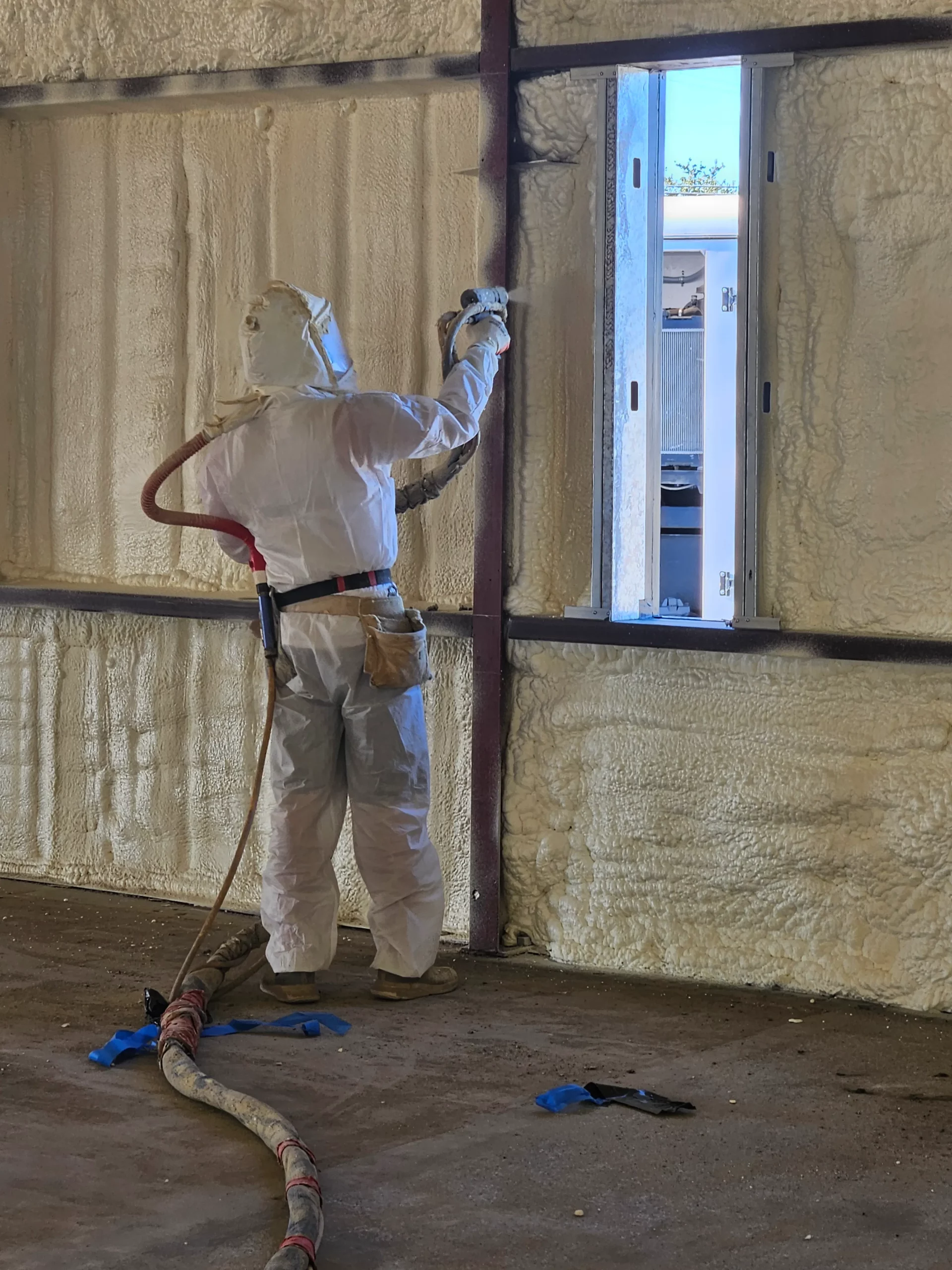
Closed-cell foam r-value insulation typically delivers a thermal resistance between R-6.0 and R-7.0 per inch of thickness. Compared with traditional fiberglass batts, this density-driven performance offers double the thermal efficiency in a much thinner profile. Spray Foam Tech relies on these high manufacturer specifications to maximize energy savings for property owners while ensuring structural protection.
This comprehensive guide provides an expert breakdown of thermal resistance of closed cell spray foam across different thicknesses, depths, and applications. Our technicians consistently observe how selecting the right insulation depth prevents air leaks, stops moisture, and lowers monthly utility bills. Understanding these numbers ensures your home or building remains comfortable throughout the year while complying with modern building codes.
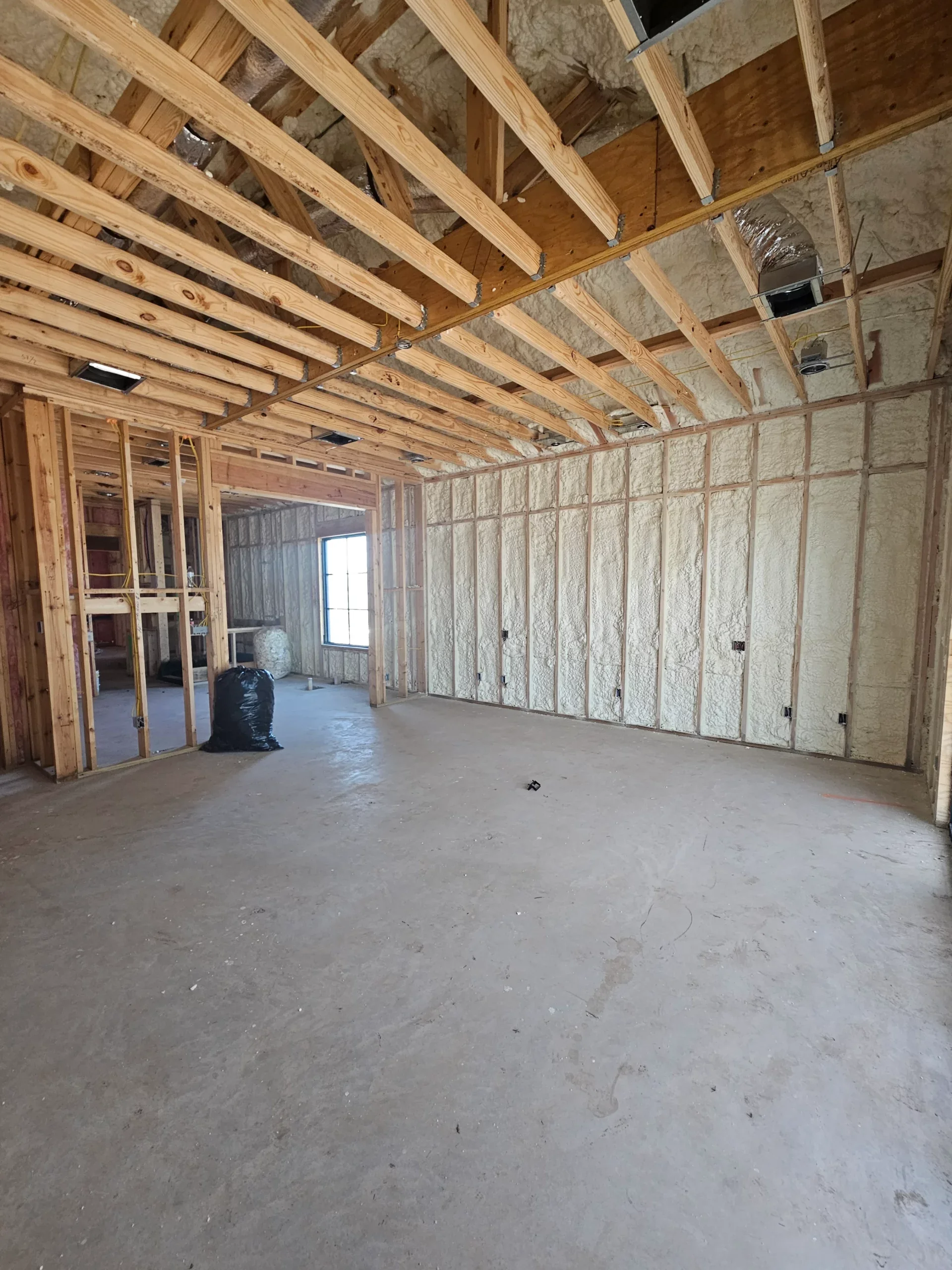
The closed cell spray foam insulation R-value per inch remains the highest among common residential and commercial insulation options. This superior performance is primarily due to the dense cell structure and the insulating blowing agents trapped within the closed cells. The liquid material expands upon contact, forming millions of tiny, unbroken plastic bubbles that resist heat transfer.
According to a report published by the U.S. Department of Energy, foam-in-place insulation types like closed-cell polyurethane effectively block both conductive and convective heat transfer. This dual action is why the thermal rating remains high over long periods, even in extreme winter or summer weather.
Bonus Tip: Over the first few years after installation, some of the manufactured gas inside the cells slowly diffuses in a natural process called aging. The foam eventually stabilizes at its long-term, aged thermal rating, which is the value you should always use for your building energy calculations.
When planning an insulation project, understanding closed cell foam R values helps you select the exact depth required to meet local energy guidelines. Each inch of medium-density polyurethane foam adds a consistent layer of thermal resistance. When you apply multiple layers, the total R-value increases proportionally, allowing you to meet strict code requirements without taking up too much structural space.
For example, a two-inch application of closed-cell foam easily reaches R-12 to R-14, which is sufficient for many interior wall cavities. If your project demands higher performance for an attic or crawlspace, a three-inch layer reaches up to R-21. Below is a detailed breakdown of how thickness translates to thermal performance in typical installations.
| Thickness (Inches) | R-Value Range | Common Application Area |
|---|---|---|
| 1 Inch | R-6.0 to R-7.0 | Rim Joists and Flashings |
| 2 Inches | R-12.0 to R-14.0 | Exterior Wall Cavities |
| 3 Inches | R-18.0 to R-21.0 | Crawlspaces and Basements |
| 4 Inches | R-24.0 to R-28.0 | Vaulted and Cathedral Ceilings |
| 5 Inches | R-30.0 to R-35.0 | Roof Decks and Cold Storage |
Several environmental and installation variables can affect the final R-value for closed-cell foam once applied to your property. Proper application techniques are critical to ensuring that the chemical mixture expands and cures correctly.
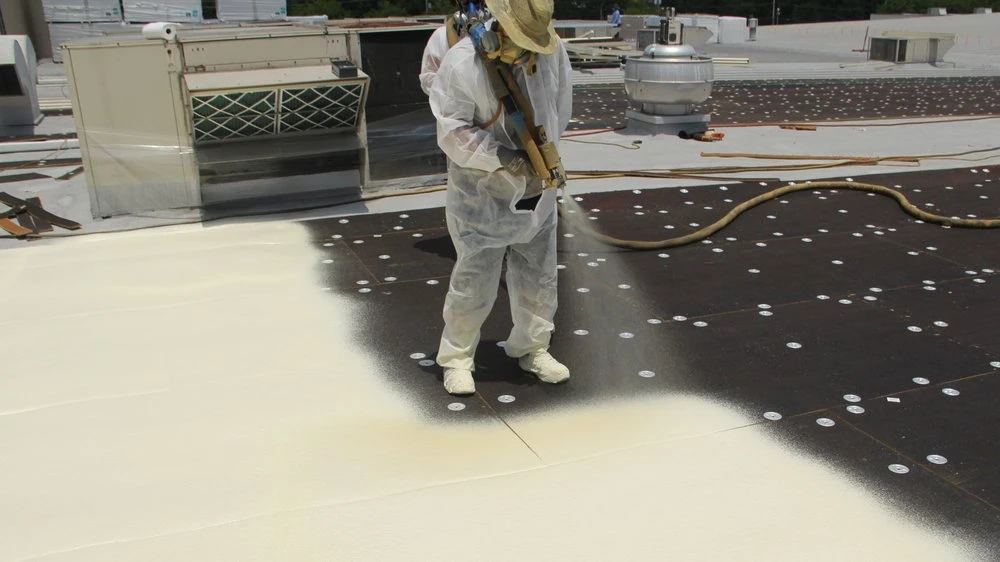
First, ambient temperatures and substrate moisture levels must sit within the manufacturer’s specified limits during installation. Our technicians at Spray Foam Tech carefully monitor these site conditions before spraying to guarantee proper adhesion and cell formation.
Second, the ratio of the two chemical components must remain perfectly balanced. If the mix is slightly off, the foam may not achieve its target density, which directly reduces its overall thermal resistance and structural integrity.
When comparing the spray foam R-value to fiberglass, cellulose, or mineral wool, the differences in both depth and performance are significant. Traditional materials often settle or sag over time, creating small gaps that let conditioned air escape.
A comparative report by the Office of Energy Efficiency and Renewable Energy highlights that typical fiberglass batts only offer an R-value of about 3.1 to 3.8 per inch. Because fiberglass allows air to pass through it, its real-world performance often drops below its rated value if the building is not perfectly sealed.
You need to understand the closed-cell spray foam r-value differences because it acts as an air barrier at a thickness of just one inch and a vapor retarder at 1.5 inches. This means you do not need to install separate plastic sheeting or house wraps to keep drafts and moisture out of your walls.
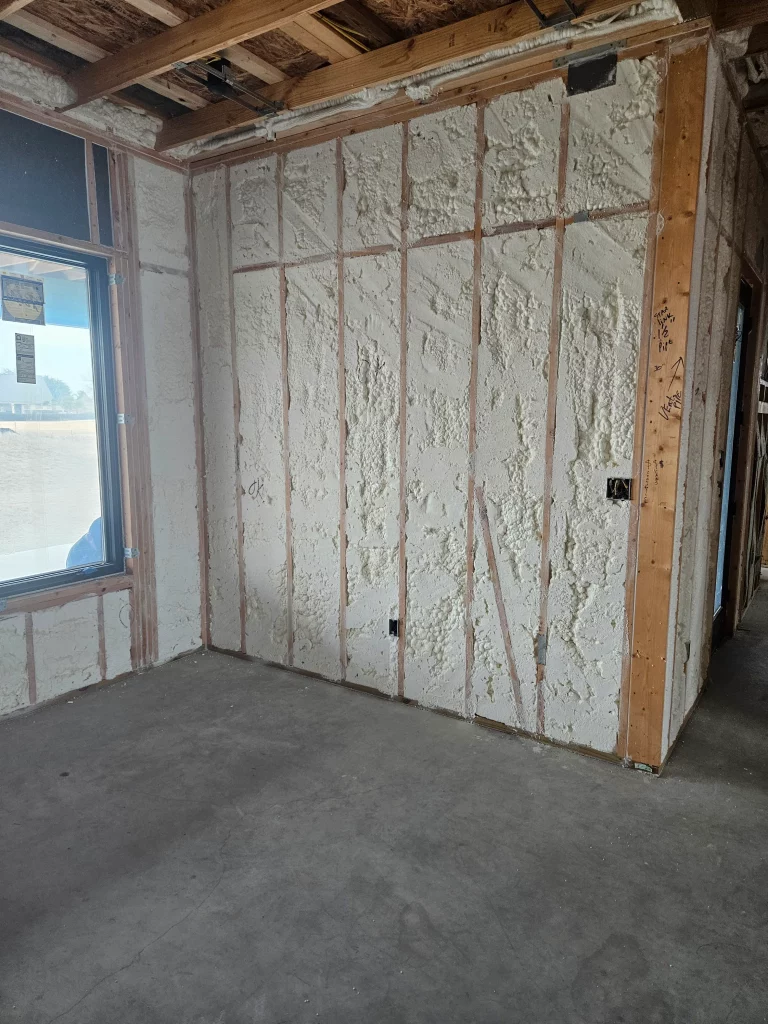
Before you commit to a specific insulation thickness, you must evaluate several practical elements to ensure the best long-term outcome. Every property is unique, and a customized approach yields the best performance.
Bonus Tip: Always ensure that any electrical, plumbing, or venting work is completely finished and inspected before our technicians apply the foam, as cutting through cured closed-cell foam later can be difficult.
In summary, closed-cell spray foam provides unmatched thermal resistance and building protection. By delivering up to R-7.0 per inch, it combines insulation, air sealing, and moisture control into a single, high-performance application. We recommend evaluating your specific climate zone, budget, and building design to determine the exact thickness your property needs.
Ready to improve your property’s energy efficiency? Spray Foam Tech is here to help you find the perfect insulation plan. We provide professional installations and tailored solutions to ensure your comfort all year long.
Contact us today at (737) 777-9590 or email us at oldworldtx@hotmail.com to request your free quote. Our specialists will guide you through every step of the process.
Closed-cell spray foam is designed to last for the entire lifetime of your home. This durable material does not sag, settle, or degrade over time, preserving its high thermal resistance.
Yes, closed-cell foam is highly water-resistant due to its dense, closed-cell structure. This durable material will not absorb water, making it the ideal insulation choice for damp basements and crawlspaces.
Yes, because it cures into a dense and rigid state, closed-cell spray foam can add up to three hundred percent structural racking strength to your building’s wall or roof assemblies.
To achieve a continuous air barrier and vapor retarder, our team recommends applying a minimum thickness of two inches. This depth provides excellent thermal protection and completely stops air leakage.
Yes, specialized cold-weather formulations allow our experienced crew to safely spray closed-cell insulation in winter. We ensure the wood substrate is completely dry and warm enough for the chemical reaction.